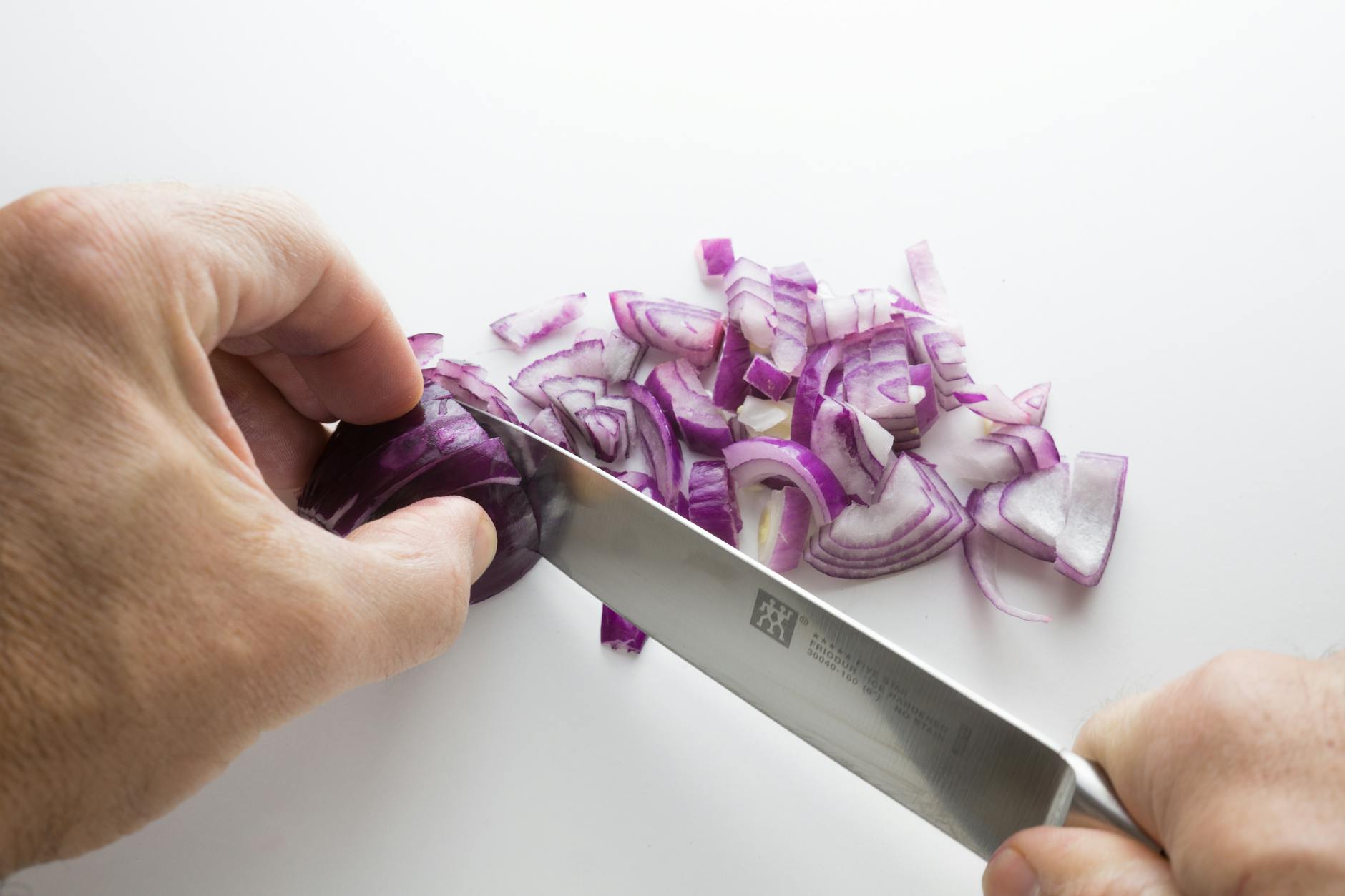
Yes, onions are toxic to cats and should never be fed to them under any circumstances. All parts of the onion plant””the flesh, leaves, juice, and even processed powders””contain compounds called N-propyl disulfides and thiosulfates that damage a cat’s red blood cells, leading to a dangerous condition called hemolytic anemia. Even small amounts can be harmful, and the toxicity is cumulative, meaning repeated exposure to tiny quantities can build up to dangerous levels over time. A cat that nibbles leftover onion soup or eats table scraps containing onion powder is at genuine risk of poisoning that may not become apparent for several days.
The severity of onion toxicity depends on how much a cat consumes relative to their body weight, but there is no truly “safe” amount. For example, a cat weighing 10 pounds could experience toxic effects from eating as little as one tablespoon of raw onion. This makes accidental exposure a real concern, particularly because onions appear in countless human foods where owners might not expect them””baby food, broths, pizza sauce, and many seasoning blends. Beyond understanding the basic toxicity, this article covers how to recognize poisoning symptoms, what to do in an emergency, which related foods pose similar dangers, and how to prevent accidental exposure in your home.
Table of Contents
- Why Are Onions So Dangerous to Cats?
- What Symptoms Indicate Onion Poisoning in Cats?
- Which Foods Contain Hidden Onions That Could Harm Your Cat?
- What Should You Do If Your Cat Eats Onion?
- Are Garlic, Leeks, and Chives Equally Toxic to Cats?
- How Do Veterinarians Diagnose and Treat Onion Toxicity?
- How Can You Prevent Onion Exposure in a Multi-Pet Household?
- Conclusion
Why Are Onions So Dangerous to Cats?
The toxic compounds in onions””specifically thiosulfates””attack the hemoglobin in a cat’s red blood cells. Unlike humans and dogs, cats have a particularly vulnerable type of hemoglobin that is highly susceptible to oxidative damage from these sulfur compounds. When thiosulfates enter a cat’s bloodstream, they cause the formation of Heinz bodies, which are clumps of damaged hemoglobin visible under a microscope. Red blood cells with Heinz bodies become fragile and burst more easily, leading to hemolytic anemia where the body destroys its own blood cells faster than it can produce new ones.
The danger is compounded by the fact that cats metabolize these toxins very slowly. While a dog might process and eliminate onion compounds within a day or two, a cat’s liver takes significantly longer, allowing the toxins more time to cause damage. This slow metabolism also means that even if a cat eats only a small piece of onion today and another small piece next week, the effects accumulate rather than reset. Compared to dogs, cats are roughly six times more sensitive to onion toxicity on a per-pound basis, making what might be a minor exposure for a dog potentially life-threatening for a cat of similar size.
What Symptoms Indicate Onion Poisoning in Cats?
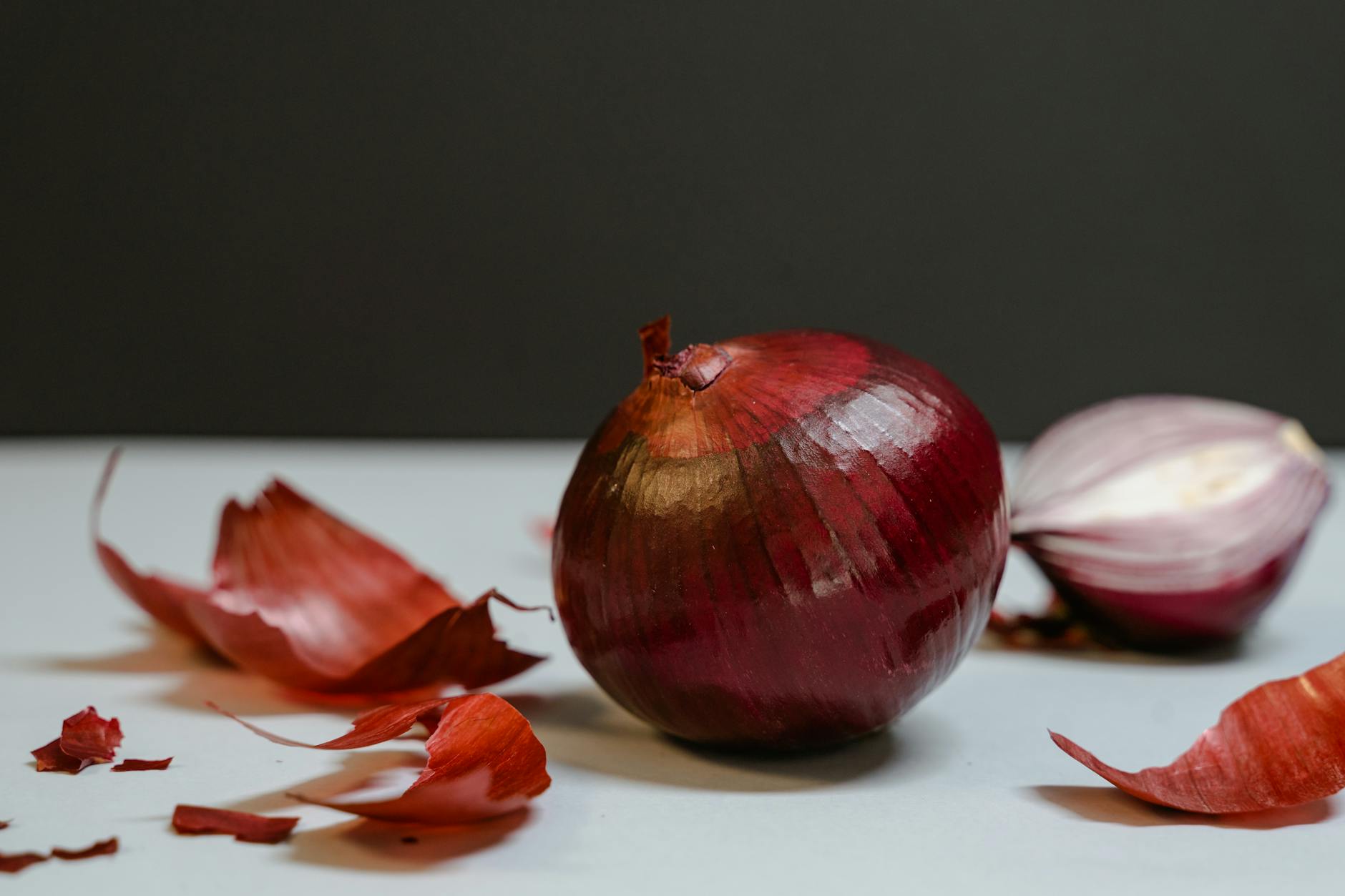
Symptoms of onion toxicity typically appear one to five days after ingestion, which can make it difficult for owners to connect their cat‘s illness to something they ate earlier. Early signs include lethargy, weakness, and decreased appetite””symptoms that are easy to dismiss as a cat simply having an off day. However, if your cat is showing these signs and you suspect onion exposure, you should not wait for more severe symptoms to appear before seeking veterinary attention. As the poisoning progresses, more alarming symptoms develop.
Cats may experience vomiting, diarrhea, and abdominal pain. Their gums and tongue may appear pale or yellowish (jaundice) due to the breakdown of red blood cells and the buildup of bilirubin. The cat’s urine may turn reddish or brown””a sign of hemoglobin from destroyed blood cells passing through the kidneys. Elevated heart rate and rapid breathing occur as the body tries to compensate for reduced oxygen-carrying capacity in the blood. However, if your cat shows sudden collapse, extreme weakness, or difficulty breathing, this indicates severe anemia requiring emergency veterinary care within hours, not days.
Which Foods Contain Hidden Onions That Could Harm Your Cat?
While most cat owners know not to feed their pet raw onions directly, the greater danger often comes from processed and prepared foods where onions are less obvious. Onion powder is particularly concentrated””one teaspoon contains the equivalent of roughly one medium onion””and appears in countless products including soups, broths, gravies, seasoning mixes, crackers, and instant noodles. Many baby foods historically contained onion powder as a flavoring agent, which is concerning because owners sometimes offer baby food to sick cats or kittens who need encouragement to eat.
Common household foods that frequently contain onions include pizza and pasta sauces, store-bought rotisserie chicken (often seasoned with onion or garlic powder), salad dressings, deli meats, and most prepared soups. For example, a well-meaning owner might give their cat a few bites of chicken from a can of chicken noodle soup, not realizing the broth contains significant amounts of onion. Even some commercial cat treats and low-quality cat foods have been found to contain onion derivatives, though reputable manufacturers avoid these ingredients. The safest approach is to feed cats only foods specifically formulated for felines and to keep human food completely separate from anything your cat might access.
What Should You Do If Your Cat Eats Onion?
If you catch your cat eating onion or discover evidence that they have done so, contact your veterinarian or an emergency animal poison control hotline immediately, even if your cat appears fine. Time is critical because treatment is most effective before red blood cell damage becomes severe. Do not attempt to induce vomiting at home unless specifically instructed by a veterinary professional, as improper technique can cause aspiration pneumonia or other complications.
When you contact the vet, provide as much information as possible: the approximate amount of onion consumed, whether it was raw, cooked, or powdered, the time of ingestion, and your cat’s weight. Your veterinarian may recommend bringing your cat in for observation, blood work, and potentially treatment. Treatment options include inducing vomiting if ingestion was recent, administering activated charcoal to absorb remaining toxins, providing IV fluids to support kidney function, and in severe cases, blood transfusions to replace destroyed red blood cells. The tradeoff with early intervention is that you may incur veterinary costs for a cat that might have been fine without treatment””but given the potentially fatal consequences of severe onion poisoning, this is a case where the precautionary approach is justified.
Are Garlic, Leeks, and Chives Equally Toxic to Cats?
All members of the Allium family””which includes onions, garlic, leeks, shallots, scallions, and chives””contain similar toxic compounds and pose dangers to cats. However, the concentration of these compounds varies by plant and preparation. Garlic is actually more potent than onions by weight, containing roughly three to five times the concentration of thiosulfates. This means a smaller amount of garlic can cause the same damage as a larger quantity of onion, making it arguably the most dangerous common kitchen Allium for cats.
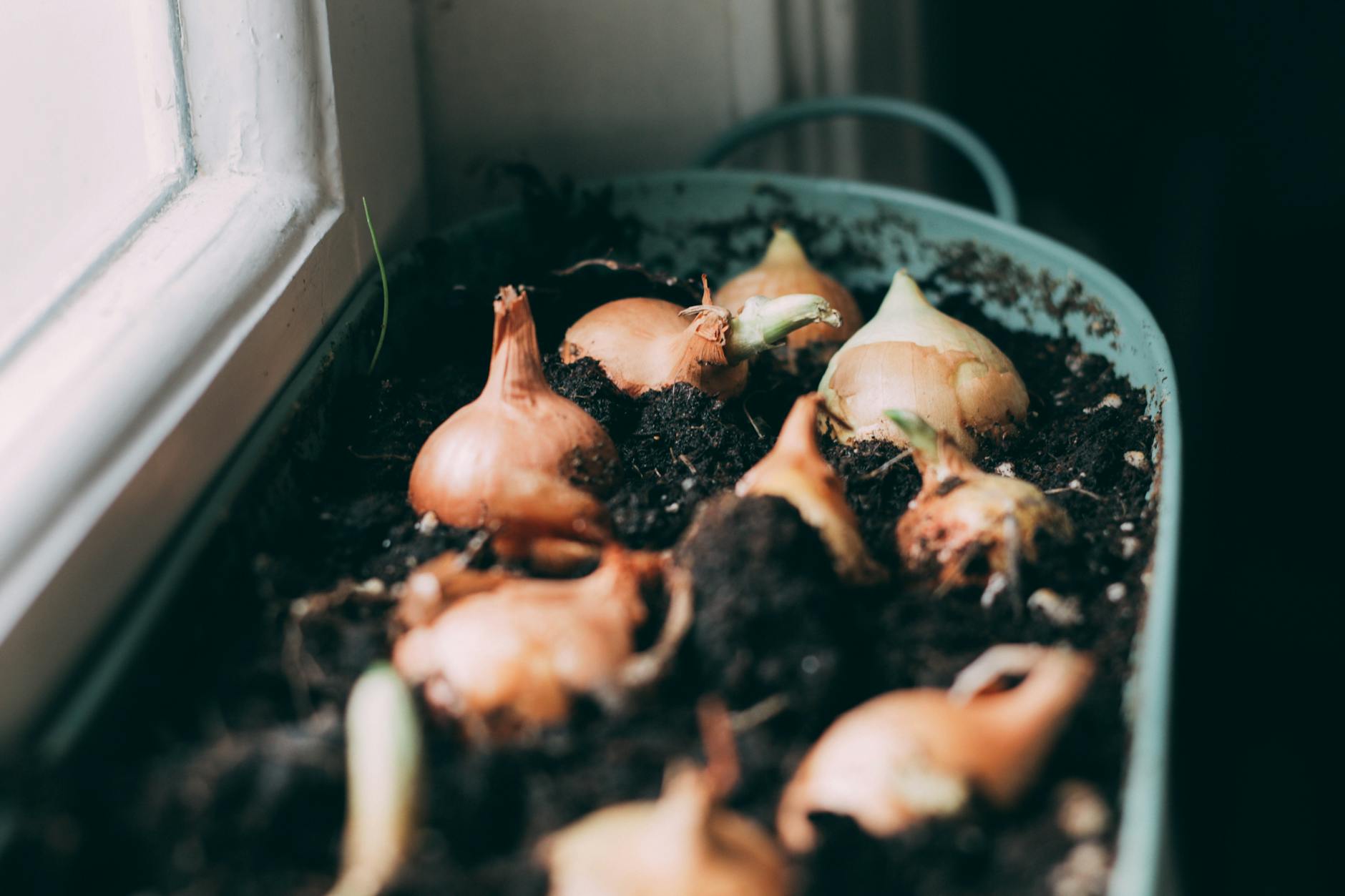
Leeks and shallots fall somewhere between onions and garlic in terms of concentration. Chives, while containing lower levels of toxins per gram, are often grown as houseplants or in kitchen windowsill gardens, creating an attractive nuisance for curious cats who may nibble the green shoots. A cat that chews on chives daily could accumulate enough toxins to become ill even though each individual exposure seems insignificant. For example, a cat owner discovered their indoor cat had developed mild anemia after three weeks of regularly chewing on potted chives left on a kitchen windowsill””the cumulative effect of what seemed like harmless nibbling. The safest policy is to treat all Allium plants as equally dangerous and keep them entirely out of your cat’s environment.
How Do Veterinarians Diagnose and Treat Onion Toxicity?
Veterinary diagnosis typically involves a complete blood count (CBC) to assess red blood cell levels and a blood smear examination to look for Heinz bodies. The presence of Heinz bodies in more than five percent of red blood cells, combined with a history of potential Allium exposure, strongly suggests onion or garlic poisoning. Veterinarians may also check for elevated liver enzymes and bilirubin levels, which indicate the body is processing large amounts of destroyed red blood cells. Treatment depends on severity and timing.
If ingestion occurred within the past two hours and the cat is stable, the vet may induce vomiting to prevent further absorption. Activated charcoal can bind remaining toxins in the digestive tract. For cats already showing symptoms, supportive care becomes the priority: IV fluids to maintain hydration and kidney function, oxygen therapy for severely anemic cats, and anti-nausea medications to encourage eating. In cases where the packed cell volume (PCV) drops below 15 percent””normal is 30 to 45 percent””blood transfusions become necessary to prevent death from insufficient oxygen delivery to organs. Prognosis is generally good with early treatment but declines sharply once severe anemia develops.
How Can You Prevent Onion Exposure in a Multi-Pet Household?
Prevention requires both physical barriers and behavioral changes from all household members. Store onions, garlic, and other Alliums in closed cabinets or the refrigerator rather than in open bowls on countertops. Dispose of onion scraps in a covered trash bin that cats cannot access, and be particularly careful during food preparation when onion pieces may fall on the floor. Even cats that normally ignore human food may be tempted by the texture of a fallen onion piece or attracted by other foods cooked alongside onions.
Establish a strict household rule that no one feeds the cat from their plate, regardless of what the food contains. This eliminates the risk of well-meaning family members or guests offering dangerous scraps. When feeding cats in a multi-pet home that also includes dogs, be aware that dog food sometimes contains Allium ingredients that would be toxic to cats. Monitor cats during dog feeding times to ensure they do not sample the dog’s food. Finally, educate children and visitors about the danger””many people assume that if a food is safe for humans or dogs, it must be safe for cats, which is simply not true for onions and many other common foods.
Conclusion
Onions pose a serious and potentially fatal threat to cats due to their unique sensitivity to the thiosulfate compounds these vegetables contain. The danger extends beyond raw onions to include all Allium family members””garlic, leeks, shallots, and chives””as well as any food products containing these ingredients in fresh, cooked, or powdered form. The cumulative nature of the toxicity means that even small, repeated exposures can lead to dangerous anemia over time, and symptoms may not appear until days after ingestion when significant damage has already occurred.
The key to keeping your cat safe lies in prevention through proper food storage, vigilant label reading, and maintaining a strict policy of feeding cats only feline-appropriate foods. If exposure does occur, immediate veterinary consultation offers the best chance for a positive outcome. Keep your veterinarian’s number and an emergency animal poison control hotline readily accessible. With awareness and appropriate precautions, onion toxicity is entirely preventable, and your cat can live safely alongside your regular cooking without risk.