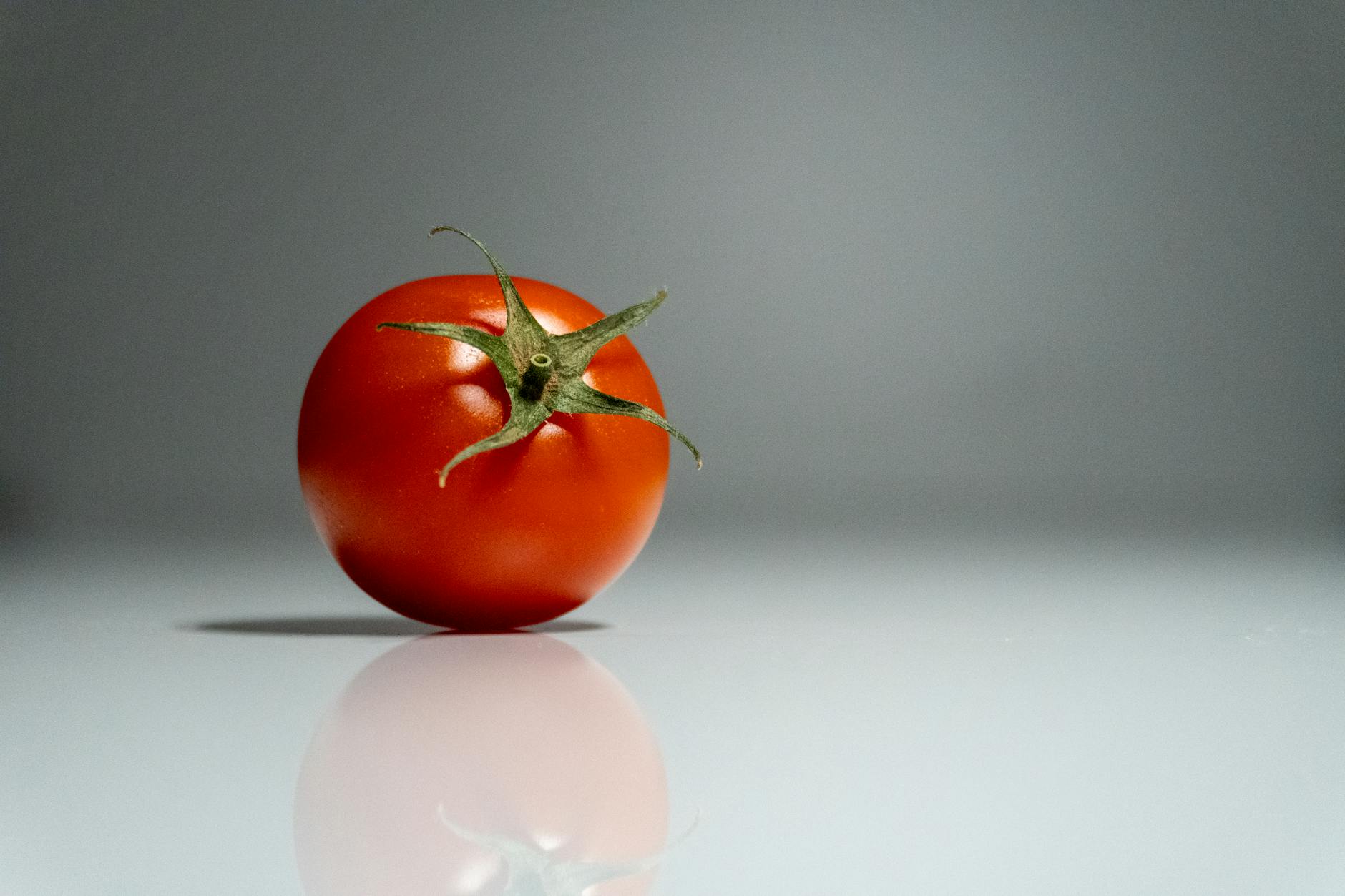
Ripe cherry tomatoes are generally safe for cats to eat in small amounts, but the green parts of the tomato plant””including stems, leaves, and unripe fruit””are toxic and should be kept away from felines. The ripe red flesh contains no harmful compounds for cats, though it offers little nutritional benefit to obligate carnivores and may cause digestive upset in some individuals. If your cat sneaks a bite of a ripe cherry tomato that rolled off your cutting board, there’s typically no cause for alarm.
Consider a common scenario: you’re preparing a salad and a cherry tomato escapes, rolling across the floor where your curious cat intercepts it. If the tomato is fully ripe and your cat takes a small bite, the most likely outcome is that she’ll be unimpressed by the taste and walk away. However, if you’re growing cherry tomatoes on your windowsill or in a garden your cat can access, the situation becomes more complicated because the plant itself poses genuine risks. This article explores the specific compounds that make tomato plants dangerous, how to recognize symptoms of tomato poisoning, what to do if your cat eats green tomatoes or plant material, and whether there’s any reason to intentionally offer tomatoes to your cat.
Table of Contents
- What Makes Tomato Plants Toxic to Cats?
- Symptoms of Tomato Plant Poisoning in Cats
- What to Do If Your Cat Eats Green Tomatoes or Tomato Plants
- Should You Feed Ripe Cherry Tomatoes to Your Cat?
- Keeping Cats Safe Around Tomato Gardens
- Tomato-Based Foods and Cats
- Why Some Cats Are Attracted to Tomato Plants
- Conclusion
What Makes Tomato Plants Toxic to Cats?
Tomato plants belong to the Solanaceae family, commonly known as nightshades, which includes other plants like potatoes, eggplants, and deadly nightshade. All parts of the tomato plant except the ripe fruit contain glycoalkaloids””specifically solanine and tomatine””which serve as natural pesticides protecting the plant from insects and herbivores. These compounds are concentrated in the leaves, stems, and green unripe fruit. Tomatine is the primary concern with tomato plants. While it’s present throughout the green parts of the plant, concentrations decrease dramatically as fruit ripens. A fully red, ripe cherry tomato contains only trace amounts that pose no threat to cats.
By contrast, a green cherry tomato can contain enough tomatine to cause gastrointestinal distress in a small animal. The difference between a safe snack and a toxic one comes down entirely to ripeness and which part of the plant your cat consumes. Compared to other common household plant toxins, tomatine is relatively mild. A cat would need to consume a significant quantity of green tomato plant material to experience severe poisoning. This contrasts sharply with plants like lilies, where even minor exposure can cause fatal kidney failure. That said, “relatively mild” doesn’t mean harmless””any amount of plant toxin can make your cat uncomfortable and potentially require veterinary attention.

Symptoms of Tomato Plant Poisoning in Cats
If your cat has consumed green tomatoes, leaves, or stems from a tomato plant, symptoms typically appear within a few hours. The most common signs include drooling, loss of appetite, vomiting, diarrhea, lethargy, and abdominal pain. Your cat may also appear confused or unusually weak. In cases involving larger amounts of plant material, you might observe a slowed heart rate or dilated pupils, though these severe symptoms are uncommon. The severity of symptoms depends on the amount consumed and your cat’s size.
A large adult cat who nibbled a single leaf might show only mild drooling or no symptoms at all. However, a kitten who chewed extensively on a tomato plant could experience more pronounced effects. Individual sensitivity also plays a role””some cats have more robust digestive systems than others, and cats with pre-existing gastrointestinal conditions may react more severely to even small exposures. One limitation when identifying tomato poisoning is that the symptoms overlap with many other conditions, from hairballs to more serious illnesses. If you didn’t witness your cat eating the plant, you might not immediately connect the symptoms to tomato exposure. This is why keeping toxic plants inaccessible and monitoring your cat’s environment matters””it allows you to provide accurate information to your veterinarian if problems arise.
What to Do If Your Cat Eats Green Tomatoes or Tomato Plants
The first step is to remove your cat from the source and prevent further access to the plant. Assess what was consumed””a single nibbled leaf differs substantially from a cat who has been systematically destroying your tomato seedlings. If possible, take note of how much material is missing from the plant. This information helps your veterinarian determine the appropriate level of concern. For minor exposures””say, a quick taste of a leaf before your cat decided it wasn’t worth pursuing””home monitoring is often sufficient. Watch for vomiting, diarrhea, or changes in behavior over the next 12 to 24 hours.
Ensure fresh water is available, as gastrointestinal upset can lead to dehydration. Most cats recover uneventfully from small exposures without veterinary intervention. For larger exposures, or if your cat is very young, elderly, or has health conditions, contact your veterinarian or an animal poison control hotline immediately. The ASPCA Animal Poison Control Center (888-426-4435) operates 24 hours a day, though a consultation fee applies. Have information ready about your cat’s weight, what was consumed, and when. Your vet may recommend inducing vomiting if the ingestion was recent, or they may suggest bringing your cat in for supportive care if symptoms are already present.
Should You Feed Ripe Cherry Tomatoes to Your Cat?
While ripe cherry tomatoes aren’t toxic, they offer essentially no nutritional benefit to cats. Felines are obligate carnivores whose digestive systems are optimized for processing meat. They lack the taste receptors to appreciate sweet flavors and derive no essential nutrients from tomatoes that they wouldn’t get more efficiently from a quality cat food. Feeding tomatoes to cats falls into the category of “won’t hurt them but won’t help them either.” Some cat owners offer small pieces of ripe tomato as an occasional treat, and if your cat genuinely enjoys the texture or moisture, there’s no harm in this practice. The tradeoff is that tomatoes are acidic, and frequent consumption might irritate a sensitive cat’s stomach.
A cat who eats ripe tomatoes regularly and then develops loose stools or vomiting should stop receiving them entirely. Compared to cat-appropriate treats or small pieces of cooked meat, tomatoes simply offer less value and more potential for digestive upset. The one exception might be cats who are attracted to the water content in tomatoes during hot weather. If your cat refuses to drink adequate water but eagerly consumes the juicy flesh of a ripe tomato, the hydration benefit might justify occasional use. However, most cats do better with a pet fountain or wet food than with improvised hydration through vegetables.
Keeping Cats Safe Around Tomato Gardens
Indoor and outdoor tomato plants present different challenges for cat owners. Indoor plants””whether seedlings on a windowsill or a mature container plant””should be placed where cats cannot reach them. Cats are notorious climbers and jumpers, so “out of reach” needs to account for their abilities. A shelf that seems high enough may still be accessible via a nearby bookcase or the back of a couch. For outdoor gardens, physical barriers offer the most reliable protection. Garden fencing, chicken wire around plants, or raised beds with covers can prevent curious cats from investigating your tomatoes.
One warning: cats often view covered spaces as inviting hiding spots, so a half-hearted barrier might actually attract more feline attention than an open garden. If you’re going to fence, make the barrier complete and unappealing to climb. Deterrent sprays made from citrus or bitter apple may help discourage some cats from approaching plants, though effectiveness varies widely between individuals. Some cats seem completely unbothered by scents that repel others. Motion-activated sprinklers can startle cats away from garden areas but require consistent maintenance and positioning. No single solution works for every cat, and you may need to combine methods to find an effective approach for your particular feline.

Tomato-Based Foods and Cats
Prepared tomato products like pasta sauce, ketchup, pizza, and soup pose additional concerns beyond the tomato itself. These foods typically contain onions, garlic, salt, and various seasonings that are far more dangerous to cats than tomatoes. Onions and garlic, in particular, can damage red blood cells and cause anemia even in relatively small amounts.
A cat who licks tomato sauce off a plate is at greater risk from the aromatics in the sauce than from the tomato base. If your cat shows interest in your spaghetti dinner, the safest approach is to redirect that interest toward appropriate food. Offering a small piece of plain cooked meat satisfies the desire to share your meal without introducing potentially harmful ingredients. The habit of sharing table food with cats often creates problems down the line, as cats learn to beg and owners struggle to determine which foods are safe.
Why Some Cats Are Attracted to Tomato Plants
Despite their reputation as finicky eaters, many cats show surprising interest in plants, including tomatoes. This behavior may stem from instinctive grass-eating tendencies””wild cats sometimes consume plant material to aid digestion or expel hairballs. Cats may also be attracted to the texture of leaves, the movement of plants in a breeze, or simply the novelty of something new in their environment.
Providing safe alternatives can reduce your cat’s interest in forbidden plants. Cat grass, grown from wheat, oat, or barley seeds, gives cats a safe outlet for plant-chewing urges. Catnip and silver vine offer stimulation without the risks associated with toxic houseplants. A cat with access to appealing, safe plants is often less likely to seek out dangerous alternatives, though determined cats may still investigate anything within their reach.
Conclusion
Ripe cherry tomatoes pose minimal risk to cats””they’re non-toxic but also nutritionally unnecessary for obligate carnivores. The real danger lies in the green parts of the tomato plant, which contain tomatine and solanine in concentrations sufficient to cause gastrointestinal distress and potentially more serious symptoms. Cat owners who grow tomatoes should take active measures to prevent access to plants, particularly for curious kittens or cats known to chew on greenery.
If your cat does consume tomato plant material, monitor for symptoms of poisoning and contact your veterinarian for guidance based on the amount consumed. For cats who accidentally eat a piece of ripe cherry tomato, observation at home is typically sufficient. The safest approach is to keep tomato plants inaccessible and reserve intentional treats for foods that actually benefit feline health.