Ripe red tomatoes are generally safe for cats to eat in small amounts, but the green parts of the tomato plant””including stems, leaves, and unripe green tomatoes””are toxic and should be kept away from your cat. The distinction matters because tomato plants contain solanine and tomatine, glycoalkaloid compounds that concentrate in the green portions and can cause gastrointestinal upset, lethargy, and more serious symptoms if ingested in significant quantities. A curious cat who nibbles a small piece of ripe tomato flesh that fell on the kitchen floor will likely be fine, but that same cat chewing on tomato plant leaves in your garden could end up at the veterinarian. Understanding which parts of the tomato are problematic helps cat owners make informed decisions about their homes and gardens. Many people grow tomatoes indoors or on patios where cats have access, creating potential exposure risks they may not have considered.
This article covers the specific toxins in tomato plants, symptoms of tomato poisoning to watch for, what to do if your cat eats part of a tomato plant, and how to safely manage tomatoes in a household with cats. The practical reality is that most cats show little interest in tomatoes. Unlike dogs, who often eat whatever they encounter, cats are obligate carnivores with taste receptors that don’t respond to sweetness. A ripe tomato holds little appeal. However, some cats chew on plants out of boredom or curiosity, and kittens explore the world with their mouths, making awareness of tomato plant toxicity worthwhile for any cat owner who gardens.
Table of Contents
- What Makes Tomato Plants Toxic to Cats?
- Symptoms of Tomato Plant Poisoning in Cats
- What to Do If Your Cat Eats Tomato Plant Material
- Ripe Tomatoes Versus Green Tomatoes: Understanding the Risk Difference
- Cherry Tomatoes, Heirloom Varieties, and Garden Considerations
- Why Cats Sometimes Eat Plants Despite Being Carnivores
- Long-Term Prevention and Cat-Safe Gardening
- Conclusion
What Makes Tomato Plants Toxic to Cats?
Tomato plants belong to the Solanaceae family, commonly called nightshades, which includes potatoes, eggplants, and peppers. This plant family produces glycoalkaloids as a natural defense mechanism against pests and disease. In tomatoes, the primary compounds of concern are tomatine and solanine, both of which concentrate in the stems, leaves, and unripe fruit. As tomatoes ripen and turn red, tomatine levels drop dramatically””ripe tomato flesh contains only trace amounts that pose no realistic threat to cats. The concentration difference between plant parts is significant. Green tomato leaves can contain tomatine levels around 5% of dry weight, while a fully ripe red tomato contains less than 0.03%.
This hundredfold difference explains why a bite of ripe tomato causes no symptoms while chewing on leaves can trigger a toxic response. For comparison, the related compound solanine in green potato skins has caused documented poisoning in various animals, illustrating that nightshade toxicity is a legitimate concern rather than theoretical. Cats are more sensitive to many plant toxins than larger animals simply due to their size. A 10-pound cat ingesting the same amount of tomatine as a 50-pound dog experiences a proportionally larger dose. Additionally, cats lack certain liver enzymes that help other species metabolize plant compounds, making them generally more vulnerable to plant toxicity. This metabolic difference is why many plants that cause mild symptoms in dogs can cause severe reactions in cats.

Symptoms of Tomato Plant Poisoning in Cats
When a cat ingests toxic portions of a tomato plant, symptoms typically appear within a few hours. The most common signs are gastrointestinal: drooling, vomiting, diarrhea, and loss of appetite. These symptoms occur because tomatine irritates the digestive tract lining. A cat who ate a few leaves might vomit once and seem fine afterward, while a cat who consumed more could experience repeated vomiting and diarrhea requiring veterinary attention to prevent dehydration. More serious symptoms indicate larger ingestion or particular sensitivity. These include lethargy, weakness, confusion, dilated pupils, and slowed heart rate.
Tomatine affects the nervous system and heart at higher doses, though reaching these levels would require a cat to eat a substantial amount of plant material””more than most cats would voluntarily consume. However, if your cat shows any neurological symptoms after plant exposure, this constitutes a veterinary emergency regardless of how much you think was eaten. The severity timeline matters for decision-making. If your cat ate tomato plant material an hour ago and shows no symptoms, they may have consumed too little to cause problems, but monitoring for the next 12 hours remains important. If vomiting begins and continues beyond two or three episodes, or if diarrhea is severe or bloody, veterinary care should not be delayed. A single vomiting episode followed by normal behavior typically resolves without intervention, but when in doubt, calling your veterinarian or an animal poison control hotline provides guidance specific to your situation.
What to Do If Your Cat Eats Tomato Plant Material
Immediate action depends on what was consumed and how much. If you catch your cat chewing on tomato leaves, remove the plant material from their mouth if safely possible and prevent further access. Check how much damage was done to the plant to estimate consumption””a few tooth marks on one leaf differs from finding half a seedling eaten. Collect any remaining plant material in case your veterinarian needs to confirm the plant species. Do not induce vomiting unless specifically instructed by a veterinarian. Home remedies for inducing vomiting in cats, such as hydrogen peroxide, can cause serious harm to the esophagus and stomach and are not recommended.
Cats vomit easily on their own, and if the plant material is going to come back up, it usually does so without intervention within an hour or two. Giving water is fine if your cat wants to drink, but don’t force fluids. Contact your veterinarian or the ASPCA Animal Poison Control Center (888-426-4435) for guidance. When you call, have the following information ready: your cat’s weight, approximately how much plant material was consumed, how long ago ingestion occurred, and any symptoms observed. The poison control hotline charges a consultation fee but provides expert toxicology guidance. Your regular veterinarian may recommend monitoring at home for mild exposures or may want to examine your cat for more significant ingestion.
Ripe Tomatoes Versus Green Tomatoes: Understanding the Risk Difference
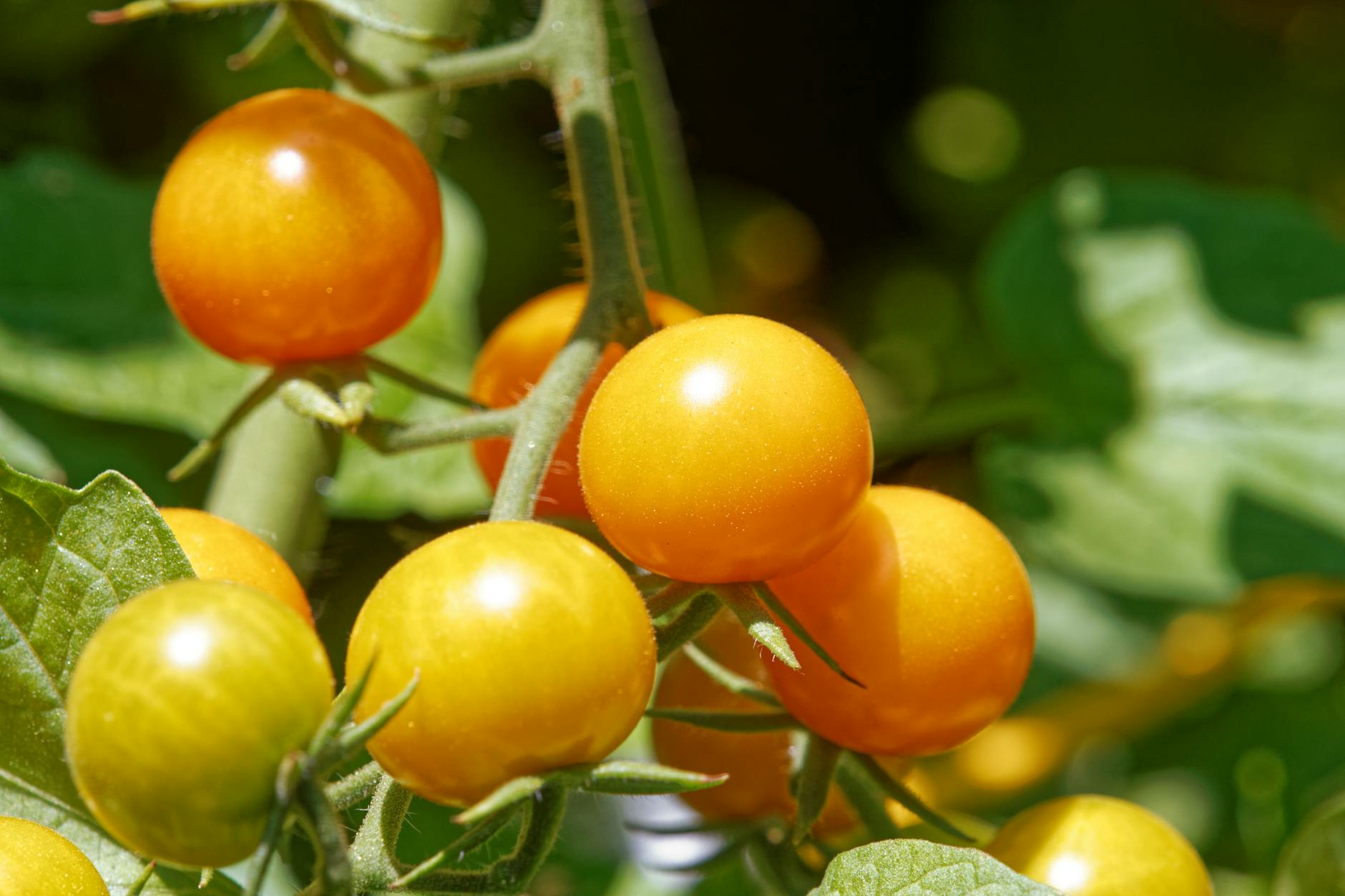
The safety distinction between ripe and unripe tomatoes is not arbitrary””it reflects actual chemical changes during ripening. Green tomatoes contain tomatine levels similar to the leaves and stems, making them potentially problematic if a cat ate enough. As the fruit ripens and chlorophyll breaks down, tomatine converts to non-toxic compounds and concentrations drop to negligible levels. The red color indicates this transformation is complete. This creates a practical consideration for gardens with ripening tomatoes at various stages. A fallen green tomato poses a different risk than a fallen ripe one. Cats generally ignore both, but kittens and cats with pica””a condition causing them to eat non-food items””might investigate.
If you’re growing tomatoes where cats have access, harvesting fruit before it falls and disposing of dropped green tomatoes promptly reduces potential exposure. Cooked tomatoes, tomato sauce, and tomato paste present a different consideration. The cooking process and the ripe tomatoes used mean tomatine isn’t a concern, but added ingredients might be. onions and garlic, common in tomato sauces, are toxic to cats. Salt content in prepared tomato products is often excessive for cats. A cat who licks tomato sauce off a plate is unlikely to experience tomatine toxicity but could encounter other problematic ingredients. Plain ripe tomato flesh in tiny amounts remains the only tomato product that’s genuinely benign for cats.
Cherry Tomatoes, Heirloom Varieties, and Garden Considerations
Different tomato varieties contain similar toxin profiles””the concern applies equally to cherry tomatoes, beefsteaks, heirlooms, and every other cultivated variety. Some gardeners wonder if smaller tomatoes like cherry or grape varieties pose greater risks because cats might eat them whole, but the ripeness factor remains the primary determinant. A ripe cherry tomato is no more dangerous than a ripe slicing tomato; an unripe cherry tomato carries the same risks as any unripe fruit. Indoor tomato growing has become popular, and this places tomato plants within reach of cats year-round rather than just during garden season. Windowsill tomato plants are often at perfect height for curious cats, and seedlings started indoors for later transplant are particularly tempting to cats who like to chew on greenery.
If you start seeds indoors, consider locations your cat cannot access, or use physical barriers. A cat proof seedling operation might involve a room with a closed door or a high shelf, though determined climbers may require more creative solutions. Container tomatoes on patios and balconies warrant similar attention. Cats with outdoor access or cats on enclosed patios have opportunity to investigate container plants. Mulching around tomato plants can help because it makes the soil surface less appealing for cats to dig in, reducing interest in the whole container. However, some cats are drawn to plants specifically to chew on leaves, and for these cats, physical separation remains the only reliable prevention.

Why Cats Sometimes Eat Plants Despite Being Carnivores
Cats are obligate carnivores, meaning they require nutrients found only in animal tissue, yet plant-chewing behavior is common enough that cat grass products exist specifically to satisfy it. Several theories explain why cats eat plants. One suggests that plant fiber aids in passing hairballs through the digestive tract. Another proposes that cats instinctively eat grass and other plants to induce vomiting when they feel unwell. Some cats appear to simply enjoy the texture or the activity. Understanding this drive helps prevent problems.
A cat who has safe plants available””such as cat grass, catnip, or cat-safe herbs””may be less likely to chew on potentially harmful plants out of frustration. Providing appropriate plant material redirects the behavior rather than attempting to eliminate it entirely. This works better than scolding, which cats generally don’t respond to effectively and which can damage the human-animal bond. Boredom plays a role in plant chewing for indoor cats particularly. Environmental enrichment””interactive toys, puzzle feeders, climbing structures, and regular play sessions””reduces boredom-driven behaviors including inappropriate plant consumption. A mentally stimulated cat with outlets for predatory behavior focuses less on chewing random objects including plants.
Long-Term Prevention and Cat-Safe Gardening
Creating a cat-safe plant environment requires either eliminating toxic plants or preventing access to them. For dedicated gardeners unwilling to give up tomatoes, physical barriers work best. Fenced garden sections, greenhouse growing, or raised beds with covers allow tomato cultivation while excluding cats. For indoor plants, rooms cats cannot enter provide complete protection. Some cat owners use deterrent sprays with bitter or citrus scents on plants they want to protect. Effectiveness varies widely between individual cats””some are completely deterred while others ignore the spray entirely.
Deterrents work best as part of a broader strategy rather than as sole protection. They may reduce casual interest but rarely stop a determined plant chewer. Training cats to avoid specific areas or objects is possible but requires consistency and patience. Positive reinforcement for staying away from plants, combined with providing attractive alternatives, gradually shapes behavior. Punishment-based approaches generally fail with cats and can increase stress-related behaviors including pica. For high-value plants like tomatoes that cycle through toxic and non-toxic stages, physical barriers remain more reliable than training alone.
Conclusion
Ripe red tomatoes in small quantities won’t harm your cat, but the green parts of tomato plants contain toxic glycoalkaloids that can cause gastrointestinal upset and, in larger amounts, more serious symptoms. The practical takeaway is simple: keep cats away from tomato plants, remove fallen unripe tomatoes promptly, and don’t worry if your cat licks a bit of ripe tomato off your plate. Most cats ignore tomatoes entirely, making this a preventable problem for the minority of cats who show interest in plants.
If your cat does ingest tomato plant material, monitor for symptoms and contact your veterinarian for guidance based on the amount consumed. Symptoms are typically mild and self-limiting for small exposures, but significant ingestion warrants professional evaluation. Going forward, evaluate your home and garden for tomato plant access, provide safe plant alternatives if your cat enjoys chewing greenery, and address any underlying boredom that might drive plant-eating behavior.