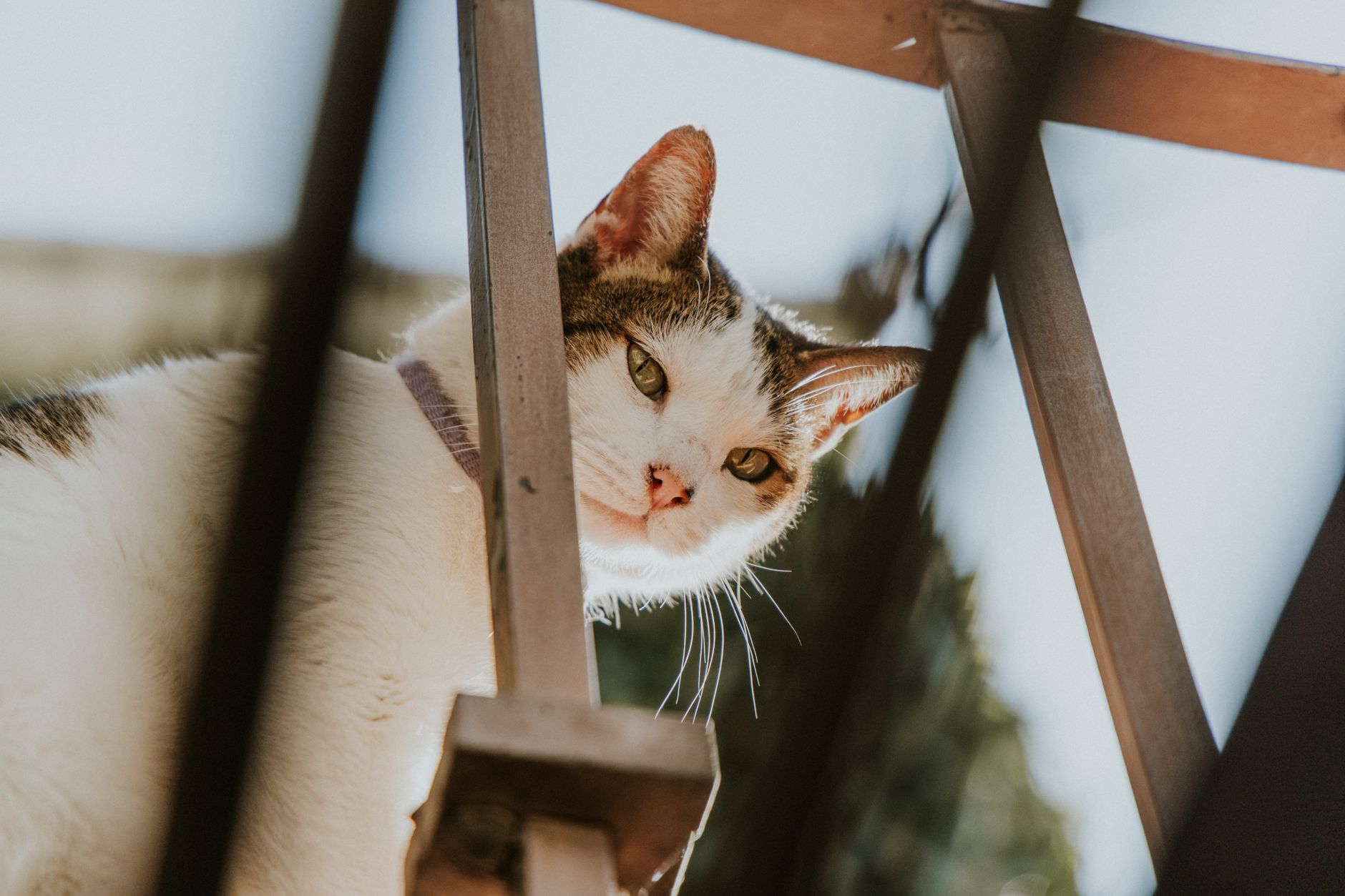
Yes, a catio can prevent your cat from harming local wildlife. A catio, a secure enclosed outdoor patio, keeps your cat from roaming and hunting while still giving fresh air and stimulation. Outdoor hunting adds up to a large toll on birds and small mammals. For an owner who wants to give outdoor time without that harm, full-time containment is the practical choice.
Table of Contents
- Why roaming cats harm so much wildlife
- What a catio stops
- What one catio cannot fix
- How to make containment work for your cat
Why roaming cats harm so much wildlife
Free-ranging domestic cats in the United States kill an estimated 1.3-4.0 billion birds and 6.3-22.3 billion mammals each year, according to Smithsonian Conservation Biology Institute and U.S. Fish and Wildlife Service scientists in the Nature Communications study.
The middle estimates are 2.4 billion birds and 12.3 billion mammals. That pressure makes outdoor-cat predation the leading direct human-caused threat to birds in the United States and Canada. Owned pets are only part of the total, but each roaming pet can kill fledglings, nesting females, shrews, voles, lizards, and frogs.
What a catio stops
A catio blocks hunting by blocking roaming. The Stewardship Centre for British Columbia describes it as an enclosed patio that lets cats enjoy sights, smells, and fresh air without roaming, in its catio resource guide.
A cat inside cannot stalk, chase, or grab vulnerable animals. Pilchuck Audubon Society gives the same conservation advice for pet owners. It recommends indoor life or a catio or leashed enclosure because enclosed cats cannot hunt birds and small animals.
What one catio cannot fix
Your catio protects wildlife from your cat, not from all cats. Cornell Lab of Ornithology reports that unowned and feral cats cause about 69% of cat-killed bird deaths, in its outdoor-cat FAQ. Owned outdoor cats cause the rest.
So neighborhood birds still face risk from strays, feral colonies, and other roaming pets. Your choice matters for your block and nearby nests, feeders, and brush piles. Wider relief needs trapping, adoption, sterilization, and fewer roaming pets across the area.
How to make containment work for your cat
Pick an enclosure that fits your home and cat. Common forms are a window box, a balcony enclosure, and a yard pen reached by a cat door. Strong mesh, a roof, a latch, and shade keep the cat in and predators out.
Add climbing shelves, a scratching post, a hiding box, water, and a litter option. Then build a routine around it: Contained life also protects the cat from traffic, fights, predators, poison, and infection. The U.S. Fish and Wildlife Service advises indoor life or a protected catio for that dual safety reason.
- Start with short visits and treats inside the catio.
- Add play, sun, and bird-watching time during daylight.
- Check screens, latches, and boards each week for gaps.
- Bring the cat indoors at night and in bad weather.