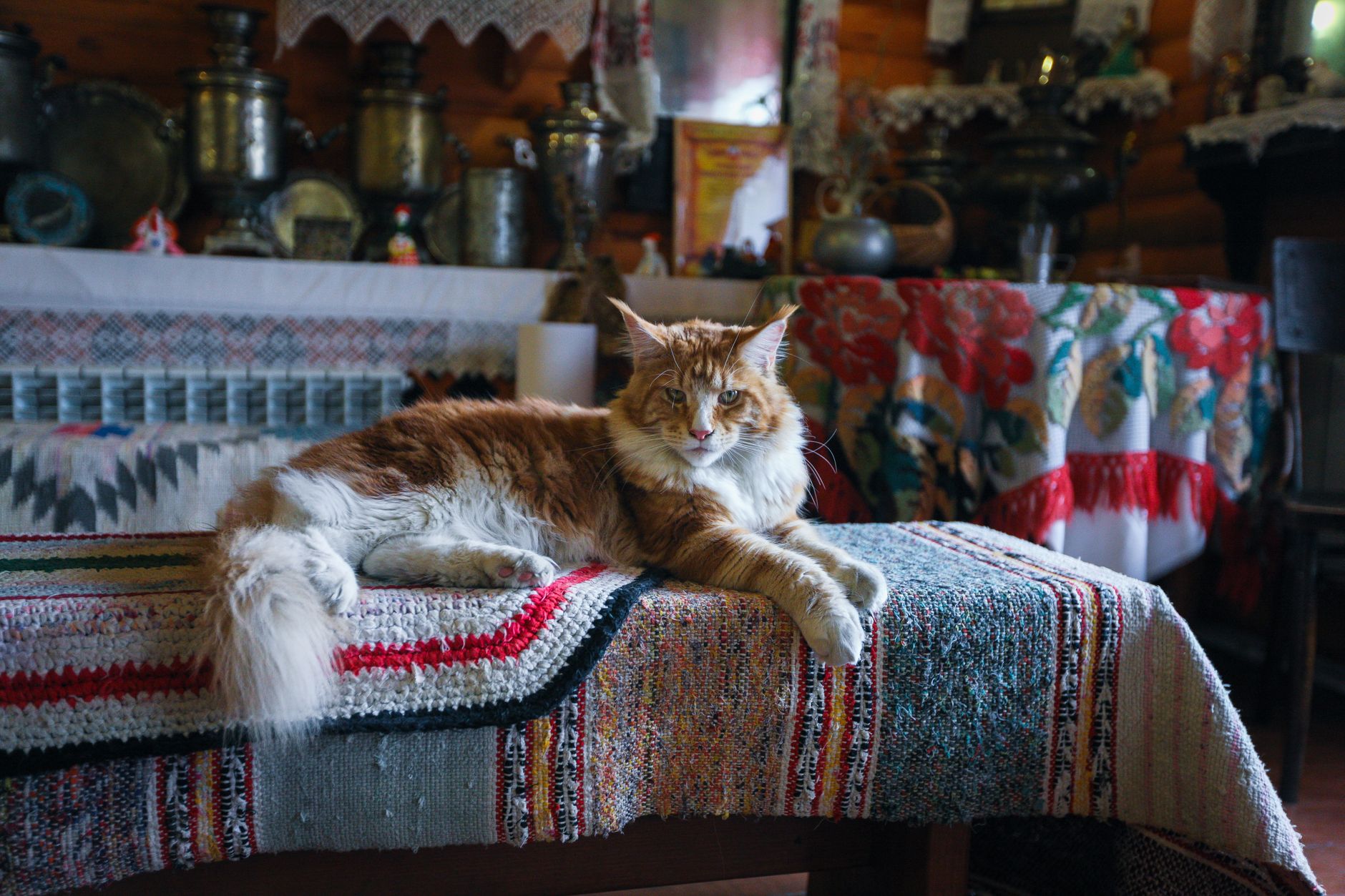
Yes, a Maine Coon's large frame can hide excess weight. A Maine Coon — a large, muscular, longhaired breed — can look normal while carrying extra fat beneath bone, muscle, and coat. That matters because healthy size varies widely and young cats keep filling out for years. Touch says more than the scale alone: felt ribs and a clear waist reveal condition better than eyesight.
Table of Contents
- Why Scale Weight Alone Misleads
- What Healthy Condition Feels Like
- Why Coat and Frame Fool the Eye
- How to Check Without Guessing
Why Scale Weight Alone Misleads
The International Cat Association defines the breed as large, with substantial boning, a broad chest, and a long, hard-muscled body (breed standard). That frame means healthy muscle and bone alone add pounds. The International Cat Association reports adult males averaging about 13–18 pounds and females about 9–13 pounds, with some healthy cats outside those ranges.
Full size may not arrive until 3–5 years, so a young cat is still filling out. The Cat Fanciers' Association calls the Maine Coon the largest pedigreed cat. It notes mature males can reach or exceed 20 pounds, with full growth taking up to 3 years.
What Healthy Condition Feels Like
Veterinarians judge fat cover with a 9-point body condition score. Cornell University College of Veterinary Medicine places ideal weight near 4.5–5, overweight above 6.5–7, and severe overweight or obesity at 8 or higher (obesity guide). VCA Animal Hospitals explains that at ideal condition, ribs feel easy under thin fat (body condition guide).
A waist shows behind the ribs from above, and the belly tucks up when seen from the side. Hard-to-feel ribs and a lost waist signal excess fat. That hands-on test beats breed size as a guide.
Why Coat and Frame Fool the Eye
A long, thick coat smooths the outline. A broad, heavy frame also makes extra pounds look proportionate. Owners then miss a fading waist and buried ribs.
An Animal Medical Center of Fort Oglethorpe veterinary article flags this visual trap as especially tricky in longhaired cats. The stakes are real. Cornell University College of Veterinary Medicine describes obesity, generally 20% or more above normal weight, as the most commonly observed feline nutritional disorder. It reports obese cats face up to four times higher likelihood of diabetes mellitus.
How to Check Without Guessing
Body-condition scoring is hands-on and frame-dependent. VCA Animal Hospitals advises owners to have a veterinarian demonstrate rib and waist checks and to track scale weight rather than trust looks alone.
Use the same hands each time and compare feel over weeks. Track scale weight over time and ask for a hands-on demo at the visit.
- Feel for ribs under only thin fat cover
- Look from above for a waist behind the ribs
- Look from the side for a belly tuck
- Track scale weight and ask a veterinarian to demonstrate the checks