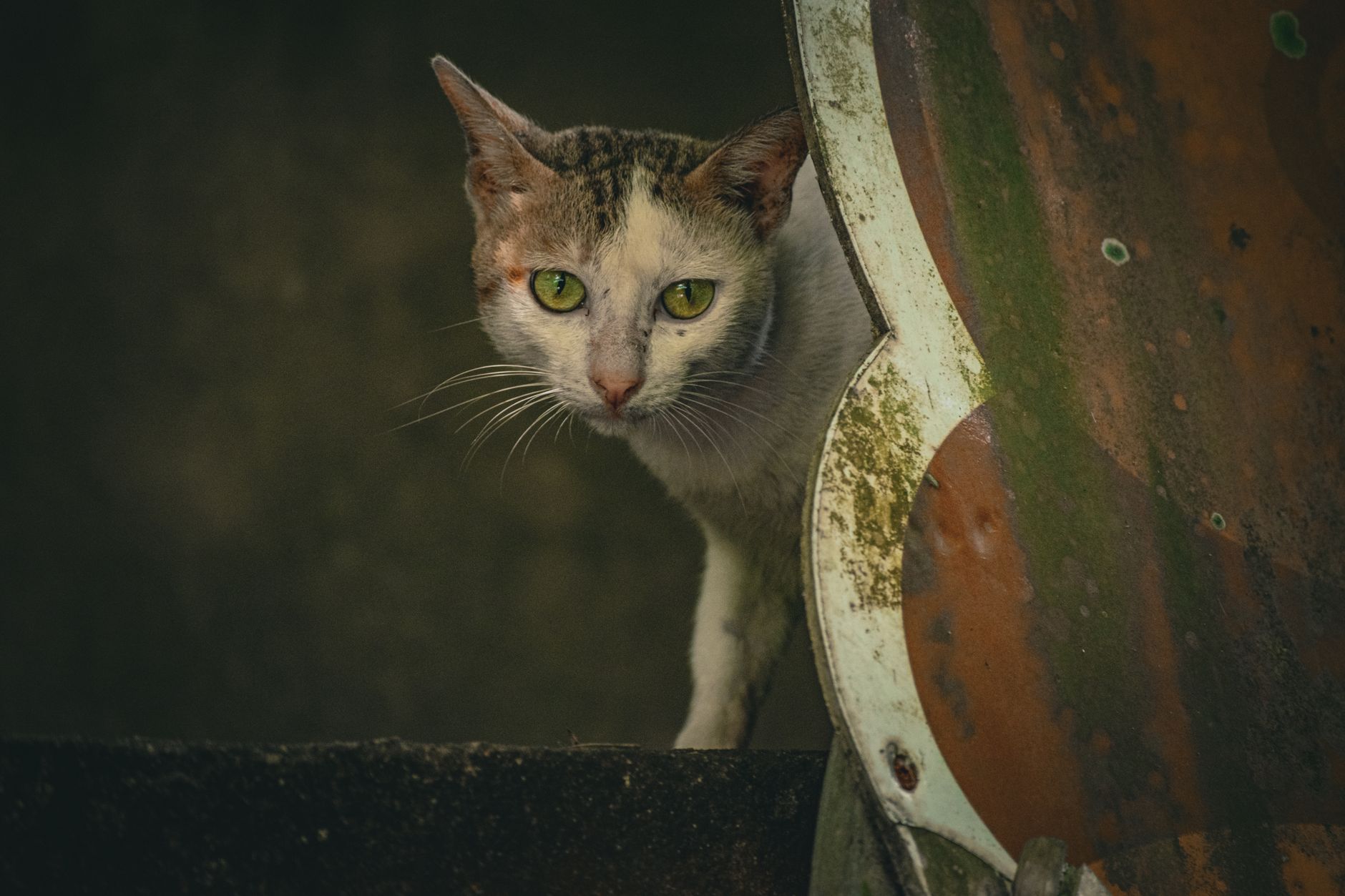
No, cats cannot safely take human antibiotics for vomiting without a veterinary prescription. Human pills can overdose a cat and miss the real cause of the sickness. Antibiotics are drugs that kill specific bacteria. Most feline vomiting comes from other causes, so treatment must start with a diagnosis.
Table of Contents
- Why human pills are risky for cats
- Why antibiotics rarely stop vomiting
- When vets do use human antibiotics
- What to do when your cat vomits
Why human pills are risky for cats
Pet Poison Helpline warns that human formulations, doses, and treatment lengths can overdose cats or miss the true illness, as explained in Pet Poison Helpline guidance on cats and human antibiotics. A pill that helps an adult can overwhelm a small cat. Toxic doses can cause more vomiting, diarrhea, metabolic problems, and central-nervous-system signs.
Pet Poison Helpline reports these cases need urgent care with IV fluids and decontamination. Dose size is a practical danger. Cats.com reports amoxicillin is approved for bacterial infections in cats, yet one 500 mg human tablet is several times the dose for a typical 10-pound cat, as detailed in Cats.com dosing information for amoxicillin in cats. That excess commonly causes digestive upset.
Why antibiotics rarely stop vomiting
Antibiotics work only against susceptible bacterial infections. They do not settle most vomiting. Cornell University College of Veterinary Medicine lists diet, parasites, toxins, human medicines, foreign bodies, pancreatitis, kidney disease, and other conditions as vomiting causes, shown on the Cornell Feline Health Center page on vomiting.
An antibiotic cannot remove a foreign body or repair kidney disease. Antibiotics can also make vomiting worse. GoodRx notes stomach problems are the most common amoxicillin side effect in cats. VCA Canada Animal Hospitals lists antibiotics among triggers for gastritis, which is stomach inflammation.
When vets do use human antibiotics
Off-label use means a human drug has evidence for safe use in cats without FDA pet approval. GoodRx explains veterinarians sometimes prescribe human antibiotics this way, but only with a veterinary calculation of a safe dose.
Amoxicillin is one example with an approved feline use for bacterial infection. The vet chooses the product, strength, dose by weight, dosing interval, and duration. Owners should never copy that math from a human prescription.
What to do when your cat vomits
Watch the pattern before asking for medicine. A single mild episode after fast eating may pass, but repeated or severe vomiting needs a vet exam.
The Joii Pet Care veterinary team advises prompt diagnosis for persistent, frequent, bloody, or lethargy-accompanied vomiting. Unsupervised antibiotics can mask disease and promote antibiotic resistance. Call your veterinarian the same day these signs appear and describe frequency, vomit contents, diet changes, and any drugs or toxins your cat could have reached.
- Vomiting that will not stop or keeps returning
- Blood in vomit, pale gums, belly pain, or no appetite
- Low energy, hiding, dehydration, or weight loss
- Known toxin, foreign object, human drug, or string exposure