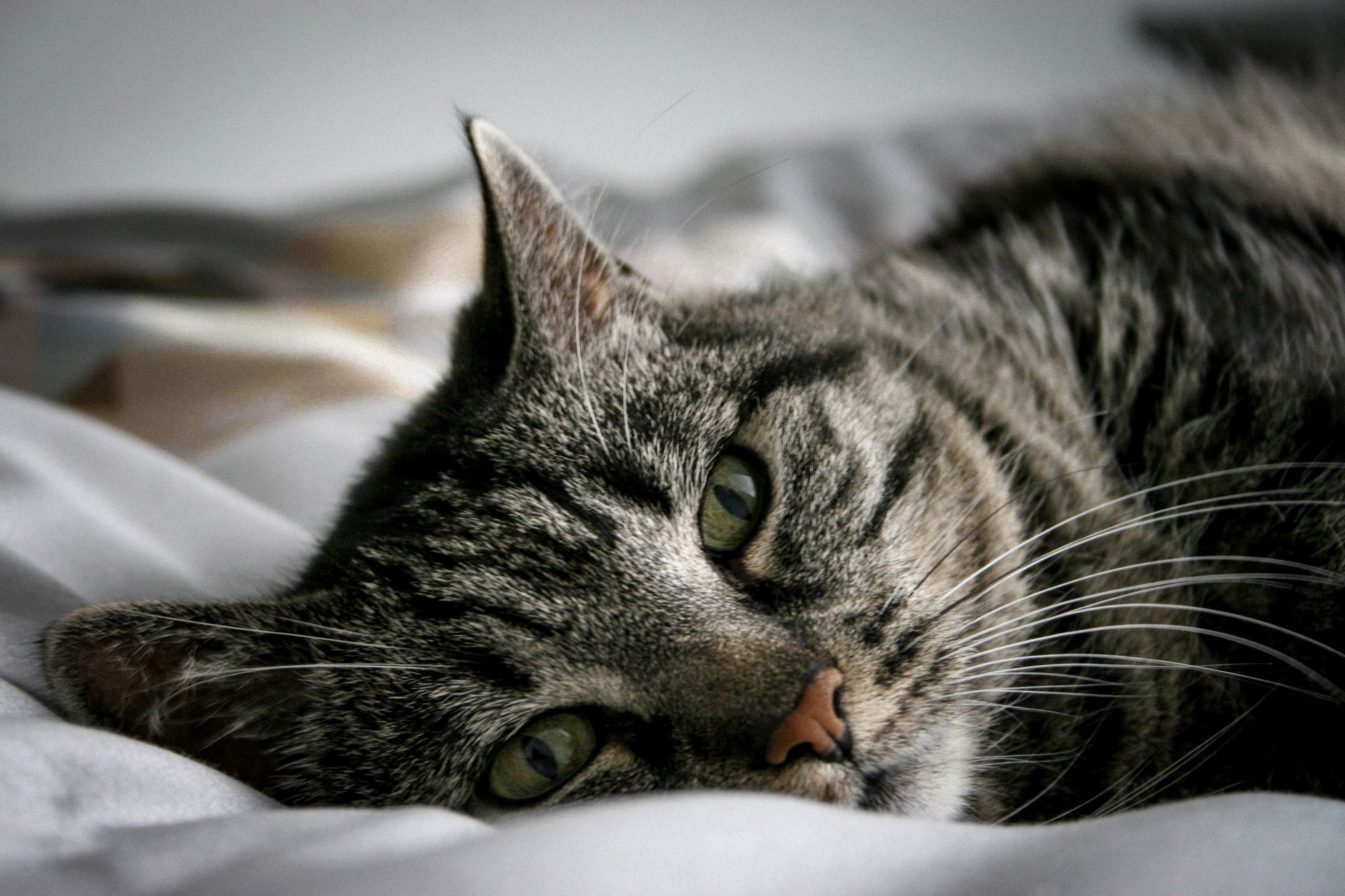
Cats purr when in pain mainly to soothe themselves. The vibration calms fear, eases discomfort, and lowers stress during injury or illness. A purr is a steady, rhythmic vibration a cat makes while breathing in and out. In a painful cat, it works as comfort and coping rather than a sign of happiness.
Table of Contents
- How cats produce a purr
- Why pain triggers purring
- Can purring aid healing?
- How should you respond to a purring cat in pain?
How cats produce a purr
Cats purr by rapidly tensing and releasing the muscles around the voice box and diaphragm. The movement happens during both inhalation and exhalation. Scientific American reports that this intermittent muscle signaling creates purr sounds at 25-150 Hertz in how purring is produced.
That rate matters because it is low and steady. It takes energy to keep going, especially for a sick cat. The cat keeps purring because the signal serves a purpose beyond communication.
Why pain triggers purring
Many cats purr under duress, not only when content. Examples include veterinary visits, severe injury, illness recovery, labor, and dying. The behavior is common enough that veterinarians treat purring as an unreliable sign of comfort.
Pain-related purring acts as self-soothing. Veterinarians describe distress purring as a response that releases natural endorphins, calming fear and easing pain and anxiety while lowering blood pressure and heart rate, according to veterinary advice by Dr. Joanna Woodnutt in why some cats purr when stressed. A hurt cat may purr while tense, withdrawn, hiding, or avoiding food.
Can purring aid healing?
Researchers have noticed that purr frequencies overlap with vibrations used to support bone and tissue health. Investigators have shown that sound in the 25-150 Hertz range can improve bone density and promote healing, which supports a low-energy self-therapy idea for resting or injured cats, as described by Scientific American in research on purr frequencies and healing. Bioacoustician Elizabeth von Muggenthaler found strong 25-150 Hertz purr frequencies across cat species.
She argued that cats would not spend scarce energy purring while stressed or dying unless it helped survival. That idea remains a hypothesis, not proof. The healing effect is an association drawn from human vibration therapy. It does not show that purring heals a fracture or wound faster.
How should you respond to a purring cat in pain?
Do not assume a purring cat feels comfortable. Cats.com advises that purring can mask pain, so owners should seek veterinary assessment for a sick, injured, hiding, or appetite-changed cat rather than treating purring as reassurance in why purring does not always mean happiness. Watch the whole cat, not the sound alone.
Warning signs alongside purring include: Keep the cat quiet, warm, and undisturbed. Avoid pressing sore areas or offering human pain medicine. Call your veterinarian promptly with details about appetite, breathing, movement, and behavior changes.
- hiding, aggression, crouching, or reluctance to move
- reduced appetite, rapid breathing, dilated pupils, or trembling
- crying when touched, limping, vomiting, or litter-box changes
- purring at the veterinary clinic, after injury, during labor, or near death