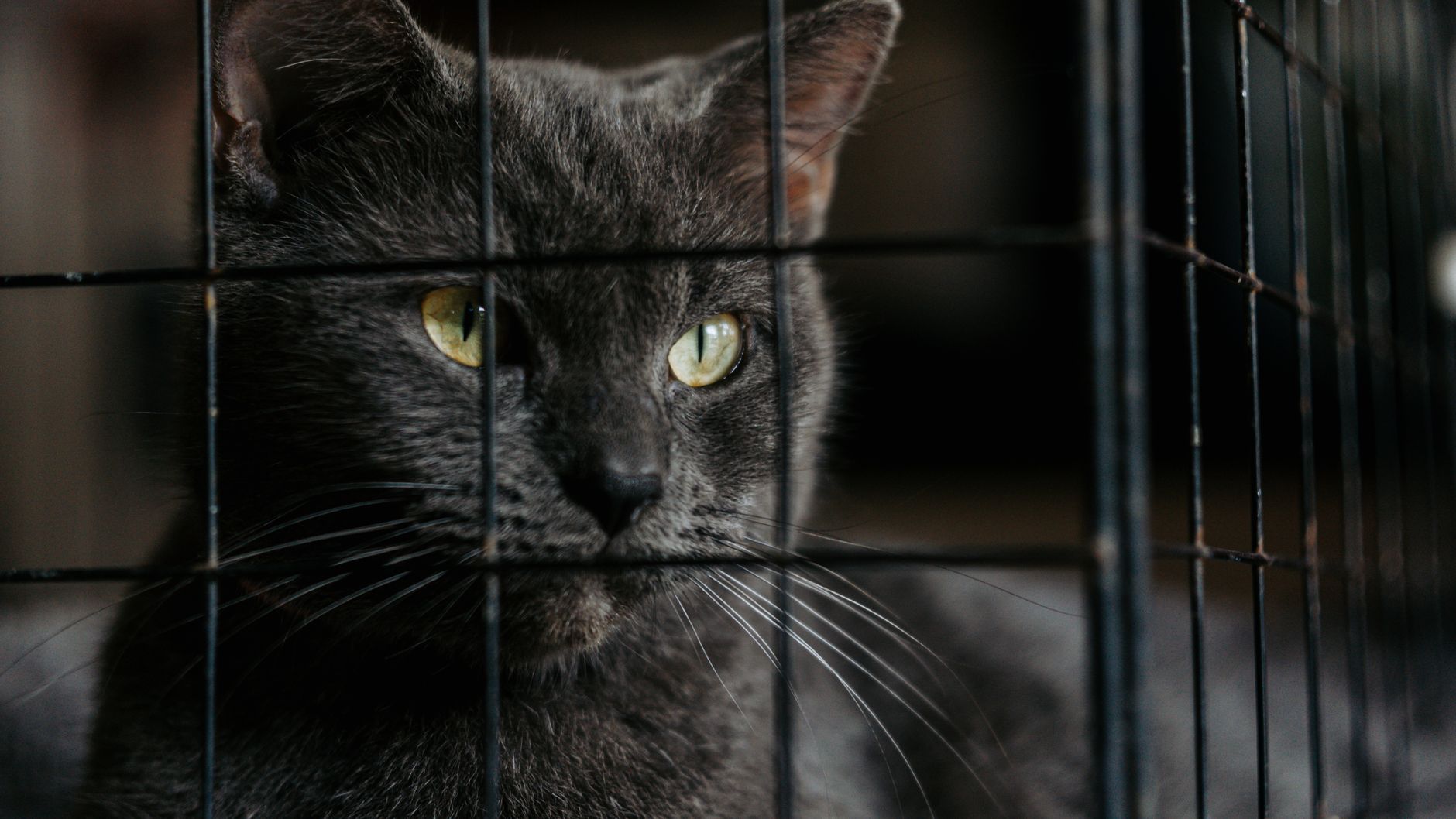
Local animal rescue organizations have strengthened their capacity to place cats in homes through formal partnerships that streamline adoption processes and expand community outreach. These collaborative models between rescue groups, shelters, and affiliated organizations create systematic pathways for more cats to transition from rescue facilities into adoptive families. By pooling resources, sharing expertise, and coordinating adoption events, partner organizations have demonstrated that structured cooperation yields measurable results in placement rates. One example of this model involves rescue organizations partnering with veterinary clinics to offer subsidized spay/neuter services for recently adopted cats, removing a financial barrier that deters some adopters.
Similar partnerships extend to behavioral assessment programs where multiple organizations share specialized staff to evaluate temperament and match cats with compatible households. These integrated approaches address both the logistical and medical obstacles that can slow the adoption pipeline. The rise of partnership-based adoption programs reflects a broader shift from isolated shelter operations toward networked systems. When rescue organizations combine adoption logistics, marketing efforts, and foster networks, they create economies of scale that benefit both the animals and the people seeking to adopt them.
Table of Contents
- How Local Rescue Partnerships Accelerate Cat Placements
- Resource Pooling and Its Hidden Constraints
- Community Engagement Through Collaborative Outreach
- Matching Adopters with the Right Cat
- Managing Medical Care and Behavioral Assessment Across Organizations
- Building Sustainable Partner Relationships
- Adoption Success Rates and Long-Term Home Stability
How Local Rescue Partnerships Accelerate Cat Placements
Partnership programs function by connecting rescue organizations with different strengths and audiences. A small specialty rescue focused on senior cats might partner with a larger, well-known shelter that attracts walk-in traffic, allowing senior cats access to the shelter’s visitor flow. Meanwhile, the larger shelter gains expertise in geriatric feline care from the specialized organization. This cross-pollination of resources and visibility reaches adopters who might not discover either organization independently. Cross-organizational partnerships also extend foster networks, which remain one of the most effective levers for increasing adoption capacity.
When rescue groups formally coordinate foster recruitment and management, they can temporarily house more animals awaiting adoption. Foster networks typically absorb 40 to 60 percent of an organization’s rescue volume in well-coordinated systems, compared to much lower percentages when each rescue operates its own isolated foster program. Data sharing between partner organizations eliminates duplicate efforts and prevents animals from being adopted through multiple listings simultaneously. Centralized intake systems allow partner organizations to immediately identify available animals from any member group, directing adopters to the right organization and the right cat. This coordination prevents wasted adoption application reviews and accelerates placement.
Resource Pooling and Its Hidden Constraints
Partnership models require organizations to relinquish some operational autonomy in exchange for access to shared resources. A rescue organization must align its adoption criteria, photo standards, and health protocols with partners, potentially creating friction when philosophies diverge. When one partner emphasizes rapid placement and another prioritizes careful behavioral screening, negotiating compatible standards becomes a significant coordination challenge. Financial dependency on partner organizations introduces operational risk.
If a key partner experiences funding cuts or leadership changes, participating rescues can suddenly lose access to critical resources like shared transportation, medical facilities, or volunteer networks. Organizations that have grown accustomed to relying on a partner’s capacity may not quickly rebuild independent capabilities. Several partnership programs have faltered when a financially troubled partner could no longer maintain commitments. Additionally, partnership programs can inadvertently concentrate power among the largest or best-funded organizations. Smaller, specialist rescues may find themselves increasingly dependent on larger partners for visibility and adoption placement, shifting decision-making authority away from the rescue groups most familiar with individual animals’ needs.
Community Engagement Through Collaborative Outreach
Partnership programs typically include joint adoption events that attract larger crowds than any single organization could generate independently. A community adoption fair featuring cats from multiple partner rescues provides adopters with more options in a single location, increasing the likelihood of a match. These events also create opportunities for cross-promotion, where each organization’s volunteer base helps market the event to their networks. Social media coordination among partners amplifies adoption listings. When multiple organizations share and repost each animal’s profile, the post reaches a broader audience across different social networks and geographic areas.
A shy cat with a small following on one organization’s social channels might find visibility when three partner organizations distribute its adoption profile. This distributed marketing approach costs minimal additional resources while significantly expanding reach. Educational content created collaboratively also strengthens community engagement. Partner organizations can produce joint guides on cat behavior, health, or adoption preparation that carry more weight than single-organization advice. Community workshops on topics like introducing adopted cats to existing pets or managing common behavioral challenges draw larger attendance when promoted by multiple trusted organizations.
Matching Adopters with the Right Cat
Partnership programs create more sophisticated matching infrastructure than isolated rescues typically maintain. When multiple organizations coordinate, they can collectively afford behavioral specialists or consulting veterinarians who assess cats using standardized evaluations. A cat determined to be better suited to a multi-pet household gets routed to adopters and organizations specializing in those placements, rather than risking an incompatible match. Reference checks and follow-up protocols improve when partnerships maintain shared databases tracking adoption outcomes.
Organizations can document whether specific adopters successfully maintained previous adoptions or whether particular cats thrived in certain home environments. This institutional memory reduces failed adoptions and returns, a common problem that diverts resources from new rescue intake. However, standardized matching can sometimes feel impersonal to adopters accustomed to direct relationships with individual shelter staff. Some adopters prefer the personalized attention of smaller rescue organizations where volunteers know each cat’s quirks and preferences intimately. Partnership systems, by necessity, abstract individual relationships into process-driven protocols that prioritize efficiency over personal connection.
Managing Medical Care and Behavioral Assessment Across Organizations
Partnership programs must establish consistent standards for vaccinations, spay/neuter procedures, and health screening before cats become available for adoption. When different partner organizations have different veterinary providers or protocols, cats passing through one pathway might have different health documentation than those from another. Miscommunication about medical histories or behavioral assessments can place a cat in a home where its actual needs aren’t addressed. Foster networks within partnerships introduce additional complexity around medical responsibility and liability. If a cat is injured while in a foster home provided by one partner but owned by another, determining financial responsibility and appropriate care can become contentious.
Clear written agreements between partners addressing these scenarios are essential but frequently overlooked until a problem arises. Behavioral assessment requires particular caution in partnership contexts. A cat deemed suitable for multi-pet homes by one organization’s evaluation might be assessed differently by another, leading to contradictory placement recommendations. If an adopter receives conflicting information about a cat’s temperament or needs, they may proceed with an adoption that ultimately fails. Partnership programs need binding standards for behavioral evaluation to prevent this risk.
Building Sustainable Partner Relationships
Successful partnerships require ongoing communication structures and periodic alignment meetings where participating organizations review adoption metrics, discuss emerging challenges, and realign on shared goals. Partners that skip this relational maintenance often drift into misalignment where one organization prioritizes volume while another emphasizes placement quality. Regular touchpoints prevent passive drift and surface conflicts before they damage the partnership.
Transparent financial arrangements strengthen partnerships. When one partner organization subsidizes transportation or medical costs for cats adopted across the network, other partners should acknowledge this contribution and reciprocate through resource sharing. Without clear accounting of who provides what value, resentment builds and partners begin withholding their most marketable animals to bolster their individual adoption numbers.
Adoption Success Rates and Long-Term Home Stability
Partnership organizations that track post-adoption outcomes report finding that collaborative selection and preparation produce durable placements. When adopters receive comprehensive information about a cat’s medical history, behavioral profile, and specific needs from multiple organization specialists, they’re more likely to proceed with realistic expectations. Cats with realistic matches show lower return rates and higher long-term success.
Following adoptions through partnerships typically includes structured support resources. Adopters can access behavioral guidance, veterinary referrals, or even temporary foster care if a situation becomes unsustainable—resources individual small rescues often cannot afford. This safety net means some adoptions survive temporary crises rather than becoming returns that restart the adoption cycle.