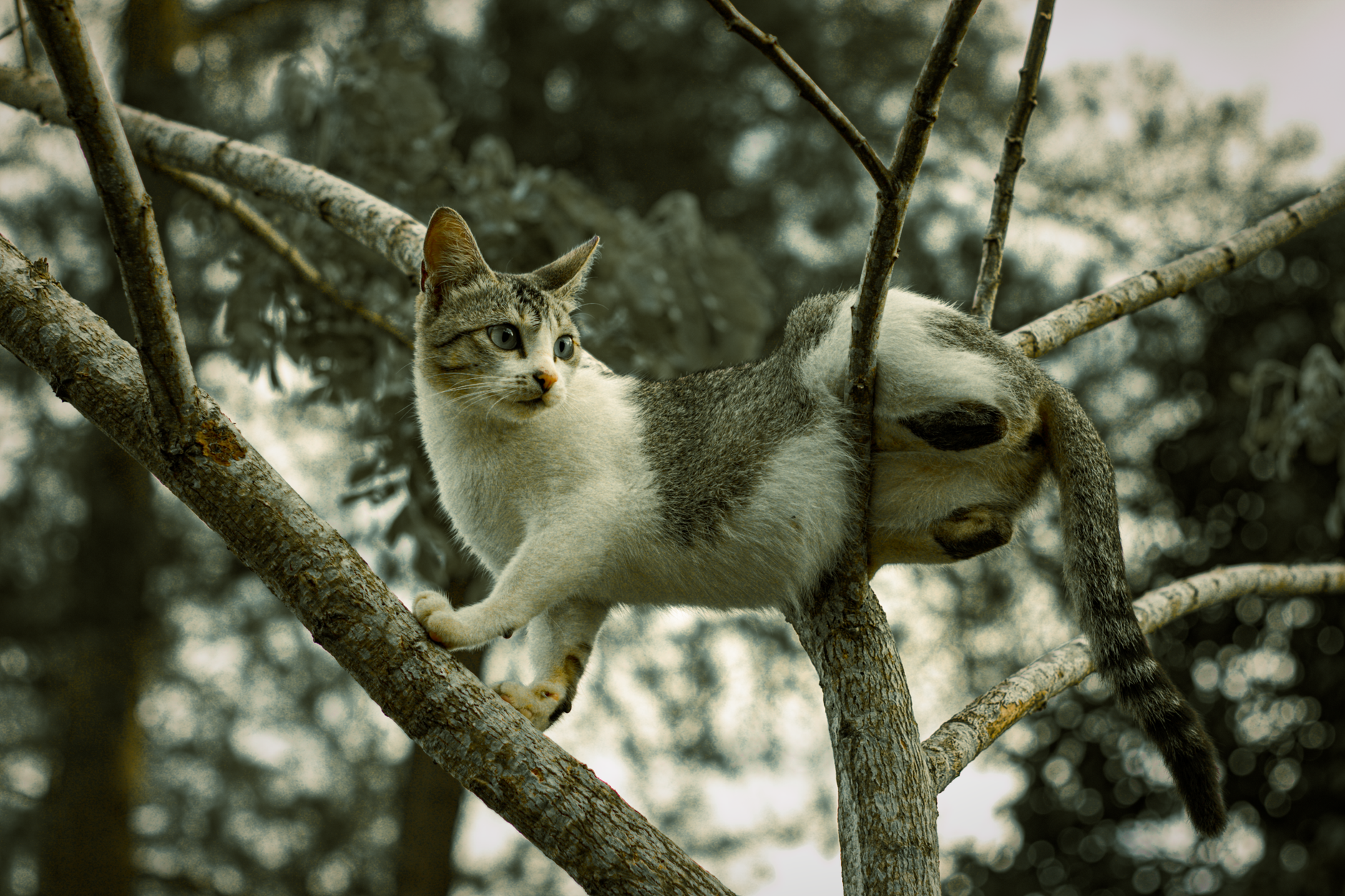
"Cat climbing" is not a recognized illness: climbing is usually normal feline behavior and environmental enrichment. A sudden change in climbing, balance, movement, or interaction can still signal pain, injury, or disease and needs veterinary attention. Safe care means providing stable climbing options, watching for warning signs, and separating ordinary climbing from emergencies. Outdoor cats that become stuck in trees may need a safe descent route and professional help.
Table of Contents
- Is cat climbing a medical problem?
- How can you make indoor climbing safer?
- What signs suggest pain rather than normal aging?
- When does climbing trouble become urgent?
- What should you do if a cat is stuck in a tree?
- Frequently Asked Questions
Is cat climbing a medical problem?
cats climb to move, explore, stretch, rest, observe, and avoid unwanted contact. The Feline Veterinary Medical Association describes climbing as part of meeting normal indoor-cat needs, not as a disease named "Cat Climbing." Its indoor-cat position statement also supports environmental opportunities for natural behavior. Cats may show few obvious signs of stress.
The AAFP/ISFM environmental-needs guidelines explain that unmet needs can contribute to abnormal or unwanted behavior, so climbing should not automatically be treated as pathological. The AAFP/ISFM guidelines support improving the environment before assuming the behavior itself is an illness. The important distinction is change. A cat that suddenly stops jumping, appears unsteady, hides, or behaves differently may have a problem that requires assessment.
How can you make indoor climbing safer?
Choose a cat tree, shelf, or scratching structure that cannot easily topple. It should be tall enough for the cat to stretch fully and placed where the cat can use it without landing on unstable objects. Match the setup to the cat's preferences.
Some cats prefer vertical scratching, while others prefer horizontal surfaces; placing an appropriate structure near furniture can help redirect climbing or scratching. Cornell's feline behavior guidance covers stable structures, full stretching, and matching the cat's preferred surface and orientation. Cornell's destructive-behavior guidance explains these practical adjustments. Check the climbing area regularly:.
- Secure tall structures so they do not wobble or tip.
- Keep landing areas clear of sharp edges and breakable objects.
- Offer more than one route when possible.
- Place resting areas where the cat can observe without being trapped.
- Reassess the setup if the cat's mobility or confidence changes.
What signs suggest pain rather than normal aging?
Reduced jumping, avoiding stairs, difficulty reaching the litter box, stiffness, altered gait, lethargy, and hiding can indicate joint pain or degenerative joint disease. These signs deserve attention, especially in older cats, rather than being dismissed as normal aging. A cat may still climb occasionally while experiencing pain. Compare current movement with the cat's usual behavior, including whether it hesitates before jumping, lands awkwardly, or chooses lower resting places.
Cornell's guidance on cats slowing down identifies these changes as possible indicators of pain or degenerative joint disease. Cornell's feline health guidance supports arranging veterinary evaluation when these patterns appear. Until the cat is assessed, make essential resources easier to reach. Avoid forcing exercise, and prevent access to high or difficult-to-descend places if movement looks painful.
When does climbing trouble become urgent?
Loss of balance, a head tilt, abnormal eye movements, inability to stand, rolling, an exaggerated gait, or head tremors can indicate ataxia, meaning poor coordination. Causes may involve the nervous system, inner ear, metabolism, toxins, or other conditions, so treatment depends on diagnosis. A noticeable gait or balance change, circling, flopping, altered responsiveness, or sudden interaction or litter-box changes warrants prompt veterinary evaluation.
VCA Animal Hospitals describes the possible causes and supportive safety measures for ataxia in cats. VCA's ataxia guidance advises blocking access to stairs and other hazards while care is arranged. Seek emergency veterinary care after a fall or climbing injury if the cat has: The ASPCA advises transporting an injured cat in a carrier or box, supporting the head, and avoiding neck twisting. The ASPCA emergency-care guidance provides these transport precautions.
- Seizures, breathing trouble, or unresponsiveness
- Bleeding, paralysis, or difficulty standing
- Pale gums or severe weakness
What should you do if a cat is stuck in a tree?
Outdoor tree climbing creates a different risk. A cat may climb upward safely but struggle to descend because curved claws make forward-facing descent difficult. Create a safe route down if you can do so without putting yourself or the cat at risk.
Do not climb dangerously after the cat or attempt a rescue that could cause a fall. Cats Protection advises contacting a tree surgeon if the cat remains stuck for more than 24 hours. Cats Protection's tree-climbing guidance explains why descent can be difficult and when professional help is appropriate.
Frequently Asked Questions
Should I stop my cat from climbing?
Not usually. Provide stable, appropriate climbing options and intervene when the structure, location, or the cat's physical condition creates a safety risk.
What if my cat suddenly avoids climbing?
Look for stiffness, altered gait, hiding, litter-box difficulty, or reluctance to jump, and arrange veterinary evaluation rather than assuming the cat is simply aging.
Can a cat stuck in a tree come down alone?
Sometimes, but create a safe route down and seek professional help if the cat remains stuck for more than 24 hours.