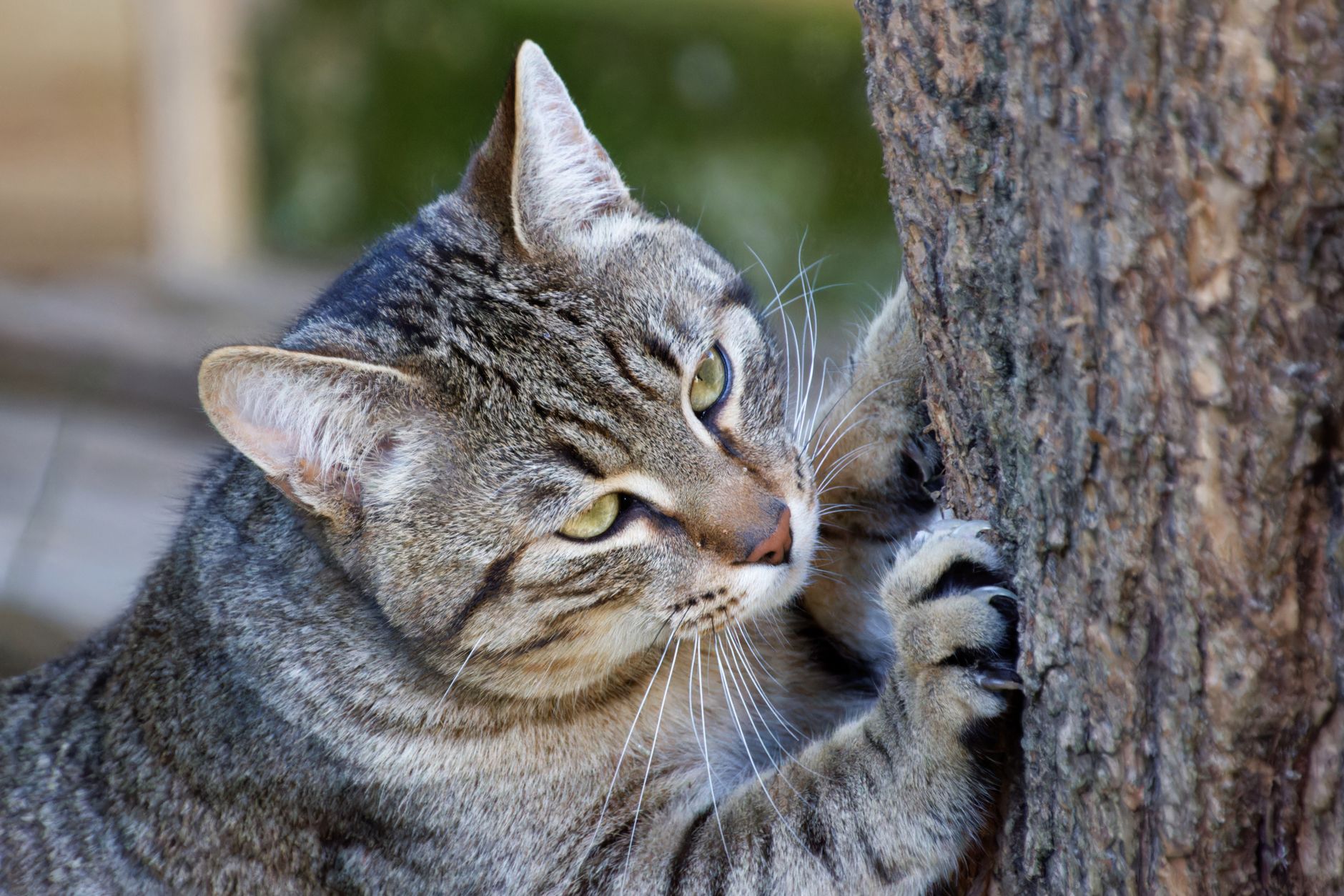
Cat scratch disease is a bacterial infection caused by Bartonella henselae, spread to people through a bite, scratch, or saliva contact with broken skin or the eyes, most often from kittens under one year old. Watching for the right signs after a scratch or bite, and knowing when a vet visit matters for your cat, keeps both of you out of trouble. Most infected cats never look sick, which is exactly what makes this disease easy to miss. Understanding how it spreads between fleas, cats, and people clarifies what's actually worth worrying about and what to do next.
Table of Contents
- How Cat Scratch Disease Spreads
- Symptoms in People After a Scratch or Bite
- Who Is Most at Risk, and How Common Is It
- When to See a Doctor After a Scratch or Bite
- When Your Cat Needs a Vet Visit
- Frequently Asked Questions
How Cat Scratch Disease Spreads
The bacteria don't jump straight from one cat to another or straight from a cat's mouth into the environment. Fleas drive transmission between cats: a flea bites an infected cat, ingests Bartonella from its blood, and sheds the bacteria in its droppings. Another cat picks up the infection through contact with that flea dirt, not through the flea bite itself.
People get infected the same indirect way, through contact with flea dirt on a cat's claws or fur that then enters a wound, or through a bite or scratch that breaks the skin, or through saliva reaching an open cut or the eyes. Outdoor cats without regular flea control carry the highest infection risk, since they encounter far more fleas than cats kept strictly indoors. Kittens under a year old are the most common source of human infections, likely because they scratch and bite more during play and are more likely to carry active flea infestations. A cat that has never had a flea problem is a much lower risk to the people around it.
Symptoms in People After a Scratch or Bite
Symptoms typically begin 3 to 14 days after exposure. The wound itself changes first: it starts red and sore, develops into a blister-like lesion, then breaks open, dries out, and heals over roughly one to three weeks. The hallmark sign comes later.
A swollen, tender lymph node near the wound — commonly in the head, neck, or arm, depending on where the scratch happened — appears one to four weeks after the injury. It's often accompanied by a low-grade fever, fatigue, headache, and reduced appetite. In most healthy people, these symptoms resolve on their own. Recovery typically takes about two to four months without treatment, though a doctor may prescribe antibiotics for cases that are severe, drag on longer than expected, involve a very painful lymph node, or occur in someone with a weakened immune system.
Who Is Most at Risk, and How Common Is It
A CDC-funded study estimated that about 12,000 Americans are diagnosed with cat scratch disease each year, with roughly 500 hospitalized. Children between ages 5 and 9 are diagnosed at the highest rates, and cases cluster in southern and south-central states. Serious complications are uncommon and show up mainly in people with compromised immune systems.
Parinaud's oculoglandular syndrome, an eye infection, and bacillary angiomatosis, a systemic vascular illness, are the two documented severe outcomes, and both are rare outside that higher-risk group. For the vast majority of otherwise healthy adults and children, the disease runs its course as a sore wound and a swollen lymph node, nothing more. The risk calculus changes meaningfully for anyone immunocompromised, which is why that group warrants closer medical follow-up after any cat scratch or bite.
When to See a Doctor After a Scratch or Bite
See a doctor if a wound shows worsening redness or swelling, or if a fever develops. Those signs can mean the infection is progressing beyond a typical healing course. Cat bites deserve a lower threshold: they should always be evaluated by a provider, even when the wound looks minor, because a cat's narrow, sharp teeth can push bacteria deep into tissue in a way that isn't visible from the surface.
Immediate first aid matters regardless of how the wound looks. CDC medical officer Dr. Christina Nelson has advised washing hands and cleaning any bite or scratch with soap and water right away, which reduces the chance bacteria take hold before symptoms ever start.
- Clean any scratch or bite with soap and water immediately
- Watch the wound for one to three weeks as it blisters, breaks open, and heals
- Check for a swollen, tender lymph node appearing one to four weeks later
- See a provider promptly for a cat bite of any size, or for worsening redness, swelling, or fever
When Your Cat Needs a Vet Visit
Most cats carrying Bartonella show no symptoms at all, so a healthy-looking cat isn't necessarily an infection risk by itself. A cat that does show signs of illness needs prompt veterinary evaluation, since outward symptoms in cats can point to this infection or something else needing attention.
Because fleas are the actual transmission route between cats — and the route that puts people at risk — flea control is the most effective thing an owner can do. Dr. Nelson's guidance to talk with a veterinarian about keeping cats flea-free applies to every cat, indoor or outdoor, since a single flea carried in on clothing or another pet is enough to start the cycle.
Frequently Asked Questions
Can a cat scratch disease spread without visible fleas on the cat?
Yes. Transmission depends on flea dirt reaching a wound, not a live flea bite, so a cat can carry the risk without an obvious infestation.
Does every cat scratch or bite need antibiotics?
No. Most healthy people recover within two to four months without treatment; antibiotics are reserved for severe, prolonged, or immunocompromised cases.