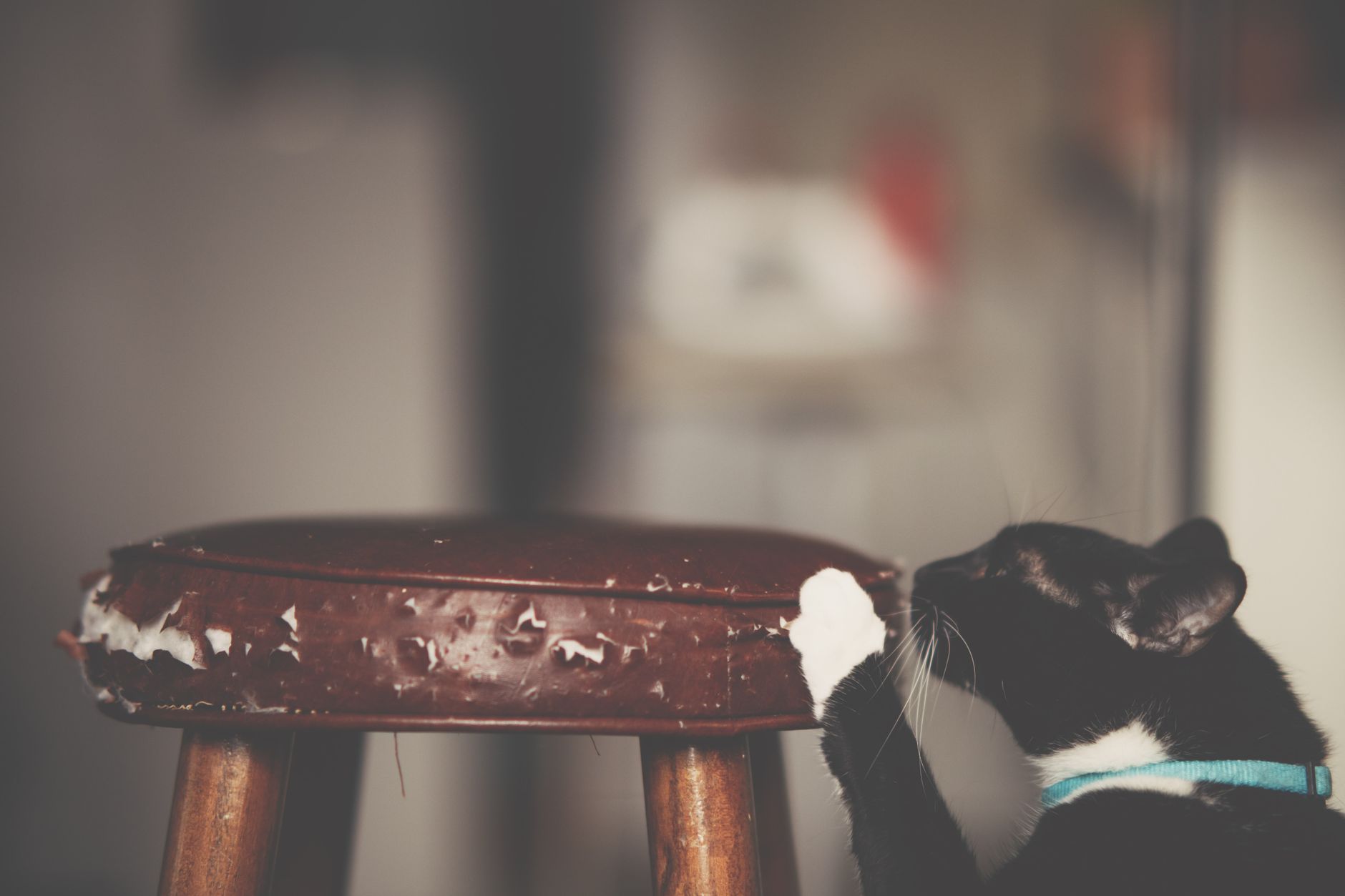
Cats scratch or bite during petting mainly because of overstimulation — the touch feels good at first, then tips into too much sensory input. Once a cat crosses that threshold, the same hand motion that was welcome a moment earlier reads as something to push away. Veterinary and shelter behavior sources call this petting-induced aggression, and it is common enough that it has a name rather than being a sign of a "bad" cat. The reaction has warning signs that show up before the scratch or bite, and recognizing them is the real fix.
Table of Contents
- The warning signs that come before the scratch
- Why overstimulation happens in the first place
- What to do when you see the signs
- Teaching a cat to tolerate more petting
- When the behavior is new or sudden
- Frequently Asked Questions
The warning signs that come before the scratch
The ASPCA lists a specific sequence of body-language cues that appear before a cat scratches or bites during petting: a head turn toward the petting hand, a tensing body, ears that pin flat or swivel, a tail that twitches or thumps, restlessness, and dilated pupils, according to the ASPCA's guide to overstimulation and petting-induced aggression. Cornell's Feline Health Center names similar pre-bite signals — dilated pupils, a lashing tail, and ears pinned backward — in its overview of feline aggression. The BC SPCA adds a few more cues to watch for: flattened ears, tail twitching, skin rippling along the back, and low growling, noting that stopping contact at the very first of these signs keeps the cat below the point where it reacts, per the BC SPCA's veterinary advice on cat petting aggression.
These signs tend to appear in order, starting subtly, so a cat rarely scratches "out of nowhere" — it usually gives notice first. Learning to read these cues in your own cat matters more than following a generic rule, since some cats show the signs faster or more obviously than others. A tensing body or a single ear flick is often the last clear chance to stop before things escalate.
Why overstimulation happens in the first place
Cornell's Feline Health Center says the exact mechanism behind petting-induced aggression isn't fully understood, but the leading explanations point to sensory overstimulation and the cat's own effort to control when the contact ends, per Cornell's feline behavior resource. The same reaction can show up during other hands-on moments too — grooming, bathing, or nail trims — which suggests it's about repeated touch crossing a threshold rather than something specific to petting alone.
The Humane Society for Hamilton County describes it as something close to a reflex: once a cat's sensitivity threshold is reached, the reaction fires almost automatically, similar to a pain response, according to its explanation of petting-induced and overstimulation aggression. That framing helps explain why a cat can seem to enjoy petting for a minute or two and then abruptly want it to stop — the nervous system has simply reached its limit for that session.
What to do when you see the signs
Stop petting the instant you notice any warning sign, rather than waiting to see if the cat follows through on it. The ASPCA advises this directly, warning that continuing typically escalates to hissing, growling, scratching, or biting, per its overstimulation guidance. VCA Animal Hospitals gives the same advice, recommending that owners end the interaction immediately when ears pin, the body tenses, or the tail flicks — offering a treat or quietly stepping away instead of pushing through, according to VCA's page on cat aggression.
What not to do matters just as much. Shelter sources agree that punishing or physically restraining a cat for scratching or biting during petting backfires, making the cat less tolerant of handling going forward, per Pasadena Humane's overview of petting-induced aggression. The response that works is the opposite of a correction: back off, let the cat reset, and try again later rather than holding on through the reaction.
- Watch for: head turning toward your hand, body tensing, ears pinning or swiveling, tail twitching or thumping, dilated pupils, restlessness, skin rippling along the back, low growling.
- When you see one: stop petting immediately and let the cat move away if it wants to.
- Never: hold the cat in place, raise your voice, or tap/swat it as a correction.
Teaching a cat to tolerate more petting
Cornell recommends avoiding unsolicited handling — letting the cat initiate contact rather than reaching for it — and rewarding brief, calm petting sessions with a treat, then gradually lengthening the sessions over time, according to Cornell's Feline Health Center. The goal is to build up tolerance gradually rather than testing the cat's limit every time.
In practice, that means keeping early sessions short enough that they end before any warning sign appears, so the cat associates petting with a consistently good outcome. Over repeated sessions, most cats can handle longer stretches of contact, though the ceiling varies by individual cat and rarely disappears completely.
When the behavior is new or sudden
A cat that has always tolerated petting and then starts reacting to it is a different situation from a cat that has always had a low threshold. Sources agree that a new or sudden onset of this behavior in a previously tolerant cat warrants a veterinary exam to rule out pain, since the Humane Society for Hamilton County notes that touch sensitivity from conditions like arthritis can mimic or add to overstimulation-driven aggression, per its guidance on petting-induced aggression.
Painful conditions in the neck, back, or hips, along with dental disease or ear infections, can make a cat react aggressively to touch in areas that wouldn't normally bother it, according to the same source. If a cat suddenly flinches or reacts sharply when touched in one specific spot — rather than showing the gradual overstimulation sequence of tensing, ear movement, and tail signals — that pattern is worth mentioning to a veterinarian rather than treating as ordinary overstimulation.
Frequently Asked Questions
Is petting-induced aggression a sign my cat doesn't like me?
No — it's typically a sensory overstimulation response, not a reflection of the cat's bond with its owner, per Cornell's Feline Health Center.
Which body part usually shows the first warning sign?
The tail and ears tend to move first — twitching, thumping, or pinning — often before the body visibly tenses, per the ASPCA and BC SPCA.
Does petting-induced aggression mean the same thing as redirected aggression?
No — VCA Animal Hospitals treats them as related but distinct categories, and this response is specifically tied to the physical act of petting itself.