Yes, diabetes usually changes a cat's litter box habits. Cats pee in larger amounts and make more trips to the box.
Diabetes mellitus means lasting high blood sugar in cats. When sugar exceeds what the kidneys can reabsorb, it spills into urine and pulls extra water with it. That extra water raises urine volume and triggers strong thirst, according to VCA Animal Hospitals in its VCA overview of diabetes in cats.
Table of Contents
- Why do thirst and urination rise together?
- What will you notice in the litter box?
- Why do some diabetic cats strain or avoid the box?
- Can litter-box changes alone diagnose diabetes?
Why do thirst and urination rise together?
More sugar in the urine means more water leaves the body. The cat then drinks more to replace lost fluid. This cycle causes increased urination with compensatory excessive thirst.
Cornell University lists increased thirst and urination plus weight loss despite good appetite as the two most common at-home signs noticed by owners, described in its Cornell guide to feline diabetes. These changes can start slowly. Owners may not connect them to illness at first.
What will you notice in the litter box?
Owners often detect the change during daily scooping. Clumping litter forms bigger clumps, loose litter feels heavier and wetter, and boxes need emptying more often, according to PetMD in its PetMD guide to diabetes in cats.
Some cats also urinate outside the box. PetMD reports that high urine volume can create urgency and leave the cat unable to reach the box in time.
- More trips to the box each day
- Larger clumps in clumping litter
- Heavier, wetter litter overall
- More frequent scooping and full changes
Why do some diabetic cats strain or avoid the box?
Chronic high glucose raises the risk of urinary-tract and other recurrent infections. Sugar-rich urine supports bacterial growth. That infection can cause straining, discomfort, and box avoidance, according to Texas A&M veterinary experts in their Texas A&M pet talk on feline diabetes.
Early drinking and urination changes are easy to overlook. Texas A&M experts report that owners often notice the problem only after accidents outside the box or when bowls need frequent refills and boxes need frequent cleaning. A cat that cries, strains, passes small amounts, or suddenly avoids a clean box needs prompt veterinary attention.
Can litter-box changes alone diagnose diabetes?
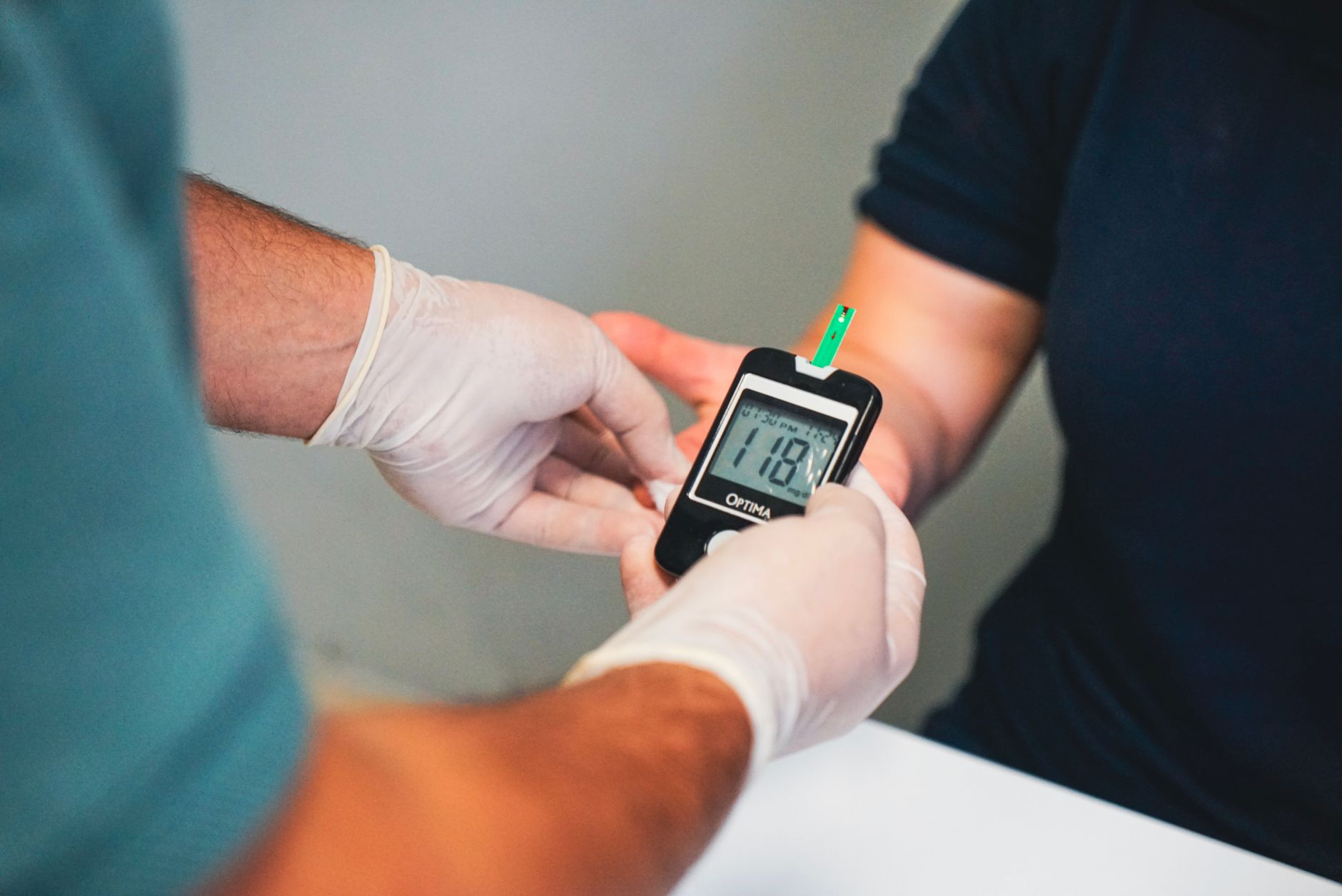
No. Increased thirst, urination, and out-of-box accidents also occur with kidney disease, hyperthyroidism, urinary infection, stress, and arthritis. Cornell University and VCA Animal Hospitals stress that litter-box signs cannot diagnose diabetes by themselves.
A vet must test blood and urine glucose and rule out look-alike conditions. Track what you see for a few days: trip frequency, clump size, water intake, appetite, weight, and any accidents or straining. Bring those notes and ask promptly about glucose testing.