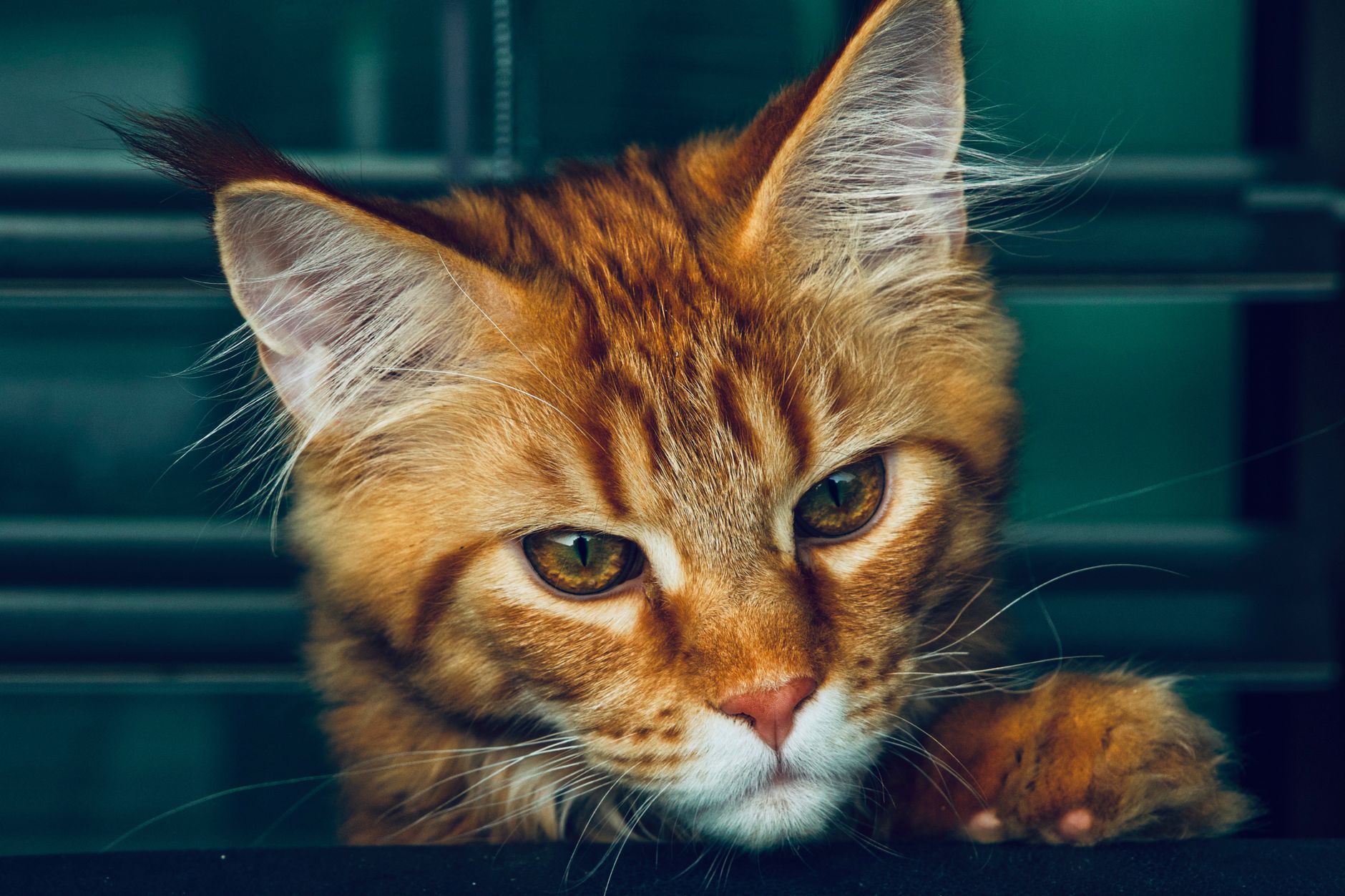
No, the Maine Coon is not a high-risk breed for cat diabetes. Research places this large pedigree cat at low to average risk. Feline diabetes means the body cannot control blood sugar well. For owners, breed matters far less than weight, age, and daily habits.
Table of Contents
- What do studies say about Maine Coons?
- Which breeds have higher diabetes risk?
- What actually drives diabetes risk?
- How can owners keep risk low?
What do studies say about Maine Coons?
Swedish insurance data for 2011-2016 found Maine Coons at significantly lower risk of endocrine disorders. Veterinary Record reports the pattern in the Swedish morbidity study. U.S. hospital data also shows no excess risk. In veterinary teaching hospitals, Maine Coons had 11 diabetes cases versus 9 controls.
The Journal of Feline Medicine and Surgery study found an odds ratio of 1.18, with wide confidence limits and p equals 0.72, as archived in the U.S. hospital study. One research group called the Maine Coon medium risk rather than low risk. That label still sits well below high risk. The overall picture is low to average.
Which breeds have higher diabetes risk?
Burmese cats carry the clearest excess risk across studies. Russian Blue cats also appear as a higher-risk breed in newer work. Cornell notes that higher Burmese risk appears in some countries but may not hold in the United States.
Breed risk varies by place, testing, and population, according to the Cornell feline diabetes guide. That country difference matters for Maine Coon owners. A high-risk label from one country does not transfer directly. Local weight and care patterns shape risk more.
What actually drives diabetes risk?
The strongest risks are extra weight, older age, and male sex. Cats over 7 years face higher risk, especially males and neutered cats. Obesity has the largest practical effect.
It can cut insulin sensitivity up to fourfold, as described in the ISFM consensus guidelines. A big-framed Maine Coon can hide extra fat. Ribs should feel easy under a light fat cover. A rounded belly or lost waist signals excess weight.
How can owners keep risk low?
Focus on lean weight and active days rather than breed alone. Food amount, treats, and play shape risk every week.
Bring a weight log to each checkup. Ask your vet for a target weight and recheck it yearly.
- Weigh food and limit treats to a small daily share.
- Offer short play sessions each day with chasing and climbing.
- Recheck body shape monthly and weight every few months.
- Ask the vet for a target weight after age 7.