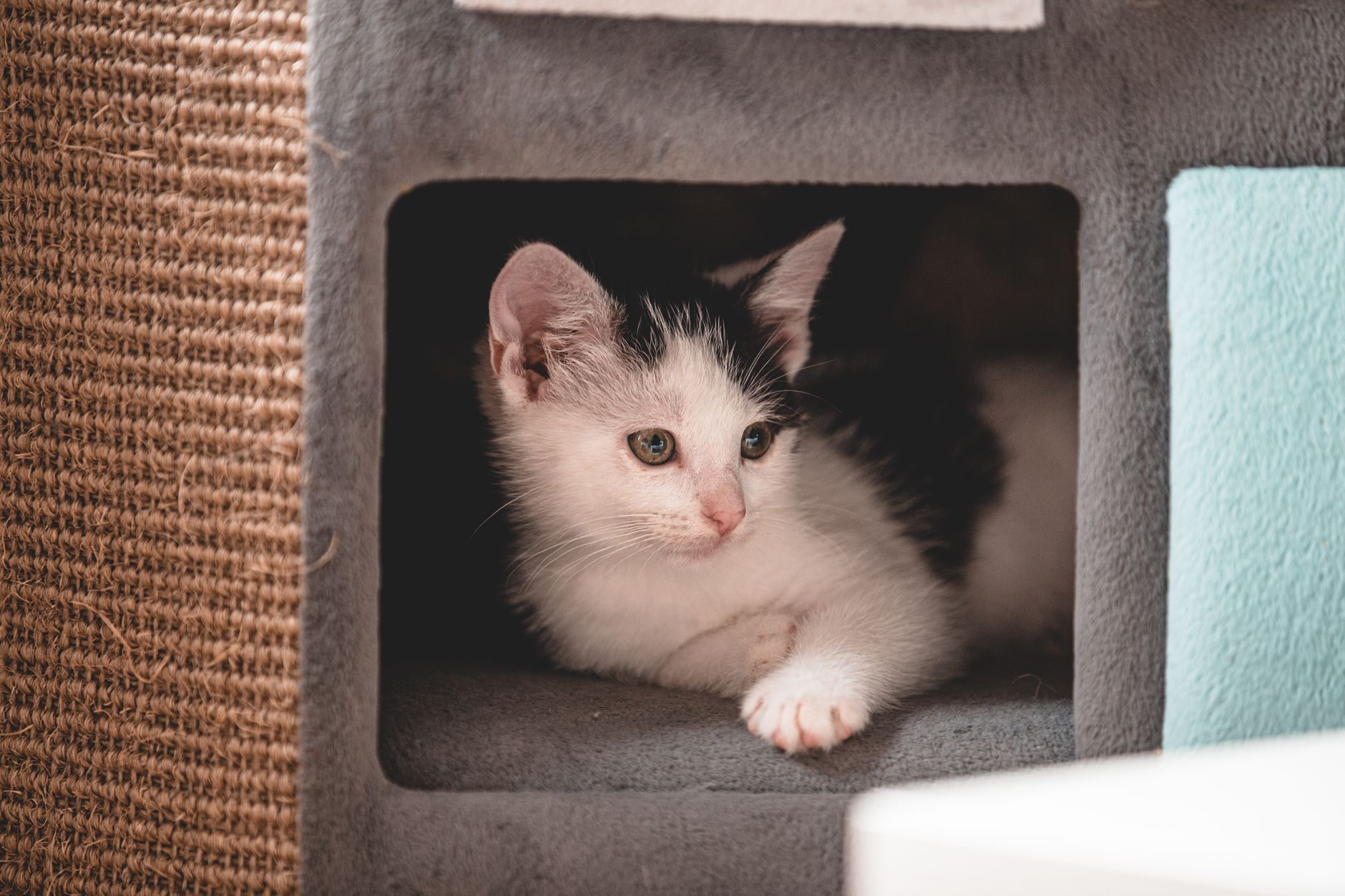
No, regular bathing is not necessary or safe for most domestic cats. Cats are self-grooming animals with natural oils in their coats that protect their skin and provide waterproofing and insulation. Bathing disrupts this delicate balance and can strip away these protective oils, leading to dry, irritated skin and potential infections.
A healthy indoor cat bathed once every four to six weeks—or even less frequently—will develop a dull, flaky coat, not a clean one. Most cats don’t need baths at all unless they’ve gotten into something toxic, have a medical condition, or are showing signs of parasites or excessive dirt accumulation. A cat that spends all day indoors and grooms itself daily doesn’t require human intervention through water. Even outdoor cats who occasionally get muddy manage their own hygiene without developing health problems from their natural exposure.
Table of Contents
- How Often Should Cats Actually Be Bathed?
- Potential Risks of Frequent Cat Bathing
- When Bathing Your Cat Becomes Necessary
- Techniques and Methods for Safe Cat Bathing
- Skin and Coat Problems from Over-Bathing
- Age and Health Considerations
- Post-Bath Care and Recovery
- Frequently Asked Questions
How Often Should Cats Actually Be Bathed?
The ideal bathing frequency for cats is once every four to six weeks at most, and many veterinarians recommend bathing only when medically necessary or when the cat is visibly soiled. Indoor cats may go their entire lives without a bath and remain perfectly healthy. Kittens and senior cats have more delicate skin and are more susceptible to temperature changes and stress from bathing, so they require even less frequent washing if bathed at all.
Outdoor and semi-outdoor cats accumulate more dirt and may benefit from an occasional bath—perhaps two to three times per year during warmer months. However, many outdoor cat owners find that a simple rinse with a hose is sufficient to remove surface dirt without the stress of a full bath. The key distinction is between a cat that needs cleaning due to external contamination versus a cat being bathed simply because an owner thinks it should happen regularly.
Potential Risks of Frequent Cat Bathing
Regular or frequent bathing poses several documented health risks to cats. The repetitive removal of natural oils can lead to xerosis—abnormally dry skin that becomes flaky, itchy, and prone to secondary bacterial infections. This is especially problematic for cats with pre-existing skin conditions like dermatitis or allergies, which can worsen significantly after bathing.
Additionally, cats are highly sensitive to water temperature changes and the stress of being submerged or sprayed, which can trigger behavioral problems like litter box avoidance or increased aggression. Some cats develop what’s called “water phobia” after traumatic bathing experiences, making future veterinary visits or necessary medical baths much more difficult. The risk of water entering the ear canal is another concern, as cats’ ear structures make it difficult for water to drain completely, potentially leading to otitis externa (ear infections). For cats with respiratory sensitivities or asthma, the stress and potential inhalation of water vapor during bathing can trigger breathing difficulties or asthma attacks.
When Bathing Your Cat Becomes Necessary
There are legitimate situations where bathing a cat becomes appropriate or required. If a cat has gotten into a toxic substance, motor oil, or something caustic that could poison them through grooming or skin absorption, immediate bathing with lukewarm water and mild dish soap is necessary before calling a veterinarian. Cats with severe flea or mite infestations may require medicated baths as part of a treatment protocol, though most modern flea treatments are topical and don’t require water-based bathing.
Medical conditions like ringworm (a fungal infection, not a worm) may require antifungal medicated baths prescribed by a veterinarian. Senior cats with mobility issues who cannot groom themselves effectively, or cats recovering from surgery or illness, may benefit from gentle spot-cleaning or a full bath to maintain hygiene. A cat with long, matted fur that has become impacted close to the skin sometimes needs professional grooming or bathing to remove the mats and prevent skin infections underneath.
Techniques and Methods for Safe Cat Bathing
When bathing is necessary, proper technique dramatically reduces stress and risk. Using lukewarm water (around 100-102°F, the cat’s normal body temperature) is essential, as water that feels too hot or cold will cause distress and potential shock. Many cats tolerate bathing better when water is applied gently with a cup or soft spray rather than a pressurized showerhead; the surprise and force of a shower spray can trigger panic and defensive behavior.
Some cats tolerate waterless shampoos or dry shampoos better than water baths. These products absorb oils and dirt without the stress of immersion and are particularly useful for senior cats, very young kittens, or cats with anxiety around water. A damp washcloth used to spot-clean specific areas can also be effective without requiring a full-body bath. For cats that must be bathed, having a second person available to gently support and reassure the cat makes the experience less traumatic than attempting it alone.
Skin and Coat Problems from Over-Bathing
Cats bathed more than once monthly typically develop noticeable coat and skin deterioration. The most common problem is seborrhea sicca—dry, flaky skin with a dull, brittle coat that loses its natural sheen and water-resistant qualities. Over-bathing can also disrupt the skin’s pH balance and the microbiome of beneficial bacteria and fungi that protect against pathogenic infection.
This disruption can lead to secondary yeast infections or bacterial folliculitis, where the hair follicles themselves become inflamed and infected. Some cats develop contact dermatitis or allergic reactions not to the water itself but to shampoo residue that isn’t thoroughly rinsed. Even small amounts of shampoo left in the coat can irritate sensitive skin and cause excessive grooming, leading to overgrooming alopecia (hair loss from obsessive licking). This creates a cycle where the cat’s coat looks worse, the owner bathes it more frequently to try to improve appearance, and the problem worsens with each washing.
Age and Health Considerations
Kittens younger than eight weeks should never be fully submerged in water, as they cannot regulate their body temperature effectively and risk hypothermia. Senior cats over twelve years old have thinner, more fragile skin and are more prone to stress-related complications from bathing. Cats with chronic kidney disease, diabetes, or cardiovascular conditions may experience dangerous blood pressure fluctuations or stress-induced complications from the physical exertion and anxiety of bathing.
Diabetic cats are particularly at risk, as the stress hormone release from bathing can cause blood sugar spikes and complicate diabetes management. Cats with hyperthyroidism may experience dangerous increases in heart rate during bathing. A veterinarian should be consulted before bathing any senior cat or cat with a diagnosed medical condition to determine whether bathing is appropriate or if alternative grooming methods would be safer.
Post-Bath Care and Recovery
After bathing, immediate drying is critical to prevent the cat from becoming chilled or developing hypothermia. Cats should be wrapped in a pre-warmed towel and dried thoroughly, with special attention to the ears, paws, and underbelly where moisture accumulates. A bathed cat may experience behavioral changes for hours after bathing—increased grooming, restlessness, or withdrawal—as it recovers from the stress and works to re-establish its normal coat condition.
Some cats will frantically groom themselves after bathing to redistribute natural oils and restore their scent profile, which is a normal and necessary part of their recovery process. During this time, the cat may refuse food or water for several hours, which is typically not concerning but should be monitored. If a cat shows signs of distress, difficulty breathing, or doesn’t return to normal behavior within 12 hours, veterinary attention is warranted.
- —
Frequently Asked Questions
Can I use dry shampoo on my cat instead of water baths?
Yes, waterless or dry shampoos designed for cats are a safe alternative and often better tolerated. They absorb oils and dirt without the stress of water or the risk of ear canal infection.
What if my cat’s fur is matted and thick—doesn’t it need bathing?
Matted fur should be addressed, but professional grooming with careful brushing and mat removal is preferable to bathing, which can make mats tighter against the skin and cause discomfort.
Is it safe to bathe a kitten?
Kittens under eight weeks should not be fully submerged. Older kittens can tolerate brief, gentle bathing if necessary, but most don’t need baths and are better served by spot-cleaning if needed.
My cat has fleas—do I need to bathe it?
Most modern flea treatments are topical and don’t require water bathing. Talk to your veterinarian about prescription flea control options that avoid the stress of bathing.
How can I tell if my cat’s coat is suffering from over-bathing?
Signs include flaky, dry skin; dull, brittle fur; excessive grooming or scratching; or a musty odor despite being freshly bathed. These indicate the natural oil balance has been disrupted.
Should I ever bathe an outdoor cat?
Outdoor cats rarely need bathing. If necessary for contamination, a gentle rinse with lukewarm water is usually sufficient. Most outdoor cats manage their hygiene naturally. —