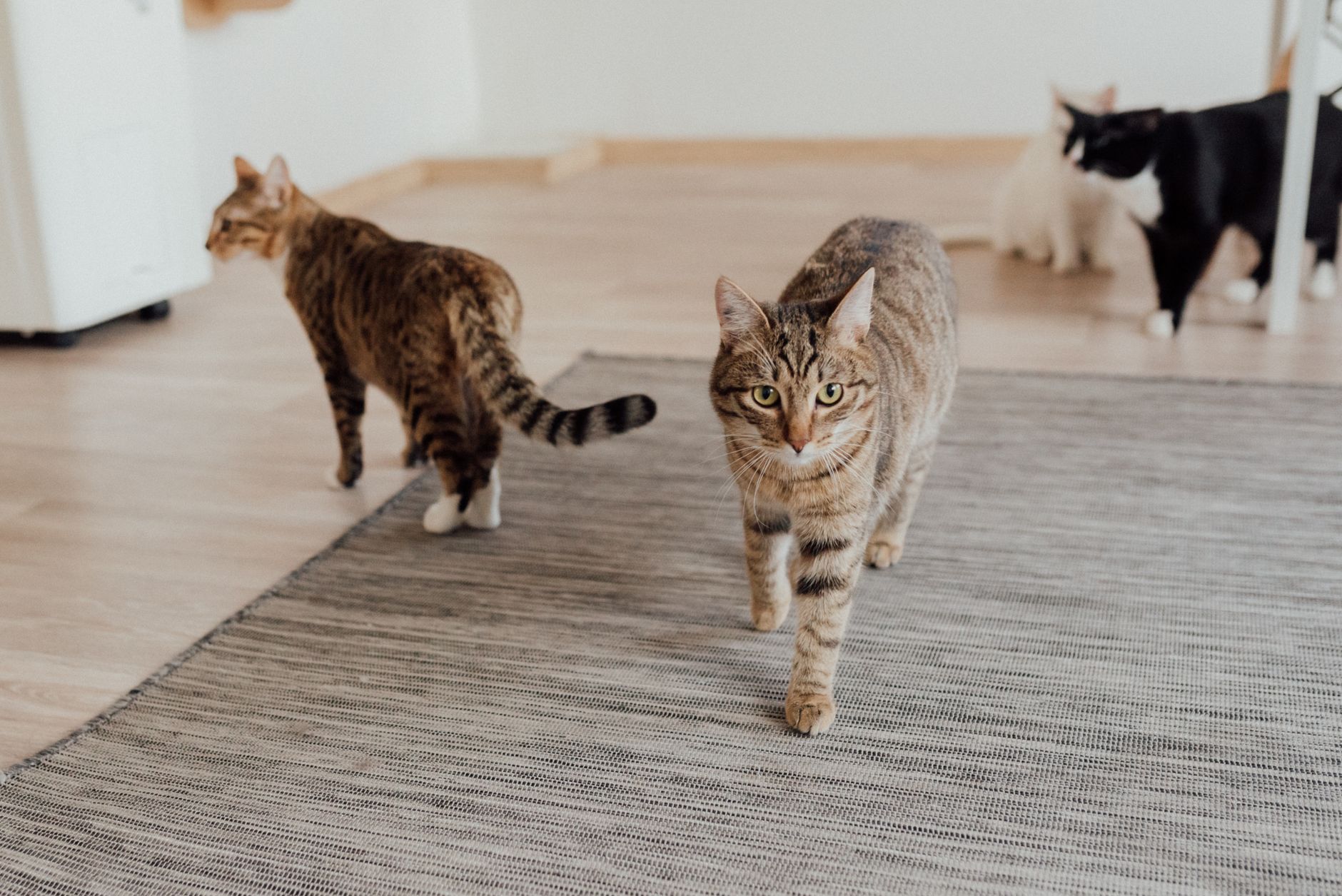
Traditional discipline methods—yelling, swatting, or physical punishment—are not safe or effective for cats and often backfire by damaging your relationship with them. Cats don’t respond to punishment the way dogs do; they lack the pack hierarchy instinct and emotional processing that allows canines to connect a correction with their behavior. When a cat hears a loud voice or feels a swat, they typically don’t understand it as a consequence of their action. Instead, they learn to fear or avoid you, which can trigger stress-related behaviors like house soiling, aggression, or destructive scratching escalation.
The safe approach to managing cat behavior involves redirection, environmental modification, and positive reinforcement rather than punishment. If your cat scratches your furniture, the effective solution isn’t to punish them when caught in the act—it’s to provide scratching posts in preferred locations, use deterrent sprays on furniture, and reward them with treats and play when they use appropriate surfaces. A cat that knocks items off counters doesn’t understand they’re being “bad”; they’re testing physics and exploring their environment, which is normal feline behavior. Understanding this distinction separates outdated pet care advice from what modern feline behaviorists and veterinarians actually recommend. The goal isn’t to punish your cat into obedience—it’s to manage their environment and motivate the behaviors you want to see.
Table of Contents
- Why Standard Discipline Doesn’t Work for Cats
- The Stress Response and Long-Term Behavioral Damage
- Positive Reinforcement and Environmental Management
- Redirecting Problem Behaviors in Real Time
- The Specific Problem With Aversive Techniques
- Building Trust While Setting Boundaries
- When to Consult a Behaviorist
- Frequently Asked Questions
Why Standard Discipline Doesn’t Work for Cats
cats evolved as solitary hunters, not social pack animals, which fundamentally changes how they process correction. Dogs have a social hierarchy and can interpret a correction within that structure. Cats, by contrast, are independent operators who don’t experience guilt or shame in the way humans assume. Research on cat behavior shows that when cats hear yelling or experience a sudden swat, they don’t think “I shouldn’t have knocked over that glass”—they think “that person is unpredictable and scary, so I’ll avoid them or act out more when they’re not around.” This misunderstanding leads to a vicious cycle.
A cat scratches the couch, the owner swats them and yells, and the cat learns that the owner is dangerous. The cat may then avoid the owner, urinate outside the litter box due to stress, or scratch the couch more intensely when the owner isn’t home. Studies on cat behavior modification show that cats trained with punishment methods show higher stress markers—elevated cortisol levels, increased aggression, and more behavioral problems overall—compared to cats managed through environmental changes and positive reward systems. Punishment also damages the trust that makes you effective at managing your cat’s behavior in the future. A cat that fears you is harder to handle at the veterinarian, more likely to hide and refuse care, and less likely to respond when you try to redirect them toward appropriate behaviors.
The Stress Response and Long-Term Behavioral Damage
Punishment creates chronic stress in cats, which has measurable health consequences. When a cat is repeatedly startled, yelled at, or swatted, their nervous system stays in a heightened state of alert. This stress triggers the release of cortisol, which suppresses immune function, worsens inflammatory conditions like urinary disease and digestive issues, and can even accelerate the progression of existing health problems. A cat living under the threat of sudden punishment is essentially living in a state of low-grade terror. One clear limitation of punishment-based approaches: the effects are unpredictable and often make the original problem worse.
A cat that gets swatted for biting during play may stop biting, but they may also become hand-shy and refuse to play altogether—or they may bite harder and more frequently when the owner isn’t paying attention. A cat that’s punished for jumping on the counter will learn to wait until you leave the room, not to stop counter-jumping. This is why punishment feels like it’s “working” in the moment but the behavior returns or escalates. The stress response also manifests in inappropriate elimination (urinating or defecating outside the litter box), overgrooming, excessive vocalization, and aggression toward other pets or people in the home. These secondary behavioral problems are often attributed to the cat being “difficult” or “vindictive,” when in reality they’re a direct result of the punishment-based management strategy.
Positive Reinforcement and Environmental Management
The evidence-based alternative to punishment is environmental modification combined with positive reinforcement. This means removing the opportunity for the unwanted behavior and rewarding the behavior you want instead. If your cat is a counter surfer, you don’t punish them for jumping up; you make the counter less interesting (clear surfaces, put food away) and provide an elevated cat tree or window perch that’s more rewarding than the counter. When you catch your cat using the cat tree, you reward with treats, play, or affection. A specific example: cats that scratch furniture are often doing so because the texture of the couch is satisfying and the spot is central to their territory.
Installing a vertical scratching post directly next to the couch—or placing multiple scratching options (carpet, sisal, cardboard) around the home—gives the cat an alternative that meets the same need. Adding catnip or silvervine to the posts and rewarding the cat for using them creates positive association. This approach works because it aligns with what the cat naturally wants to do, rather than fighting against their instincts. The advantage of this method is that it actually prevents the behavior rather than just suppressing it. Your cat isn’t holding back out of fear; they’re genuinely more interested in the scratching post than the couch. This is a stable, long-term solution that relies on the cat’s own motivation rather than your constant supervision or enforcement.
Redirecting Problem Behaviors in Real Time
When you catch your cat mid-behavior—say, starting to chew a phone charger or bat at your face during petting—the immediate response should be calm redirection, not punishment. The effective technique is to quietly remove the cat from the situation or offer an alternative, then reward them for engaging with something appropriate. If your cat is chewing on a plant, gently move them away and offer a toy or chew treat instead. Redirecting requires patience and consistency, which is a tradeoff: it takes more effort in the moment than a quick swat, but it actually teaches your cat what you want rather than just what you don’t want. A cat doesn’t inherently know that human fingers aren’t appropriate play toys; they learn this through repeated, calm redirection.
Every time you move their mouth away from your hand and offer a toy, and then praise them for pouncing on the toy, you’re building the behavior you want. The timing is also critical. Redirection only works if you catch the behavior early. If your cat has already knocked the plant over and is halfway across the room, punishing them now will just confuse them—they won’t connect the punishment to the original action. This is another reason environmental management is so important: remove temptation so you don’t have to constantly monitor and redirect.
The Specific Problem With Aversive Techniques
Some people recommend aversive techniques like motion-activated air sprays, noise-makers, or putting the cat in a closed bathroom as “punishment.” While these are technically less harsh than physical punishment, they carry significant downsides. A cat startled by an air spray learns that the furniture area is scary, but they may also become anxious whenever they hear unexpected noises. Some cats develop bathroom anxiety if they’ve been shut in a room as a “time-out” following undesired behavior. The critical warning here is that aversive techniques can work temporarily but often create new behavioral problems.
A cat that’s been scared away from scratching the couch might start urinating near the couch to mark it, or they might redirect their scratching anxiety to a different, more hidden location. You’ve changed the location of the problem, not solved it. Studies comparing aversive techniques to positive reinforcement show that positive methods result in fewer overall behavioral issues and lower stress indicators. Additionally, aversive techniques require you to be present or have devices running to be effective—the moment you stop, or the cat figures out the device’s pattern, the behavior often returns.
Building Trust While Setting Boundaries
The paradox of cat management is that you have to set clear boundaries while also protecting the relationship. Cats do better with structure and predictability, but that structure should come from consistent environmental rules, not from fear of punishment. A cat that knows “the couch has a deterrent spray and that hurts my paws” learns differently than a cat that knows “the owner might suddenly swat me if I get on the couch.” One practical technique that balances structure with safety is the “no reward marker” or redirect moment.
When your cat starts an unwanted behavior, you can use a calm, neutral marker word (“nope”) without any aggression or physical contact, then immediately redirect. This gives the cat information (this choice isn’t working out) while maintaining your calm presence and offering a better option. Over time, the cat learns to anticipate the redirect and chooses the appropriate behavior on their own.
When to Consult a Behaviorist
If your cat’s behavior is severe—aggression toward people, constant elimination outside the litter box, or extreme fear responses—professional help from a certified animal behaviorist is necessary. These specialists can diagnose underlying issues like medical problems (urinary disease, pain, neurological issues) or trauma that might be driving the behavior.
A behaviorist can also help you understand whether your cat’s behavior is stress-related, boredom-related, or medical in nature, and design a management plan tailored to your specific situation. A key limitation of owner-led behavior modification is that serious issues often require professional assessment. What looks like a behavioral problem might be a medical issue, and punishing a cat for a symptom of illness will only make things worse.
Frequently Asked Questions
Is it ever okay to lightly swat a cat to discourage a behavior?
No. Even a light swat teaches the cat to fear you rather than changing their behavior. Cats don’t understand cause and effect in the way that makes punishment effective. Every swat increases stress and erodes trust. Redirection and environmental management are always more effective.
What’s the difference between discipline and training for cats?
Discipline is punishment-based and tries to stop bad behavior through fear. Training is reward-based and teaches the cat what you want through positive reinforcement. Cats respond far better to training. They can learn to come when called, sit for treats, walk on a harness, and use a scratching post through reward-based training.
Can I use time-outs for cats?
Time-outs (confining a cat to a small space as punishment) can create anxiety and don’t teach the cat the desired behavior. Some cats develop bathroom phobia or increased aggression after time-outs. If you need to separate a cat for safety, that’s different—but do it without the punitive intent or tone.
Why does my cat seem to “get back at me” after I discipline them?
Your cat isn’t vengeful; they’re responding to stress. A cat that scratches the couch more intensely after being punished for scratching is either reacting to increased anxiety or is waiting for you to leave so you won’t stop them. They’re not plotting revenge.
My cat bites during play. How do I stop this without punishment?
Redirect play to toys instead of your hands. When they bite your fingers, stop playing immediately and offer a toy. Play short sessions and end before the cat gets overstimulated. Provide appropriate outlets like feather wands and balls. Some cats naturally bite during play and need consistent redirection; this is normal and can be managed without punishment.