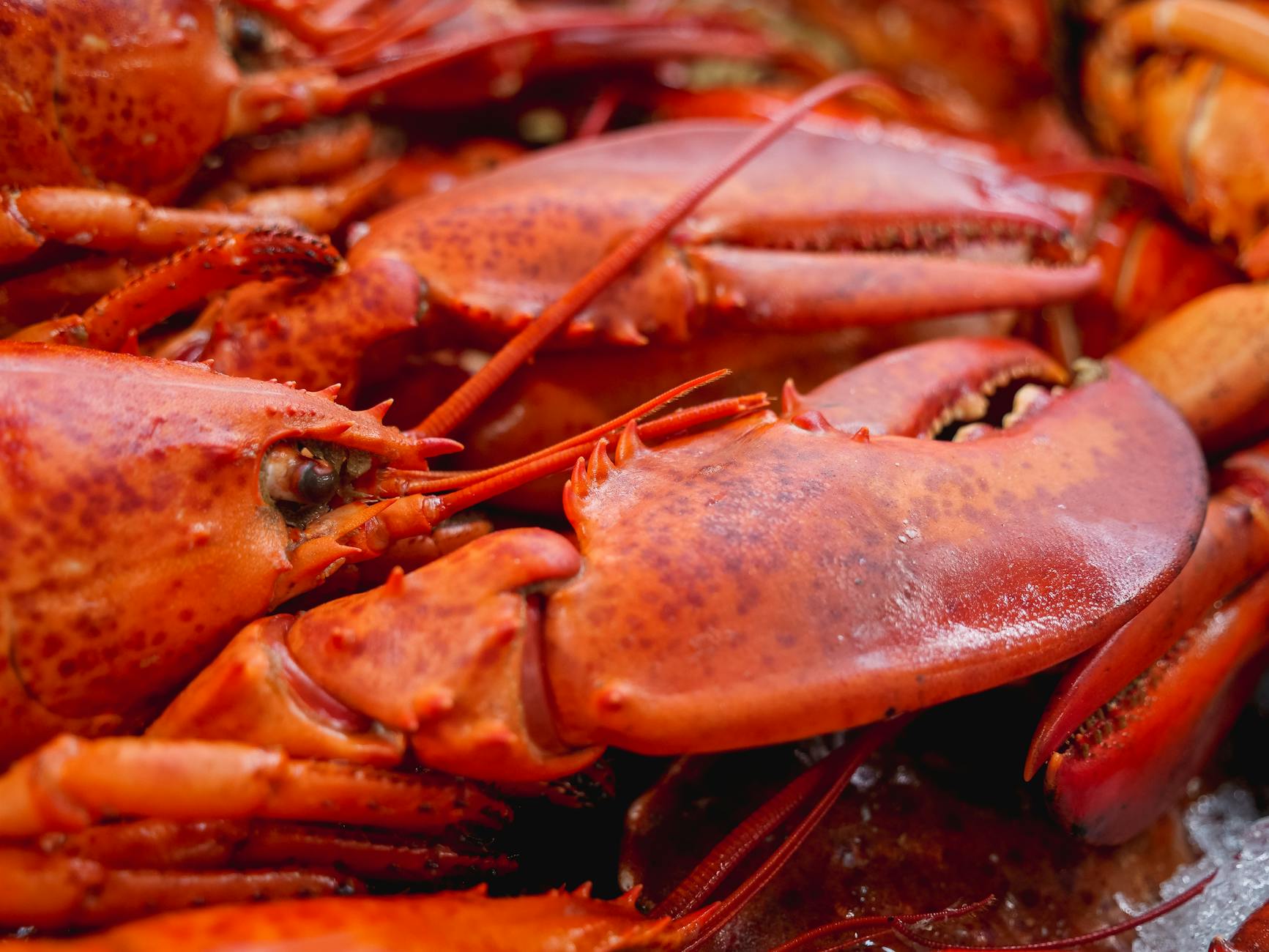
Yes, cats can safely eat lobster in small amounts when properly prepared, but it should be treated as an occasional treat rather than a regular part of their diet. Lobster offers some nutritional benefits, including protein and B vitamins, but it also presents several considerations that cat owners need to understand before offering it to their pets. For example, if your cat got into a small piece of cooked, unseasoned lobster at the dinner table, it would likely cause no harm, but intentionally feeding lobster regularly could create nutritional imbalances and digestive issues.
The safety of lobster for cats depends primarily on how it’s prepared and served. Cooked, plain lobster meat without shells, seasoning, or butter is generally the safest option. Raw lobster poses greater risks, including potential bacterial contamination and parasites that can sicken your cat. While lobster itself isn’t toxic to felines, the way we typically prepare it for human consumption—with salt, garlic, butter, and other seasonings—makes it unsuitable for regular cat consumption.
Table of Contents
- Can Cats Digest Lobster Meat Safely?
- Nutritional Benefits and Hidden Risks in Lobster
- The Choking and Shell Hazard
- Preparation Methods and Safe Serving Practices
- Allergic Reactions and Digestive Complications
- When Lobster Should Be Completely Avoided
- Better Alternatives and Moving Forward with Your Cat’s Diet
- Conclusion
- Frequently Asked Questions
Can Cats Digest Lobster Meat Safely?
Cats are obligate carnivores with digestive systems designed to process meat efficiently, and lobster meat is indeed a form of protein. However, lobster is structurally different from the muscle meats cats evolved eating in the wild. The texture and composition of shellfish requires different digestive work compared to poultry or beef. Some cats digest lobster without issue, while others experience stomach upset, vomiting, or diarrhea—particularly if they’re not accustomed to eating seafood.
The digestive concern intensifies when lobster is served with its natural accompaniments. A cat that ate a piece of butter-poached lobster might suffer from gastrointestinal distress not from the lobster itself, but from the high fat content and dairy. Similarly, garlic and onion seasonings commonly used in lobster preparation are toxic to cats and can damage their red blood cells. Plain, cooked lobster meat represents the only safe form for feline consumption.
Nutritional Benefits and Hidden Risks in Lobster
Lobster provides high-quality protein, selenium, and several B vitamins that cats need for cellular function and metabolism. A small portion of lobster meat can deliver these nutrients effectively. However, lobster also contains higher levels of sodium than fresh whole prey and may accumulate environmental contaminants. The main limitation here is that lobster offers no nutritional advantage over chicken, turkey, or fish—all of which are safer staples for cats and less likely to cause digestive upset.
Another hidden risk involves mercury and other heavy metals. While lobster typically contains lower mercury levels than some fish species, it does bioaccumulate certain contaminants from ocean water. Feeding lobster regularly could gradually increase your cat’s exposure to these substances. Additionally, lobster’s high cholesterol content makes it unsuitable for cats with certain health conditions or those prone to pancreatitis. A cat with chronic kidney disease, for instance, might struggle with the protein load and sodium combination.
The Choking and Shell Hazard
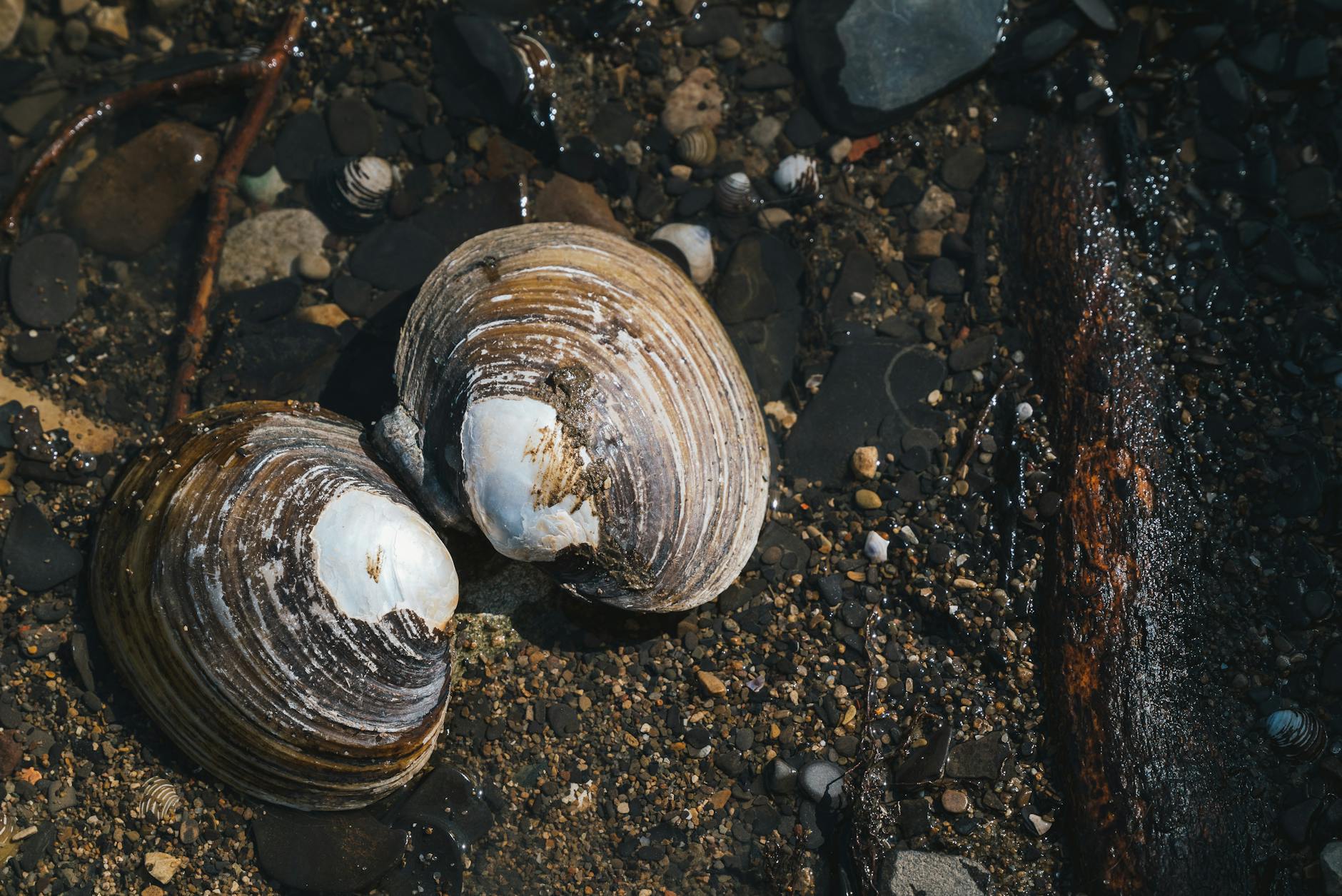
Lobster shells present a significant choking risk and potential intestinal blockage if ingested. Unlike cooked chicken bones, which are softer and splinter easily, lobster shells maintain their hardness and sharp edges even after cooking. If your cat encounters a lobster shell, it could lodge in their throat or cause internal injuries or perforation if swallowed. A cat owner once reported their pet attempting to swallow a piece of lobster shell they’d found on the kitchen counter, which required emergency veterinary care when the shell became stuck in the cat’s esophagus.
The shell danger extends beyond mere choking. Cats lack the digestive enzymes to break down chitin, the hard outer shell material. If small shell fragments are ingested, they won’t be digested but may accumulate and cause intestinal impaction. Always remove every trace of shell before offering lobster to your cat, and never assume your cat will spit out the hard parts—some cats don’t discriminate while eating.
Preparation Methods and Safe Serving Practices
The safest preparation method for cats is boiling or steaming lobster without any additions, then shredding the meat into small, manageable pieces free of all shell fragments. This eliminates the risk of added seasonings and makes the meat easier for your cat to chew and digest. Grilled, fried, or buttered lobster should never be offered to cats, as the added fats and seasonings pose health risks. Comparing cooked plain lobster to cooked plain chicken breast, the chicken is equally nutritious and comes with fewer preparation complications and environmental contaminants.
Portion control matters considerably. A healthy adult cat might safely consume a teaspoon to a tablespoon of plain cooked lobster meat as an occasional treat, perhaps once monthly or less frequently. For kittens, senior cats, or those with digestive sensitivities, portions should be even smaller. Never use lobster as a substitute for a complete and balanced diet, as cats require specific amino acid profiles (particularly taurine) that lobster alone cannot provide.
Allergic Reactions and Digestive Complications
Some cats develop allergies or sensitivities to shellfish, manifesting as itching, vomiting, diarrhea, or respiratory symptoms. These reactions aren’t common but can occur, particularly in cats with existing food sensitivities. If you decide to introduce lobster to your cat’s diet, do so gradually in tiny amounts and monitor for any adverse reactions over the following 24 hours. A cat showing repeated vomiting or diarrhea after consuming lobster should avoid it completely, and you should mention the reaction to your veterinarian.
Digestive complications can also arise from the richness of lobster meat, which has higher fat content than some other seafood options. Cats with sensitive stomachs, inflammatory bowel disease, or pancreatitis should never eat lobster. The warning here is critical: some cats show no immediate signs of distress but develop chronic digestive issues from regular shellfish consumption. Building good bathroom habits and stable digestion is far more valuable than offering variety through potentially problematic foods.
When Lobster Should Be Completely Avoided
Certain situations make lobster absolutely inappropriate for cats. Kittens under one year old have developing digestive systems and should stick to kitten-formulated nutrition. Senior cats with kidney disease, dental problems, or sensitivities need easily digestible, controlled-protein diets that lobster doesn’t fit. Cats with pancreatitis, diabetes, or gastrointestinal disease should never eat lobster, as the fat and protein content can trigger flare-ups.
If your cat is on a prescription diet for any health condition, introduce no new foods without veterinary approval. Cats that have previously shown adverse reactions to any seafood should obviously avoid lobster. Additionally, if you’re uncertain about your cat’s individual health status, checking with your veterinarian before offering new foods is always the prudent approach. Some cats simply tolerate shellfish poorly regardless of preparation method.
Better Alternatives and Moving Forward with Your Cat’s Diet
Rather than offering lobster as a treat, consider safer alternatives that provide similar nutritional benefits without the complications. Plain cooked chicken, turkey, or fish like salmon or mackerel offer high-quality protein and essential nutrients. These foods are easier to prepare safely, carry lower contamination risks, and are less likely to cause digestive upset.
Building your cat’s diet around proven, simple proteins strengthens their overall health more reliably than incorporating occasional shellfish. The future of feline nutrition increasingly emphasizes whole, species-appropriate foods and avoiding unnecessary variables. As you consider treats and supplements for your cat, prioritize simplicity and safety over novelty. Your cat won’t appreciate lobster more than they would enjoy their regular food served with extra attention and affection.
Conclusion
Lobster is technically safe for cats in very small amounts when cooked plain and properly prepared, but the risks and complications generally outweigh any potential benefits. The preparation requirements are strict, the portion sizes must be tiny, and the nutritional advantages don’t justify the potential hazards. Most cats thrive perfectly well on simpler proteins and complete, balanced commercial or veterinary-approved diets.
If you’ve already offered your cat a small piece of plain cooked lobster and they showed no ill effects, there’s no cause for concern. Moving forward, reserve lobster as a once-in-a-while treat at most, and consider safer, simpler alternatives for regular treat-giving. Always consult your veterinarian if you have questions about introducing new foods to your cat’s diet, particularly if your cat has any existing health conditions or digestive sensitivities.
Frequently Asked Questions
Can cats eat raw lobster?
Raw lobster poses higher risks than cooked lobster, including potential bacterial contamination (such as Vibrio), parasites, and the hardness of raw shells. Cooked plain lobster is significantly safer if you choose to offer this treat.
Is lobster toxic to cats?
Plain lobster meat itself is not toxic to cats, but the butter, garlic, salt, and other seasonings commonly used in lobster preparation are harmful or toxic. Additionally, shells and undigested pieces can cause blockages.
How much lobster can a cat eat?
A healthy cat can safely consume about a teaspoon to a tablespoon of plain cooked lobster meat as an occasional treat, roughly once monthly or less. Always feed it in small pieces and monitor for digestive upset.
What should I do if my cat ate lobster with seasoning?
Monitor your cat for signs of distress including vomiting, diarrhea, lethargy, or lack of appetite. If your cat consumed significant quantities of seasoned lobster or shows concerning symptoms, contact your veterinarian. Small amounts of garlic or salt may cause mild upset but often resolve without treatment.
Are there better seafood options for cats than lobster?
Yes, plain cooked salmon, mackerel, or white fish are generally safer and easier to prepare. These options provide similar protein and omega fatty acids with fewer preparation complications and lower contamination risks.
Can kittens eat lobster?
Kittens should not eat lobster. Their developing digestive systems need specialized kitten nutrition formulated to support growth. Introducing adult foods like lobster before one year of age can disrupt nutrient balance and digestive health.