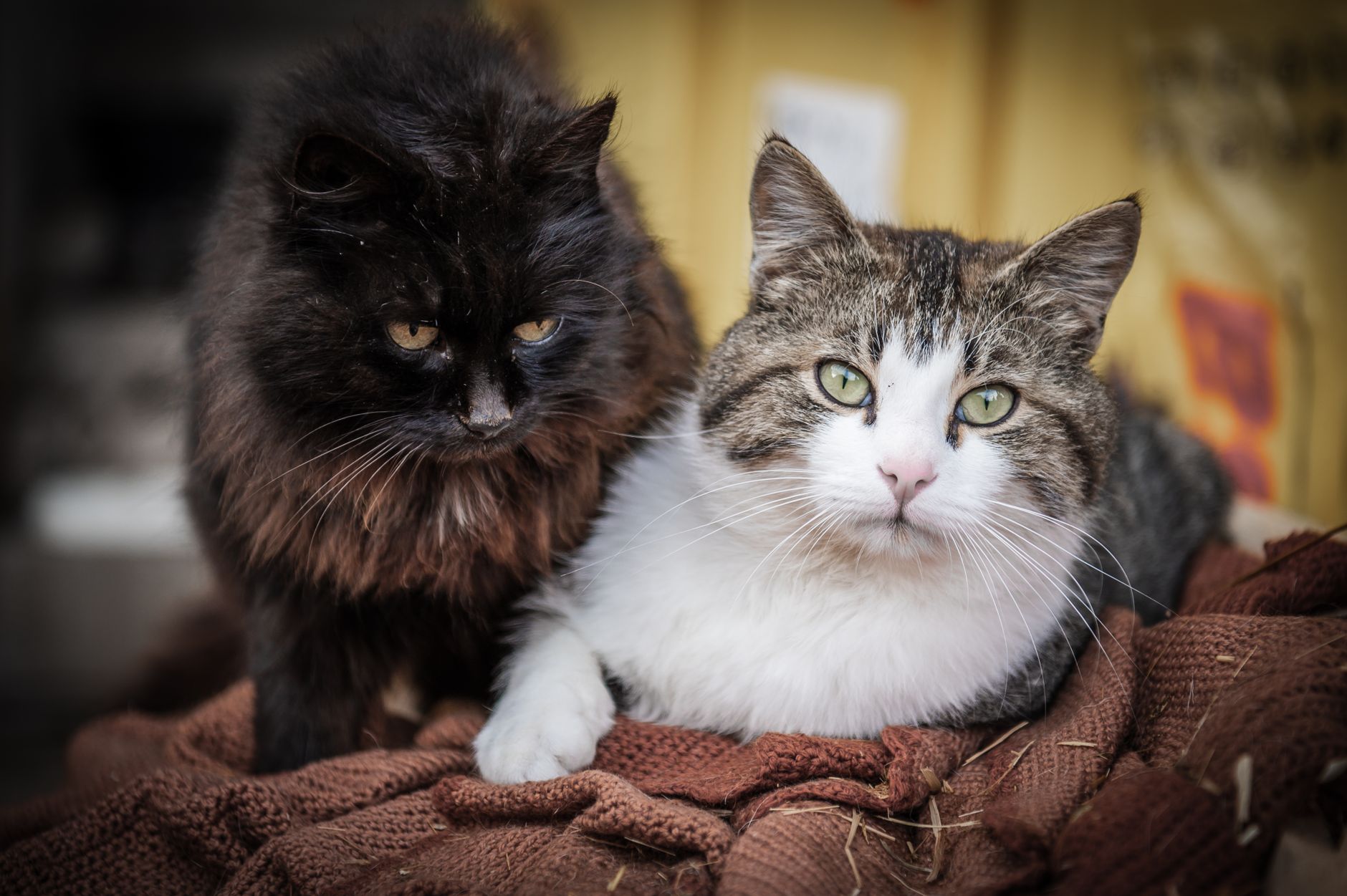
Yes, it is safe for cats to live in small apartments when their environmental and behavioral needs are properly met. Cats are adaptable animals that don’t require massive spaces to thrive—some of the most content felines live in studios and one-bedroom apartments. A cat’s wellbeing depends far more on enrichment, mental stimulation, and the quality of their environment than on square footage alone. A 600-square-foot apartment with proper setup, multiple vertical spaces, and engaged ownership can provide everything a cat needs, while a 3,000-square-foot house with minimal engagement leaves a cat understimulated and bored.
The key difference between a safe and unsafe small apartment comes down to intentional design and owner commitment. Cats living in confined spaces require more active management—regular play sessions, climbing structures, window perches, puzzle feeders, and consistent interaction. A cat in a small apartment without these elements will develop behavioral problems: litter box avoidance, destructive scratching, aggression, or inappropriate elimination. The most common failure isn’t the apartment size itself; it’s owners who assume a small space automatically means confinement and then neglect enrichment.
Table of Contents
- How Much Space Do Cats Actually Need in Small Apartments?
- Environmental Enrichment Requirements for Apartment-Dwelling Cats
- Litter Box Management in Confined Spaces
- Physical Activity and Exercise Constraints
- Behavioral Problems and Stress Signals in Small Spaces
- Breed-Specific Suitability for Apartment Living
- Practical Setup for Safe, Healthy Apartment Cats
- Frequently Asked Questions
How Much Space Do Cats Actually Need in Small Apartments?
Cats need less floor space than most people think, and they’re natural vertical explorers who use walls and shelves as much as floor area. A study of indoor cats found that the typical cat spends most of its day in just 2-3 core zones within a home—a favorite window, a sleeping spot, and a play area—regardless of total apartment size. This means a 400-square-foot studio can genuinely satisfy a cat’s territorial needs if those key zones are optimized. What matters is density and placement of resources, not raw square footage.
The minimum safe space for one adult cat is roughly 400 square feet, though this assumes proper vertical infrastructure and enrichment. Two cats benefit from closer to 600-800 square feet; the added space reduces territorial tension and gives each cat escape routes and separate resting areas. A practical comparison: a cat in a 500-square-foot apartment with floor-to-ceiling cat trees, window perches, and daily play sessions will be happier than a cat in a 2,000-square-foot house where the owner works 12-hour days and never interacts with it. The problem isn’t smallness; it’s neglect masked by space.
Environmental Enrichment Requirements for Apartment-Dwelling Cats
Small apartments demand deliberate enrichment because the cat cannot naturally patrol a large territory or hunt outdoor prey. Indoor apartment cats need climbing structures (cat trees, wall-mounted shelves, window perches), hiding spots (cardboard boxes, enclosed cat beds, closet access), and rotating toys to prevent boredom. Without these, apartment cats develop stress-related behaviors: over-grooming, inappropriate urination, destructive scratching on furniture, or obsessive play at 3 a.m. that disrupts the owner’s sleep.
One critical limitation: small apartments often have limited window access, which is the primary form of mental stimulation for indoor cats. If your apartment is interior with just one small window, you’ll need to compensate with video content designed for cats, bird feeders visible from inside, or even a secure balcony catio (cat patio). Some owners install bird-themed screensavers or cat TV videos, but these provide only passive engagement and can’t fully replace real outdoor sights and sounds. The more limited your apartment’s windows, the more active enrichment you must provide daily.
Litter Box Management in Confined Spaces
Litter boxes become a significant practical challenge in small apartments, especially shared living situations or studios where the bathroom or bedroom is just feet away. Cats prefer at least one litter box per cat, plus one extra—so a two-cat household ideally has three boxes. In a 400-square-foot apartment, fitting three litter boxes requires creative placement and accepting some smell and dust exposure in living areas. Many apartment dwellers resort to single boxes, which increases the risk of inappropriate urination when a cat feels territorial stress or simply wants a cleaner alternative.
Litter box location and odor control become critical quality-of-life issues in small apartments where ventilation is often poor. A litter box in the bedroom becomes unbearable in summer; one in the main living area broadcasts smell and cat waste particles throughout the space. The realistic limitation: small apartments require either excellent litter management (daily scooping, good ventilation, enzymatic odor neutralizers) or a willingness to tolerate some degree of smell. Some owners invest in automatic litter boxes or HEPA filters, which help but add cost and maintenance. The cat itself adapts fine; the apartment and owner experience is the real constraint.
Physical Activity and Exercise Constraints
Cats don’t require hours of running like dogs, but small apartments limit the natural way cats exercise—sprinting down hallways, scaling different levels, stalking through varied terrain. An apartment cat relies on owner-initiated play (string toys, laser pointers, interactive wand toys) and environmental climbing to meet activity needs. A realistic goal is two 10-15 minute play sessions daily, though many apartment owners skip this entirely because it’s not as obvious as walking a dog.
The comparison is stark: an apartment cat without structured play and a sedentary owner will gain weight, develop joint problems earlier, and live a less engaged life than one receiving regular interactive play. Indoor apartment cats have higher obesity rates than their outdoor counterparts, not because apartments are dangerous, but because owners underestimate the play requirement. A cat that goes outside even occasionally gets forced exercise through territory patrol and hunting; an indoor apartment cat gets zero involuntary activity. This means the owner’s effort directly determines the cat’s fitness level—there’s no backup system.
Behavioral Problems and Stress Signals in Small Spaces
The most common behavioral issue in apartment cats is inappropriate elimination—spraying urine or defecating outside the litter box—which can cost owners hundreds in deposits and damage to flooring or walls. This typically signals territorial stress or anxiety, especially in multi-cat households where small spaces amplify social tension. A cat forced to share a 500-square-foot apartment with another cat it dislikes, with only one litter box and limited escape routes, will mark territory with urine as a stress response. Behavioral euthanasia—killing a cat for litter box problems—is preventable with proper small-apartment management but represents a real risk if owners dismiss enrichment.
Another warning: apartment cats can develop redirected aggression toward owners or other pets if confined without adequate stimulation. A cat with no outlets for predatory drive or territorial expression may attack feet, pounce on roommates unprovoked, or fight with housemates. This isn’t the cat’s fault; it’s a failure of the environment. Signs of stress in apartment cats include excessive vocalization, constant meowing, pacing, over-grooming (hair loss), and hiding for entire days. If a cat exhibits multiple stress signals, the small apartment itself may not be the problem—lack of resources, too many cats in too small a space, or unaddressed medical issues (hyperthyroidism, pain) are usually the actual causes.
Breed-Specific Suitability for Apartment Living
Some cat breeds adapt better to small apartments than others. Ragdolls, British Shorthairs, and Persians are naturally lower-energy, content to lounge and relatively indifferent to lack of space. Bengal cats, Abyssinians, and Siamese are high-energy breeds that need extensive stimulation and suffer visibly in small apartments without massive enrichment investment—a Bengal in a studio without climbing structures and interactive play becomes destructive and vocal.
Scottish Folds and Exotic Shorthairs tolerate apartments well due to calm temperaments, while Savannah cats (a wild hybrid) should not live in apartments regardless of size due to extreme energy and prey drive. If you live in a genuinely small apartment, adopt lower-energy adult cats rather than high-drive kittens or active breeds. An adult Ragdoll or rescued adult tabby from a shelter will adapt more readily to small space than a 6-month-old Bengal. Breeders and shelters can honestly assess a cat’s energy level and help match you to a breed or individual suitable for apartment life.
Practical Setup for Safe, Healthy Apartment Cats
A functional apartment setup includes vertical territory (floor-to-ceiling cat trees, wall-mounted shelves), window perches on every available window, hiding spots (enclosed beds, boxes, under-bed access), scratching posts in multiple locations, and separated feeding/litter areas if space allows. Beyond infrastructure, interactive toys (feather wands, crinkle balls, laser pointers with responsible use), puzzle feeders, and daily play sessions are non-negotiable for apartment cats. Some owners install cat doors between rooms or create a secure balcony catio, which dramatically improves quality of life.
A practical reality: small apartments work best for one or two compatible cats, not three or more. Multi-cat tension increases dramatically when cats can’t escape each other, and the litter box dynamics become unsustainable. If you already have a small apartment with multiple cats, monitor for stress signals closely and be prepared to rehome one cat if territorial aggression or inappropriate elimination becomes unmanageable. The safety and wellbeing of each cat matters more than keeping them together in an unsuitable environment.
- —
Frequently Asked Questions
Can a cat live happily in a studio apartment?
Yes. A cat can live happily in a studio as long as it has vertical climbing structures, window access, daily interactive play, proper litter box placement, and a consistent routine. The owner’s engagement matters far more than the space itself.
How many cats can safely live in a small apartment?
One to two cats maximum in a small apartment (under 600 square feet). Each additional cat exponentially increases territorial tension and litter box conflicts. A third cat in a small space usually leads to behavioral problems.
What’s the biggest challenge of keeping a cat in a small apartment?
The biggest challenge is owner commitment to daily enrichment and play. Many apartment owners assume confinement is the main problem, when actually it’s the lack of structured interaction that causes stress and behavioral issues.
Do apartment cats need outdoor access?
No, but they benefit from indoor window perches, bird feeders visible from inside, and cat-TV videos if windows are limited. A secure catio (enclosed balcony or porch) is ideal but not required for apartment cats to be healthy.
How often should I play with my apartment cat?
Aim for two 10-15 minute interactive play sessions daily (morning and evening). This mimics the natural hunting rhythm and prevents obesity and behavioral problems that plague sedentary apartment cats.
Is apartment living bad for a cat’s health?
No. Apartment living is safe and can be healthy if enrichment is prioritized. Indoor apartment cats live longer than outdoor cats and face fewer diseases, injuries, and predators—the main health risks are behavioral stress and obesity, both preventable through proper management. —