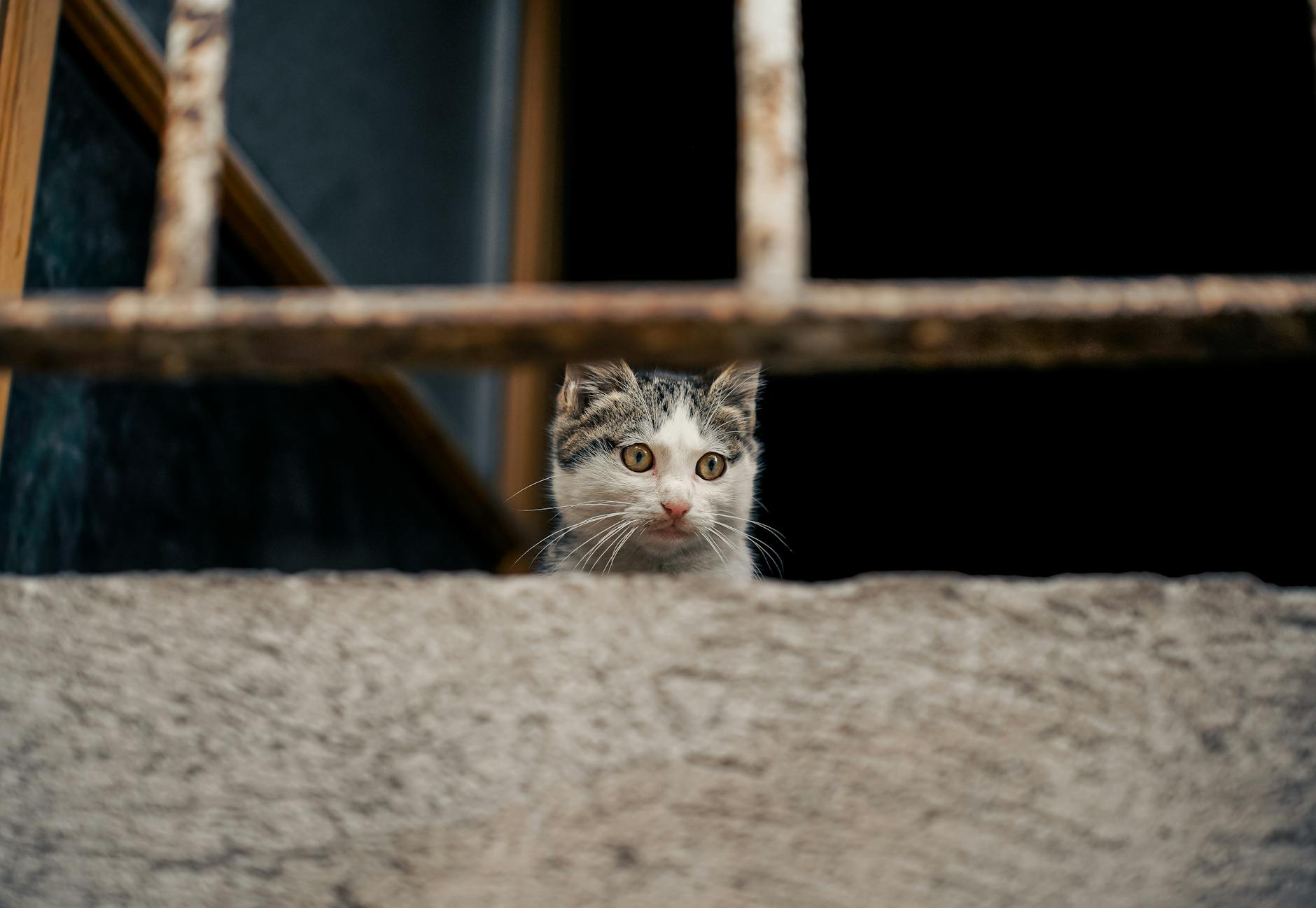
Pineapple is not toxic to cats, so a small nibble is unlikely to send you rushing to the emergency vet. That said, “not toxic” and “safe as a regular treat” are two very different things. Fresh pineapple in tiny amounts is generally tolerable for most adult cats, but the fruit’s high sugar content, acidic nature, and tough fibrous core make it a poor dietary choice that can easily cause digestive upset if offered carelessly.
A cat who swipes a small cube of ripe pineapple off your cutting board will almost certainly be fine, but deliberately feeding chunks of it as a snack is a different matter. This article breaks down exactly what happens when a cat eats pineapple, how much is too much, which parts of the fruit you should never offer, and what signs of trouble to watch for. We will also look at why cats, as obligate carnivores, get essentially zero nutritional benefit from fruit, and explore safer treat alternatives if you want to share something special with your cat.
Table of Contents
- Can Cats Eat Pineapple Without Getting Sick?
- Why Pineapple’s Nutritional Benefits Don’t Apply to Cats
- Parts of the Pineapple That Are Dangerous for Cats
- How to Offer Pineapple to a Cat Safely
- When Pineapple Becomes a Genuine Health Risk
- Signs Your Cat Ate Too Much Pineapple
- Better Treat Alternatives for Curious Cats
- Conclusion
- Frequently Asked Questions
Can Cats Eat Pineapple Without Getting Sick?
Most healthy adult cats can eat a small piece of fresh pineapple without any immediate health crisis. The ASPCA does not list pineapple on its toxic plants database for cats, which puts it in a different category from genuinely dangerous fruits like grapes and raisins. A piece roughly the size of your thumbnail, offered once in a while, is the general upper limit that veterinarians suggest when owners insist on sharing fruit with their cats. However, “can eat” does not mean “should eat regularly.” Pineapple contains roughly 10 grams of sugar per 100-gram serving, and cats lack the taste receptors for sweetness entirely.
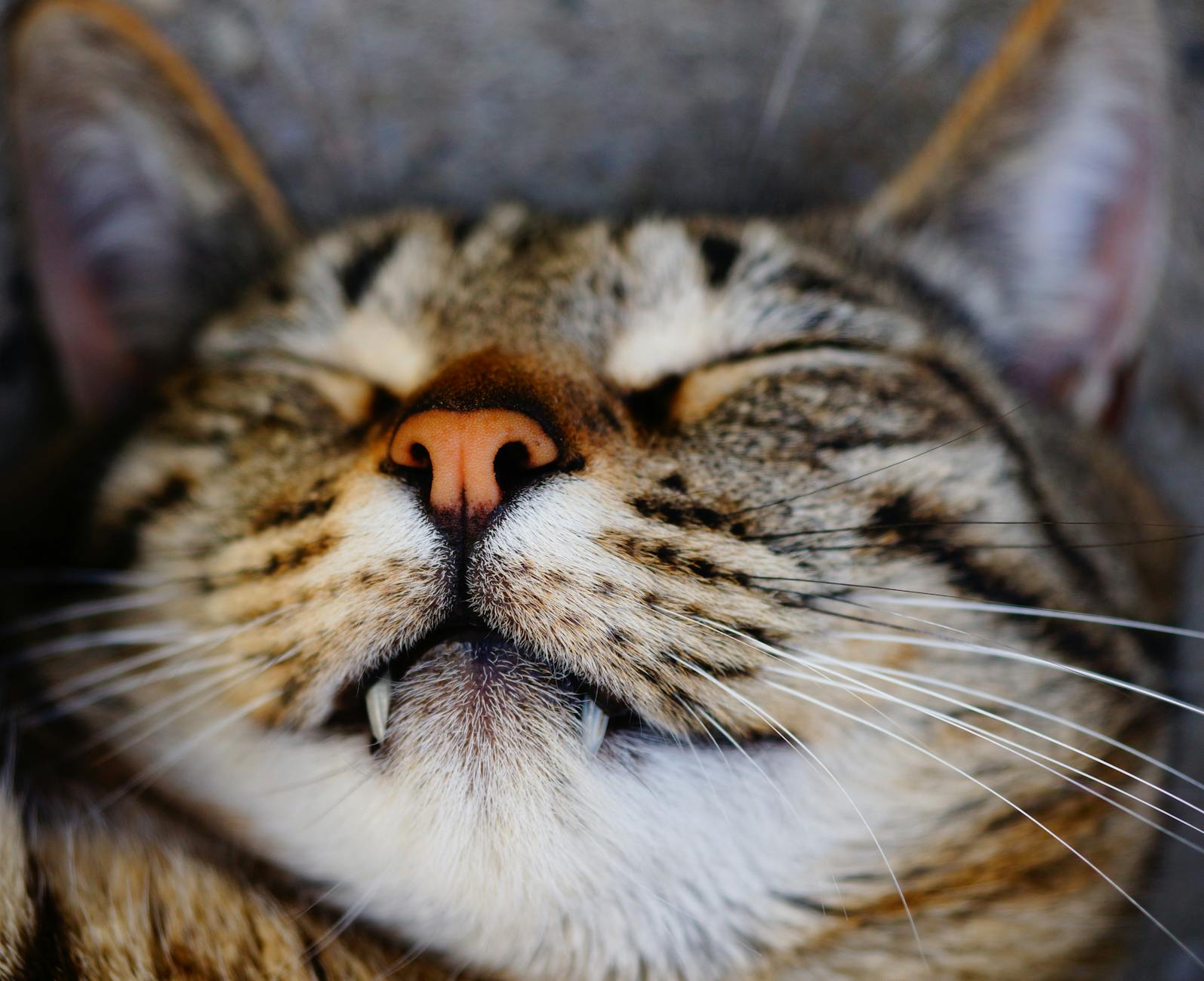
They are not getting any enjoyment from the sugar the way a human would. What they are getting is a hit of simple carbohydrates that their digestive system is not designed to process efficiently. Compare this to a piece of plain cooked chicken, which provides protein a cat actually needs with none of the sugar or acidity. The chicken is always the better treat. A cat who eats pineapple too frequently may develop soft stools, diarrhea, or vomiting simply because the fruit is too acidic and sugary for a carnivore’s gut.
Why Pineapple’s Nutritional Benefits Don’t Apply to Cats
Pineapple is often praised as a human superfood. It is loaded with vitamin C, manganese, and bromelain, an enzyme that aids digestion and reduces inflammation in people. These benefits do not translate to cats in any meaningful way. Cats synthesize their own vitamin C internally, so dietary supplementation is unnecessary. The manganese in a tiny piece of pineapple is negligible compared to what a balanced cat food already provides.
And bromelain, while interesting in human medicine, has not been shown to benefit cats at the doses present in a small treat-sized portion of fruit. The bigger issue is what pineapple does contain that cats do not need: sugar, fiber, and citric acid. A cat’s short digestive tract is optimized for breaking down animal protein and fat. Plant matter passes through less efficiently, and the natural acids in pineapple can irritate the stomach lining, especially in cats with sensitive digestive systems or pre-existing conditions like inflammatory bowel disease. If your cat already has a history of gastrointestinal issues, pineapple is one of the last foods you should be introducing as a treat, no matter how small the portion.
Parts of the Pineapple That Are Dangerous for Cats
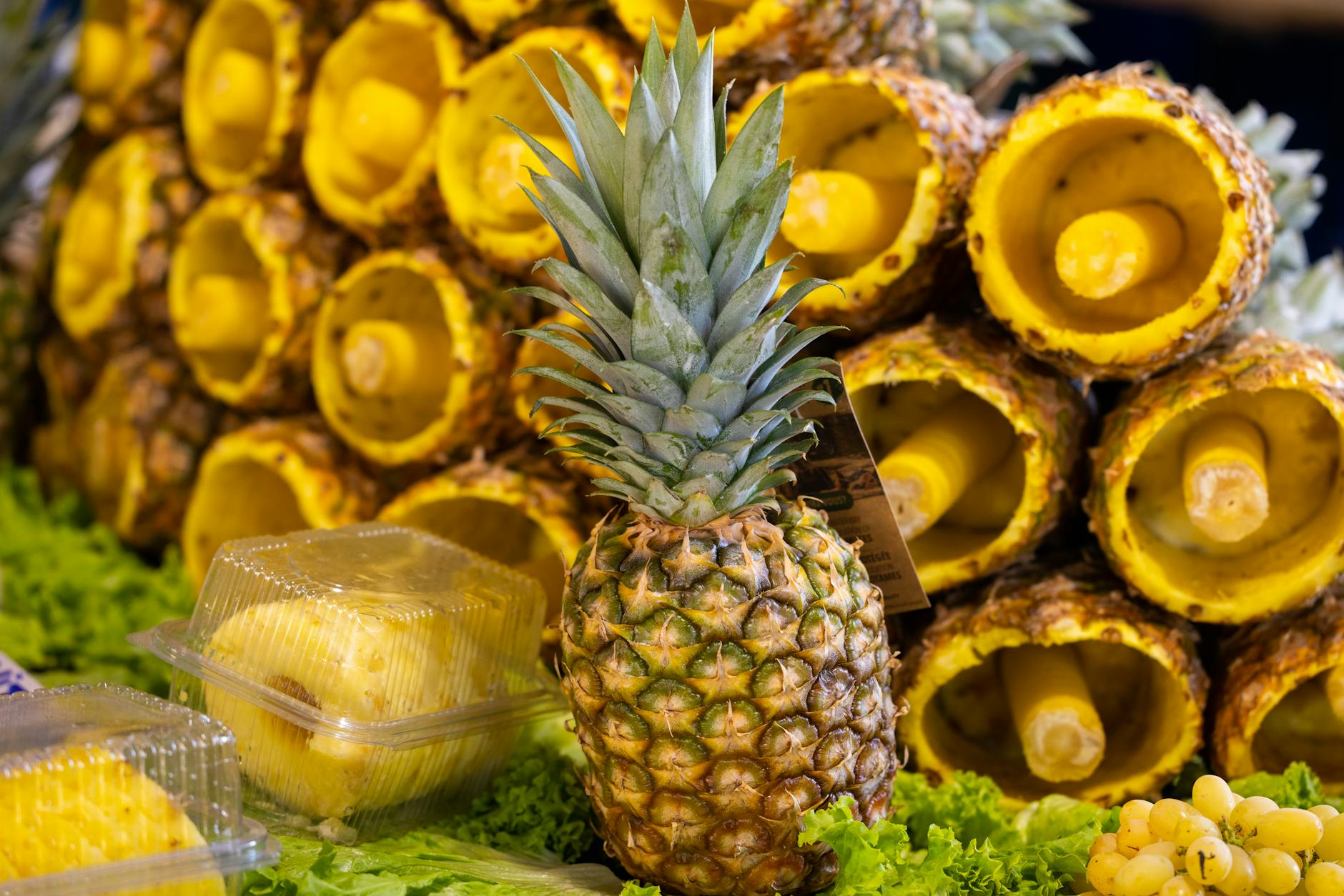
Not all parts of a pineapple carry the same risk, and this distinction matters. The flesh of a ripe pineapple is the only part that is even remotely appropriate for a cat. The leaves, skin, and core are all off-limits for different reasons, and accidental ingestion of these parts is where real veterinary emergencies can happen. The spiky leaves and tough outer skin contain higher concentrations of bromelain and can cause significant mouth and throat irritation.
Cats who chew on pineapple leaves may drool excessively, paw at their mouths, or refuse to eat afterward. The hard, fibrous core is a choking hazard and can cause intestinal blockage if swallowed in chunks, particularly in smaller cats. One veterinary case that illustrates this well involved a kitten who chewed apart a discarded pineapple core left on a kitchen counter. The kitten required veterinary intervention for a partial intestinal obstruction. Even canned pineapple, which might seem softer and easier to eat, introduces a new problem: the syrup it is packed in contains far more sugar than fresh pineapple, making it significantly worse for cats.
How to Offer Pineapple to a Cat Safely
If you have decided to let your cat try pineapple despite the limited upside, preparation matters. Start by cutting a piece of ripe, fresh pineapple flesh no larger than a pea. Remove every trace of skin, core, and leaf. Offer it at room temperature rather than cold from the refrigerator, since cold foods can sometimes cause mild stomach cramping in cats. Give the single small piece and then wait 24 hours before offering any more.
You are watching for signs of digestive intolerance: vomiting, diarrhea, excessive gas, or a refusal to eat their next regular meal. If none of those appear, your cat is probably tolerant of pineapple in very small amounts. The tradeoff to consider is whether this is worth the effort compared to commercially made cat treats formulated specifically for feline digestion. A freeze-dried chicken or salmon treat delivers protein your cat actually needs, costs roughly the same, and carries none of the sugar or acidity concerns. Most veterinarians would tell you the commercial treat wins that comparison every time.
When Pineapple Becomes a Genuine Health Risk
There are specific situations where even a small amount of pineapple moves from “probably fine” to “genuinely risky.” Diabetic cats should never be given pineapple. The sugar content can cause blood glucose spikes that interfere with insulin management, and the consequences of poorly controlled feline diabetes include nerve damage, kidney problems, and diabetic ketoacidosis, which can be fatal. Cats on certain medications may also face complications.
Bromelain has mild blood-thinning properties, and while the amount in a small piece of pineapple is unlikely to cause problems in a healthy cat, it could theoretically interact with anticoagulant medications. Cats with kidney disease need carefully controlled diets, and the potassium in pineapple, while modest, adds an unmonitored variable to their intake. The general warning here is simple: if your cat has any chronic health condition or takes any medication, do not offer pineapple or any novel food without checking with your veterinarian first. The risk-to-reward ratio simply does not justify it.
Signs Your Cat Ate Too Much Pineapple
If your cat got into pineapple while you were not looking, watch for vomiting within the first few hours, followed by diarrhea that may persist for a day or two. Some cats develop mouth irritation from the bromelain and acidity, which shows up as drooling, lip-licking, or reluctance to eat.
A cat who ate a large quantity of pineapple flesh might also become lethargic as the sugar and acid work through their system. Most cases resolve on their own within 24 to 48 hours with access to fresh water and a return to their normal diet. If vomiting persists beyond 24 hours, if you see blood in the stool, or if the cat becomes unresponsive, contact your veterinarian immediately rather than waiting it out.
Better Treat Alternatives for Curious Cats
The desire to share food with a cat comes from a good place, but there are options that satisfy that impulse without the downsides of pineapple. Small pieces of cooked, unseasoned chicken, turkey, or salmon are nutritionally aligned with what a cat needs and are almost universally well-tolerated.
For cat owners who specifically want to offer fruit, small amounts of blueberries or watermelon flesh (seedless) are lower in acid and sugar than pineapple, though they still provide no essential nutrition for cats. The pet food industry has also developed treat lines that mimic human food sharing, including lickable puree tubes and broth-based toppers, which let owners feel like they are giving their cat something special without straying from feline-appropriate nutrition.
Conclusion
Pineapple will not poison your cat, but it offers nothing a cat needs and introduces sugar, acid, and digestive risk that are easy to avoid by choosing better treats. If your cat sneaks a small piece, there is no reason to panic.
If you are deliberately choosing treats, there are dozens of options that are safer, more nutritious, and more enjoyable for an animal that cannot even taste sweetness. The simplest approach is to keep pineapple as a food you enjoy and to treat your cat with something designed for their biology. A small piece of cooked meat or a high-quality commercial treat will always be the smarter choice, and your cat will appreciate it far more than a cube of fruit they are indifferent to in the first place.
Frequently Asked Questions
Can kittens eat pineapple?
No. Kittens have even more sensitive digestive systems than adult cats, and their smaller size means the sugar and acid in pineapple have a proportionally larger impact. Kittens should stick to kitten-formulated food and treats recommended by a veterinarian.
Will pineapple juice hurt my cat?
Pineapple juice is more concentrated in sugar and acid than the flesh and should not be given to cats. Even a small amount lapped from a glass can cause stomach irritation and diarrhea more readily than a solid piece of fruit.
My cat seems to like pineapple. Does that mean it is okay?
Cats are often attracted to the texture or moisture content of foods rather than the taste. A cat showing interest in pineapple is not an indication that the food is appropriate for them. Cats also show interest in rubber bands and string, neither of which should be eaten.
Can pineapple help with my cat’s hairballs?
There is no veterinary evidence that pineapple helps with hairballs in cats. Commercial hairball remedies and increased dietary fiber from cat-specific sources are more effective and safer approaches.
Is dried pineapple safer than fresh for cats?
Dried pineapple is actually worse. The dehydration process concentrates the sugar significantly, and many dried pineapple products include added sugar or sulfur dioxide preservatives that are not appropriate for cats.