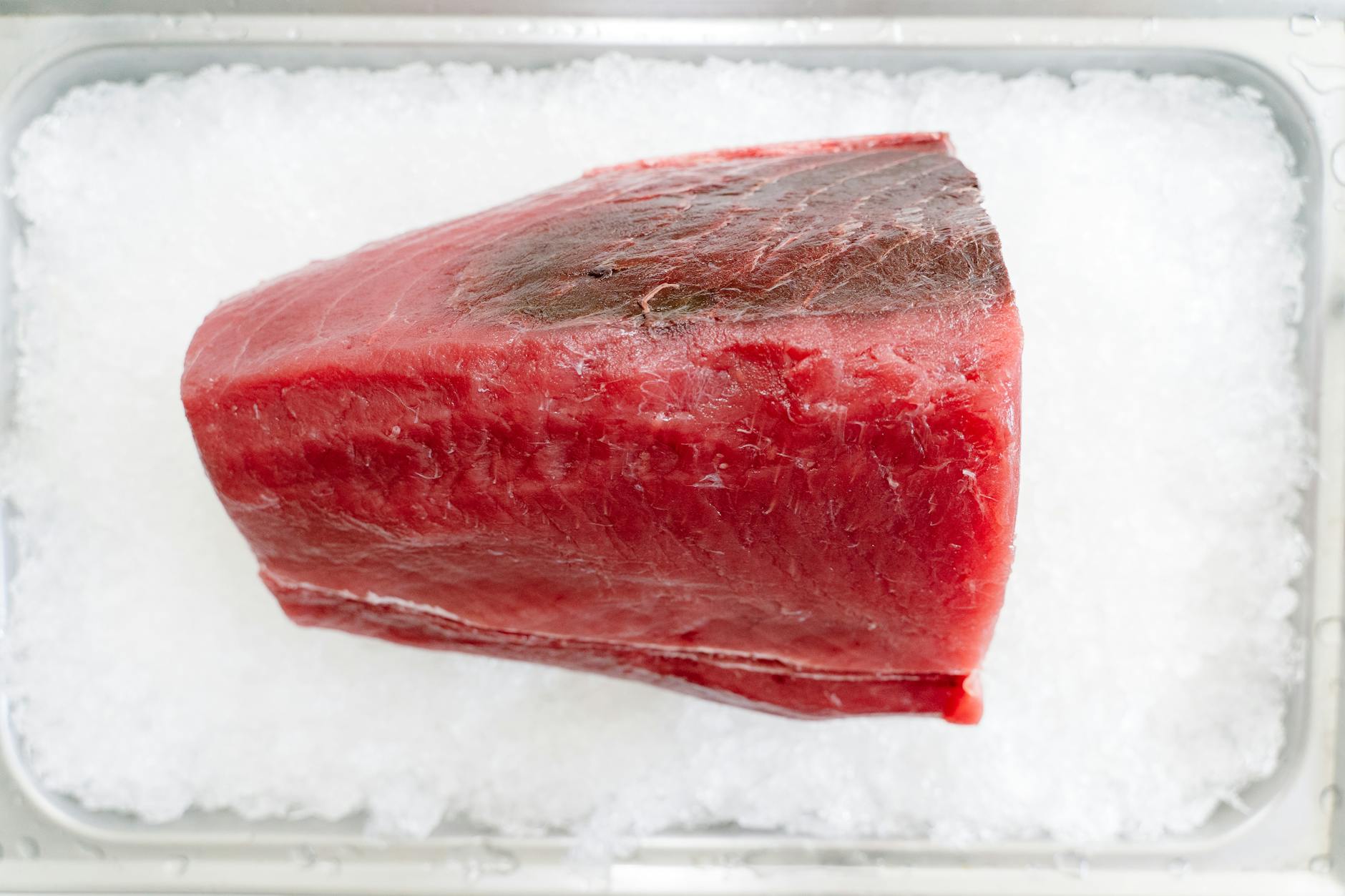
Tuna is safe for cats in small amounts as an occasional treat, but it should never become a dietary staple. The short answer is yes, your cat can eat tuna without immediate harm, but regular or excessive consumption creates real health risks including mercury accumulation, nutritional deficiencies, and the development of addictive eating behaviors. A cat that gets a tablespoon of canned tuna once or twice a week as a special reward will likely be fine, but one fed tuna daily could develop serious problems within months. The distinction between “safe as a treat” and “safe as a food” matters enormously here.
Many cat owners assume that because cats love tuna and it contains protein, it must be good for them. This logic fails to account for what tuna lacks””essential nutrients cats need””and what it contains in concerning quantities, particularly mercury and sodium. A single can of tuna formulated for humans contains far more sodium than a cat should consume in a day. This article covers the specific risks of different tuna types, how much is actually safe to feed, why cats become obsessed with tuna, the mercury concern in detail, better alternatives, and how to handle a cat that has developed tuna dependency. Understanding these nuances helps you make informed decisions rather than relying on your cat’s enthusiasm as a guide.
Table of Contents
- Why Do Cats Crave Tuna So Intensely?
- What Are the Nutritional Deficiencies in a Tuna-Only Diet?
- How Much Mercury Is Actually in Tuna?
- Is Canned Tuna for Humans Safe for Cats?
- What Should You Do If Your Cat Refuses to Eat Anything But Tuna?
- Are Tuna-Flavored Cat Foods a Safe Alternative?
- What Are Better Fish Options for Cats?
- Conclusion
Why Do Cats Crave Tuna So Intensely?
cats are obligate carnivores with taste receptors specifically attuned to amino acids found in meat, and tuna happens to be extraordinarily rich in these compounds. The strong, pungent smell of tuna activates feline olfactory receptors far more powerfully than most other foods. This is why a cat sleeping in another room will suddenly appear the moment you crack open a can””the scent travels and registers as irresistibly appealing to their predatory instincts. The intensity of this attraction creates a genuine problem. Cats can become so fixated on tuna that they refuse other foods, including nutritionally complete cat food.
Veterinarians have a term for this: food fixation or acquired dietary preference. A cat named Oliver, treated at a veterinary clinic in Ohio, refused to eat anything except tuna for three months after his owner started giving it as a daily treat. By the time he was examined, he had developed a dull coat, muscle wasting, and early signs of steatitis””all from malnutrition despite eating regularly. The comparison to human junk food cravings is apt but imperfect. Unlike humans who can rationalize their way past a craving, cats have no concept that their preferred food might be harming them. They simply know tuna tastes better than everything else and will hold out until they get it, sometimes to the point of genuine health consequences.
What Are the Nutritional Deficiencies in a Tuna-Only Diet?
Tuna lacks several nutrients essential for feline health, most critically vitamin E, calcium, and a proper balance of fatty acids. Cats fed primarily tuna develop a condition called steatitis, also known as yellow fat disease, caused by vitamin E deficiency. The fat beneath their skin becomes inflamed and hardened, causing significant pain and mobility issues. This condition was common enough in the mid-20th century that it helped drive the development of nutritionally complete commercial cat foods. Calcium deficiency presents another serious concern.
Tuna meat contains virtually no calcium, which cats require for bone health, muscle function, and nerve transmission. Wild cats obtain calcium by eating the bones of their prey, but canned tuna is boneless. A cat fed exclusively tuna will begin pulling calcium from its own bones to maintain blood calcium levels, leading to weakened skeletal structure over time. However, if your cat is eating a balanced commercial diet and receiving tuna only as an occasional supplement, these deficiencies are unlikely to develop. The problems arise specifically when tuna replaces rather than supplements proper nutrition. A cat eating 90% complete cat food and 10% tuna treats is in a completely different situation than one eating tuna as a primary food source.
How Much Mercury Is Actually in Tuna?
Mercury levels in tuna vary significantly by species, with larger tuna accumulating more mercury through a process called bioaccumulation. Albacore tuna contains approximately three times more mercury than light tuna (skipjack). According to FDA testing, canned light tuna averages 0.126 parts per million of mercury, while albacore averages 0.350 ppm. For a 10-pound cat, even small regular doses of high-mercury tuna can accumulate to problematic levels faster than you might expect. The mercury concern is not theoretical.
Cats process mercury less efficiently than humans and are more susceptible to toxicity at lower exposure levels. Symptoms of mercury poisoning in cats include loss of coordination, difficulty walking, vision changes, and neurological symptoms that may be mistaken for other conditions. The insidious nature of mercury poisoning is its gradual onset””a cat fed albacore tuna three times weekly might show no symptoms for a year before problems become apparent. A practical comparison helps illustrate the risk: a 10-pound cat eating one ounce of albacore tuna receives roughly the same mercury exposure relative to body weight as a 150-pound human eating an entire can. The FDA recommends humans limit albacore consumption to 6 ounces weekly. Scaled proportionally, a cat should consume far less, making even modest regular feeding potentially problematic.

Is Canned Tuna for Humans Safe for Cats?
Canned tuna intended for human consumption differs significantly from tuna-flavored cat food, and not all human tuna products carry equal risks. Tuna packed in water is safer than tuna packed in oil, which adds unnecessary fats that can cause digestive upset and contribute to obesity. Tuna packed in brine contains excessive sodium””a single serving may contain more salt than a cat should consume in several days. The specific example of flavored or seasoned tuna products is worth emphasizing: tuna with added garlic, onion, or other seasonings can be actively toxic to cats. Garlic and onion in any form damage feline red blood cells and can cause hemolytic anemia.
While plain canned tuna is merely nutritionally incomplete, seasoned varieties cross into genuinely dangerous territory. Fresh tuna presents its own considerations. Raw tuna may contain parasites and bacteria that cooking eliminates, but raw fish also contains thiaminase, an enzyme that destroys vitamin B1. Cats fed raw fish regularly can develop thiamine deficiency, leading to neurological problems. Cooked fresh tuna avoids the parasites and reduces thiaminase activity, but still carries the mercury and nutritional imbalance concerns of any tuna product.
What Should You Do If Your Cat Refuses to Eat Anything But Tuna?
Breaking a cat’s tuna fixation requires patience and a gradual approach rather than abrupt elimination. Going cold turkey often fails because cats can be extraordinarily stubborn about food preferences””some will starve themselves to the point of developing hepatic lipidosis, a potentially fatal liver condition, rather than eat food they have decided is unacceptable. The safe approach involves slowly reducing tuna content while introducing alternatives. Start by mixing a small amount of high-quality canned cat food into the tuna, increasing the proportion of cat food over two to three weeks. Many owners find success using cat foods with fish flavoring or actual fish content as a bridge.
The goal is to maintain enough familiar taste and smell to keep the cat eating while gradually shifting the nutritional content toward a complete diet. The warning here is important: if your cat stops eating entirely for more than 24-48 hours during this transition, consult a veterinarian. Cats, unlike dogs, cannot safely miss meals for extended periods. Their metabolism begins breaking down fat stores in ways that overwhelm the liver, creating a medical emergency. The transition process should never risk complete food refusal.
Are Tuna-Flavored Cat Foods a Safe Alternative?
Commercial cat foods featuring tuna as a listed ingredient solve many of the problems with plain tuna. These products are formulated to meet AAFCO standards for complete and balanced feline nutrition, meaning they include the vitamins, minerals, and nutrients absent from tuna alone. The tuna flavor satisfies cats who have developed a taste for it while avoiding the nutritional deficiencies.
However, mercury remains a consideration even with commercial tuna cat foods. Cats fed exclusively tuna-flavored products still accumulate mercury over time, though typically at lower levels than those fed human-grade canned tuna. Rotating between different protein sources””chicken, turkey, beef, and fish varieties””reduces overall mercury exposure while providing dietary variety that benefits digestive health and reduces the likelihood of developing food fixations.
What Are Better Fish Options for Cats?
Salmon, sardines, and anchovies generally contain lower mercury levels than tuna while providing similar taste appeal for fish-loving cats. Sardines and anchovies are particularly advantageous because they are small fish lower on the food chain, meaning they have had less time to accumulate mercury. They also contain edible bones, providing calcium that tuna lacks.
Commercially prepared cat foods featuring these alternative fish provide the safety of complete nutrition with the appeal of fish flavor. Some premium cat food brands specifically market low-mercury fish formulations for health-conscious pet owners. These products cost more than standard tuna-based foods but eliminate the guesswork around safe feeding quantities and mercury accumulation.
Conclusion
Tuna occupies a specific niche in feline nutrition: a highly appealing treat that becomes problematic when overused. The key points to remember are that occasional small amounts of plain tuna packed in water pose minimal risk to healthy cats, while regular or large servings create cumulative problems including mercury toxicity, nutritional deficiencies, and potentially dangerous food fixation. The type of tuna matters””light tuna is safer than albacore, water-packed is safer than oil or brine, and plain is essential over any seasoned variety.
The practical approach treats tuna as what it is: an occasional indulgence rather than a staple. Limit servings to a tablespoon-sized treat once or twice weekly at most, choose light tuna in water, and ensure your cat’s primary diet comes from nutritionally complete commercial cat food. If your cat has already developed tuna dependency, work patiently through a gradual transition rather than risking complete food refusal. For cats who simply love the taste of fish, explore lower-mercury alternatives like sardine or salmon-based cat foods that deliver the flavor without the accumulating risks.