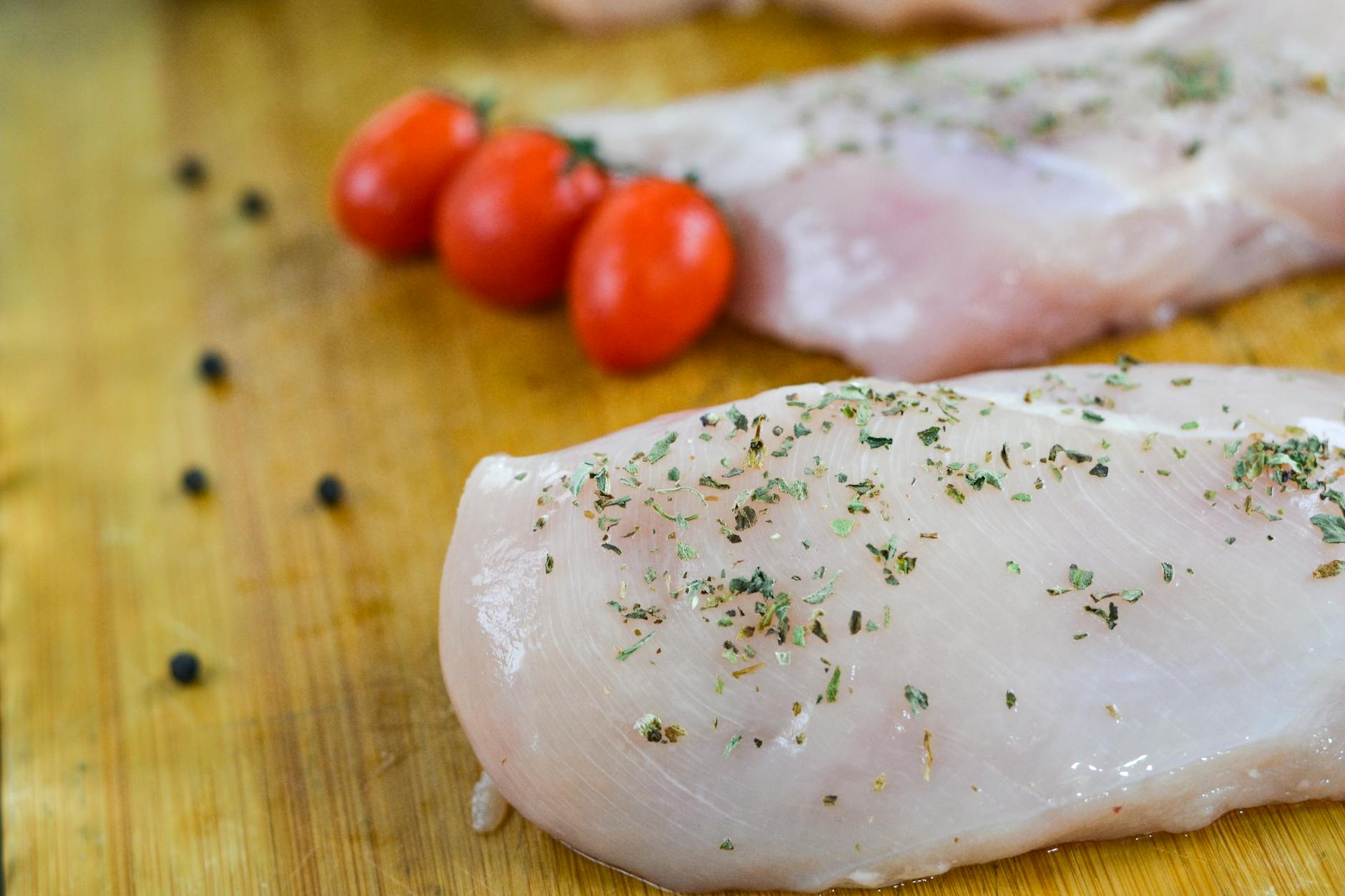
Raw chicken is not considered safe for most cats due to the significant risk of bacterial contamination, including Salmonella and Campylobacter, which can cause serious illness in both cats and the humans who handle their food. While cats are obligate carnivores with digestive systems more acidic than humans, this does not make them immune to foodborne pathogens. A healthy adult cat might consume raw chicken without immediate visible symptoms, but the bacteria can still colonize their gut and be shed in feces for weeks, creating a household health hazard. Veterinary organizations including the American Veterinary Medical Association and the FDA discourage feeding raw meat diets to pets for these reasons. The appeal of raw feeding stems from the idea that domestic cats should eat what their wild ancestors ate, but this comparison overlooks important differences. Wild cats consume freshly killed prey, not meat that has been processed, packaged, transported, and stored””each step introducing opportunities for bacterial growth.
A cat eating a mouse it just caught in the backyard faces far lower pathogen exposure than one eating raw chicken from a grocery store that was processed days or weeks earlier. This article examines the specific risks of raw chicken, which cats might be more vulnerable than others, how to minimize dangers if you choose to feed raw, and what safer alternatives exist for cat owners interested in whole-food diets. Beyond bacterial concerns, raw chicken presents nutritional challenges. Feeding chicken alone, even high-quality organic chicken, does not provide complete feline nutrition. Cats require taurine, calcium, specific fatty acid ratios, and other nutrients that muscle meat alone cannot supply. Understanding these complexities helps cat owners make informed decisions rather than following trends that could compromise their pet’s health.
Table of Contents
- Can Cats Digest Raw Chicken Safely?
- The Specific Bacterial Risks of Raw Chicken for Felines
- Which Cats Face Greater Danger from Raw Chicken
- Nutritional Gaps in Raw Chicken-Only Diets
- Safe Alternatives to Raw Chicken for Carnivore Nutrition
- The Evolving Understanding of Raw Diets in Veterinary Medicine
- Conclusion
Can Cats Digest Raw Chicken Safely?
cats possess several digestive adaptations that theoretically support raw meat consumption. Their stomach acid reaches a pH as low as 1-2, significantly more acidic than the human stomach, which helps break down protein and can neutralize some bacteria. Their digestive tract is also shorter than omnivores, meaning food passes through more quickly and gives pathogens less time to establish infections. These features evolved in wild felines who survived on fresh prey for millions of years. However, modern domestic cats are not wild felines, and grocery store chicken is not fresh prey. Studies have found Salmonella in 25-50% of commercial raw chicken products, depending on the source and testing methodology.
While a cat’s acidic stomach may destroy some of these bacteria, it cannot eliminate all of them, particularly when contamination levels are high. Cats can become infected and either develop clinical illness””vomiting, diarrhea, lethargy, fever””or become asymptomatic carriers who shed bacteria in their feces without showing symptoms. The latter scenario is particularly concerning in households with young children, elderly individuals, or immunocompromised people who could contract the bacteria from litter boxes or contaminated surfaces. The comparison between a barn cat eating mice and a house cat eating raw chicken illustrates this distinction clearly. The barn cat consumes its prey immediately after the kill, before significant bacterial multiplication can occur. The house cat receives chicken that may have sat in a processing facility, delivery truck, grocery store case, and home refrigerator over several days””optimal conditions for pathogen growth. This fundamental difference in freshness undermines the “natural diet” argument that raw feeding advocates often cite.
The Specific Bacterial Risks of Raw Chicken for Felines
Salmonella and Campylobacter represent the primary bacterial threats in raw poultry. Salmonella infection in cats can range from mild gastrointestinal upset to severe septicemia requiring hospitalization. Symptoms typically appear within 12-72 hours of exposure and include vomiting, diarrhea (sometimes bloody), decreased appetite, fever, and abdominal pain. Campylobacter causes similar symptoms and is one of the most common bacterial causes of diarrhea in both pets and humans. A 2019 study published in the Journal of Veterinary Internal Medicine found that cats fed raw diets were significantly more likely to shed these pathogens than cats fed commercial cooked diets. Listeria monocytogenes presents another concern, particularly for pregnant cats. This bacterium can cross the placental barrier and cause abortion, stillbirth, or severe illness in newborn kittens.
Even healthy adult cats can harbor Listeria without symptoms while shedding it in their environment. Unlike Salmonella, Listeria can continue multiplying at refrigerator temperatures, meaning proper cold storage does not eliminate the risk. Freezing can reduce bacterial loads but does not reliably kill all pathogens””a common misconception among raw feeders who believe frozen raw diets are automatically safe. The public health dimension cannot be ignored. The Centers for Disease Control has linked multiple human salmonellosis outbreaks to contact with pets fed raw diets. In these cases, people became ill not from eating raw meat themselves but from handling pet food, cleaning bowls, or contact with pet feces. Households that choose raw feeding must implement rigorous hygiene protocols: separate cutting boards and utensils, immediate sanitization of food prep areas, thorough handwashing after handling raw food or cleaning litter boxes, and keeping cats away from kitchen counters and dining surfaces. These measures are essential but do not eliminate risk entirely.
Which Cats Face Greater Danger from Raw Chicken
Kittens, senior cats, and immunocompromised cats face substantially higher risks from raw chicken than healthy adult cats. Kittens have immature immune systems still developing the capacity to fight off pathogens, making them more susceptible to severe illness from bacterial exposure. Their smaller body size also means that dehydration from vomiting or diarrhea can become life-threatening more quickly. Most veterinarians strongly advise against raw diets for cats under one year of age. Cats with chronic health conditions””diabetes, kidney disease, cancer, feline immunodeficiency virus (FIV), or feline leukemia virus (FeLV)””have compromised immune function that reduces their ability to combat foodborne bacteria. A healthy cat might fight off a low-level Salmonella exposure with no symptoms, while an immunocompromised cat could develop severe systemic infection from the same exposure. Cats receiving immunosuppressive medications, such as corticosteroids or chemotherapy, fall into this high-risk category as well. For example, a cat undergoing treatment for inflammatory bowel disease might seem like a candidate for dietary changes, but the immunosuppressive drugs they receive make raw feeding particularly dangerous during treatment. Senior cats present a nuanced situation. Age-related immune decline increases infection susceptibility, but older cats also more commonly suffer from conditions like kidney disease where increased protein quality might offer benefits. However, the risks of raw feeding generally outweigh potential benefits for senior cats. A safer approach for owners concerned about protein quality in aging cats involves lightly cooked whole foods or high-quality commercial diets formulated for seniors. If a senior cat has eaten raw food successfully for years without incident, abrupt dietary changes are inadvisable regardless of direction””gradual transitions matter for digestive health at any age. ## How to Minimize Risk If You Choose Raw Chicken If you decide to feed raw chicken despite the risks, sourcing and handling practices significantly impact safety levels.
Purchase chicken from reputable suppliers with documented food safety practices””some specialty pet food companies now offer raw products tested for pathogens before sale. Avoid grocery store chicken intended for human cooking, as it typically carries higher bacterial loads than products specifically processed for raw pet consumption. Organic or free-range labels do not indicate lower pathogen risk; studies have found similar or sometimes higher Salmonella rates in organic poultry compared to conventional. Proper storage and thawing protocols reduce bacterial multiplication. Keep raw chicken frozen until use and thaw in the refrigerator, not on the counter. Discard any raw food left in the bowl after 20-30 minutes at room temperature. Use separate cutting boards, bowls, and utensils exclusively for raw pet food, and sanitize them immediately after each use with a dilute bleach solution or dishwasher hot cycle. Wash your hands thoroughly with soap and water after handling raw food, and prevent your cat from licking your face after eating. The comparison between feeding raw chicken pieces versus commercially prepared raw diets highlights an important tradeoff. Commercial raw diets undergo processing that may include high-pressure pasteurization (HPP), which reduces but does not eliminate pathogen loads. They also typically include bone meal, organ meats, and supplements to approach nutritional completeness. Homemade raw diets require careful formulation””often with veterinary nutritionist guidance””to avoid deficiencies. Simply tossing raw chicken breast to your cat provides incomplete nutrition regardless of safety considerations. If raw feeding appeals to you, commercial HPP-treated raw diets from reputable manufacturers present a somewhat safer option than DIY approaches, though they still carry more risk than cooked alternatives.
Nutritional Gaps in Raw Chicken-Only Diets
Feeding raw chicken as a primary or sole food source creates serious nutritional deficiencies over time. Cats require taurine, an amino acid essential for heart function, vision, and reproduction. While muscle meat contains some taurine, the amounts vary significantly, and heat-stable taurine in commercial diets provides more reliable levels. Taurine deficiency causes dilated cardiomyopathy (a fatal heart condition) and central retinal degeneration (blindness), sometimes irreversibly. These conditions may develop slowly over months or years, meaning owners might not connect them to dietary inadequacy until significant damage has occurred. Calcium-to-phosphorus ratio presents another critical concern. Muscle meat is high in phosphorus and nearly devoid of calcium. Cats require a calcium-to-phosphorus ratio between 1:1 and 2:1 for proper bone maintenance and metabolic function.
Feeding boneless chicken without calcium supplementation causes calcium deficiency and secondary nutritional hyperparathyroidism, where the body leaches calcium from bones to maintain blood levels, eventually leading to bone weakness and fractures. Raw feeders sometimes address this by including ground bone, but improper bone grinding can create sharp fragments causing gastrointestinal damage, and bone ash from cremation or low-quality supplements may contain harmful contaminants. Fatty acid imbalances also emerge in raw chicken diets. Cats need arachidonic acid, an omega-6 fatty acid found primarily in animal fats, which chicken provides. However, the omega-6 to omega-3 ratio in chicken is typically around 10:1 or higher, whereas optimal ratios for cats fall closer to 5:1 or lower. Without added omega-3 sources like fish oil, long-term raw chicken feeding may promote inflammatory conditions. This example illustrates why raw feeding, done correctly, requires far more than simply providing raw meat. Complete raw diets must include muscle meat, organ meats (liver and kidney for vitamin A and B vitamins), bone or calcium supplementation, and fatty acid balancing””a complexity that leads many well-intentioned raw feeders to inadvertently harm their cats through incomplete formulations.
Safe Alternatives to Raw Chicken for Carnivore Nutrition
Cat owners attracted to raw feeding often seek whole-food diets that align with feline carnivore biology without the bacterial risks of raw meat. Lightly cooked chicken””seared or poached to an internal temperature of 165°F (74°C)””eliminates most bacterial pathogens while retaining higher moisture content and protein bioavailability than heavily processed kibble. This approach allows owners to control ingredients while providing the food safety of cooking. Adding appropriate supplements (taurine, calcium, omega-3s) transforms home-cooked chicken into a nutritionally complete meal.
High-quality commercial wet foods represent another option for owners who want convenient nutrition without the ultra-processing concerns of dry kibble. Look for products listing whole meat sources (not “meat by-products” or “meal”) as primary ingredients, with minimal carbohydrate fillers. Some premium brands now offer gently cooked recipes using human-grade ingredients processed at lower temperatures than traditional canning, attempting to bridge the gap between raw feeding philosophy and food safety requirements. For example, a cat owner concerned about their pet’s inflammatory bowel disease might find that a limited-ingredient gently cooked diet provides symptom relief similar to what raw feeders report, without the pathogen exposure.
The Evolving Understanding of Raw Diets in Veterinary Medicine
Veterinary perspectives on raw feeding have shifted over the past decade, moving from outright dismissal to more nuanced risk-benefit discussions. Some veterinary nutritionists now acknowledge that properly formulated and handled raw diets can work for certain cats in certain situations, while maintaining that the risks generally outweigh benefits for most pets. This evolution reflects growing recognition that commercial pet food has its own problems””recalls, contamination incidents, and questions about ingredient quality””rather than vindication of raw feeding as categorically safe.
Research continues on methods to improve raw diet safety, including novel pathogen reduction technologies and probiotic treatments that may reduce bacterial shedding. Freeze-drying, high-pressure processing, and fermentation represent active areas of investigation. For now, cat owners considering raw diets should consult with veterinary nutritionists (board-certified specialists, not general practitioners) who can provide evidence-based guidance specific to their cat’s health status and their household circumstances. The future may bring safer raw options, but current science supports caution rather than enthusiasm for feeding raw chicken to cats.
Conclusion
Raw chicken poses genuine health risks to cats that should not be minimized or dismissed with appeals to natural feline diet. Bacterial contamination, particularly Salmonella and Campylobacter, can cause illness in cats and creates public health concerns for household members. Certain cats””kittens, seniors, and those with compromised immune systems””face elevated dangers that make raw feeding inadvisable. Beyond safety, nutritional incompleteness means that raw chicken alone cannot sustain feline health; proper raw feeding requires careful formulation that many owners underestimate.
Cat owners seeking alternatives to conventional kibble have options beyond raw meat. Lightly cooked diets, high-quality commercial wet foods, and gently processed products can provide whole-food nutrition without equivalent pathogen risks. Those who choose raw feeding despite the risks should source products specifically prepared for raw pet consumption, implement rigorous food safety protocols, work with veterinary nutritionists to ensure complete nutrition, and recognize that even careful practices cannot eliminate danger entirely. The decision ultimately requires weighing philosophical preferences about “natural” feeding against practical safety considerations and your individual cat’s health status.