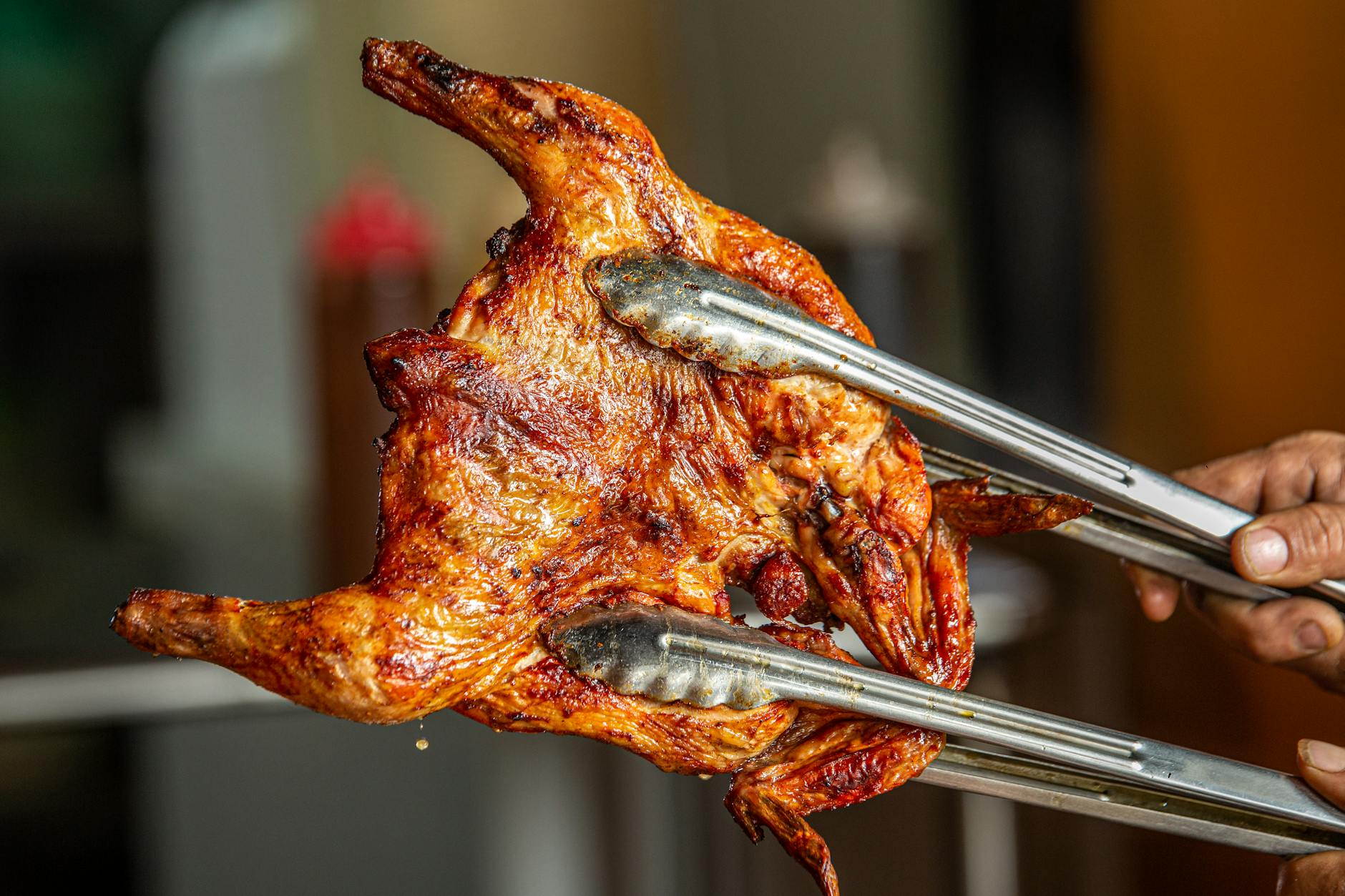
Yes, cooked chicken is generally safe for cats and can be a healthy addition to their diet when prepared correctly. Plain, boneless, skinless chicken that has been thoroughly cooked without seasonings, oils, or additives provides an excellent source of lean protein that aligns well with a cat’s carnivorous nutritional needs. For example, a cat recovering from an upset stomach might benefit from small portions of plain boiled chicken breast as a gentle, easily digestible protein source while their system settles. However, the safety of cooked chicken depends entirely on how it’s prepared and served.
Chicken cooked with garlic, onions, salt, or other common seasonings can be toxic or harmful to cats. Cooked chicken bones pose a serious choking and internal injury hazard because they become brittle and can splinter. When offered as an occasional treat or meal supplement rather than a complete dietary replacement, properly prepared cooked chicken can support your cat’s health without the risks associated with raw feeding or processed human foods. This article covers the specific benefits and risks of feeding cooked chicken to cats, proper preparation methods, appropriate portion sizes, and situations where chicken might not be the best choice for your feline companion.
Table of Contents
- Why Is Plain Cooked Chicken Beneficial for Cats?
- What Parts of the Chicken Should Cats Avoid?
- How Should You Prepare Chicken for Your Cat?
- How Much Cooked Chicken Can Cats Eat?
- When Is Cooked Chicken Not Safe for Cats?
- Can Kittens Eat Cooked Chicken?
- Should Cooked Chicken Replace Commercial Cat Food?
- Conclusion
Why Is Plain Cooked Chicken Beneficial for Cats?
cats are obligate carnivores, meaning their bodies are designed to derive nutrients primarily from animal protein. Cooked chicken provides high-quality, complete protein containing all the essential amino acids cats need, including taurine, which is critical for heart function, vision, and reproduction. A 100-gram serving of plain chicken breast contains approximately 31 grams of protein with minimal fat, making it nutrient-dense without excessive calories. Compared to many commercial cat treats that contain fillers, artificial preservatives, and added sugars, plain cooked chicken offers a whole-food alternative.
The protein in chicken is highly bioavailable, meaning cats can absorb and utilize it efficiently. This makes chicken particularly valuable for cats with sensitive stomachs, older cats losing muscle mass, or cats recovering from illness who need easily digestible nutrition. The lean nature of chicken breast also makes it suitable for overweight cats when used as a treat replacement. While a typical commercial cat treat might contain 3-5 calories per piece with questionable nutritional value, a small cube of cooked chicken provides similar calories but with functional protein rather than empty carbohydrates.
What Parts of the Chicken Should Cats Avoid?
Not all chicken parts are equally safe for feline consumption. Cooked chicken bones are dangerous regardless of the cooking method because heat changes their structure, making them prone to splintering into sharp fragments that can puncture the esophagus, stomach, or intestines. Unlike raw bones, which are more pliable, cooked bones become hard and brittle. A cat that swallows a cooked bone fragment may require emergency surgery to repair internal damage. Chicken skin, while not toxic, contains high fat content that can trigger pancreatitis in susceptible cats or contribute to obesity with regular consumption.
Fatty trimmings present similar concerns. Dark meat contains more fat than white meat, so while it’s not harmful in small amounts, chicken breast remains the healthier option for regular feeding. However, if your cat has no history of pancreatitis and maintains a healthy weight, occasional small pieces of dark meat are unlikely to cause problems. The key distinction is between rare treats and regular dietary components. A cat that receives a tiny piece of chicken thigh once a month faces minimal risk, while a cat fed fatty chicken portions daily may develop digestive or weight issues over time.
How Should You Prepare Chicken for Your Cat?
The safest preparation methods for cat-friendly chicken are boiling, baking, or poaching without any added ingredients. Boiling is particularly straightforward: place boneless, skinless chicken breast in plain water and cook until the internal temperature reaches 165°F (74°C) and no pink remains. The cooking water can even be saved and offered as a hydration-encouraging broth, which many cats find appealing. Avoid all seasonings, including salt, pepper, garlic powder, onion powder, and herb blends. What seems like a harmless amount of garlic to humans can cause oxidative damage to feline red blood cells, leading to anemia.
onions contain similar compounds and are equally dangerous. Butter, oils, and cooking sprays add unnecessary fats and may contain ingredients like garlic that aren’t immediately obvious. For example, rotisserie chicken from a grocery store might seem convenient, but it’s typically seasoned with salt, garlic, and various spices that make it unsuitable for cats. Similarly, chicken cooked for human meals usually contains seasonings embedded throughout. The only truly safe approach is preparing chicken specifically for your cat with zero additives, then setting aside their portion before seasoning the rest for human consumption.
How Much Cooked Chicken Can Cats Eat?
Portion control matters significantly because cooked chicken, while nutritious, doesn’t provide complete feline nutrition on its own. Chicken lacks adequate calcium, certain vitamins, and other nutrients cats require for long-term health. Veterinary nutritionists generally recommend that treats and supplemental foods comprise no more than 10% of a cat’s daily caloric intake, with the remaining 90% coming from balanced commercial cat food. For an average 10-pound adult cat requiring approximately 200-250 calories daily, this means roughly 20-25 calories from chicken, equivalent to about three-quarters of an ounce or a few small cubes. Larger cats can have proportionally more, while kittens and smaller cats need less.
The tradeoff with offering more chicken is that cats may fill up on the incomplete nutrition of plain meat and eat less of their balanced food. Comparing chicken to commercial treats illustrates why moderation matters from multiple angles. Commercial treats are formulated to be nutritionally minimal precisely because they’re intended as supplements. Chicken provides more nutritional value per calorie but still can’t replace formulated food. The best approach treats chicken as a high-quality snack rather than a meal replacement, regardless of how much your cat enjoys it.
When Is Cooked Chicken Not Safe for Cats?
Certain health conditions make chicken inadvisable or require veterinary guidance before feeding. Cats with diagnosed food allergies may react to chicken protein, which is actually one of the more common feline food allergens. Symptoms include itchy skin, digestive upset, ear infections, or hair loss. If your cat has never eaten chicken before, introduce it in very small amounts and monitor for adverse reactions over 24-48 hours. Cats with kidney disease require carefully controlled protein intake, and adding chicken without veterinary approval can disrupt their prescribed dietary management.
Similarly, cats with pancreatitis history may react poorly even to lean chicken, as any dietary change can trigger inflammation. Diabetic cats on managed feeding schedules shouldn’t receive unplanned treats that affect blood sugar regulation. A critical warning applies to chicken that has been improperly stored or handled. Chicken left at room temperature for more than two hours enters the bacterial danger zone where salmonella and other pathogens multiply rapidly. Cats can develop food poisoning from contaminated chicken just as humans can, with symptoms including vomiting, diarrhea, lethargy, and fever. Always refrigerate prepared chicken promptly and discard any that’s been left out too long.

Can Kittens Eat Cooked Chicken?
Kittens can safely eat small amounts of plain cooked chicken once they’ve been fully weaned and are eating solid food, typically around 8-10 weeks of age. However, kittens have higher nutritional demands for growth and development, making balanced kitten food even more critical for them than for adult cats. Chicken should represent an even smaller proportion of a kitten’s diet than an adult’s.
For example, a 12-week-old kitten might receive a pea-sized piece of shredded chicken as an occasional treat during socialization or training. This provides positive reinforcement without meaningfully displacing their kitten formula food. Larger portions risk filling their small stomachs with incomplete nutrition during a developmental period when proper vitamin, mineral, and caloric balance directly impacts lifelong health.
Should Cooked Chicken Replace Commercial Cat Food?
Feeding exclusively cooked chicken””or any single protein source””creates nutritional deficiencies that harm cats over time. Cats require nutrients that plain muscle meat doesn’t provide in adequate amounts, including calcium for bone health, vitamin A for vision and immune function, and specific fatty acid ratios for skin and coat health. Commercial cat foods are formulated to meet standards established by veterinary nutritionists specifically to prevent these deficiencies.
Some cat owners pursue homemade diets using chicken as a base, but these require careful formulation with supplements and ideally veterinary nutritionist oversight to ensure completeness. The cost, complexity, and risk of error make homemade diets impractical for most owners. For the majority of cats, high-quality commercial food supplemented with occasional chicken treats provides optimal nutrition with minimal risk.
Conclusion
Cooked chicken offers cats a safe, protein-rich treat when prepared plainly without seasonings, bones, or excessive fat. The key requirements are thorough cooking, complete removal of bones, and moderation that keeps chicken as a supplement rather than a dietary staple. Most healthy adult cats can enjoy small portions of properly prepared chicken several times per week without any adverse effects.
Moving forward, consider chicken as one tool in your cat care approach rather than a default treat. Observe how your individual cat responds, maintain portion control, and prioritize their balanced commercial diet as the nutritional foundation. When questions arise about your specific cat’s dietary needs””particularly for cats with health conditions””consult your veterinarian for personalized guidance.