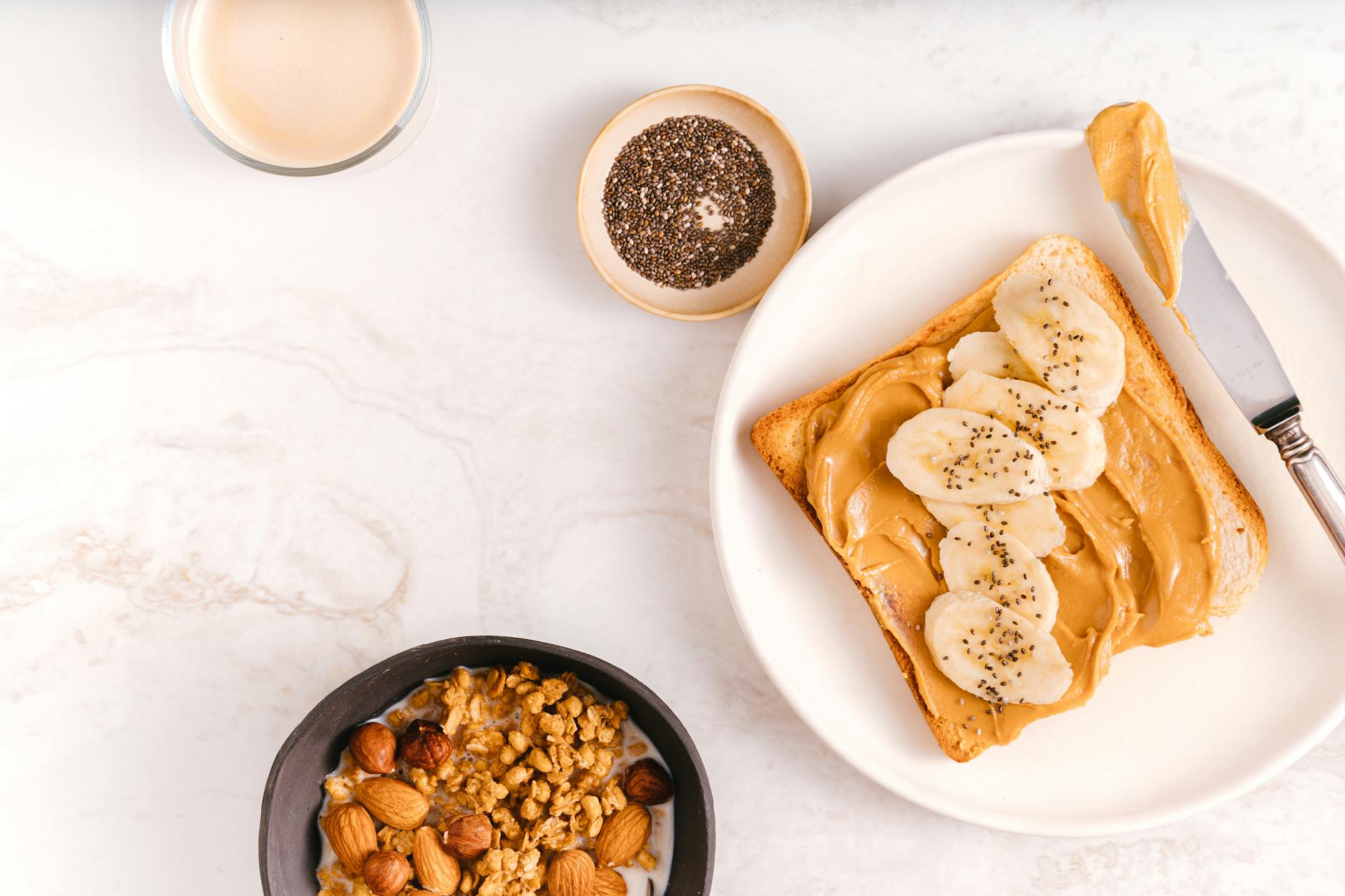
Peanut butter is not toxic to cats, but it is not recommended as a treat or regular part of their diet. While a small lick of plain peanut butter likely will not harm a healthy cat, this popular human food offers no nutritional benefit to felines and can actually cause digestive upset, weight gain, and other health problems. For example, a cat owner who occasionally uses peanut butter to hide medication may not see immediate issues, but the high fat content and lack of species-appropriate nutrition make it a poor choice compared to cat-specific treats.
The bigger concern lies in certain peanut butter formulations that contain xylitol, an artificial sweetener that is extremely toxic to animals. Even small amounts of xylitol can cause a dangerous drop in blood sugar and liver failure in pets. Beyond the xylitol risk, the thick, sticky texture of peanut butter can pose a choking hazard for cats or cause them to aspirate it into their lungs. This article examines the specific risks of feeding peanut butter to cats, explores why cats are attracted to it despite being obligate carnivores, discusses safer alternatives, and provides guidance on what to do if your cat has consumed peanut butter containing harmful ingredients.
Table of Contents
- Why Do Cats Want Peanut Butter If They Cannot Taste Sweetness?
- The Nutritional Mismatch Between Peanut Butter and Feline Dietary Needs
- Xylitol and Other Dangerous Peanut Butter Ingredients
- What to Do If Your Cat Eats Peanut Butter
- Safer Alternatives for Hiding Cat Medication
- Long-Term Health Effects of Regular Peanut Butter Consumption
- When Cats with Special Health Conditions Face Greater Risks
- Conclusion
Why Do Cats Want Peanut Butter If They Cannot Taste Sweetness?
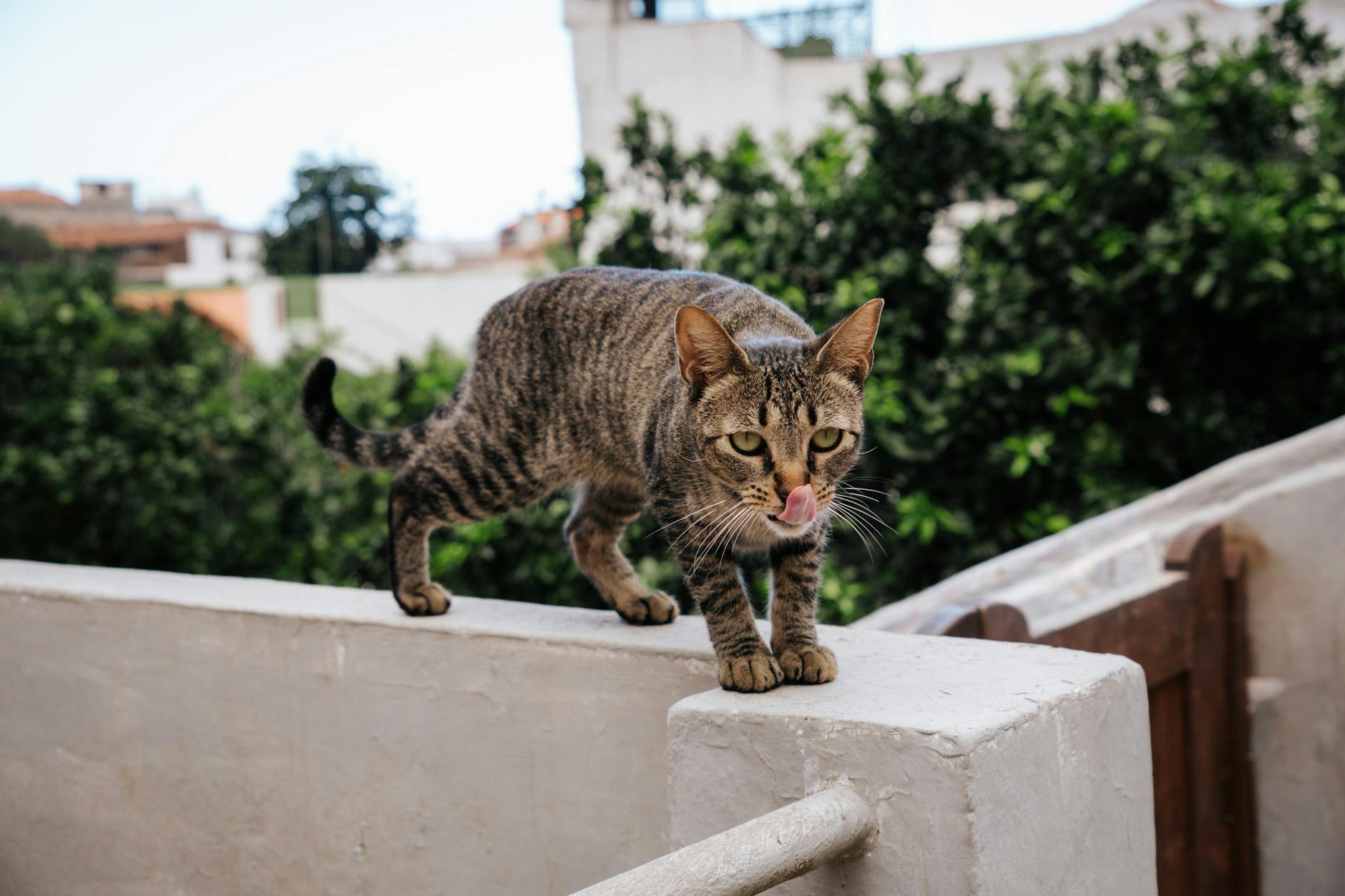
Cats lack the taste receptors for sweetness, which raises the question of why some cats show interest in peanut butter at all. The answer lies in the fat content and protein-rich aroma. Cats are drawn to calorie-dense foods as a survival instinct, and peanut butter’s high fat percentage registers as desirable to their palate. The roasted, savory smell of peanuts can also trigger a cat’s curiosity, similar to how they investigate other strong-smelling human foods. However, individual cats vary dramatically in their interest.
Some cats will completely ignore peanut butter while others seem obsessed with it. A cat that persistently begs for peanut butter is responding to the fat content, not experiencing the food the same way humans do. This distinction matters because owners sometimes assume their cat “loves” peanut butter and deserves it as a treat, when in reality the cat would be equally satisfied with a species-appropriate high-fat treat like a small piece of cooked salmon. It is worth noting that curiosity does not equal nutritional need. Cats also show interest in foods like grapes and onions, which are genuinely dangerous. A cat’s attraction to a food should never be interpreted as evidence that the food is safe or beneficial.
The Nutritional Mismatch Between Peanut Butter and Feline Dietary Needs
cats are obligate carnivores, meaning their bodies are designed to derive nutrition almost exclusively from animal tissue. Unlike omnivores, cats cannot efficiently process plant-based proteins and fats. Peanut butter’s protein comes entirely from legumes, which cats struggle to break down and utilize. A tablespoon of peanut butter contains roughly 8 grams of protein, but a cat’s digestive system will extract far less usable nutrition from it compared to the same amount of chicken or fish. The fat profile presents another problem.
Peanut butter is high in omega-6 fatty acids but lacks the omega-3s and animal-derived fats that support a cat’s coat, brain function, and organ health. Regularly substituting animal fats with plant-based alternatives can contribute to nutritional deficiencies over time, even if the cat appears healthy in the short term. However, if your cat accidentally consumes a small amount of plain peanut butter as a one-time occurrence, this nutritional mismatch is unlikely to cause noticeable harm. The concern applies primarily to repeated exposure or to owners who use peanut butter frequently as a treat or medication delivery method. In those cases, the cumulative effect of inappropriate nutrition adds up.
Xylitol and Other Dangerous Peanut Butter Ingredients
The most urgent risk associated with peanut butter and cats is xylitol, a sugar alcohol used as a low-calorie sweetener in many “natural” or “sugar-free” peanut butter brands. Xylitol is profoundly toxic to both cats and dogs, causing a rapid release of insulin that leads to hypoglycemia within 10 to 60 minutes of ingestion. Symptoms include vomiting, loss of coordination, seizures, and in severe cases, liver failure and death. Brands that have used xylitol in their peanut butter formulations include some varieties from Nuts ‘N More, Krush Nutrition, and P28 Foods, though ingredient lists change over time.
Any peanut butter marketed as low-sugar, keto-friendly, or diabetes-friendly warrants careful label inspection. Xylitol may also appear under the name “birch sugar” or “birch sap.” Beyond xylitol, some peanut butters contain excessive added salt, chocolate flavorings, or preservatives that can irritate a cat’s digestive system or pose additional toxicity risks. Chocolate-peanut butter combinations are particularly dangerous because theobromine in chocolate is also toxic to cats. The safest approach is to keep all peanut butter products away from cats, but if exposure occurs, verifying the ingredients immediately helps determine whether emergency veterinary care is needed.
What to Do If Your Cat Eats Peanut Butter
If your cat licks a small amount of plain peanut butter without xylitol, monitoring at home is usually sufficient. Watch for signs of gastrointestinal upset such as vomiting, diarrhea, or loss of appetite over the next 12 to 24 hours. Most cats will pass the peanut butter without incident, though some may experience mild stomach discomfort due to the high fat content. If your cat consumes peanut butter containing xylitol, this constitutes a veterinary emergency. Contact your veterinarian or an animal poison control hotline immediately, even if your cat seems fine initially.
Do not wait for symptoms to appear. Provide the veterinarian with information about the brand consumed, the estimated amount eaten, and your cat’s weight. Treatment may include induced vomiting, IV fluids, dextrose supplementation to stabilize blood sugar, and liver function monitoring. The comparison between xylitol exposure and plain peanut butter exposure illustrates why reading labels matters. One scenario requires watchful waiting at home, while the other demands immediate professional intervention that could save your cat’s life.
Safer Alternatives for Hiding Cat Medication
Many cat owners turn to peanut butter specifically because they need to disguise pills or liquid medications. While peanut butter’s sticky texture seems ideal for this purpose, several safer options exist. Commercial pill pockets designed for cats use meat-based formulations that are both palatable and digestible. Brands like Greenies and FELINE GREENIES make products specifically for this purpose.
For cats who resist commercial options, a small amount of wet cat food, cream cheese, or butter can serve the same function without the risks associated with peanut butter. Some owners have success with deli meat wrapped around pills or even small pieces of cooked chicken breast with a pocket cut for medication. The trade-off with these options is that they require slightly more preparation than simply scooping peanut butter from a jar. Cats who consistently refuse oral medication despite these strategies may benefit from compounded medications that come in transdermal gel form, applied to the inner ear flap, or flavored liquid suspensions. Discussing these alternatives with your veterinarian expands your options beyond wrestling with your cat over pills hidden in inappropriate foods.
Long-Term Health Effects of Regular Peanut Butter Consumption
Cats who regularly receive peanut butter as a treat face increased risks of obesity, pancreatitis, and digestive issues. A single tablespoon of peanut butter contains approximately 90 calories, which represents a significant portion of a cat’s daily caloric needs. An average 10-pound cat requires only about 200 to 250 calories per day, meaning one tablespoon of peanut butter could account for more than a third of their appropriate intake. The high fat content specifically stresses the pancreas, an organ responsible for producing digestive enzymes and regulating blood sugar.
Repeated high-fat insults to the pancreas can trigger pancreatitis, a painful and potentially life-threatening inflammatory condition. Symptoms include lethargy, vomiting, decreased appetite, and abdominal pain. Once a cat has experienced pancreatitis, they become more susceptible to future episodes. The limitation here is that occasional exposure in small amounts is unlikely to trigger these conditions in an otherwise healthy cat. The warning applies to establishing peanut butter as a regular treat, using it daily for medication, or allowing a cat unrestricted access to peanut butter left on counters or in accessible cabinets.
When Cats with Special Health Conditions Face Greater Risks
Certain cats face amplified dangers from peanut butter that healthy cats might tolerate in small amounts. Diabetic cats cannot afford the blood sugar fluctuations that high-fat, carbohydrate-containing foods cause. Cats with existing pancreatitis or inflammatory bowel disease may experience flare-ups from even small amounts of inappropriate fat. Senior cats with declining kidney function should avoid the added sodium present in most commercial peanut butter.
For example, a diabetic cat receiving peanut butter as a daily medication aid could experience unstable glucose readings that complicate insulin dosing and disease management. The veterinary team trying to regulate that cat’s diabetes would be fighting against an unnecessary dietary variable. Overweight cats represent another high-risk group. These cats already face strain on their joints, hearts, and metabolic systems. Adding calorie-dense treats with no nutritional benefit only compounds their weight management challenges.
Conclusion
Peanut butter occupies an unusual space in the world of cat nutrition: not toxic in its plain form, but also not beneficial and carrying genuine risks that make it a poor choice for feline consumption. The combination of inappropriate macronutrients, choking hazard potential, xylitol dangers in certain brands, and caloric density means this human favorite has no place in a cat’s regular diet.
Cat owners seeking treat options or medication delivery methods should explore the many cat-specific products and whole food alternatives that provide similar functionality without the drawbacks. If your cat has consumed peanut butter, check the ingredients for xylitol immediately and contact a veterinarian if that sweetener is present. For plain peanut butter exposure, monitor your cat and avoid making it a repeated occurrence.