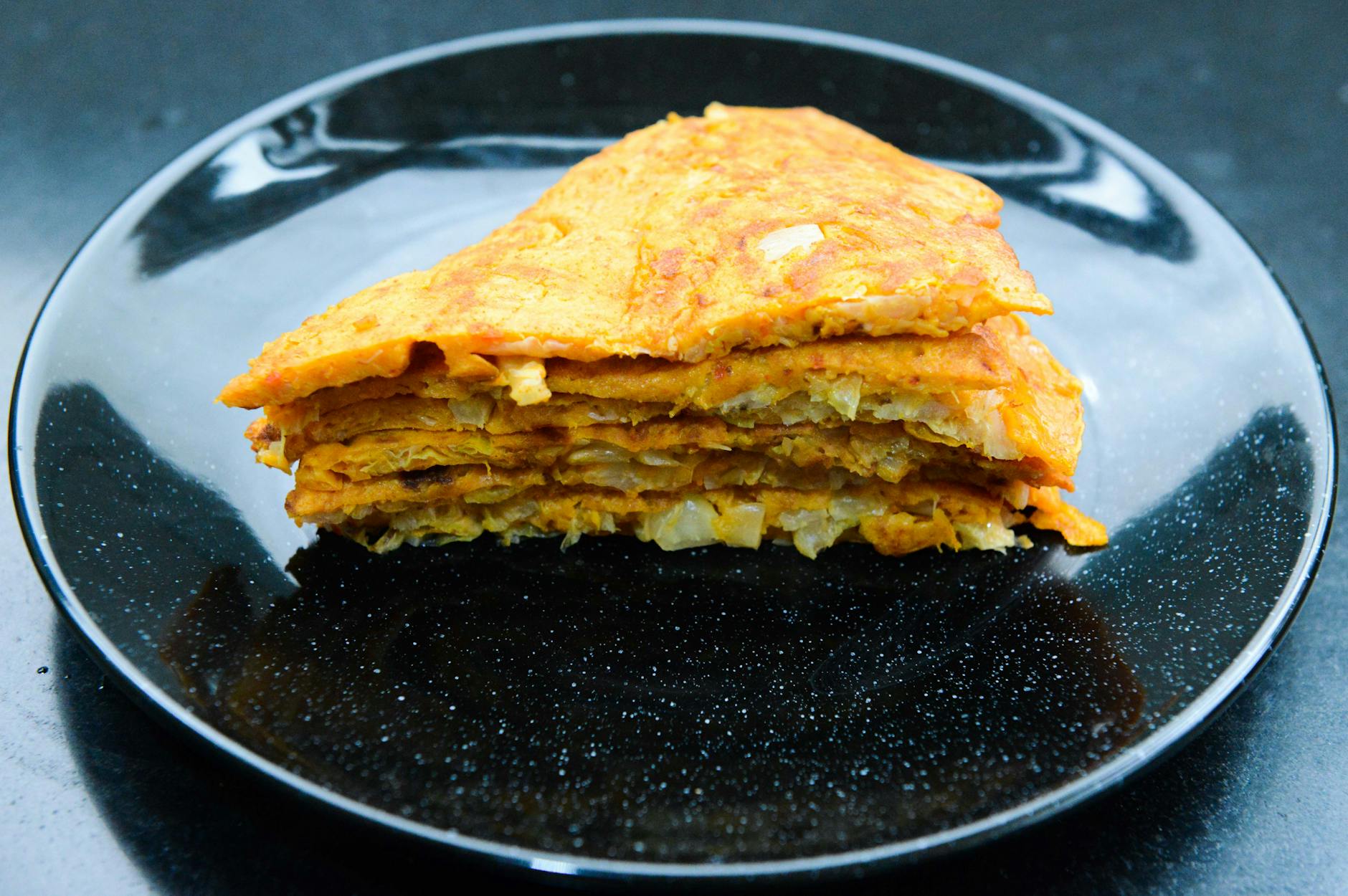
Scrambled eggs are generally safe for cats when prepared plain and served in moderation. Eggs provide a digestible source of protein and essential amino acids that can complement a cat’s carnivorous diet, and many cats find them quite palatable. The key safety consideration is preparation method””scrambled eggs made for feline consumption should contain no salt, butter, oil, milk, onions, garlic, or other seasonings that could harm your cat. A tablespoon or two of plain scrambled egg offered as an occasional treat poses no health risk for most healthy adult cats.
That said, eggs should never replace a nutritionally complete cat food. A cat named Oliver, for instance, might eagerly devour scrambled eggs every morning if given the chance, but relying on eggs as a dietary staple would leave him deficient in taurine, vitamin A, and other nutrients cats require in specific ratios. Some cats also have egg allergies or sensitivities, and kittens, senior cats, or those with certain health conditions may need to avoid eggs entirely. This article covers proper preparation methods, appropriate serving sizes, nutritional benefits and limitations, signs of egg intolerance, and how scrambled eggs compare to other protein treats you might consider for your cat.
Table of Contents
- What Makes Scrambled Eggs a Safe Treat for Cats?
- Nutritional Benefits and Limitations of Eggs for Cats
- How Much Scrambled Egg Can You Give a Cat?
- Signs Your Cat May Have an Egg Allergy or Intolerance
- Comparing Scrambled Eggs to Other Protein Treats
- Long-Term Considerations for Feeding Eggs to Cats
- Conclusion
What Makes Scrambled Eggs a Safe Treat for Cats?
Eggs contain complete proteins, meaning they provide all the essential amino acids cats need to maintain muscle mass, support immune function, and sustain healthy skin and coat. The cooking process in scrambling eliminates the risk of salmonella and other bacterial contamination present in raw eggs, making scrambled eggs safer than their uncooked counterparts. Cooked egg whites also avoid a compound called avidin, which in raw form can interfere with biotin absorption and potentially cause skin and coat problems over time. The digestibility of cooked eggs makes them suitable for cats with sensitive stomachs who might struggle with richer treats.
Unlike some protein sources that require extensive processing for cats to break down, scrambled eggs are soft, easily chewed, and gentle on the digestive tract. Veterinarians sometimes recommend plain scrambled eggs as a bland food option for cats recovering from gastrointestinal upset, similar to how boiled chicken serves this purpose. However, the safety of scrambled eggs hinges entirely on their preparation. The version you make for yourself””seasoned, buttered, perhaps mixed with cheese””is not the version your cat should eat. Cats lack the metabolic pathways to efficiently process sodium in the quantities humans consume, and ingredients like onion powder or chives that might flavor your breakfast are genuinely toxic to felines.

Nutritional Benefits and Limitations of Eggs for Cats
A single large egg contains approximately 6 grams of protein, 5 grams of fat, and meaningful amounts of vitamins A, D, E, B12, riboflavin, and selenium. For an obligate carnivore like a cat, this nutrient profile appears ideal on the surface. The amino acid profile closely matches feline dietary requirements, and the bioavailability of egg protein exceeds that of many plant-based protein sources sometimes found in commercial cat foods. The limitation lies in what eggs lack rather than what they contain. Eggs provide virtually no taurine, an amino acid cats cannot synthesize and must obtain from their diet to prevent heart disease, vision problems, and reproductive issues.
Cats eating eggs as their primary protein source would develop taurine deficiency within weeks to months. Similarly, eggs contain no arachidonic acid, another essential nutrient cats require from animal tissue, and their calcium-to-phosphorus ratio doesn’t support feline bone health when consumed in significant quantities. For example, a rescue organization once encountered a well-meaning owner who had been feeding her cat almost exclusively scrambled eggs for months, believing she was providing premium nutrition. The cat developed dilated cardiomyopathy from taurine deficiency and required emergency veterinary intervention. This case illustrates why eggs must remain an occasional supplement rather than a dietary foundation.
How Much Scrambled Egg Can You Give a Cat?
Portion control matters significantly when offering scrambled eggs to cats. The general guideline suggests that treats of any kind””including eggs””should comprise no more than ten percent of a cat’s daily caloric intake. For an average ten-pound cat requiring roughly 200 calories per day, that’s about 20 calories from treats, which translates to approximately one tablespoon of scrambled egg. Compared to commercial cat treats, scrambled eggs offer a better nutritional profile but similar caloric density. A tablespoon of scrambled egg contains roughly the same calories as three or four commercial treats but provides more protein and fewer artificial ingredients.
The tradeoff is convenience and shelf stability””you can’t carry scrambled eggs in your pocket for training sessions, and they require refrigeration and timely consumption. Frequency matters as much as portion size. Offering a tablespoon of scrambled egg once or twice per week is reasonable for most cats. Daily eggs, even in small amounts, begin to shift the overall diet composition in ways that may reduce appetite for nutritionally complete foods. If your cat starts turning up her nose at regular meals in favor of eggs, you’ve likely been too generous with this particular treat.

Signs Your Cat May Have an Egg Allergy or Intolerance
While relatively uncommon, egg allergies do occur in cats and manifest through various symptoms that may not appear immediately obvious. Allergic reactions typically involve the skin””watch for excessive scratching, hair loss, red or inflamed patches, and small scabs around the head and neck. Some cats develop gastrointestinal symptoms instead, including vomiting, diarrhea, or notably increased flatulence following egg consumption. The timing of symptoms provides diagnostic clues. True allergic reactions usually appear within hours of eating eggs and recur consistently with each exposure.
Intolerance, which involves digestive difficulty rather than immune response, may cause milder symptoms that worsen with repeated or larger servings. A cat might tolerate a small taste of scrambled egg but experience loose stool after eating a full tablespoon. If you suspect egg sensitivity, the only reliable test is elimination and reintroduction. Remove eggs entirely from your cat’s diet for at least eight weeks, then offer a small amount and observe closely for 48 hours. Veterinary guidance is valuable here, particularly if your cat has shown allergic tendencies toward other foods. Cats with known poultry allergies””to chicken, turkey, or duck””face higher odds of reacting to eggs as well.
Comparing Scrambled Eggs to Other Protein Treats
Plain cooked chicken remains the most popular protein treat among cat owners, and it offers certain advantages over eggs. Chicken provides more taurine, matches the texture of prey animals more closely, and rarely triggers the digestive issues some cats experience with eggs. However, chicken requires more preparation time and presents greater food safety concerns if undercooked. Small amounts of cooked fish, another common treat option, deliver omega-3 fatty acids that eggs and chicken provide in lesser quantities.
Fish carries its own risks, though””high mercury content in certain species, potential for thiamine deficiency with excessive consumption, and a tendency to create finicky eaters who refuse other foods. Scrambled eggs occupy a middle ground, easier to prepare than fish or chicken but nutritionally less complete. For cats who enjoy variety, rotating between scrambled eggs, plain chicken, and occasional fish provides a broader nutrient spectrum than relying on any single treat. One week might include a tablespoon of scrambled egg, the next a few bites of boiled chicken, keeping the overall treat intake moderate while satisfying a cat’s apparent preference for dietary diversity.

Long-Term Considerations for Feeding Eggs to Cats
Research into feline nutrition continues to refine our understanding of optimal diets, and eggs remain an area of some scientific interest. Their complete amino acid profile and high digestibility make them candidates for inclusion in therapeutic veterinary diets, particularly for cats with protein sensitivities or those requiring easily digestible nutrition during recovery from illness.
Looking ahead, owners should view scrambled eggs as one tool among many for enriching their cat’s diet and strengthening the human-animal bond. The act of preparing a special food and sharing it creates positive associations that benefit the relationship. Just maintain perspective on eggs’ proper role””a valued occasional treat, never a dietary staple, and always prepared with your cat’s specific health needs in mind.
Conclusion
Scrambled eggs prepared plain and served in appropriate portions offer a safe, nutritious treat for most healthy cats. The protein quality is excellent, the preparation is straightforward, and many cats genuinely enjoy the taste and texture.
Success depends on avoiding all seasonings and additives, limiting servings to about a tablespoon once or twice weekly, and watching for any signs of digestive upset or allergic reaction. Before introducing scrambled eggs or any new food to your cat’s diet, consider their overall health status and consult your veterinarian if your cat has kidney disease, pancreatitis, food allergies, or other conditions that might affect tolerance. With sensible precautions, scrambled eggs can become a welcome addition to the occasional treats you share with your feline companion.