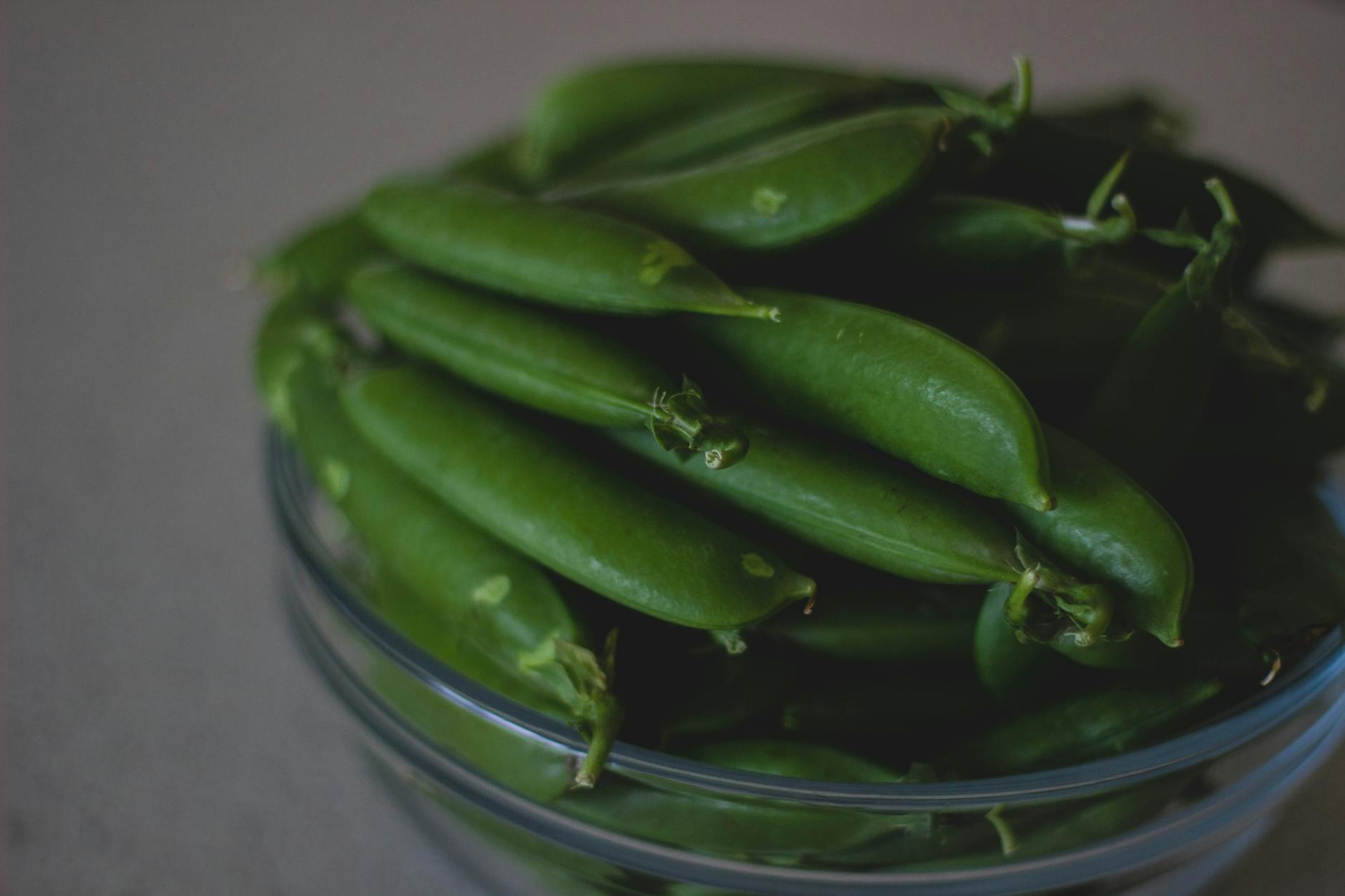
Yes, cats can eat peas without digestive issues when served properly and in small amounts. Peas are non-toxic to cats and are commonly included as an ingredient in many commercial cat foods, making them a generally safe occasional treat. However, the key word here is “occasional.” A cat who gobbles down a handful of peas will likely experience gas, diarrhea, or vomiting, while one who receives two or three cooked peas a couple of times per week typically tolerates them just fine. The difference comes down to quantity, preparation, and the individual cat’s digestive sensitivity. Consider a typical scenario: your cat shows interest while you are preparing dinner and you toss her a few steamed peas from your plate.
In most cases, she will eat them without any problems. But if you were to share half your serving, you would probably find yourself cleaning up an unpleasant mess later that evening. Cats are obligate carnivores, meaning their digestive systems evolved to process meat efficiently, not plant matter. While peas are not harmful in the way that onions or garlic are, a cat’s gut simply is not built to handle large quantities of fibrous vegetables. This article covers the specific digestive concerns associated with feeding peas to cats, the surprising benefits that small amounts of peas can offer, proper preparation methods, recommended serving sizes, and warning signs that indicate your cat may not tolerate peas well. Understanding these factors will help you make informed decisions about whether peas belong in your cat’s treat rotation.
Table of Contents
- Are Peas Safe for Cats to Digest?
- Common Digestive Problems Cats Experience from Eating Too Many Peas
- How Pea Fiber Can Actually Help Certain Digestive Issues
- Recommended Serving Sizes to Prevent Digestive Upset
- Warning Signs That Your Cat Is Not Tolerating Peas Well
- Comparing Peas to Other Vegetables Cats Can Eat
- When to Consult Your Veterinarian About Peas in Your Cat’s Diet
- Conclusion
Are Peas Safe for Cats to Digest?
Peas are considered safe for feline consumption from a toxicity standpoint. Unlike grapes, chocolate, or members of the allium family, peas contain no compounds that are inherently poisonous to cats. This is why you will find peas listed among the ingredients in numerous cat food brands, where they often serve as a source of carbohydrates and fiber. The safety of peas as a commercial ingredient reflects their general tolerability when included as part of a balanced, meat-based diet. That said, “safe” and “ideal” are not the same thing. A cat’s digestive tract is short and designed to extract nutrients from animal protein quickly and efficiently. Plant cell walls, which contain cellulose, are difficult for cats to break down.
When a cat eats peas, she is essentially asking her digestive system to do something it was not optimized for. In small amounts, most cats handle this fine. In larger amounts, the system gets overwhelmed, and digestive upset follows. The distinction matters for practical feeding decisions. A cat who eats a few peas mixed into her regular food is unlikely to experience any problems. A cat who gets into an unattended bowl of peas or receives them as a frequent daily snack is at much higher risk for gastrointestinal distress. The dose, as they say, makes the poison, even when the food itself is technically non-toxic.
Common Digestive Problems Cats Experience from Eating Too Many Peas
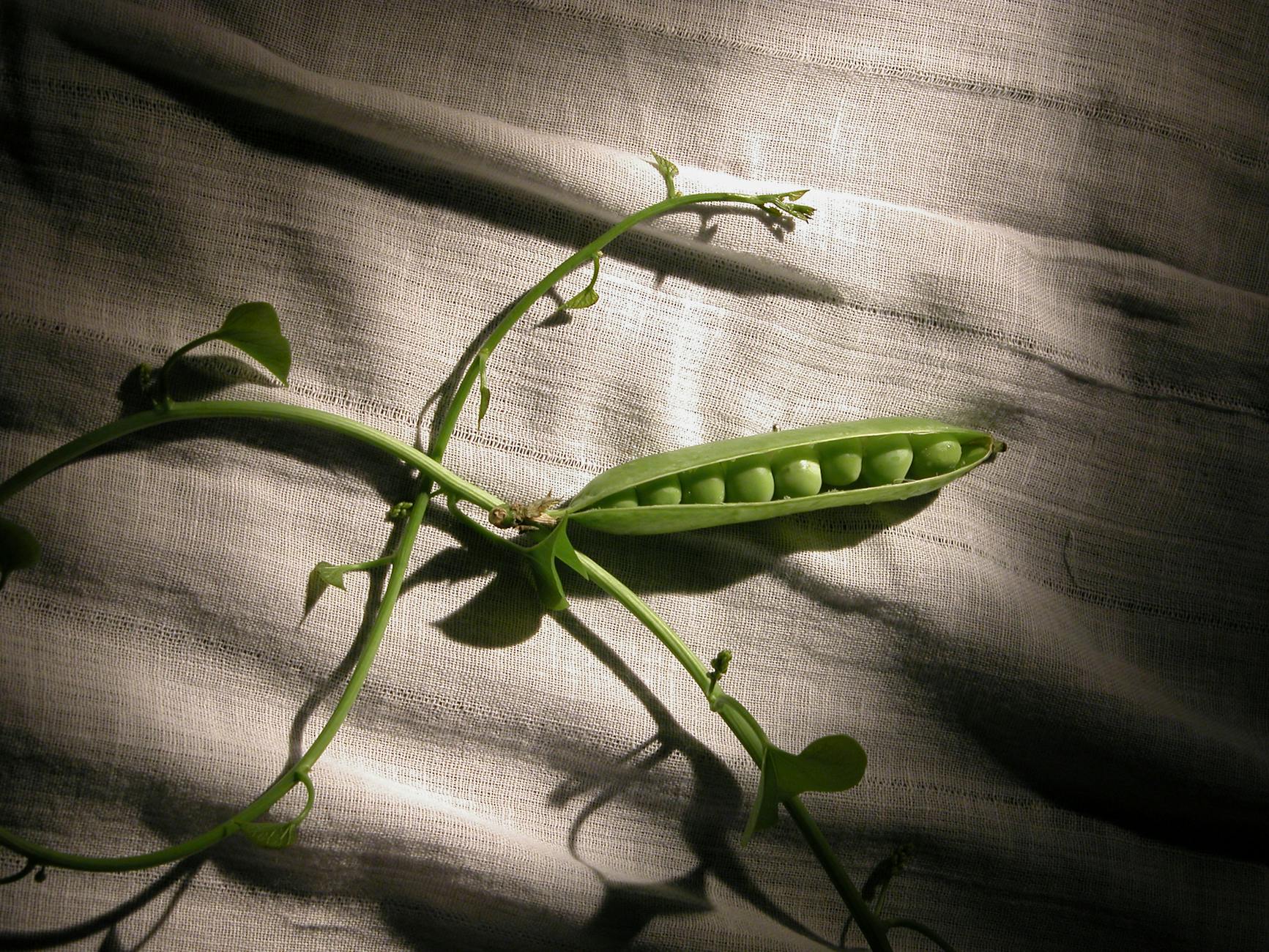
When cats consume peas in quantities that exceed their digestive capacity, several uncomfortable symptoms can develop. Flatulence is often the first sign, as the fiber in peas ferments in the gut and produces gas. Vomiting may occur if the stomach struggles to process the unfamiliar plant matter. Diarrhea can result from the intestines moving the material through too quickly, while paradoxically, some cats experience constipation if the fiber absorbs too much water in the digestive tract. The culprit behind these issues is primarily the fiber content, most of which is concentrated in the pea skins.
Pea plants are inherently fibrous and difficult for cats to break down efficiently. While fiber serves important functions in human and herbivore digestion, a cat’s system is not equipped to handle significant quantities. The result is similar to what happens when a person who rarely eats fiber suddenly consumes a large salad: the gut rebels. However, if your cat has eaten peas before without incident and suddenly develops symptoms, the peas may not be the only factor at play. Cats can develop sensitivities over time, or the peas in question may have been prepared differently, perhaps with added salt or butter that contributed to the digestive upset. Always consider the full context when evaluating what caused your cat’s discomfort.
How Pea Fiber Can Actually Help Certain Digestive Issues
Here is where the relationship between cats and peas becomes more nuanced. While excessive fiber causes problems, small amounts of fiber can actually benefit cats who struggle with certain digestive issues. The fiber found in pea skins can help regulate bowel movements in cats experiencing constipation or mild diarrhea. It adds bulk to stool and helps maintain healthy intestinal transit times. For example, a senior cat with chronic constipation might benefit from having a few mashed peas mixed into her wet food once or twice a week.
The added fiber can help move things along without resorting to more invasive interventions. Similarly, a cat recovering from a bout of mild diarrhea may find that a small amount of fiber helps firm up loose stools. This is one reason why some veterinarians recommend pumpkin or other fiber sources for cats with digestive irregularities. The critical distinction is between therapeutic use and casual feeding. A cat with a diagnosed digestive issue who receives carefully measured amounts of peas under veterinary guidance is in a very different situation from a cat who receives peas haphazardly as treats. If you are considering using peas to address a specific digestive problem, consult your veterinarian first to determine whether it is appropriate for your cat’s particular condition and what amount would be beneficial rather than harmful.

Recommended Serving Sizes to Prevent Digestive Upset
Veterinary guidelines suggest keeping pea consumption to less than one tablespoon of cooked peas per week for most cats. An alternative way to think about it is two to three individual peas, offered one to two times per week. Either guideline keeps the quantity low enough that the average cat’s digestive system can handle it without difficulty. These recommendations tie into the broader 10 percent rule for treats. All treats, including peas, should not exceed 10 percent of a cat’s daily caloric intake. For a typical 10-pound indoor cat consuming around 200 calories per day, that means no more than 20 calories from treats.
Since peas contain roughly 5 calories per tablespoon, even a full tablespoon falls well within acceptable limits, but the digestive fiber concern means keeping quantities even lower than caloric math alone would suggest. The tradeoff here is between variety and simplicity. Offering peas as an occasional treat adds dietary diversity and may provide enrichment for cats who enjoy vegetables. But if your cat is perfectly happy with her regular food and meat-based treats, there is no nutritional requirement to add peas to her diet. The benefits are modest, and the risks, while manageable, are not zero. Consider your individual cat’s preferences and digestive history when deciding whether peas are worth incorporating.
Warning Signs That Your Cat Is Not Tolerating Peas Well
Even when following proper preparation and serving guidelines, some cats simply do not tolerate peas well. Watch for vomiting within a few hours of eating peas, as this suggests the stomach is rejecting the material. Diarrhea or unusually soft stools in the day or two following pea consumption indicates intestinal irritation. Excessive gas, while less serious, signals that fermentation is occurring and the gut is struggling with the fiber load. If your cat experiences any of these symptoms after eating peas, the appropriate response is to stop feeding peas and observe whether the symptoms resolve on their own.
Most mild digestive upset clears within 24 to 48 hours once the offending food is removed. However, if vomiting or diarrhea persists beyond this window, or if your cat shows signs of dehydration, lethargy, or loss of appetite, contact your veterinarian. These could indicate a more serious reaction or an unrelated health issue that coincidentally appeared after the pea consumption. Some cats with inflammatory bowel disease, food sensitivities, or other chronic digestive conditions may be particularly poor candidates for peas or any other plant-based treats. If your cat has a history of digestive problems, consult your veterinarian before introducing peas to determine whether they are appropriate given your cat’s specific health profile.
Comparing Peas to Other Vegetables Cats Can Eat
Peas are not the only vegetable option for cats who enjoy plant matter. Cooked carrots, steamed broccoli, and plain pumpkin are also considered safe in small quantities. Each has a slightly different nutritional profile and digestive impact.
Pumpkin, for instance, is often recommended specifically for digestive regulation because its fiber content is gentler on feline systems than that of peas. Compared to these alternatives, peas fall somewhere in the middle in terms of digestive tolerability. They are easier for most cats to handle than raw vegetables but may cause more gas than softer options like pumpkin puree. A cat who experiences digestive upset from peas might do fine with a different vegetable, or she might simply be a cat whose system prefers an all-meat diet.
When to Consult Your Veterinarian About Peas in Your Cat’s Diet
Before introducing peas or any new food to your cat’s diet, consulting your veterinarian is always the safest approach. This is especially true if your cat is a kitten, a senior, or has any existing health conditions. Your vet can provide personalized guidance based on your cat’s medical history, current diet, and nutritional needs.
They can also help you interpret any digestive symptoms that arise after dietary changes and determine whether peas should be eliminated or whether another factor is responsible. Looking ahead, the trend in feline nutrition continues to emphasize species-appropriate diets that prioritize high-quality animal protein. While peas and other vegetables have a place as occasional treats, they should never replace meat-based nutrition or constitute a significant portion of a cat’s caloric intake. Understanding this context helps put peas in proper perspective: a harmless occasional snack for most cats, but not a dietary necessity.
Conclusion
Cats can eat peas without digestive issues when the peas are properly prepared and served in appropriate quantities. Cooking peas, removing them from pods, avoiding all seasonings, and limiting servings to two or three peas once or twice weekly will keep most cats comfortable. The fiber that causes problems in large amounts can actually help cats with certain digestive issues when offered in small, controlled portions. The decision to feed peas ultimately depends on your individual cat.
If she enjoys them and tolerates them well, peas can serve as a low-calorie treat that adds variety to her diet. If she shows no interest or experiences digestive upset, there is no reason to persist. Plenty of cats live perfectly healthy lives without ever eating a pea. Monitor your cat’s response, adjust accordingly, and consult your veterinarian with any concerns.