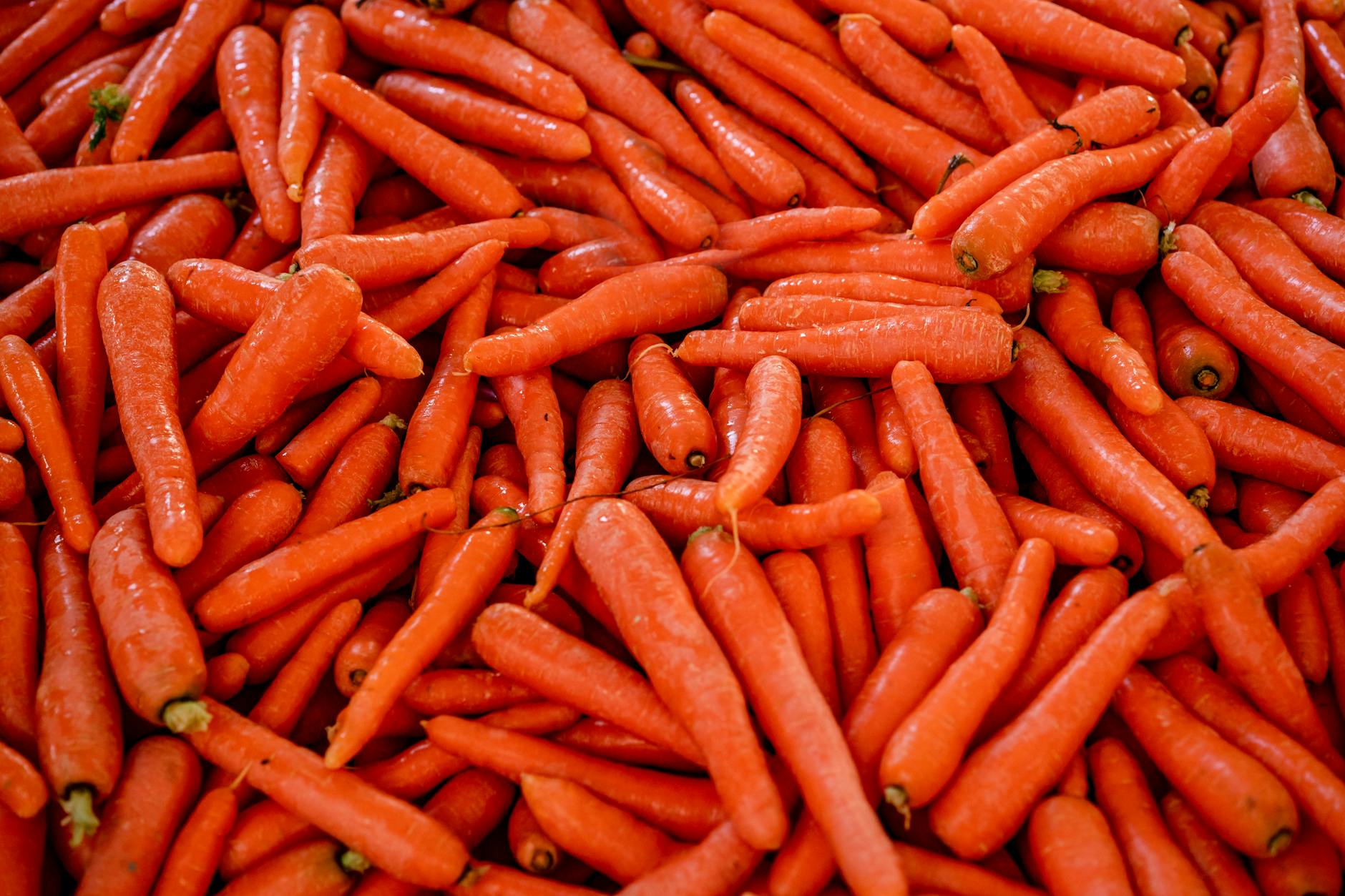
Yes, cats can eat carrots safely in small amounts. Carrots are non-toxic to cats and pose no immediate health risk when prepared properly. However, the key word here is “safely”””not “beneficially.” Unlike humans who gain significant nutritional value from carrots, cats are obligate carnivores whose digestive systems evolved to process meat, not vegetables. A cat eating a small piece of cooked carrot as an occasional treat is perfectly fine, but carrots should never become a regular part of their diet or replace protein-rich foods. Consider a scenario where your cat shows interest in the carrots you’re chopping for dinner.
Offering a tiny, soft piece won’t harm your pet, and some cats genuinely enjoy the texture. One cat owner reported that her senior tabby developed a fondness for mashed carrots, eating a teaspoon-sized portion once or twice a week without any digestive issues. This is within the realm of acceptable treat-giving, provided the carrot is cooked and served plain. This article covers everything you need to know about feeding carrots to your cat, including preparation methods, portion guidelines, potential risks, and why carrots offer limited nutritional value for felines. We’ll also explore which cats should avoid carrots entirely and how this vegetable compares to other cat-safe snacks.
Table of Contents
- Are Carrots Nutritious for Cats, and Do They Benefit from Eating Them?
- Why Some Cats Show Interest in Carrots While Others Ignore Them
- Carrots Versus Other Cat-Safe Vegetables: Making the Best Choice
- When Carrots Become Dangerous: Risks and Cats Who Should Avoid Them
- Carrot Tops and Carrot Juice: Are These Safe for Cats Too?
- Understanding Your Cat’s True Dietary Needs Beyond Occasional Treats
- Conclusion
Are Carrots Nutritious for Cats, and Do They Benefit from Eating Them?
Carrots contain beta-carotene, fiber, potassium, and various vitamins that humans find beneficial. For cats, however, these nutrients are largely irrelevant. The most notable example is beta-carotene, which humans and dogs convert into vitamin A. Cats lack the intestinal enzyme necessary to make this conversion, meaning they cannot derive vitamin A from plant sources at all. They must obtain this essential nutrient from animal tissues, particularly liver. The fiber in carrots might seem like a digestive aid, but cats have short digestive tracts designed for rapid meat processing.
Excessive fiber can actually cause gastrointestinal upset, including diarrhea or vomiting. While a tiny amount of fiber isn’t harmful, cats don’t need fiber supplementation from vegetables the way omnivores do. Compared to a species-appropriate treat like a small piece of cooked chicken, carrots offer essentially no nutritional advantage for cats. The chicken provides protein and amino acids that align with feline biology, whereas the carrot is simply a low-calorie filler. If you’re looking to provide health benefits through treats, meat-based options are far superior. Carrots are acceptable but nutritionally empty for your cat.
Why Some Cats Show Interest in Carrots While Others Ignore Them
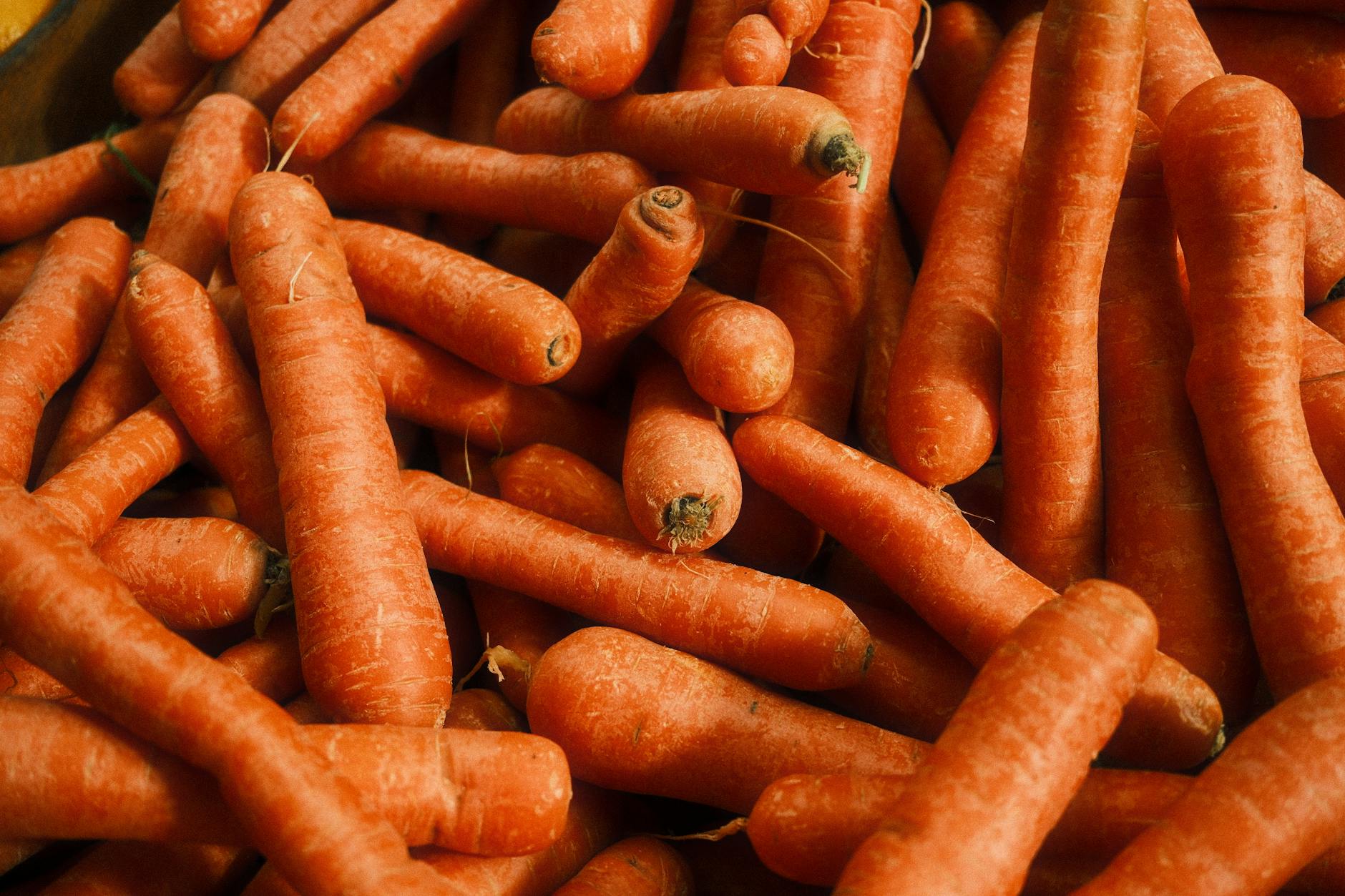
Cats lack taste receptors for sweetness, so the natural sugars in carrots don’t appeal to them the way they might to a dog or human. When a cat shows interest in carrots, it’s typically due to texture, temperature, or simple curiosity about what their owner is eating. Some cats are drawn to the crunch of a raw carrot or the soft, mashable consistency of a cooked one. Others are completely indifferent. A specific example comes from multi-cat households where food preferences vary dramatically.
One owner described how her three cats responded entirely differently to cooked carrots: one ate the piece immediately, another sniffed and walked away, and the third batted it around the floor like a toy before losing interest. This variation is normal and reflects individual personality rather than any nutritional need. If your cat ignores carrots entirely, don’t force the issue. There’s no health requirement for cats to eat vegetables, and refusing carrots indicates nothing about your cat’s well-being. Conversely, if your cat obsessively seeks out carrots or other vegetables, consult your veterinarian. Unusual food-seeking behavior can sometimes indicate underlying nutritional deficiencies or health conditions.
Carrots Versus Other Cat-Safe Vegetables: Making the Best Choice
Several vegetables are considered safe for cats in small amounts, including pumpkin, peas, green beans, and zucchini. Each has different properties worth considering. Pumpkin, for instance, is often recommended by veterinarians for cats with constipation or diarrhea because its fiber content can help regulate digestion. Carrots don’t offer this therapeutic benefit as reliably. Green beans and peas are sometimes used as low-calorie fillers in weight management diets for overweight cats, though this approach remains controversial among feline nutritionists who argue that cats should simply eat less of their regular food rather than adding plant matter.
Carrots fall into this same category””a low-calorie option, but not one that addresses the root cause of feline obesity. The tradeoff with any vegetable treat is this: you’re giving your cat something that won’t harm them but also won’t help them nutritionally, while potentially displacing appetite for foods they actually need. A cat that fills up on carrot pieces might eat less of their balanced cat food at mealtime. For most healthy cats receiving occasional tiny portions, this isn’t a concern. For cats with appetite issues, weight problems, or health conditions, even “safe” treats require careful consideration.
When Carrots Become Dangerous: Risks and Cats Who Should Avoid Them
Diabetic cats should not eat carrots. Despite being a vegetable, carrots have a relatively high glycemic index and contain natural sugars that can spike blood glucose levels. A cat managing diabetes on a carefully controlled diet could experience destabilization from carrot treats. Always consult your veterinarian before introducing any new food to a diabetic cat’s routine. Cats with inflammatory bowel disease, chronic pancreatitis, or other gastrointestinal conditions may also react poorly to carrots. The fiber and plant matter can exacerbate inflammation or cause flare-ups in sensitive digestive systems.
Similarly, cats with food allergies or intolerances should approach new foods cautiously. While carrot allergies in cats are rare, they’re not impossible. Another warning involves carrot preparation. Baby food containing carrots often includes onion powder, garlic, or other additives that are toxic to cats. Never assume a carrot product is safe without reading the ingredient list thoroughly. Plain, home-cooked carrots that you’ve prepared yourself are the only reliably safe option. Canned carrots frequently contain added sodium, which cats should avoid, so fresh carrots are preferable.
Carrot Tops and Carrot Juice: Are These Safe for Cats Too?
Carrot greens””the leafy tops attached to fresh carrots””are technically non-toxic to cats but are not recommended. These greens can be tough and fibrous, presenting both a choking hazard and digestive difficulty. Some sources suggest carrot tops may cause mild gastrointestinal upset even in small amounts. If your cat nibbles a leaf that fell on the floor, there’s no need for alarm, but intentionally feeding carrot greens serves no purpose.
Carrot juice is similarly inadvisable. Juicing concentrates the natural sugars while removing the fiber, creating a liquid that offers no benefits and potential drawbacks. Cats generally don’t enjoy drinking vegetable juices, and the sugar content makes it inappropriate for regular consumption. Fresh water remains the only liquid cats need beyond their food’s moisture content.
Understanding Your Cat’s True Dietary Needs Beyond Occasional Treats
The conversation about whether cats can eat carrots sometimes distracts from the more important question: what should cats eat? Cats require a diet high in animal protein, with specific amino acids like taurine that they cannot synthesize themselves. Commercial cat foods are formulated to meet these needs, and a complete, balanced diet requires no supplementation from vegetables, fruits, or other human foods. Looking forward, the trend in feline nutrition is moving toward higher-protein, lower-carbohydrate formulations that more closely mimic what cats would eat in the wild.
Vegetables like carrots may become even less relevant as cat owners gain better understanding of obligate carnivore biology. While carrots will always be a harmless occasional treat for cats who enjoy them, they’ll never be a meaningful part of feline nutrition. Focus your attention on providing high-quality, meat-based nutrition, and treat carrots as exactly what they are””an optional, inconsequential extra.
Conclusion
Cats can safely eat small amounts of cooked, plain carrots as an occasional treat. The vegetable is non-toxic and won’t cause harm when prepared properly and served in moderation. However, carrots provide no nutritional benefit to cats, who cannot convert plant-based nutrients into usable forms.
They’re a neutral snack at best””neither helpful nor harmful when portion sizes stay small. If your cat enjoys carrots, there’s no reason to withhold them entirely. Offer tiny pieces of steamed or boiled carrot once or twice weekly at most, watch for any digestive upset, and remember that meat-based treats align far better with your cat’s biological needs. For diabetic cats, those with gastrointestinal conditions, or any cat with health concerns, consult your veterinarian before introducing carrots or any new food.