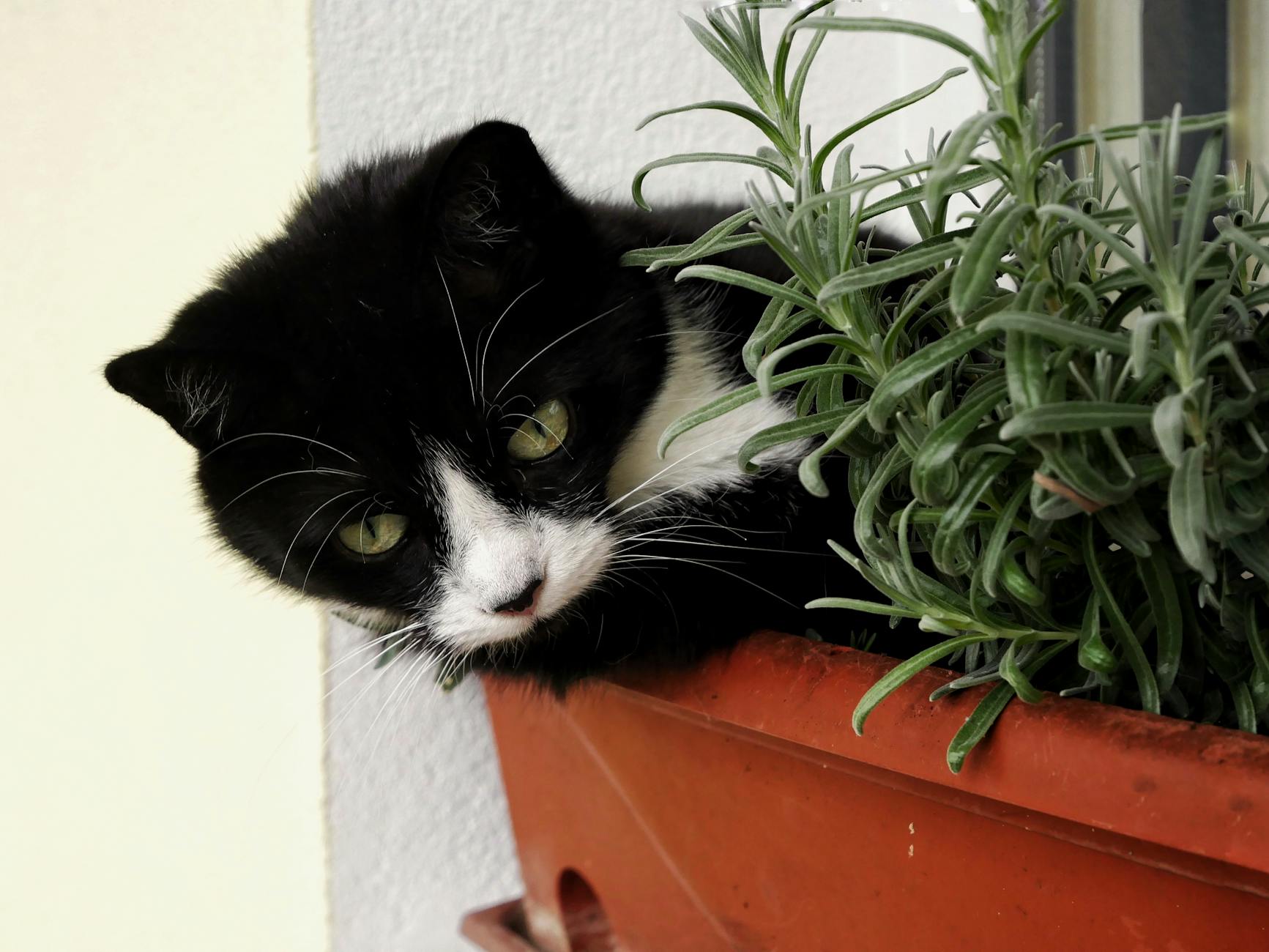
Yes, chives are toxic to cats and should be kept away from felines at all times. Chives belong to the Allium family, which includes onions, garlic, leeks, and shallots, and all members of this plant group contain compounds called organosulfoxides that break down into highly reactive oxidants when chewed or digested. These compounds damage red blood cells in cats, leading to a condition called hemolytic anemia, which can be life-threatening if left untreated. Even small amounts of chives, whether fresh, dried, or cooked, pose a genuine health risk to cats. Consider a scenario where a cat nibbles on a potted chive plant sitting on a kitchen windowsill.
Within hours to days, the cat may begin showing signs of gastrointestinal distress, lethargy, or pale gums. Many cat owners mistakenly believe that because chives are an herb rather than a pungent bulb like an onion, they might be safer. This assumption is dangerous. Gram for gram, chives actually concentrate these toxic compounds more densely than some other Allium species, making even a small exposure potentially harmful. This article covers why chives specifically harm cats, the symptoms of Allium toxicity, what to do if your cat eats chives, how to prevent accidental exposure, and which safe herb alternatives you can grow instead. Understanding the full scope of this toxicity helps cat owners make informed decisions about which plants to keep in and around their homes.
Table of Contents
- Why Are Chives Dangerous for Cats Specifically?
- Symptoms of Chive Poisoning in Cats
- What to Do If Your Cat Eats Chives
- Preventing Chive Exposure in Cat Households
- Hidden Sources of Chive Toxicity
- Safe Herb Alternatives for Cat-Friendly Homes
- Long-Term Health Considerations After Chive Exposure
- Conclusion
Why Are Chives Dangerous for Cats Specifically?
Cats lack certain metabolic pathways that other animals possess to break down and eliminate the toxic compounds found in Allium plants. When a cat ingests chives, the organosulfoxides are metabolized into thiosulfates and other reactive sulfur compounds. These substances attack the hemoglobin in red blood cells, causing oxidative damage that leads to the formation of Heinz bodies, which are clumps of damaged hemoglobin visible under a microscope. Red blood cells containing Heinz bodies become fragile and are destroyed by the body faster than they can be replaced. Dogs can also be affected by Allium toxicity, but cats are considerably more susceptible. A cat would need to consume approximately 0.5 percent of its body weight in onions to experience toxicity, but with concentrated Allium plants like chives and garlic, that threshold drops significantly.
For a 10-pound cat, this means just a few grams of chives could trigger a toxic reaction. The concentrated nature of chives as an herb, often used in small quantities precisely because of their potent flavor, makes them paradoxically more dangerous than larger Allium vegetables. Another factor that increases risk is the cumulative nature of this toxicity. Unlike some poisons that clear the system quickly, the damage to red blood cells builds up over time. A cat that regularly nibbles small amounts of chives from a garden or houseplant can develop chronic hemolytic anemia without a single large exposure event. This insidious accumulation means symptoms may not appear until substantial damage has already occurred.
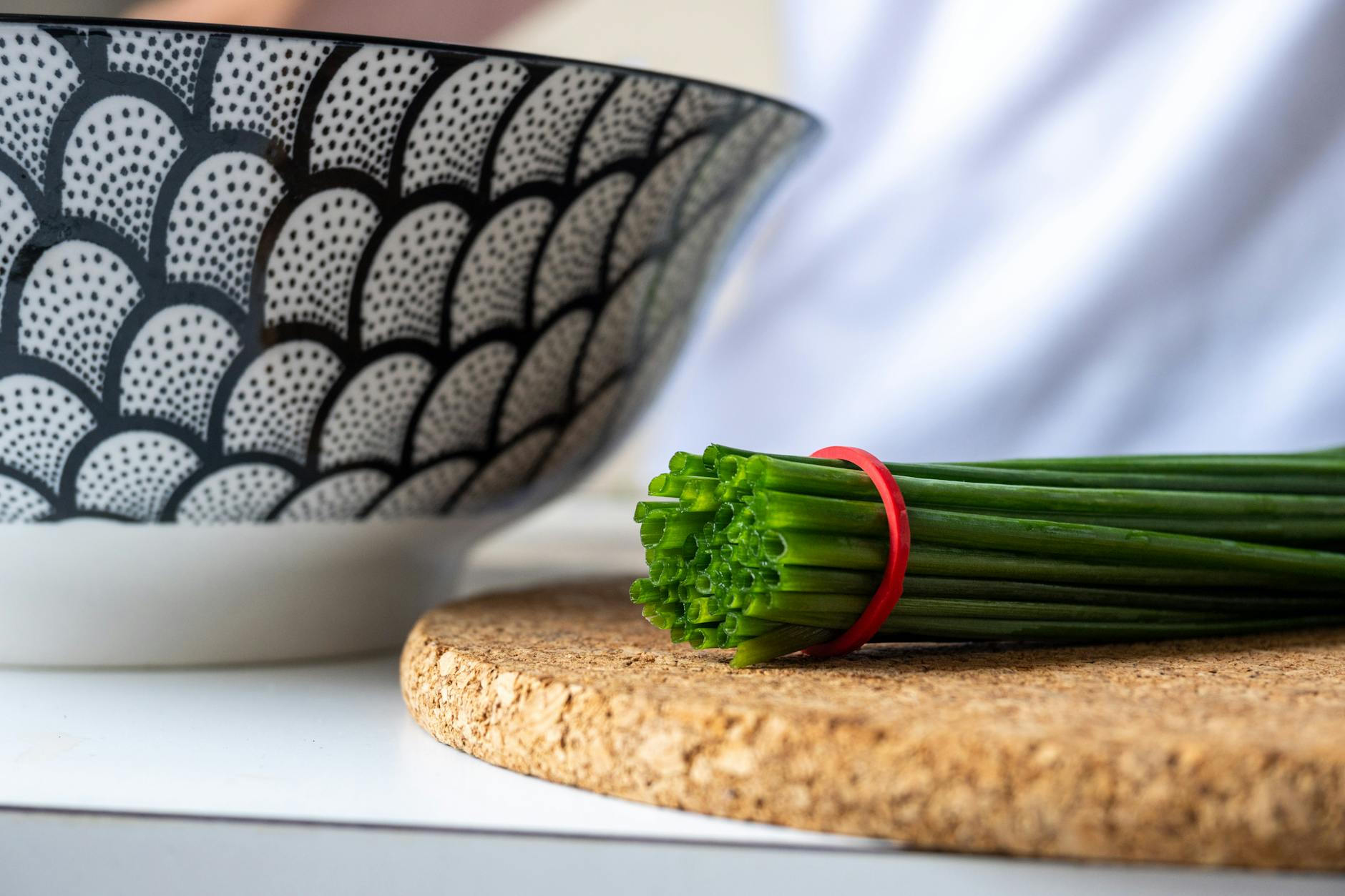
Symptoms of Chive Poisoning in Cats
The signs of Allium toxicity in cats typically appear within one to several days after ingestion, though severe cases can show symptoms within hours. Early signs often involve the gastrointestinal tract: vomiting, diarrhea, drooling, abdominal pain, and loss of appetite. These symptoms alone might be mistaken for a minor stomach upset, causing some owners to delay seeking veterinary care. However, the more serious systemic effects follow as red blood cell destruction progresses. As hemolytic anemia develops, cats display weakness, lethargy, elevated heart rate, rapid breathing, and pale or yellowish gums.
The pale color indicates a lack of healthy red blood cells, while yellowing, called jaundice or icterus, results from the breakdown products of destroyed blood cells accumulating in tissues. Affected cats may also produce dark reddish-brown urine due to hemoglobin being released from damaged cells and filtered through the kidneys. However, if your cat has only licked a small amount of chive or consumed a trace quantity, symptoms may be mild or even absent. This does not mean no damage occurred, but rather that the body managed to compensate. The challenge for owners is that waiting to see if symptoms develop means losing valuable treatment time. When in doubt, contacting a veterinarian or pet poison control hotline immediately after suspected ingestion provides the safest course of action, even if the amount consumed seems trivial.
What to Do If Your Cat Eats Chives
Immediate action improves outcomes significantly when dealing with potential chive poisoning. If you witness your cat eating chives or find evidence of chewed plants, remove your cat from the area and prevent further access. Try to estimate how much was consumed and note the time of ingestion. Do not attempt to induce vomiting at home unless specifically instructed by a veterinarian, as improper induction can cause additional harm, particularly if the cat is already symptomatic. Contact your veterinarian or an emergency animal poison control service right away. In the United States, the ASPCA Animal Poison Control Center operates a 24-hour hotline, though a consultation fee applies. Provide them with your cat’s weight, the estimated amount of chives consumed, and the time since ingestion.
They can advise whether home monitoring is appropriate or if immediate veterinary care is necessary. For example, if a 12-pound cat consumed a single small chive leaf an hour ago and shows no symptoms, the recommendation might differ from a case where the same cat ate a tablespoon of chopped chives. Veterinary treatment for chive toxicity focuses on decontamination and supportive care. If ingestion was recent, the veterinarian may induce vomiting or administer activated charcoal to reduce absorption. Intravenous fluids help maintain hydration and support kidney function. In severe cases involving significant anemia, blood transfusions may be required. There is no specific antidote for Allium poisoning, so treatment centers on managing symptoms and allowing the body to regenerate healthy red blood cells over time.
Preventing Chive Exposure in Cat Households
The most reliable prevention strategy involves eliminating chives from any area your cat can access. This includes indoor potted herbs, outdoor gardens, and stored fresh or dried chives in kitchens. Cats are notorious for reaching places their owners assume are secure, so truly cat-proofing requires thinking like a determined feline. A chive plant on a high shelf may still be accessible to a cat that can jump to nearby furniture first. When comparing prevention approaches, physical barriers generally outperform deterrent sprays. Bitter sprays or citrus-based repellents may discourage some cats, but many simply tolerate the unpleasant taste or learn to avoid the treated surface while approaching from a different angle.
Enclosed herb gardens, hanging planters placed away from jumping surfaces, or dedicated outdoor growing spaces that cats cannot enter provide more reliable protection. If you grow chives in an outdoor garden, consider fencing that portion separately or using raised beds with covers. The tradeoff between keeping chives and ensuring cat safety is straightforward but sometimes emotionally difficult for culinary enthusiasts. Fresh chives add flavor that dried alternatives or substitutes may not perfectly replicate. Some households choose to grow chives in spaces like a garage window, separate balcony, or community garden plot where cats never go. Others decide the risk simply is not worth the benefit and switch to cat-safe herb options entirely.
Hidden Sources of Chive Toxicity
Beyond the obvious fresh chive plant, many prepared foods contain chives as an ingredient. cream cheese spreads, sour cream dips, herbed butter, potato dishes, and various seasoning blends frequently include chives. Cats that steal food from plates or counters may ingest chives without their owners realizing the connection. A cat that licks remnants of chive-topped baked potato from a dinner plate has experienced a toxic exposure just as surely as one that nibbles a plant. Dried chives and chive-flavored products retain their toxicity. The drying process does not neutralize the harmful compounds.
Similarly, cooked chives remain dangerous. Unlike some plant toxins that break down with heat, the organosulfoxides in Allium species remain active after cooking. This persistence means that leftover soup, casseroles, or any dish containing chives poses a risk to curious cats. A limitation of owner vigilance is that ingredient lists are not always scrutinized carefully enough. The term “seasonings” or “spices” on a label may include Allium family members without specifying which ones. Feeding table scraps to cats carries inherent risks beyond chive toxicity, but those who occasionally share human food should be particularly cautious with anything potentially containing onion, garlic, chives, leeks, or shallots in any form.
Safe Herb Alternatives for Cat-Friendly Homes
Cat owners who enjoy growing fresh herbs can substitute chives with several non-toxic options that pose no threat to feline housemates. Basil, cilantro, dill, and rosemary are all considered safe for cats and offer culinary versatility. While these herbs do not replicate the mild onion flavor of chives, they allow herb enthusiasts to maintain indoor or outdoor gardens without worry.
For example, a cat owner who previously kept a windowsill chive plant might replace it with a pot of basil, which cats may occasionally nibble without harm. Some cats are attracted to aromatic herbs, and while most safe herbs cause no toxicity, large quantities of any plant material can still cause mild gastrointestinal upset. Moderation and observation remain sensible practices even with non-toxic plants.
Long-Term Health Considerations After Chive Exposure
Cats that recover from acute chive poisoning generally regain full health once their red blood cell counts normalize, which can take several weeks. However, repeated exposures or severe single incidents may cause lasting damage to organs like the kidneys or liver that worked overtime to process and eliminate the toxins. Veterinarians may recommend follow-up blood work to ensure complete recovery.
Owners should also consider behavioral factors that led to the exposure. A cat that actively seeks out and eats plants may benefit from enrichment strategies that redirect that behavior. Providing cat grass, which is typically wheat, oat, or barley grass grown specifically for feline consumption, gives plant-eating cats a safe outlet. Addressing the underlying motivation reduces the risk of future incidents with any toxic plant, not just chives.
Conclusion
Chives are unequivocally toxic to cats due to compounds that destroy red blood cells and can cause life-threatening anemia. All forms of chives, including fresh, dried, and cooked, pose this risk, and even small exposures warrant attention. Symptoms may not appear immediately, which makes prompt veterinary consultation essential whenever ingestion is suspected.
Protecting cats from chive toxicity requires eliminating access to the plants and being mindful of chives as an ingredient in prepared foods. Safe herb alternatives exist for those who want to maintain gardens in cat-occupied homes. With awareness and precaution, cat owners can enjoy culinary herbs while keeping their feline companions safe from this common household danger.