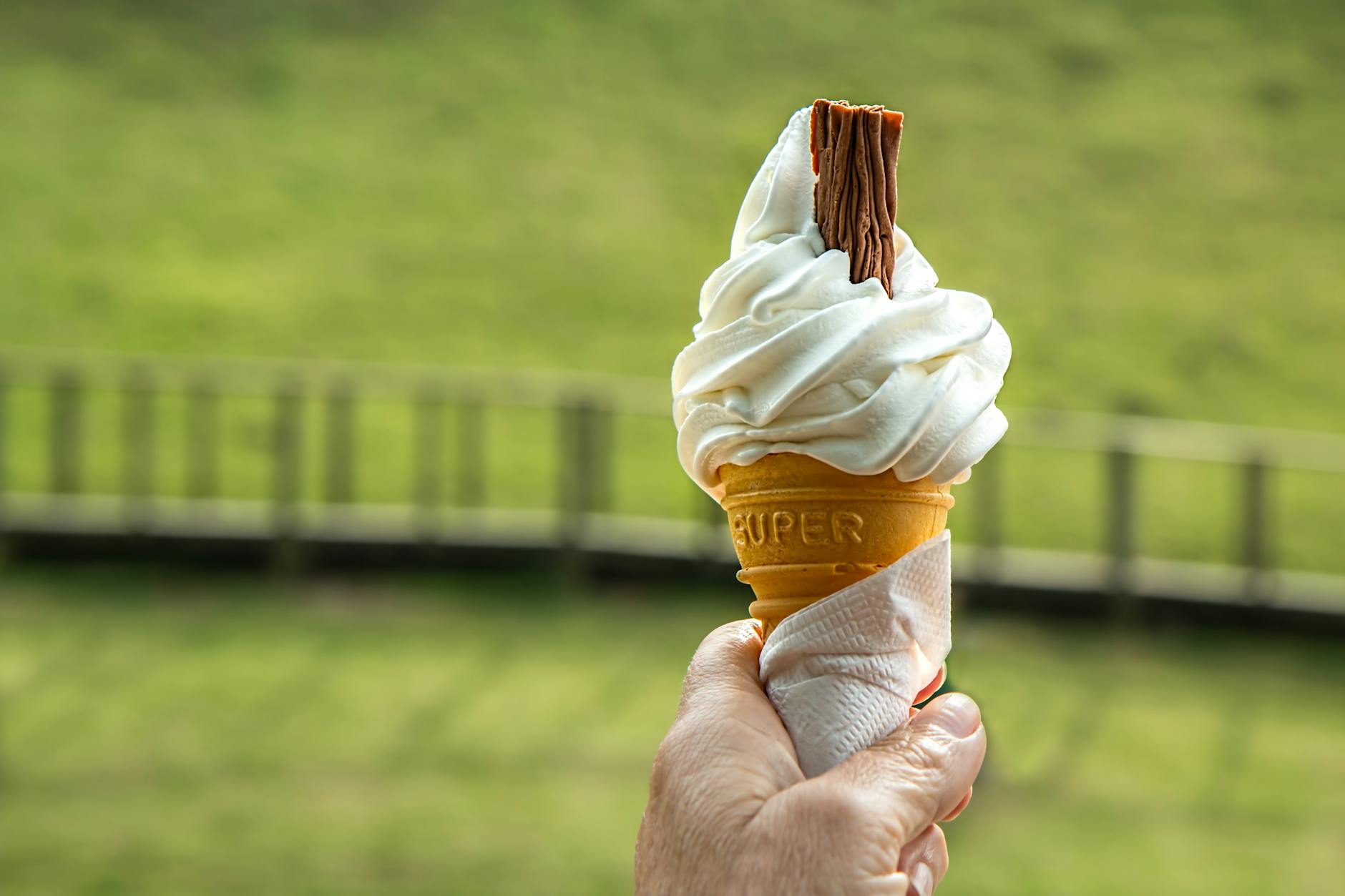
Ice cream is not safe for cats to eat as a regular treat or in significant quantities. The primary concern is that most adult cats are lactose intolerant, meaning they lack sufficient lactase enzymes to properly digest the lactose found in dairy products like ice cream. When a cat consumes ice cream, the undigested lactose ferments in the digestive tract, often causing uncomfortable symptoms including diarrhea, vomiting, bloating, and gas within 8 to 12 hours. Beyond the lactose issue, ice cream contains high amounts of sugar and fat that can contribute to obesity and other health problems in cats over time.
Consider the case of a cat who licks the remaining melted ice cream from their owner’s bowl after dinner. While a few licks might not cause immediate distress in every cat, repeated exposure or larger servings almost certainly will. A tablespoon of vanilla ice cream given to a 10-pound cat is roughly equivalent, calorie-wise, to a human eating an entire pint. The sugar content alone exceeds what a cat’s metabolism is designed to process, and certain flavors like chocolate or those containing xylitol can be outright toxic. This article examines why cats are drawn to ice cream despite their inability to properly digest it, explores the specific health risks associated with various ice cream ingredients, discusses safer alternatives for cat owners who want to give their pets a cold treat, and explains what to do if your cat has already consumed ice cream.
Table of Contents
- Why Are Cats Attracted to Ice Cream If They Cannot Digest It?
- The Lactose Problem: Understanding Feline Dairy Intolerance
- Dangerous Ice Cream Ingredients Beyond Lactose
- Safe Alternatives: Frozen Treats Cats Can Actually Enjoy
- What to Do If Your Cat Has Already Eaten Ice Cream
- Long-Term Health Risks of Regular Ice Cream Consumption
- Teaching Household Members About Cat-Safe Foods
- Conclusion
Why Are Cats Attracted to Ice Cream If They Cannot Digest It?
cats are often intensely curious about ice cream, which seems counterintuitive given their biological incompatibility with dairy. The explanation lies in what cats can detect versus what they cannot. Unlike humans, cats lack taste receptors for sweetness, so the sugar in ice cream goes entirely unnoticed by them. What draws cats to ice cream is the fat content. Cats have a strong ability to detect and are naturally attracted to fats and proteins, which would have helped their wild ancestors identify calorie-dense foods for survival. The cold temperature and creamy texture also seem to appeal to many cats, possibly because the sensation is novel and interesting.
A cat watching their owner eat ice cream may also be responding to social cues, essentially wanting whatever the human is having. This behavior is particularly common in cats who have learned that human food often tastes appealing. The smell of milk fat in ice cream can be especially enticing, even from across the room. However, a cat’s attraction to a food has no bearing on whether that food is appropriate or safe for them. Cats are obligate carnivores with digestive systems optimized for processing meat. Their bodies simply did not evolve to handle the lactose, sugar, and plant-based additives commonly found in human desserts. This disconnect between desire and digestibility is important for cat owners to understand when their pet begs for a taste.
The Lactose Problem: Understanding Feline Dairy Intolerance
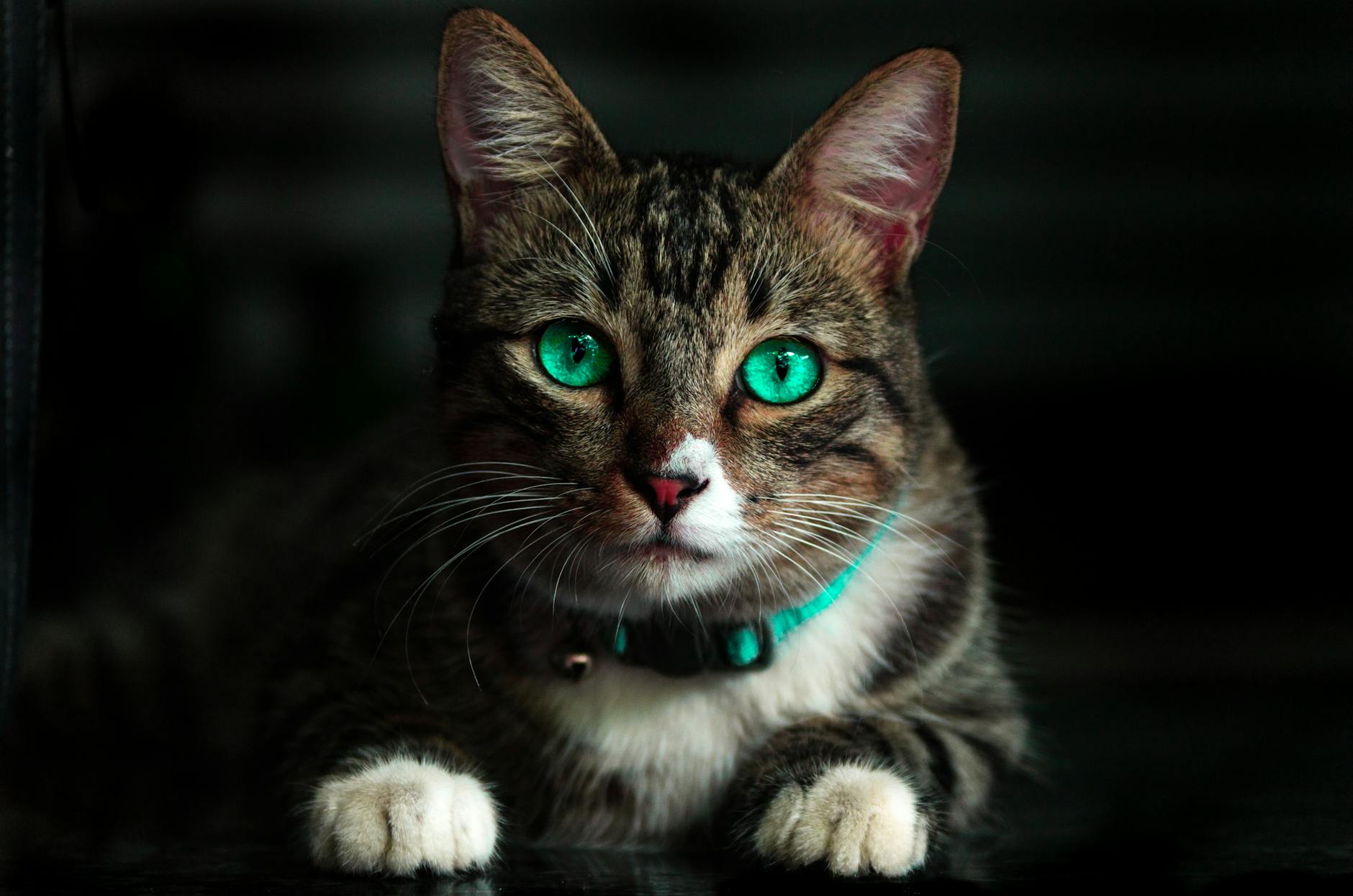
Kittens are born with the ability to produce lactase, the enzyme required to break down lactose in their mother’s milk. This makes biological sense, as nursing kittens depend on milk for all their nutritional needs during the first weeks of life. However, as kittens are weaned and transition to solid food, typically around 8 to 10 weeks of age, their bodies gradually stop producing significant amounts of lactase. By adulthood, most cats retain only about 10 percent of their original lactase production capacity. When a lactose-intolerant cat consumes dairy products, the undigested lactose passes into the large intestine where gut bacteria ferment it. This fermentation process produces gas and draws water into the intestines, leading to the classic symptoms of lactose intolerance: loose stools or diarrhea, abdominal discomfort, bloating, and sometimes vomiting.
The severity varies between individual cats. Some cats may be able to tolerate a small amount of dairy without obvious symptoms, while others experience digestive upset from even a tiny amount. There is an important caveat here: the absence of visible symptoms does not mean dairy is safe for a particular cat. Subclinical digestive distress can still occur, and repeated exposure to lactose may cause cumulative irritation to the gastrointestinal tract. Additionally, some cats may appear fine after eating ice cream once but develop problems with subsequent exposures. The safest assumption is that any adult cat will have at least some degree of lactose intolerance, even if they seem eager to eat dairy products.
Dangerous Ice Cream Ingredients Beyond Lactose
While lactose intolerance is the most common concern, several ice cream ingredients pose more serious and immediate dangers to cats. chocolate ice cream contains theobromine and caffeine, both of which are toxic to cats. Dark chocolate and cocoa-based flavors are more dangerous than milk chocolate, but all chocolate should be considered off-limits. A cat who consumes chocolate ice cream may experience rapid breathing, elevated heart rate, tremors, seizures, and in severe cases, death. Xylitol is another ingredient that has become increasingly common in sugar-free and low-calorie ice cream products. This artificial sweetener is extremely toxic to cats, causing a rapid and dangerous drop in blood sugar and potential liver failure.
Even small amounts of xylitol can be life-threatening. Coffee-flavored ice cream contains caffeine, which affects cats similarly to theobromine. Macadamia nuts, sometimes found in specialty ice cream flavors, can cause weakness, vomiting, and hyperthermia in cats. Raisins and grapes, occasionally used as ice cream toppings, are also toxic. Even plain vanilla ice cream, often considered the safest option, still contains high levels of sugar and fat that can contribute to weight gain, diabetes, and pancreatitis with repeated consumption. The vanilla extract used in some ice creams contains alcohol, which cats cannot metabolize effectively. What might seem like a harmless indulgence can actually create both immediate digestive problems and long-term health consequences that accumulate over time.

Safe Alternatives: Frozen Treats Cats Can Actually Enjoy
For cat owners who want to give their pets a special cold treat, several safer alternatives exist. The simplest option is freezing small portions of plain, unseasoned cooked chicken or fish. These frozen meat treats satisfy a cat’s carnivorous preferences while providing actual nutritional value. The cold temperature creates novelty without the digestive risks of dairy. Many cats enjoy batting around and licking a frozen chicken cube on a hot day. Commercial cat-specific ice cream products have emerged in recent years, formulated without lactose and with reduced sugar content.
Brands like Catcool or homemade recipes using lactose-free cat milk can provide an ice cream-like experience without the digestive consequences. However, these products should still be considered occasional treats rather than dietary staples, as they typically offer minimal nutritional benefit. A comparison between regular ice cream and cat-safe alternatives is stark: while a serving of vanilla ice cream might cause 12 to 24 hours of gastrointestinal distress, a lactose-free cat treat produces no such effects in most cats. The tradeoff with commercial cat treats is cost versus convenience. Cat-specific frozen treats typically cost more per serving than human ice cream, but they eliminate the risk of digestive upset and potential toxicity. Homemade options using lactose-free ingredients require more preparation time but offer complete control over what goes into the treat. For most cat owners, the safest and most practical approach is simply to reserve human ice cream for humans and provide cats with treats specifically designed for their biology.
What to Do If Your Cat Has Already Eaten Ice Cream
If your cat has consumed a small amount of plain vanilla ice cream, the situation is usually not an emergency, but monitoring is essential. Watch for signs of gastrointestinal distress over the next 12 to 24 hours, including diarrhea, vomiting, loss of appetite, or unusual lethargy. Ensure fresh water is available, as diarrhea can lead to dehydration. Most cats who have eaten a small amount of plain dairy ice cream will recover on their own once the lactose passes through their system, though they may experience discomfort in the interim. The situation becomes more urgent if your cat has eaten ice cream containing chocolate, xylitol, coffee, macadamia nuts, or other toxic ingredients. In these cases, contact your veterinarian or an emergency animal poison control hotline immediately.
The ASPCA Animal Poison Control Center can be reached at 888-426-4435, though a consultation fee applies. Do not wait for symptoms to appear with potentially toxic ingredients, as early intervention significantly improves outcomes. Be prepared to provide information about your cat’s weight, the approximate amount consumed, and the specific product if possible. A limitation of home monitoring is that some symptoms of poisoning may not appear immediately or may be subtle. Xylitol toxicity, for instance, can cause blood sugar crashes within 30 minutes to an hour, but liver damage may not become apparent for several days. When in doubt, err on the side of caution and seek veterinary advice. The cost of an unnecessary vet call is far less than the cost of treating advanced toxicity or losing a beloved pet to a preventable poisoning.
Long-Term Health Risks of Regular Ice Cream Consumption
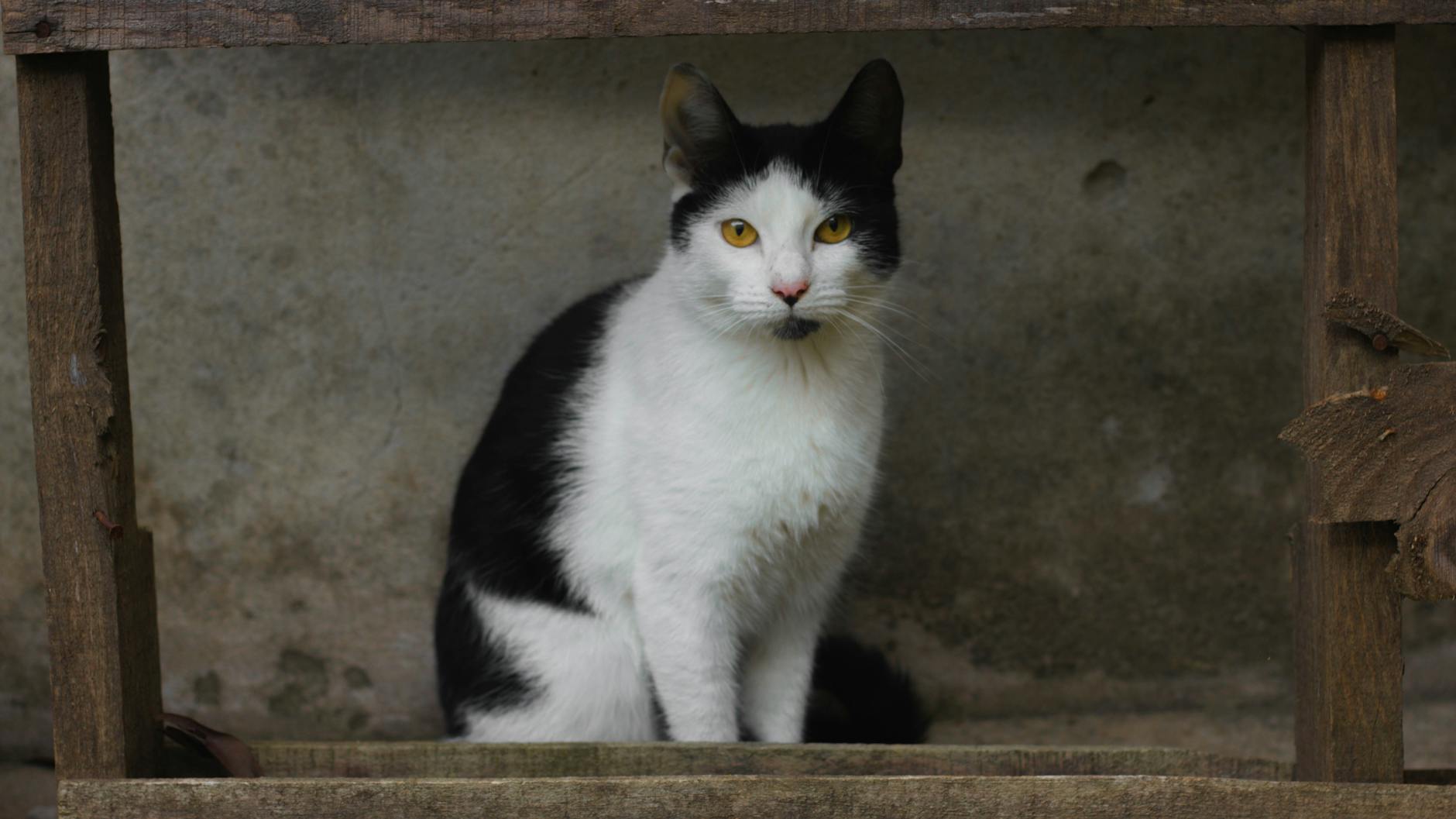
Cats who are given ice cream regularly face cumulative health consequences beyond immediate digestive upset. Obesity is a primary concern, as ice cream is calorically dense and nutritionally inappropriate for cats. An estimated 60 percent of domestic cats in the United States are overweight or obese, and high-calorie treats contribute significantly to this epidemic. Excess weight in cats increases the risk of diabetes, joint problems, heart disease, and reduced lifespan.
Feline diabetes, in particular, has been linked to diets high in carbohydrates and sugars. A cat’s pancreas is not designed to regularly process the sugar loads found in human desserts. Over time, repeated exposure can contribute to insulin resistance and eventually full-blown diabetes requiring daily insulin injections and careful dietary management. Once a cat develops diabetes, the condition requires lifelong management and significantly impacts quality of life for both the cat and the owner.
Teaching Household Members About Cat-Safe Foods
One practical challenge many cat owners face is ensuring that all household members, including children and guests, understand which human foods are off-limits for cats. Creating a simple list of dangerous foods posted in the kitchen can help prevent well-meaning family members from sharing inappropriate treats. This is especially important in households with young children who may want to share their snacks with a feline companion without understanding the consequences.
Having designated cat treats available makes it easier for everyone to give the cat something special without reaching for human food. When a child wants to give the cat a treat, redirecting them to an appropriate option teaches good habits while still allowing the bonding experience of treating a pet. This approach works far better than simply saying no, as it provides an acceptable alternative that satisfies everyone.
Conclusion
Ice cream poses genuine health risks for cats that extend far beyond a simple upset stomach. The combination of lactose intolerance in adult cats, high sugar and fat content, and the potential presence of toxic ingredients like chocolate and xylitol makes ice cream an inappropriate and potentially dangerous food for feline consumption. While the occasional tiny taste of plain vanilla ice cream is unlikely to cause serious harm to most cats, there is simply no nutritional benefit that justifies the risk, and safer alternatives exist for owners who want to give their cats a frozen treat.
The most responsible approach is to keep ice cream as a human-only food and provide cats with treats specifically designed for their biology. Frozen pieces of cooked meat, commercial cat-safe frozen treats, or lactose-free formulations offer the novelty of a cold treat without the digestive consequences. If your cat has consumed ice cream, monitor for symptoms and contact a veterinarian if the product contained any potentially toxic ingredients. Your cat may beg for ice cream, but their body is telling a different story, one that ends better when the ice cream stays in your bowl.