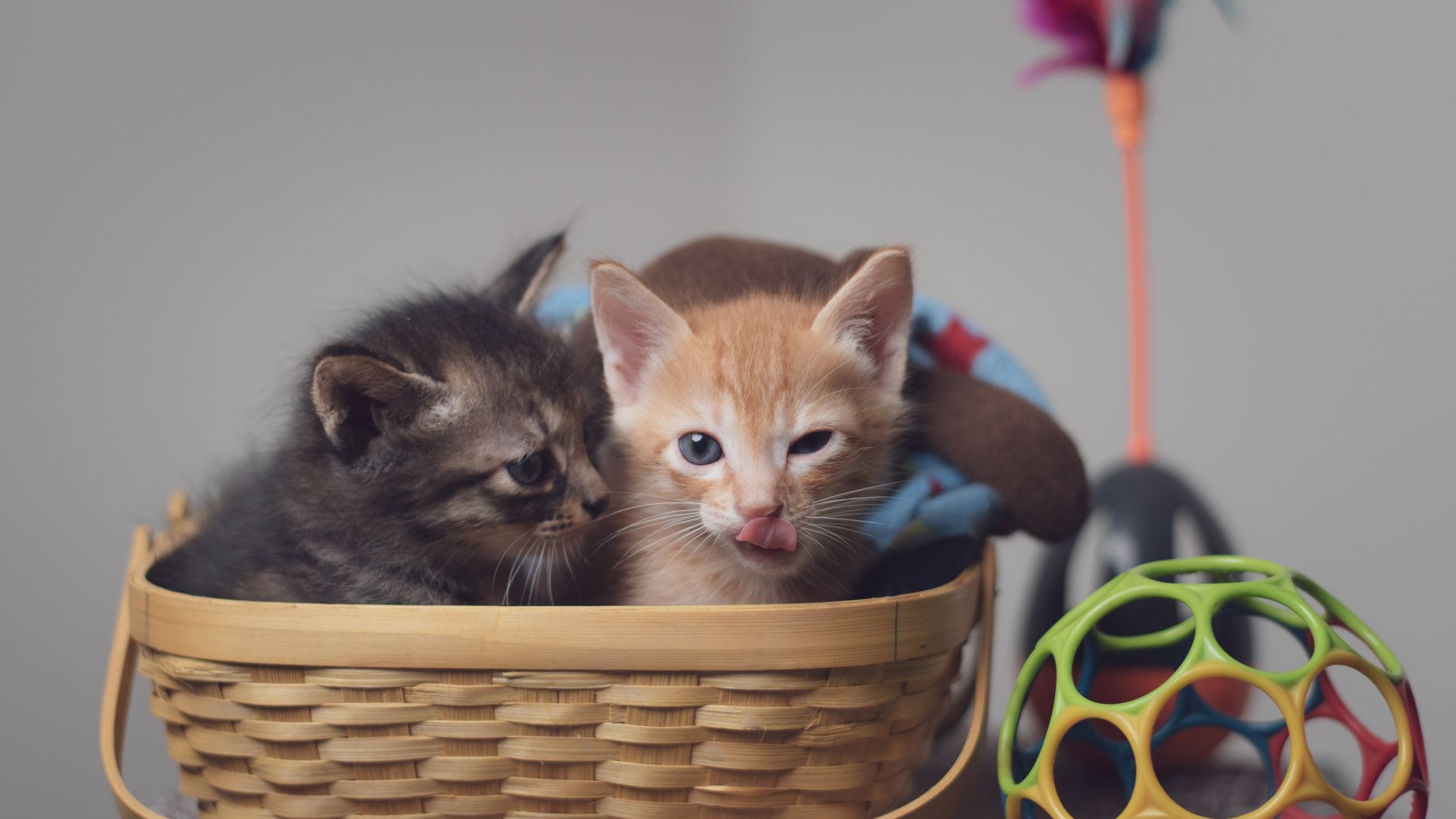
The 2026 kitten-care update centers on choosing nutritionally complete food, checking product warnings, and preventing avoidable infections and poisonings. Owners should pay particular attention to affected Quest and RAWR food lots, age-appropriate preventive care, and correctly labeled parasite products. A safe routine starts with the label, not marketing claims. Confirm that food supports growth, follow the veterinary schedule for vaccines and parasites, clean litter daily, and remove lilies and decorative plastic grass.
Table of Contents
- How should you choose kitten food?
- What does the raw-food investigation mean?
- When do vaccines and parasite checks begin?
- How do you choose flea and tick products safely?
- Which household risks deserve immediate attention?
How should you choose kitten food?
Look for a nutritional-adequacy statement for "growth and reproduction" or "all life stages." The FDA explains that "complete and balanced" food must meet an AAFCO nutrient profile or pass an AAFCO feeding trial, while most treats and supplements cannot serve as a sole diet in its pet-food guidance. Check the precise product name and lot number whenever an advisory appears.
Do not assume that familiar packaging, premium positioning, or the word "complete" rules out a manufacturing problem. In March 2026, the FDA reported extremely low or undetectable thiamine in eight tested Quest cat Food lots despite complete-diet labeling. Continued exclusive feeding could cause thiamine deficiency and death, so owners with a listed lot should consult a veterinarian, according to the FDA's March 13 advisory.
What does the raw-food investigation mean?
The FDA found H5N1 in rawR Raw Cat Food Chicken Eats lots CCS 25 077 and CCS 25 093. Genetic sequencing linked the virus to a cat that died from H5N1, although the notice remains an investigation and reports no known human cases from contaminated pet food. The practical distinction matters: the evidence identifies two specific lots, not every raw product.
Owners should compare the lot code exactly and follow the FDA notice rather than generalizing from the brand name alone. A kitten still needs a food carrying the appropriate nutritional-adequacy statement. A raw label, ingredient list, treat, or supplement does not replace evidence that the product is complete and balanced for growth.
When do vaccines and parasite checks begin?
Cornell says kittens should begin their vaccine series at 6–8 weeks and continue through 12–16 weeks. Maternal antibodies can interfere with early vaccine responses, which is why one early dose does not complete the series according to Cornell's vaccine guidance. Vaccination is not completely effective.
During the series, minimize contact with unknown cats and contaminated environments rather than treating the first injection as immediate, total protection. The Companion Animal Parasite Council recommends deworming from 2 weeks of age at two-week intervals until regular broad-spectrum prevention begins. It also recommends two to four fecal tests during the first year because kittens can carry roundworms without obvious illness.
How do you choose flea and tick products safely?
Match every flea or tick treatment to the kitten's species, current weight, and the label's minimum age. A product intended for an older or heavier cat is not automatically suitable at a reduced, improvised dose.
The EPA's core safety rules are straightforward: These checks matter even when products look similar. Species restrictions and dosing directions are safety limits, not optional suggestions.
- Never apply a dog flea or tick product to a cat.
- Weigh the kitten rather than estimating.
- Check the label-approved minimum age.
- Use only the labeled amount; overdosing can expose a pet to unsafe pesticide levels.
Which household risks deserve immediate attention?
Clean the litter box every day. The CDC says Toxoplasma in cat feces takes one to five days to become infectious, so daily removal reduces the opportunity for that change in its toxoplasmosis prevention guidance. Pregnant or immunocompromised people should avoid litter duty when possible.
If no one else can do it, they should wear gloves and wash their hands afterward. Exclude lilies from any home with a kitten. Cornell warns that even one bite of Easter lily can cause kidney failure, and rapid treatment improves the prognosis. Swallowed decorative plastic grass can also obstruct the intestine and be fatal, so remove it rather than relying on supervision.