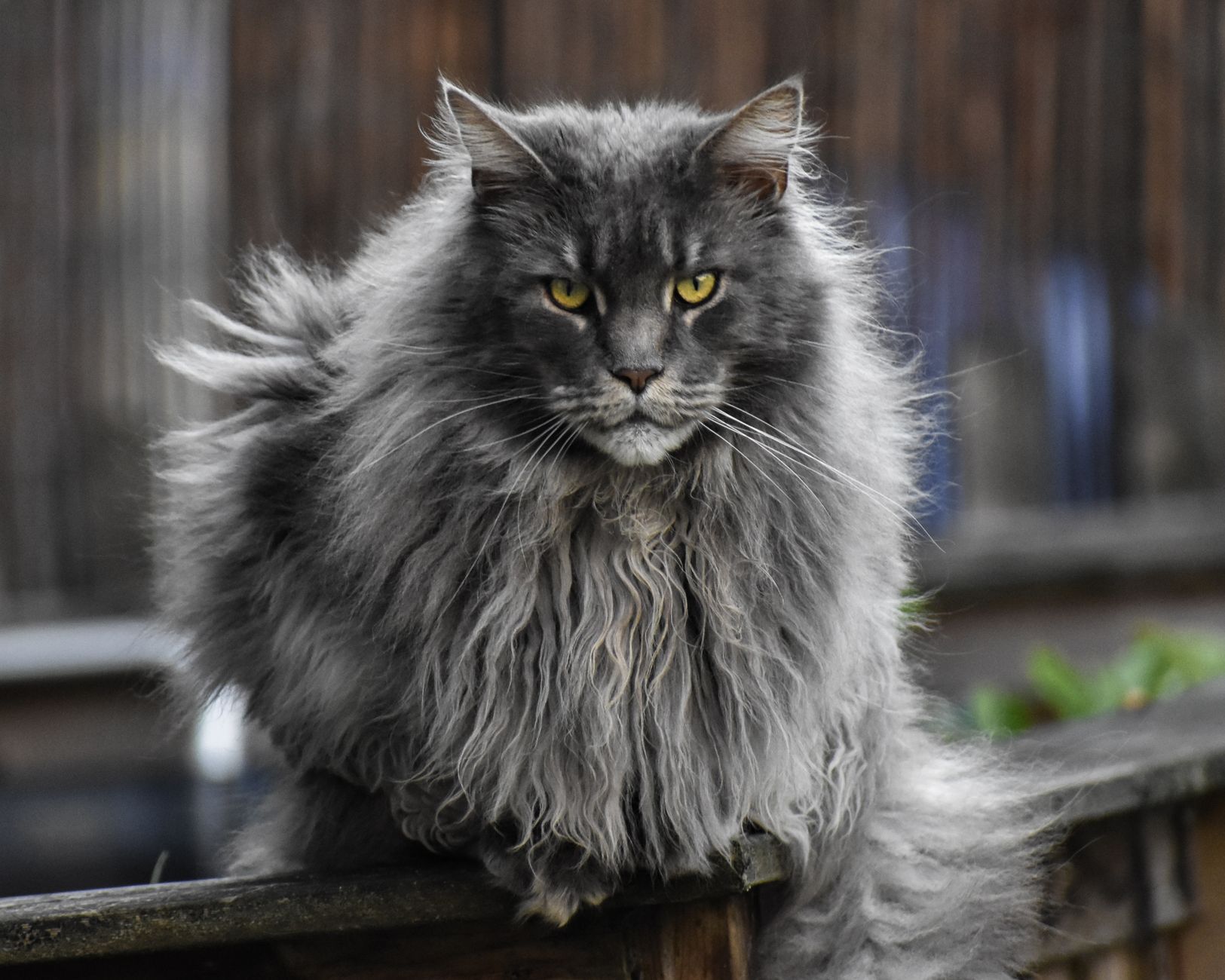
Maine Coon kittens from a single litter can display a stunning variety of coat colors and patterns, even when both parents appear to be the same color. This occurs because Maine Coons carry multiple genes that influence coat color, and each kitten inherits a unique combination from both parents. When both parents are carriers of recessive color genes, their offspring may express colors that neither parent visibly displays—a genetic inheritance pattern that baffles many breeders encountering it for the first time.
The genetics behind Maine Coon coloring is particularly complex because coat color is controlled by several independent genes working simultaneously. A single litter might include solid-colored kittens, tabby-patterned kittens, and kittens with white markings, all from parents that seemed like they should only produce one type of kitten. Understanding this genetic foundation helps owners and breeders appreciate the variation they see in their kittens and make informed decisions about future breedings.
Table of Contents
- How Do Maine Coon Color Genes Combine in Litters?
- What Role Does Dilution Play in Maine Coon Coat Colors?
- Why Do Tabby Patterns Vary Within Litters?
- Understanding White Spotting and How It Compounds Complexity
- Can You Predict Kitten Colors Before They’re Born?
- How Age and Lighting Affect Color Assessment in Young Kittens
- The Practical Takeaway for Breed Selection and Kitten Buyers
- Frequently Asked Questions
How Do Maine Coon Color Genes Combine in Litters?
Maine Coon coat color inheritance involves at least three major genetic systems operating independently: the base color genes (orange versus non-orange), the pattern genes (tabby versus solid), and the white spotting genes. Each parent contributes one allele for each system, creating numerous possible combinations in their offspring. If both parents carry hidden recessive versions of certain genes, these recessive traits can emerge in kittens even though the parents don’t visibly show them. Consider a concrete example: a brown tabby mother and a brown tabby father might both carry a recessive gene for the cream color.
When two recessive cream genes align in a kitten, that kitten appears cream-colored—not tabby, not brown, but entirely different from either visible parent. The parents didn’t “appear” to be carriers of cream genetics, yet they passed the gene down reliably. This scenario plays out repeatedly in Maine Coon litters worldwide, producing surprises for breeders who didn’t anticipate certain colors appearing. The genetic diversity within a single litter also reflects which genes got expressed in which order during development. A kitten with two copies of the orange gene will be orange, while a kitten with one orange gene and one non-orange gene depends on sex—male cats with one orange gene are orange, while females with one orange gene appear tortoiseshell or calico, displaying both colors in patches.
What Role Does Dilution Play in Maine Coon Coat Colors?
Dilution genes lighten pigment and create colors like blue (a dilute black), cream (a dilute orange), and lilac (a dilute chocolate). A kitten can inherit dilution genes from either or both parents, and these genes act independently of the base color genes. A kitten born to two brown parents might be blue if it inherits dilution genes from both sides, even though neither parent displays the blue phenotype.
The challenge with dilution is that it’s easy to overlook in parents. A blue Maine Coon obviously carries dilution, but a brown parent might also carry one copy of the dilution gene invisibly. Breeders tracking only visible phenotypes can miss these carriers entirely, then express surprise when a litter contains unexpected dilute colors. Additionally, dilute colors in Maine Coons sometimes present with a slightly higher incidence of skin sensitivity or coat texture changes, meaning kittens with dilute coloring may require different grooming approaches than their non-dilute littermates.
Why Do Tabby Patterns Vary Within Litters?
Maine Coons exhibit multiple tabby pattern genes that can appear in different combinations within a single litter. The main patterns include mackerel tabby (striped), classic tabby (swirled), spotted tabby, and ticked tabby, with each controlled by different genetic influences. A litter might include some kittens with bold mackerel stripes and others with subtle ticked patterns, all from parents with the same visible tabby type.
A practical example: two classic tabby parents might produce a litter containing one classic tabby kitten, two mackerel tabby kittens, and one solid-colored kitten who is tabby-patterned but so densely colored the stripes are invisible. The solid-appearing kitten still carries tabby genetics and will pass them forward if bred. This genetic variation matters when breeders want to maintain specific tabby aesthetics across generations—you cannot reliably select for one pattern type without understanding the underlying genetics being passed through the litter.
Understanding White Spotting and How It Compounds Complexity
White spotting in Maine Coons results from genes that suppress pigment in localized areas, and these genes operate independently from color and pattern genes. A white-marked brown tabby and a white-marked orange tabby might produce kittens with entirely different white patterns. One kitten could inherit minimal white spots, another could be half-white, and a third could be mostly white with just patches of color.
The white spotting genes themselves vary in expression—even kittens inheriting identical white genes might display different amounts of white due to developmental variation. When evaluating a litter’s genetics, white spotting adds another layer of unpredictability. Two parents with similar white markings can produce offspring ranging from nearly solid-colored to mostly white, simply because the genes controlling white spotting operate on a scale rather than as an on-off switch. This is why breeders sometimes see more color variation than they expected—they may account for base color and pattern but underestimate the independent effects of white spotting genes.
Can You Predict Kitten Colors Before They’re Born?
Predicting exact kitten colors requires knowing the genotype (the actual genes each parent carries), not just the phenotype (how they look). Without genetic testing, breeders work from probabilities rather than certainties. If both parents are tested and confirmed to carry specific genes, you can calculate the likelihood of certain colors appearing, but you still cannot guarantee it at an individual kitten level.
Genetic testing remains expensive and limited in availability for cats, so most breeders rely on pedigree tracking and historical patterns from their lines. The limitation here is significant: even with careful record-keeping, unexpected colors will periodically appear in litters. Some breeders misinterpret this as a sign of outside breeding or mistake, when genetics alone explains the variation. A kitten that appears to be a “wrong” color in a carefully planned breeding often simply represents the expression of recessive genes from further back in the pedigree—genes both parents inherited but didn’t visibly display.
How Age and Lighting Affect Color Assessment in Young Kittens
A kitten’s true color may not be fully apparent until several weeks old. Newborns sometimes appear lighter or darker than their mature coat will be, particularly with tabby patterns, which can become more or less pronounced as the coat develops. Lilac and blue kittens especially may look quite different at two weeks versus eight weeks, making early color predictions unreliable.
Lighting also distorts color perception—a brown kitten photographed under warm indoor lighting might appear more orange, while the same kitten in natural daylight appears distinctly brown. Breeders sometimes misidentify littermates’ colors based on lighting conditions, leading to confusion about what genetics actually produced. Professional breeders typically wait until kittens are at least eight weeks old and photograph them in consistent natural light before finalizing color descriptions for pedigrees.
The Practical Takeaway for Breed Selection and Kitten Buyers
For buyers selecting Maine Coon kittens, color genetics explain why littermates can look dramatically different while being full siblings. A kitten’s color does not indicate breeding error or mixed parentage when it differs from parents—it reflects normal genetic segregation. Buyers looking for specific colors from planned breedings should understand that breeders cannot guarantee exact color outcomes, only work with known probabilities.
Breeders planning matings with specific color goals benefit from detailed pedigree analysis and, when possible, genetic testing of parent cats. Keeping meticulous records across generations helps identify which genes are present in a breeding line, making future predictions more reliable. Even with optimal planning, color surprises in Maine Coon litters remain inevitable, and they represent legitimate genetic outcomes rather than failures in the breeding program.
Frequently Asked Questions
Can two brown tabby Maine Coons have a cream kitten?
Yes, if both parents carry a recessive cream gene. The kitten would need to inherit the recessive gene from each parent to appear cream-colored.
Why does one littermate look solid colored while another is clearly tabby?
Both kittens likely carry tabby genetics, but one kitten’s dense base color masks the visible tabby stripes. Both can pass tabby patterns to future offspring.
Does a kitten’s color change as it grows?
Yes, particularly with tabby patterns and dilute colors. Stripes may become more or less pronounced, and colors can appear lighter or darker as the mature coat grows in over several weeks.
Can I predict kitten colors before breeding my Maine Coons?
You can calculate probabilities if you know both parents’ genotypes (through pedigree analysis or genetic testing), but predicting exact colors for individual kittens remains impossible without genetic information.
Why does my kitten look different in photos than in person?
Lighting significantly affects how coat colors appear. Indoor lighting may shift colors toward warmer tones, while natural daylight provides more accurate color representation.