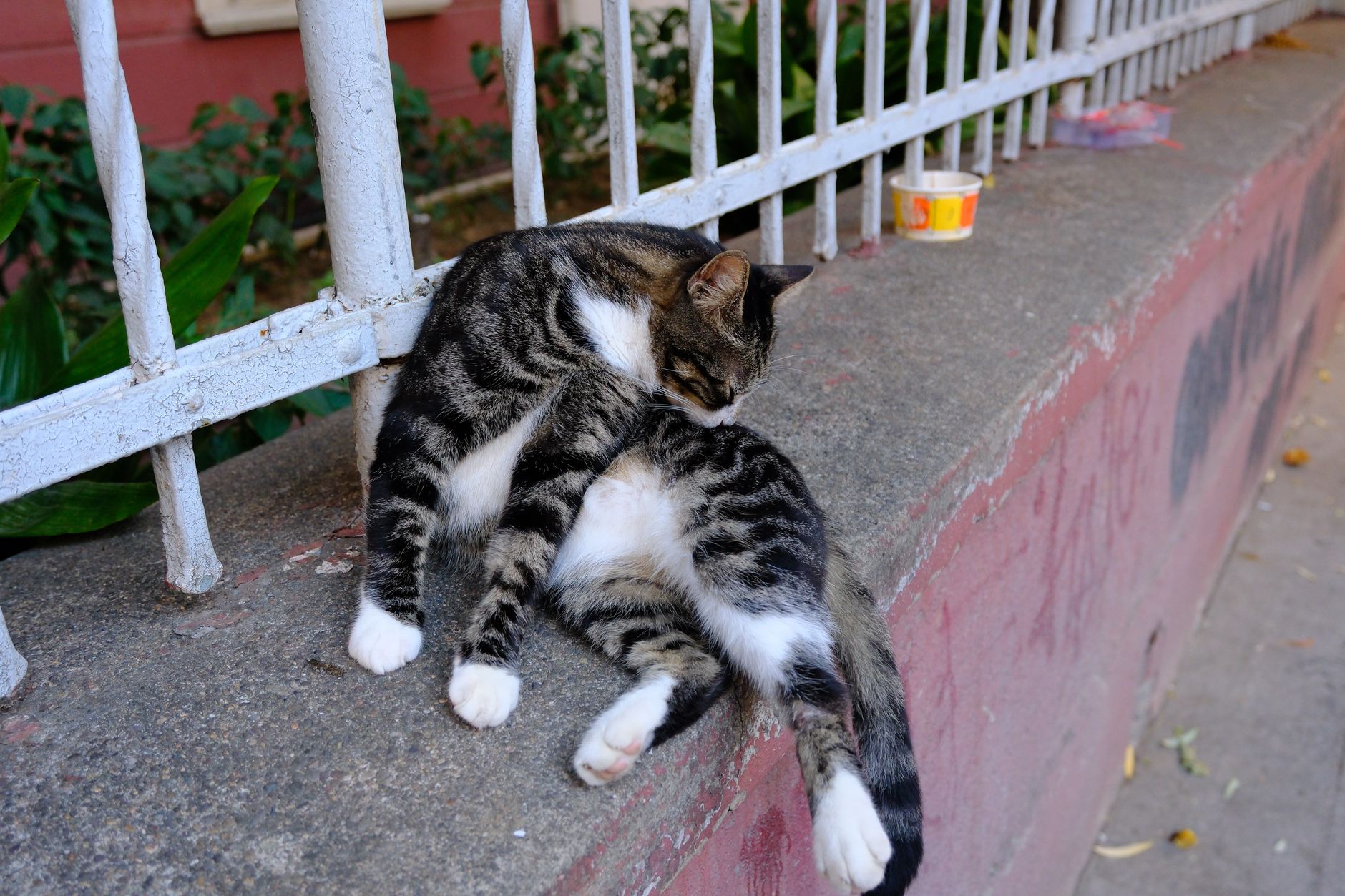
Repeated retching with no hairball often means a hairball is too large to vomit or pass, which can block the intestines. It can also mean the cat is coughing from an airway problem rather than trying to vomit. A hairball, or trichobezoar, is swallowed fur that collects in the stomach during normal grooming. Most episodes end quickly, but ongoing unproductive retching is a decision point for veterinary care.
Table of Contents
- Why nothing comes up
- Is it vomiting or coughing?
- Warning signs that need same-day care
- What to do before and at the visit
Why nothing comes up
Cats swallow loose fur while grooming, and the hair can gather into a mass in the stomach. Cornell University College of Veterinary Medicine says these masses are typically about an inch long, but occasionally reach five inches long and an inch thick, according to Cornell's hairball guide.
When the mass is too large to vomit or move through the intestines, retching stays unproductive. Boulder Veterinary Hospital warns this can create a gastrointestinal blockage that requires immediate veterinary attention.
Is it vomiting or coughing?
Expelling a hairball is vomiting from the stomach, not coughing from the lungs. Veterinarians warn that true coughing usually signals airway inflammation such as allergic bronchitis or feline asthma, as explained in this veterinary column on cough versus vomiting.
Feline asthma affects an estimated 1-5% of cats, Cornell University College of Veterinary Medicine reports. Signs include difficulty breathing, wheezing, rapid breathing, coughing or hacking, open-mouthed breathing, and episodes ranging from acute crises to chronic low-grade cough.
Warning signs that need same-day care
VCA Animal Hospitals says cats with obstructing hairballs often show frequent vomiting or unproductive retching, lethargy, loss of appetite, lack of bowel movements, and a swollen or painful abdomen, described in VCA's guide to trichobezoars in cats. Seek same-day care for repeated unproductive retching, inability to keep food or water down, labored breathing, lethargy, or no hairball after repeated attempts. Western Branch Veterinary Hospital gives the same urgency list and recommends daily brushing to reduce swallowed hair.
- repeated dry retching with nothing produced
- vomiting food or water, or refusing food
- lethargy, constipation, swollen or painful belly
- wheezing, rapid breathing, or open-mouth breathing
What to do before and at the visit
Owners cannot reliably separate hairball retching from asthma cough at home. Veterinarians Dr. Sarah Bashaw and Dr.
Johnathan Grant recommend videoing the episode and seeking prompt examination for ongoing cough, because any coughing could indicate asthma. Note how often it happens and whether food, water, stool, appetite, and breathing are normal. VCA advises contacting a veterinarian if a cat vomits hairballs more than once per month, since frequent hairballs may reflect skin disease, gastrointestinal disease, parasites, hyperthyroidism, or food intolerance. Brush daily to lower ingested hair and future hairball risk.