
Cat Adoption Safety Checklist: Risks Warning Signs and Prevention Tips

Adopted cats require health screening, home safety preparation, and close monitoring during adjustment to prevent medical emergencies and behavioral problems.
Cat food, diet, nutrition, and feeding guides
Browse →578 guidesCat safety, hazards, and poison prevention
Browse →228 guidesCat breeds, characteristics, and breed comparisons
Browse →134 guidesCat litter types, litter boxes, and bathroom habits
Browse →126 guidesCat health issues, diseases, symptoms, and veterinary care
Browse →92 guidesCat pregnancy, birth, and breeding information
Browse →Cat Health, Behavior and Care Guides
Adopted cats require health screening, home safety preparation, and close monitoring during adjustment to prevent medical emergencies and behavioral problems.

Cat adoption fees are up 11% in 2026, while first-year costs now exceed $2,500—but geographic and income-based inequalities shape who actually adopts and where.

Adoption deadlines and claim windows determine whether your cat adoption proceeds smoothly or stalls—track them carefully to avoid losing your chosen feline or missing health guarantee benefits.
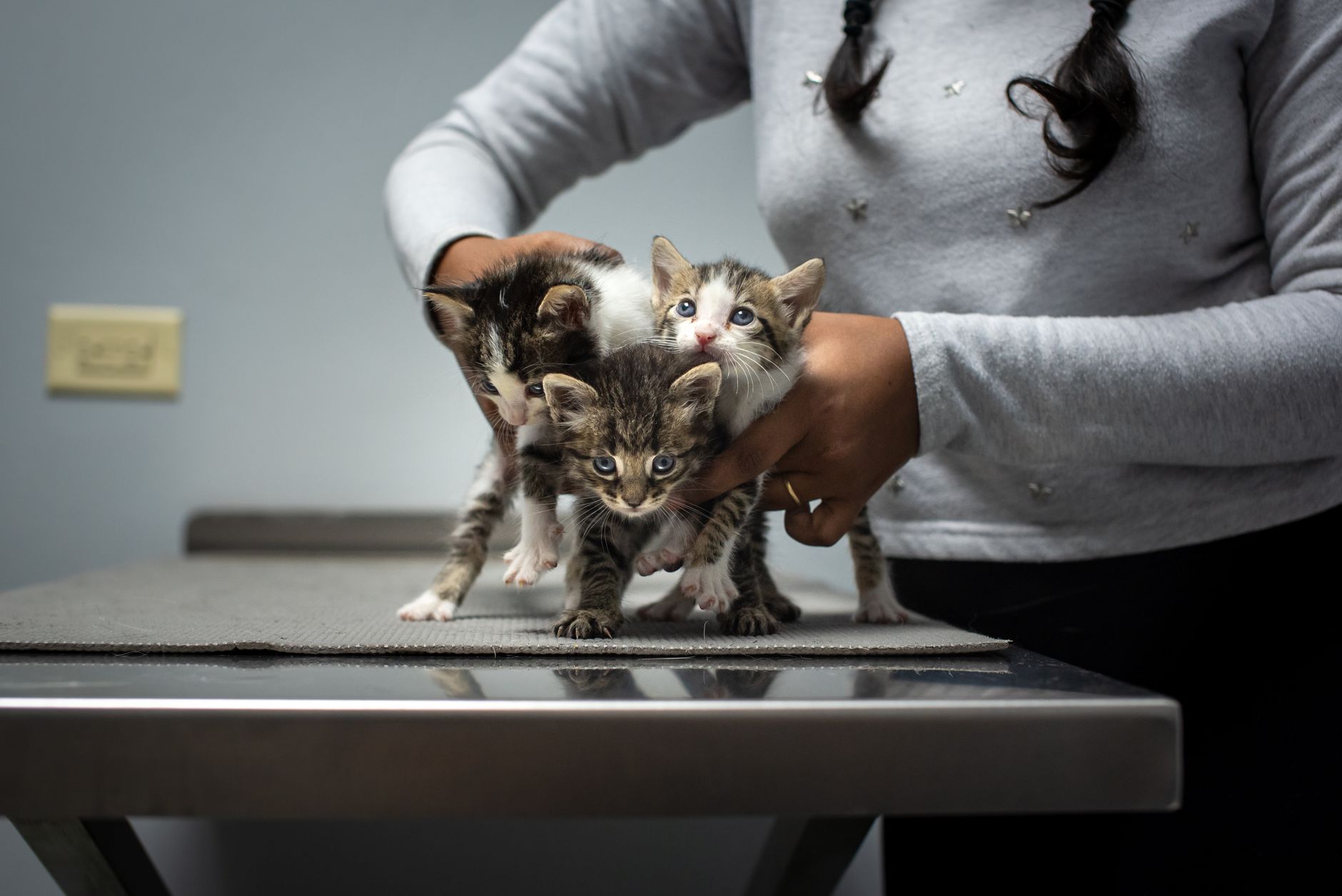
People adopting a cat often wonder where to look, which cat to choose, and whether the adoption will actually work out.

Shelters overflow with kittens while adoption rates decline—PetSmart’s national week reveals a crisis hidden behind emergency fee waivers.
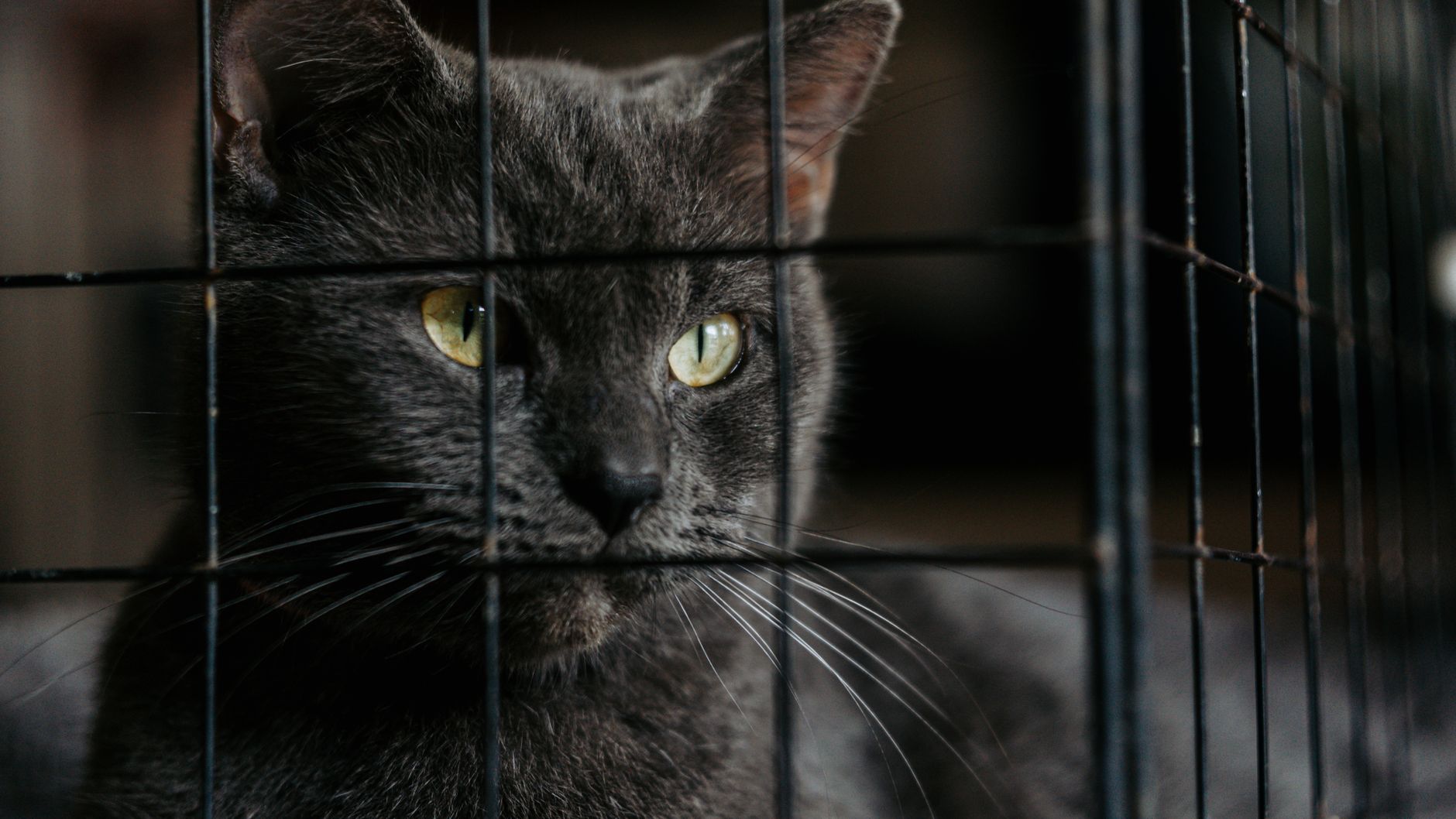
Most cat adoptions fail because owners didn’t ask the right questions or prepare adequately—but every mistake is preventable.
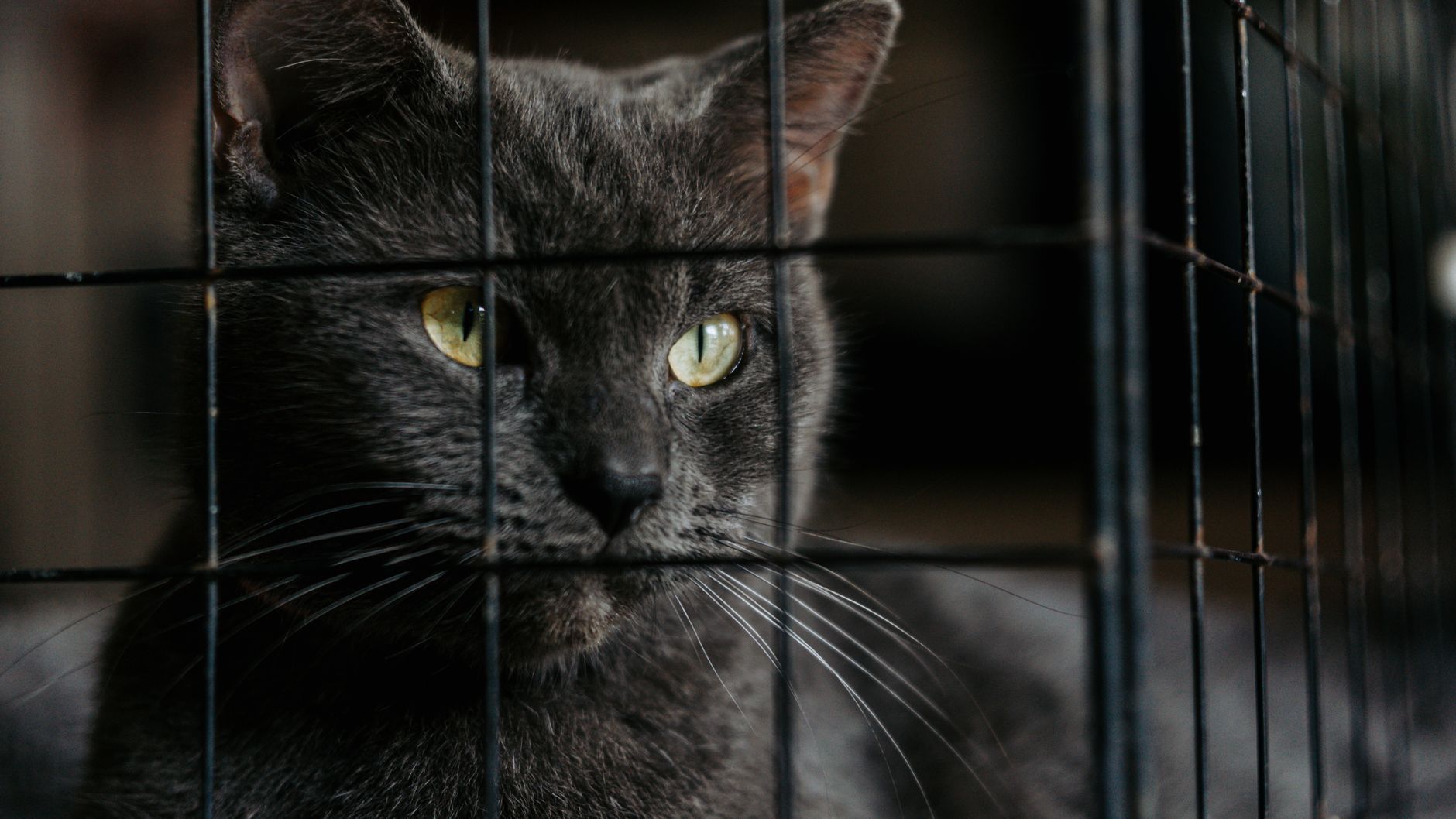
Holding periods, reclaim windows, and local ordinances quietly decide when a shelter cat becomes yours—here’s how they differ by state.
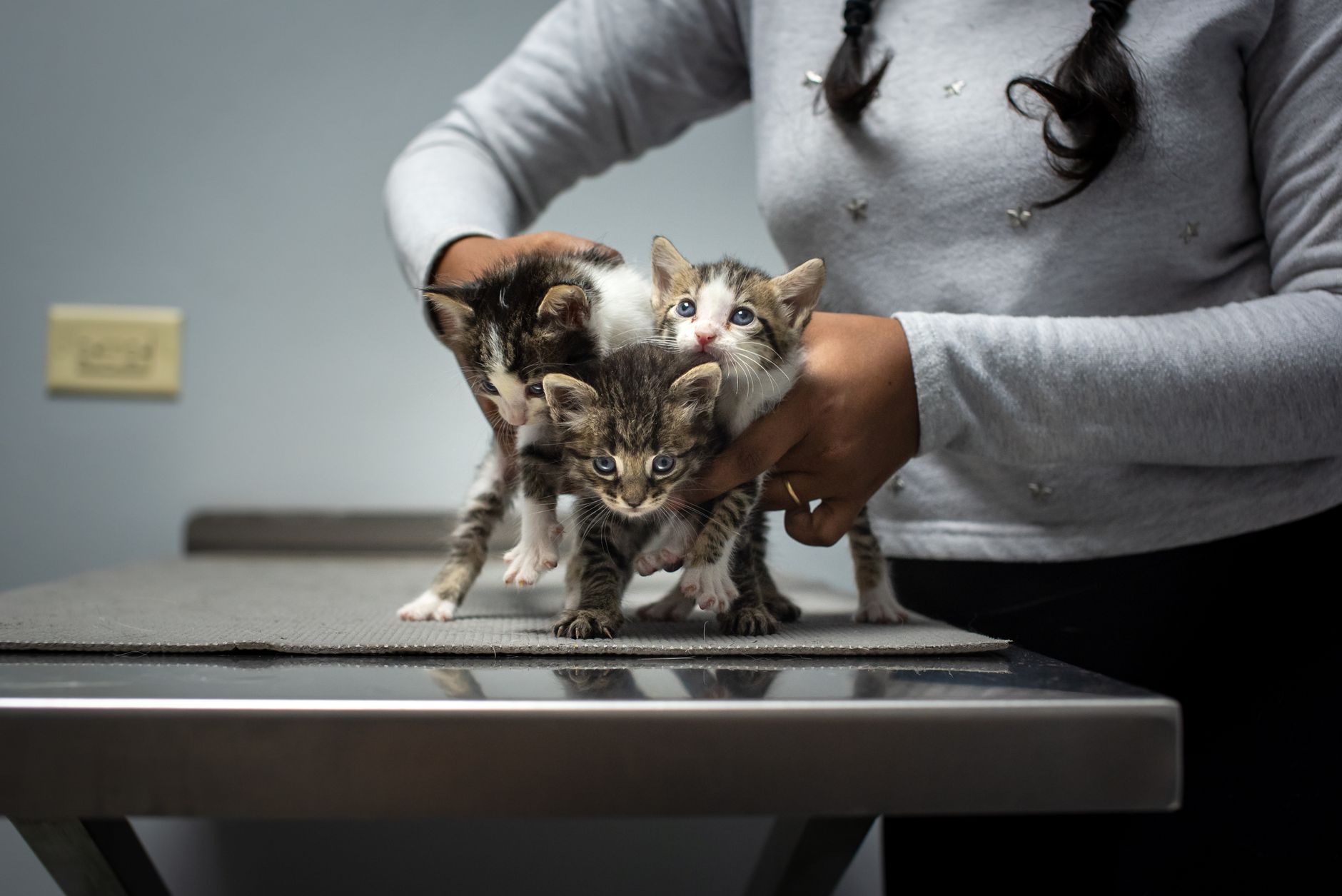
A major adoption event is creating fresh momentum, but the national numbers require a more careful reading.

Orange tabbies share the spotlight with kittens, adults, and seniors in Orange County’s changing summer adoption listings.

Safer kitchen habits start by replacing a rewarding high-risk perch with one your cat is encouraged to use.