is it safe for cats to use clumping litter
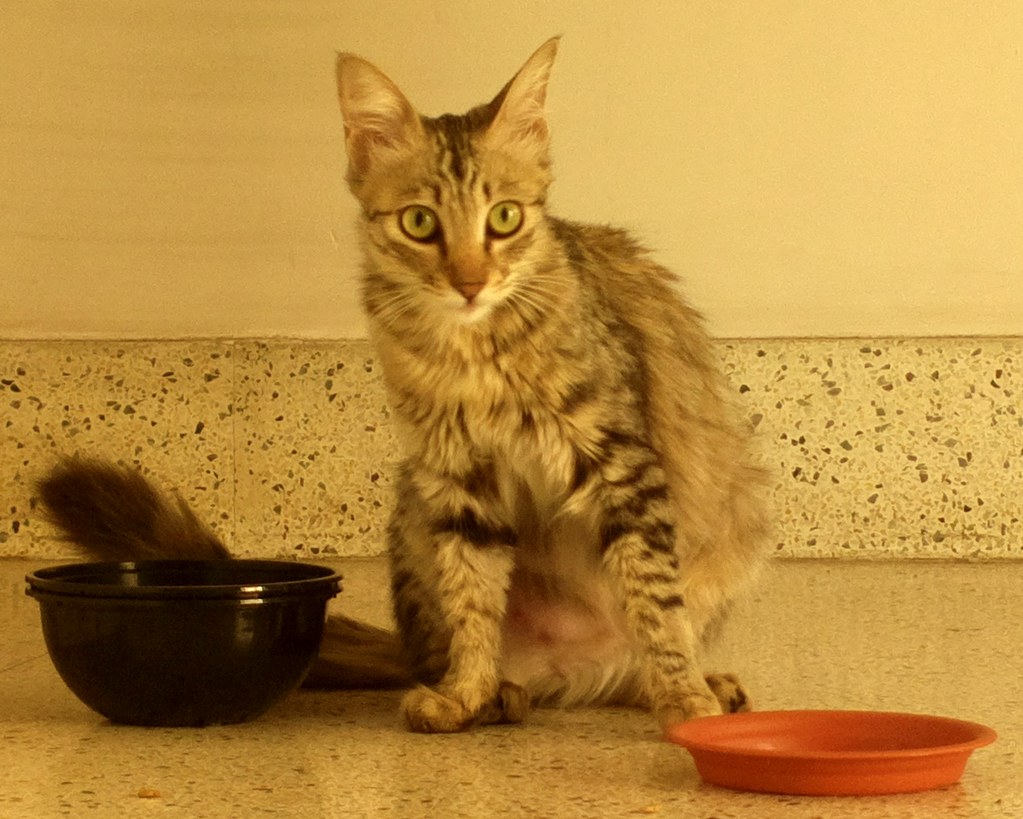
Clumping litter poses real risks for kittens and sensitive cats, though most healthy adults tolerate it well when managed carefully.
Cat food, diet, nutrition, and feeding guides
Browse →578 guidesCat safety, hazards, and poison prevention
Browse →228 guidesCat breeds, characteristics, and breed comparisons
Browse →134 guidesCat litter types, litter boxes, and bathroom habits
Browse →126 guidesCat health issues, diseases, symptoms, and veterinary care
Browse →92 guidesCat pregnancy, birth, and breeding information
Browse →Cat Health, Behavior and Care Guides
Clumping litter poses real risks for kittens and sensitive cats, though most healthy adults tolerate it well when managed carefully.
Fragranced cat litter can harm your cat’s respiratory health and trigger litter box avoidance—unscented options are safer.

Most disinfectant sprays contain compounds toxic to cats, posing serious health risks through inhalation, skin contact, and accidental ingestion.

Ammonia fumes damage cats’ respiratory systems at levels that might seem safe to humans.
Bleach poses a serious poisoning risk to cats and should never be used around them—even diluted solutions can cause chemical burns and respiratory damage.
Even pet-safe cleaning products can poison cats—the safest approach is confinement and vinegar.
Most fresh floor cleaners pose minimal risk once dried, but phenolic products and some ammonia-based cleaners can harm cats even with brief paw contact.

Some cleaners are nearly harmless once dry while others can burn or poison a cat in minutes — here’s how to tell which is which.
Cats are highly vulnerable to nicotine poisoning from secondhand vape vapor and direct exposure to e-liquid.
Smoke exposure damages cats’ lungs and significantly increases their risk of cancer, making smoke-free environments essential for feline health.