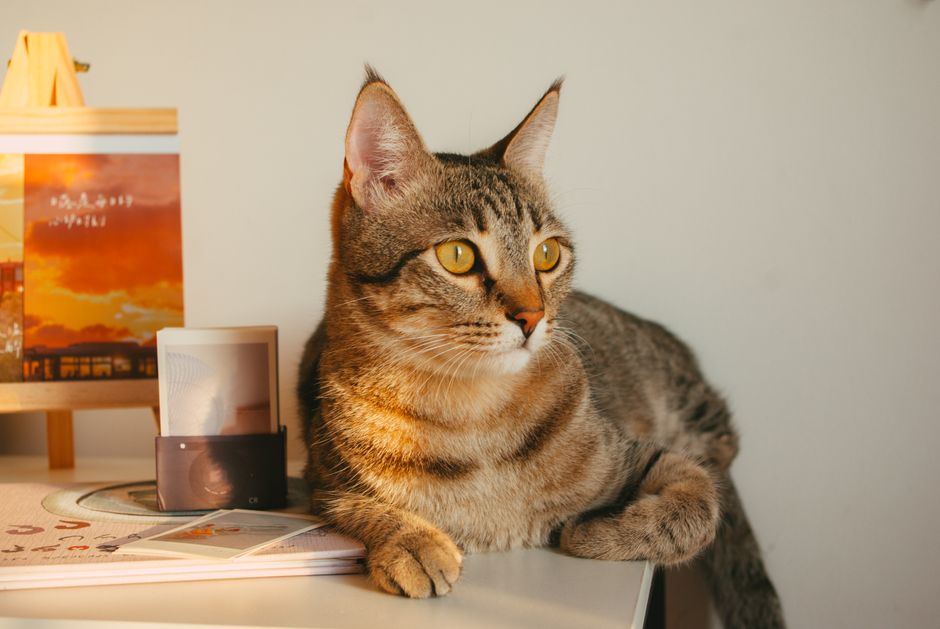
is it safe for cats to exercise indoors

Indoor cats can exercise safely with proper environmental setup and hazard removal, though specific injuries like hyperextension and falls require prevention.
Cat food, diet, nutrition, and feeding guides
Browse →578 guidesCat safety, hazards, and poison prevention
Browse →228 guidesCat breeds, characteristics, and breed comparisons
Browse →134 guidesCat litter types, litter boxes, and bathroom habits
Browse →126 guidesCat health issues, diseases, symptoms, and veterinary care
Browse →92 guidesCat pregnancy, birth, and breeding information
Browse →Cat Health, Behavior and Care Guides
Indoor cats can exercise safely with proper environmental setup and hazard removal, though specific injuries like hyperextension and falls require prevention.

Cats gaining more than 2 pounds per week face serious health risks including diabetes, arthritis, and cardiac disease.
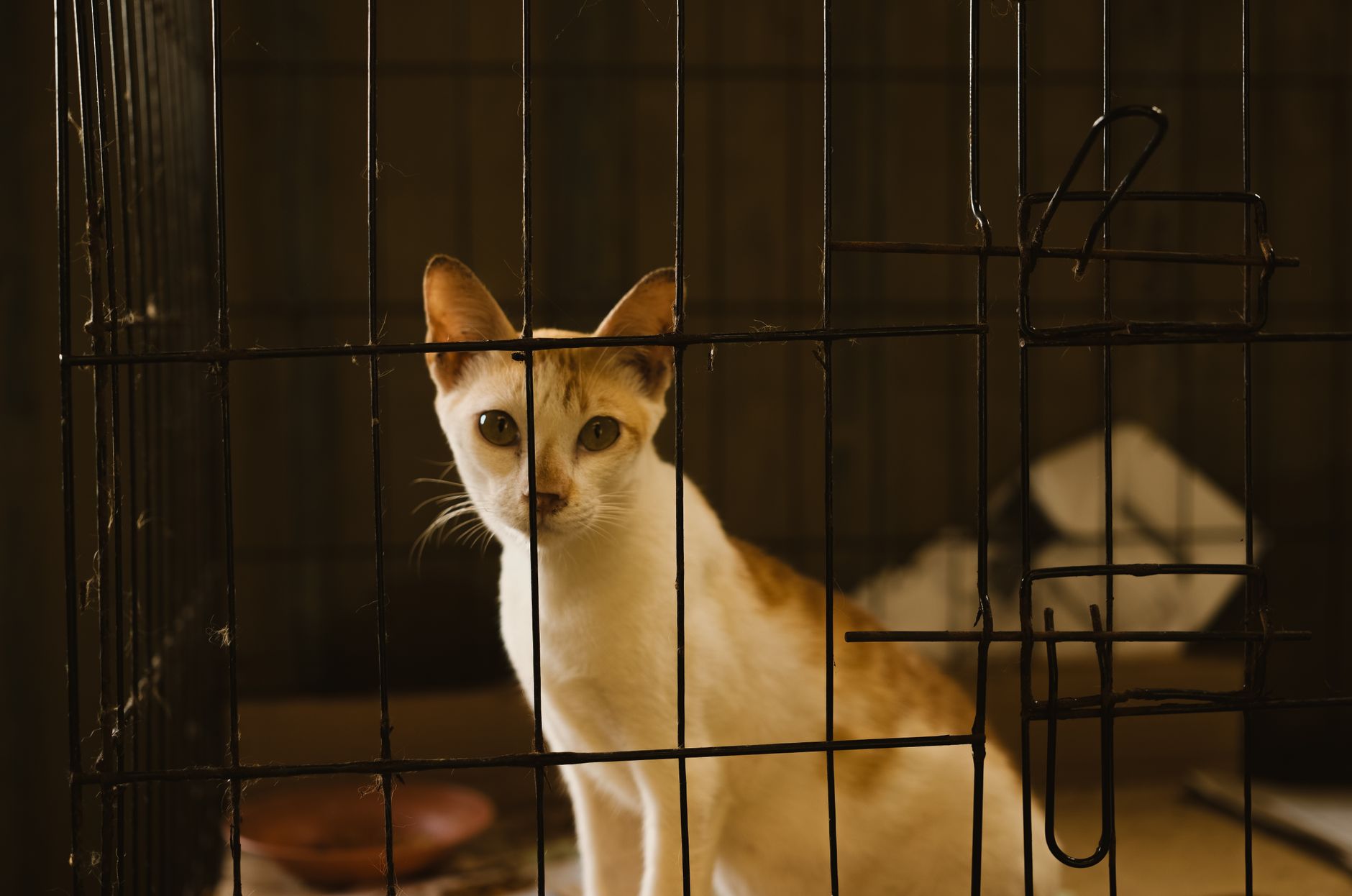
Rapid weight loss in cats can trigger life-threatening liver disease—here’s why slow is the only safe approach.
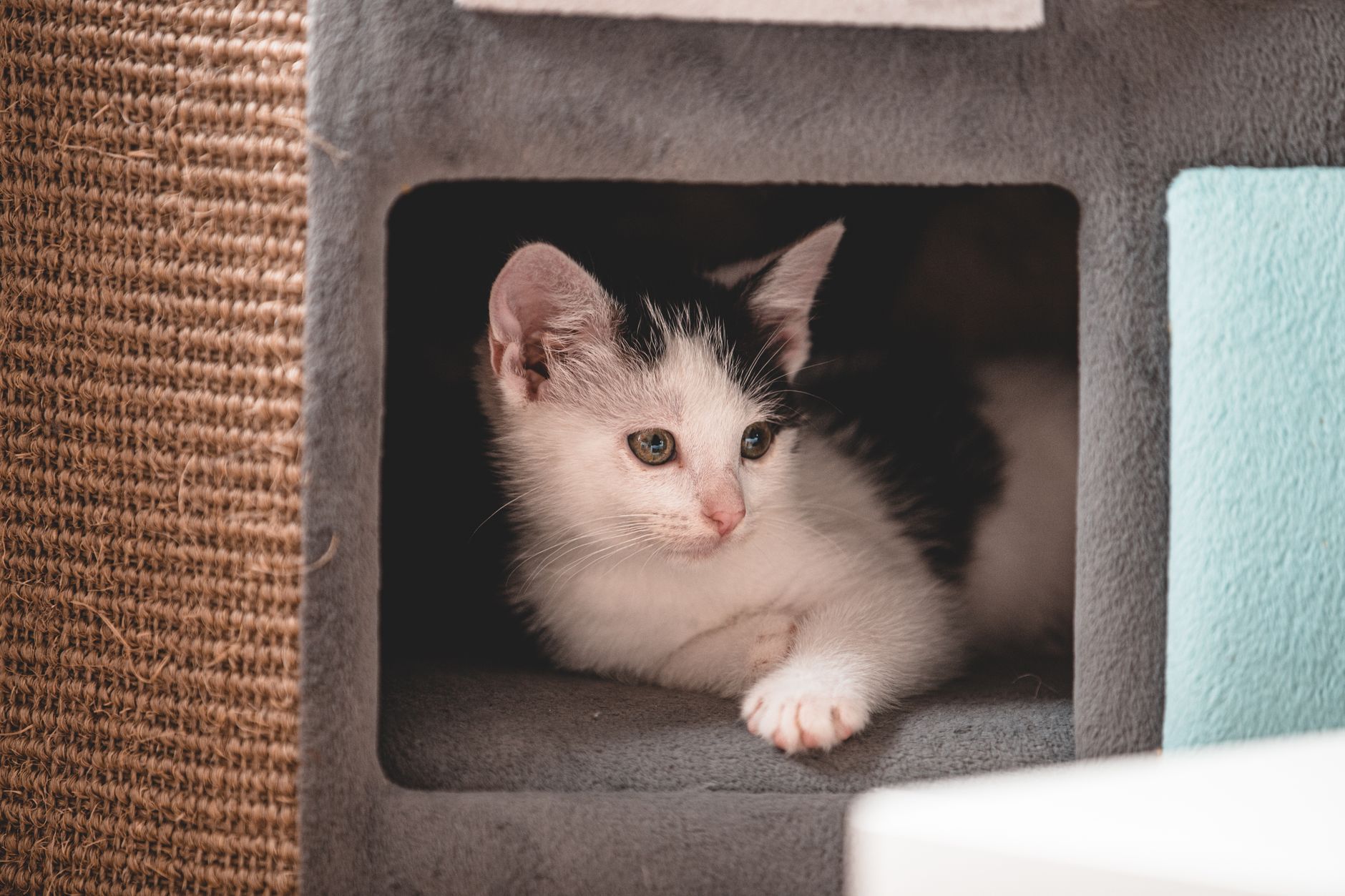
Unlike other animals, cats cannot safely fast even briefly—their livers can develop fatty infiltration within 24 to 48 hours without food.
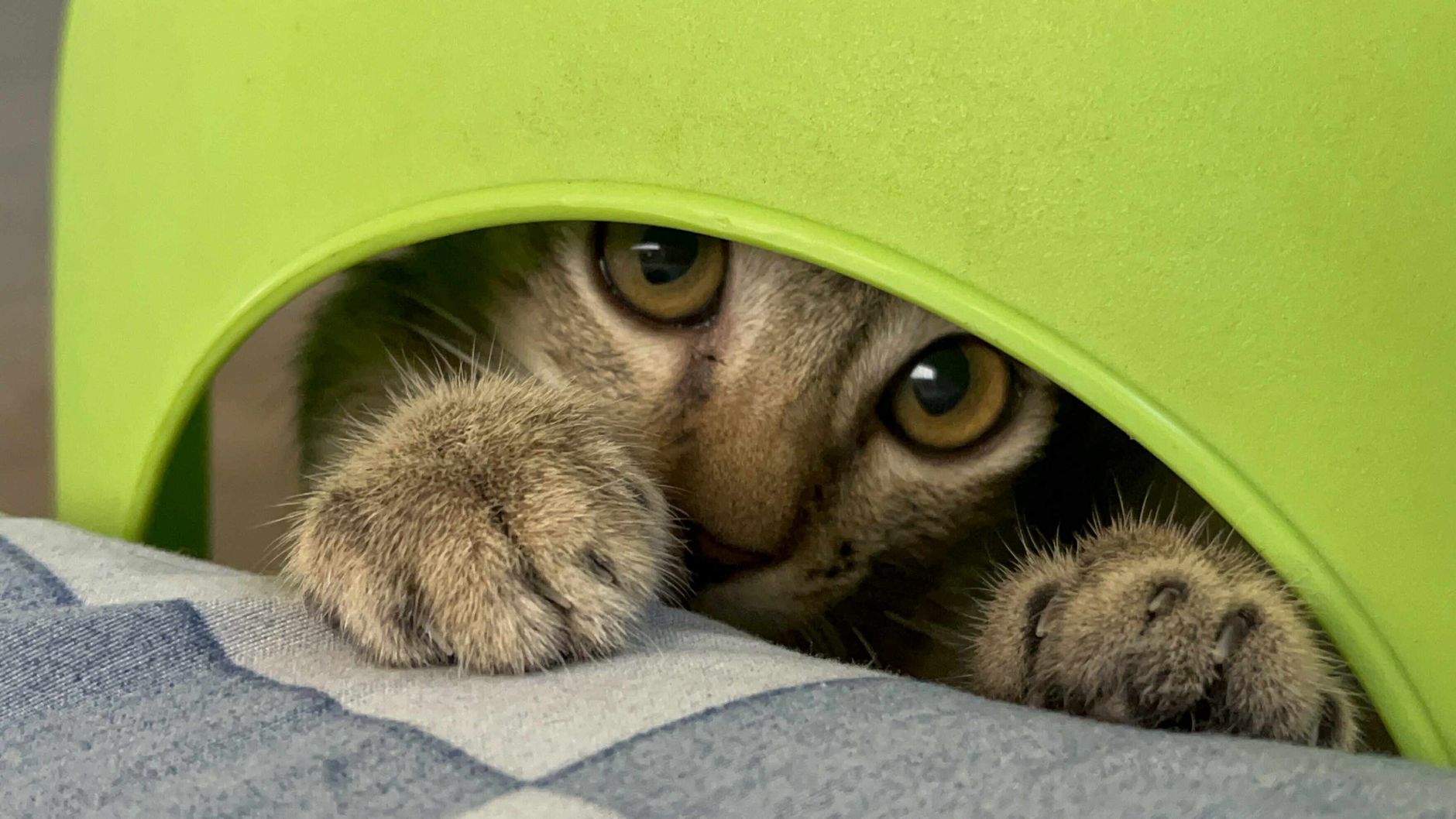
Cats cannot safely skip meals—dangers develop within hours, not days.

Cats that hold urine too long face serious risks including bladder infections, painful inflammation, and life-threatening blockages.

Cats can safely switch litter types when you mix new material gradually into their existing litter over 7-10 days.
Made from recycled paper fibers compressed into pellets or small pieces, paper litter passes safety standards and is used by veterinarians as a litter…
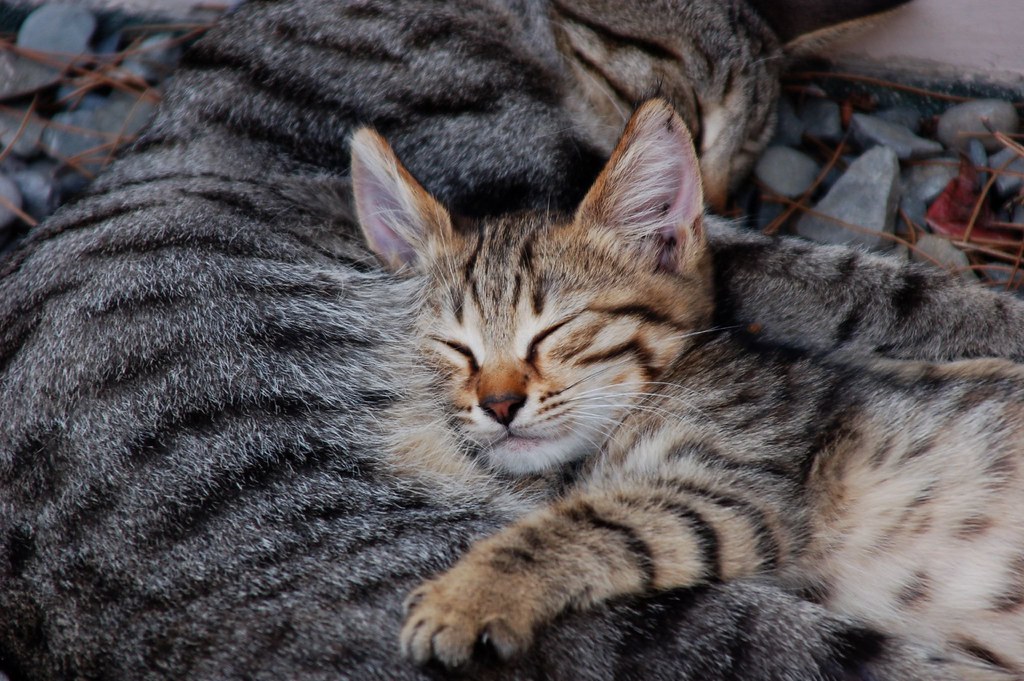
Wood litter safety hinges on avoiding pine and cedar; aspen-based products can work, but dust and tracking problems often outweigh benefits.
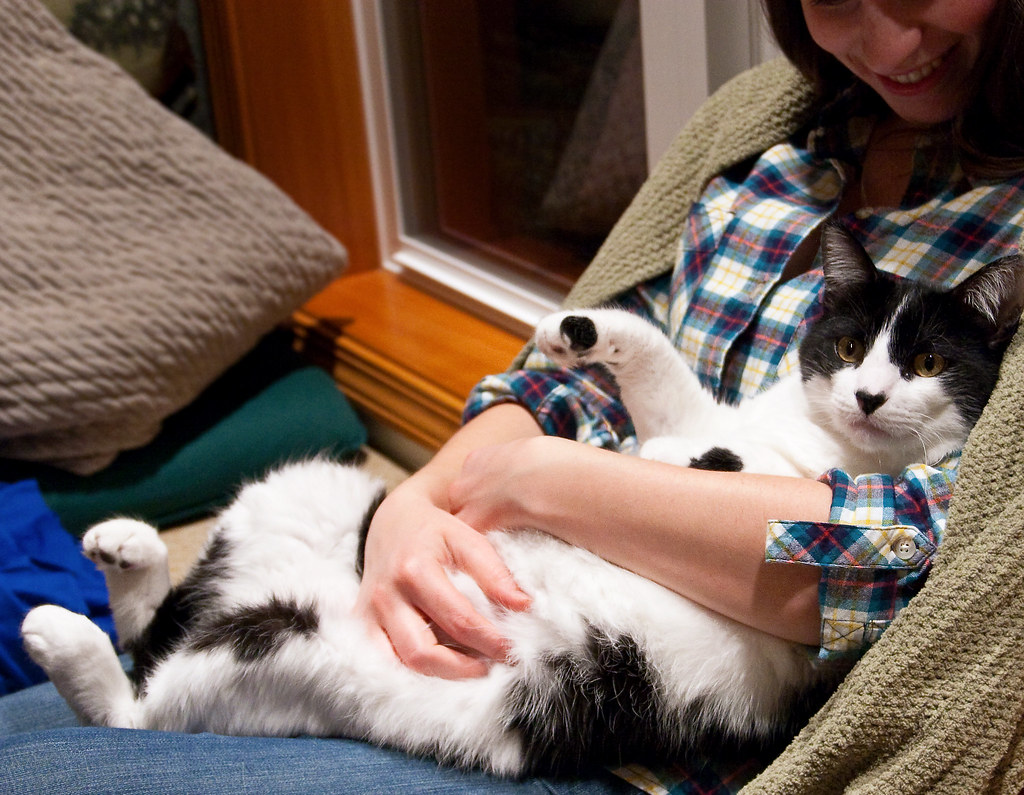
Crystal litter is safe for most cats but carries specific respiratory and monitoring trade-offs that make it unsuitable for senior or asthmatic cats.