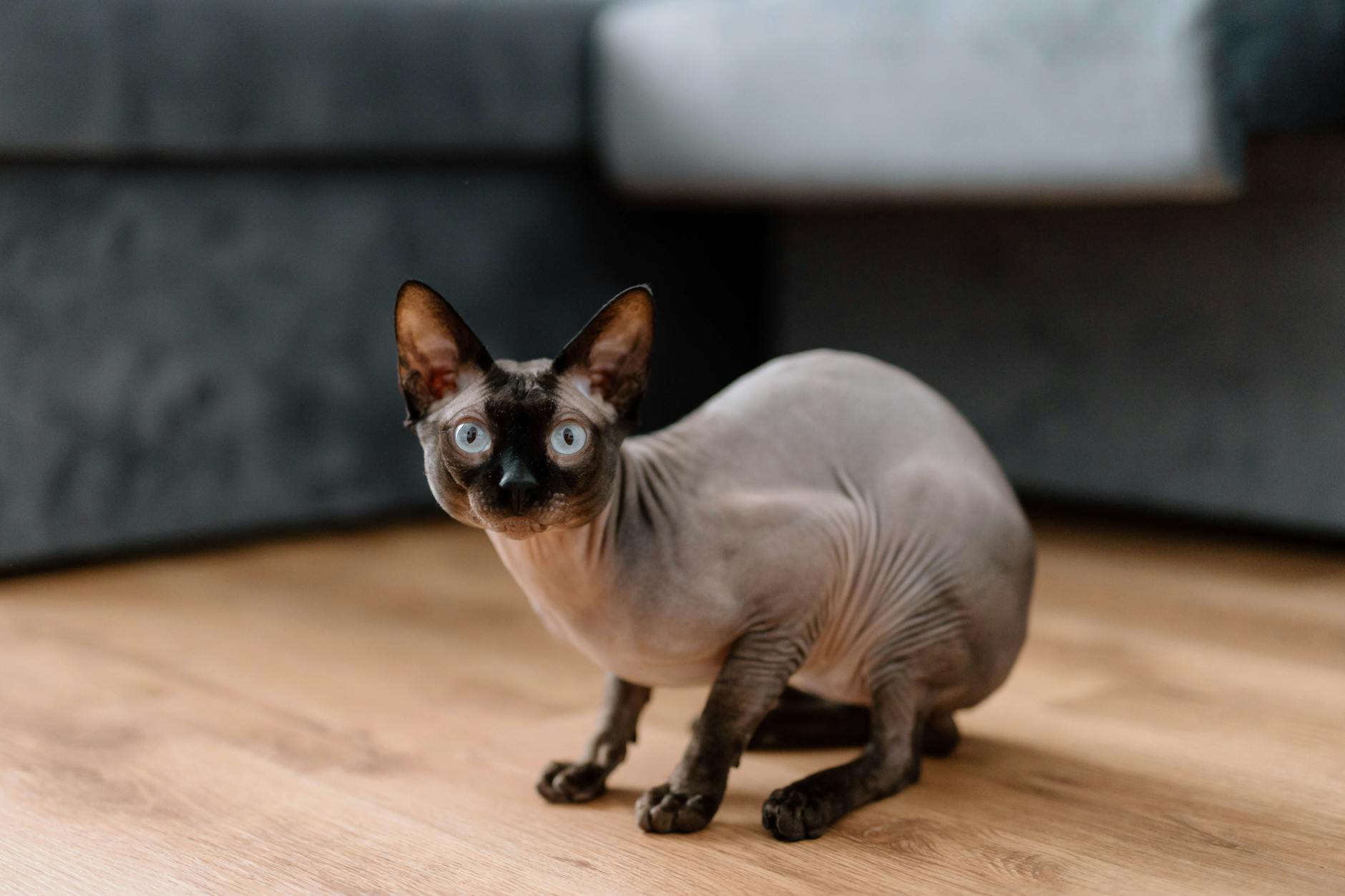
Multiple cat breeds are known for their distinctive deep blue eyes, but the Ojos Azules stands out as the breed specifically defined by this trait. The name itself means “blue eyes” in Spanish, and this rare breed was developed primarily to showcase exceptionally deep blue eye color—a depth that surpasses even the vivid blue eyes found in Siamese cats. However, the Ojos Azules breed became officially extinct due to lethal genetic side effects linked to the blue-eye gene, making it a cautionary tale in feline genetics and breeding ethics.
While the Ojos Azules no longer exists as a living breed, several other cat breeds consistently display deep blue eyes that rival its striking appearance. These include the Siamese, Himalayan, Balinese, Birman, and Ragdoll—all of which inherit their blue eye coloration through specific genetic patterns. For cat enthusiasts seeking a blue-eyed companion today, these established breeds offer the beauty of deep blue eyes without the health complications that plagued the Ojos Azules.
Table of Contents
- Which Cat Breeds Have the Deepest Blue Eyes?
- Understanding the Genetics Behind Blue Eyes in Cats
- The Ojos Azules: The Lost Blue-Eyed Breed
- Health Considerations for Blue-Eyed Cat Breeds
- Eye Care and Managing Blue-Eyed Cat Health
- Choosing a Blue-Eyed Cat Breed
- The Future of Blue-Eyed Cat Breeding
- Conclusion
Which Cat Breeds Have the Deepest Blue Eyes?
The Siamese cat remains one of the most recognizable blue-eyed breeds in the world, with all purebred Siamese displaying vivid blue eyes as a breed standard. Their striking blue gaze is often one of the first features people notice, and this consistency across the breed makes Siamese an excellent choice for those specifically seeking deep blue eyes. The Balinese breed, which shares Siamese ancestry, also features deep blue eyes paired with a silky, flowing coat that adds to their overall elegance.
The Birman breed is equally notable for always displaying deep, vivid blue eyes regardless of color pattern. Unlike some breeds where eye color can vary, Birmans come in multiple pointed color variations—seal point, chocolate point, lilac point, and others—but their blue eyes remain constant across all variations. The Himalayan, which bears a close resemblance to the Siamese, also carries the signature deep blue eye coloration. The Ragdoll, another naturally blue-eyed breed, rounds out the primary options for those seeking cats with consistently deep blue eyes.
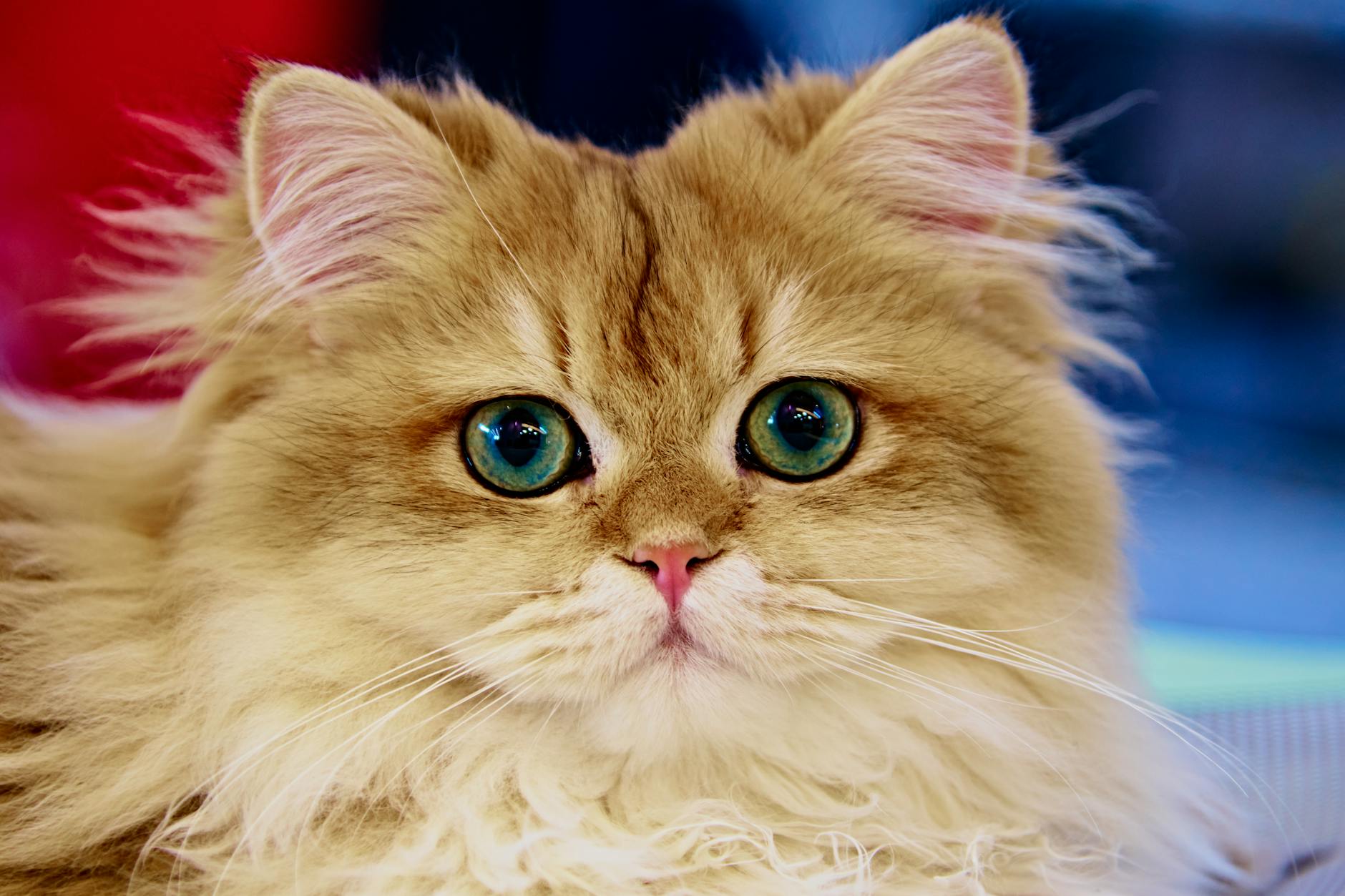
Understanding the Genetics Behind Blue Eyes in Cats
Blue eyes in cats are typically linked to colorpoint genetic patterns or specific dominant blue-eye genes that are inherited from parents to offspring. Colorpoint cats, like Siamese and Birmans, inherit their distinctive coloring—darker points on the face, ears, paws, and tail—along with the accompanying blue eye coloration as a package deal. This genetic connection means that the same genetic factors controlling point coloration also influence eye color development.
A critical limitation to understand is that not all blue-eyed cats are the same genetically. Some breeds carry a dominant blue-eye gene that produces blue eyes independently of point coloring, while others have blue eyes exclusively through the colorpoint pattern inheritance. This distinction matters when breeding or understanding a cat’s genetic makeup. The Ojos Azules breed attempted to isolate and amplify the dominant blue-eye gene to create unprecedented eye depth, but the genetic manipulation resulted in lethal side effects that caused the breed’s extinction, demonstrating the dangers of prioritizing a single aesthetic trait over overall health.
The Ojos Azules: The Lost Blue-Eyed Breed
The Ojos Azules represents a unique chapter in cat breeding history. Developed to showcase the deepest possible blue eye color—surpassing even the vivid blues of established Siamese cats—the breed achieved its goal of extraordinary eye depth but at a devastating cost. The genetic factors responsible for the exceptionally intense blue coloration carried lethal side effects that affected the breed’s viability and health.
The extinction of the Ojos Azules serves as an important warning about prioritizing appearance over health in breeding programs. While breeders successfully created cats with stunning, unusually deep blue eyes, the linked genetic defects meant many kittens did not survive or suffered serious health complications. This historical lesson has influenced modern breeding ethics, with responsible breeders of blue-eyed cats today focusing on maintaining health while preserving eye color rather than intensifying color at any cost.

Health Considerations for Blue-Eyed Cat Breeds
Blue-eyed cats, particularly those with colorpoint patterns, sometimes experience higher rates of deafness compared to non-blue-eyed cats. This connection between blue eyes and hearing loss is more pronounced in white cats with blue eyes, but it can occur across various blue-eyed breeds. Siamese and other colorpoint breeds show some increased incidence of deafness, though most blue-eyed cats have perfectly normal hearing.
A critical tradeoff exists here: while blue eyes are beautiful, prospective owners should be aware of this potential health concern and have kittens tested for hearing ability. Additionally, blue-eyed cats can sometimes experience sensitivity to bright light due to the reduced pigmentation in their eyes. This doesn’t mean they need to avoid sunlight, but they may squint more readily in very bright conditions compared to their amber or green-eyed counterparts. Responsible breeders of Siamese, Birmans, Himalayans, and other blue-eyed breeds screen for these health issues before breeding, so obtaining a kitten from a reputable breeder significantly reduces the risk of inherited problems.
Eye Care and Managing Blue-Eyed Cat Health
Caring for a blue-eyed cat requires the same fundamental eye care as any cat: regular veterinary checkups and monitoring for signs of eye problems. However, blue-eyed cats should be observed slightly more carefully for any discharge, excessive tearing, or squinting, as these can indicate issues requiring veterinary attention. When adopting a blue-eyed kitten, request that the breeder provide hearing test results, as early detection of any hearing loss allows you to accommodate your cat’s needs appropriately.
A practical limitation to remember is that blue-eyed cats may benefit from having shaded resting areas where they can retreat from intense sunlight if they show signs of light sensitivity. This is a minor accommodation that doesn’t significantly impact your lifestyle but can improve your cat’s comfort. Additionally, regular eye examinations by your veterinarian become even more important, as they can detect any breed-specific eye conditions early and recommend appropriate treatment or management strategies.
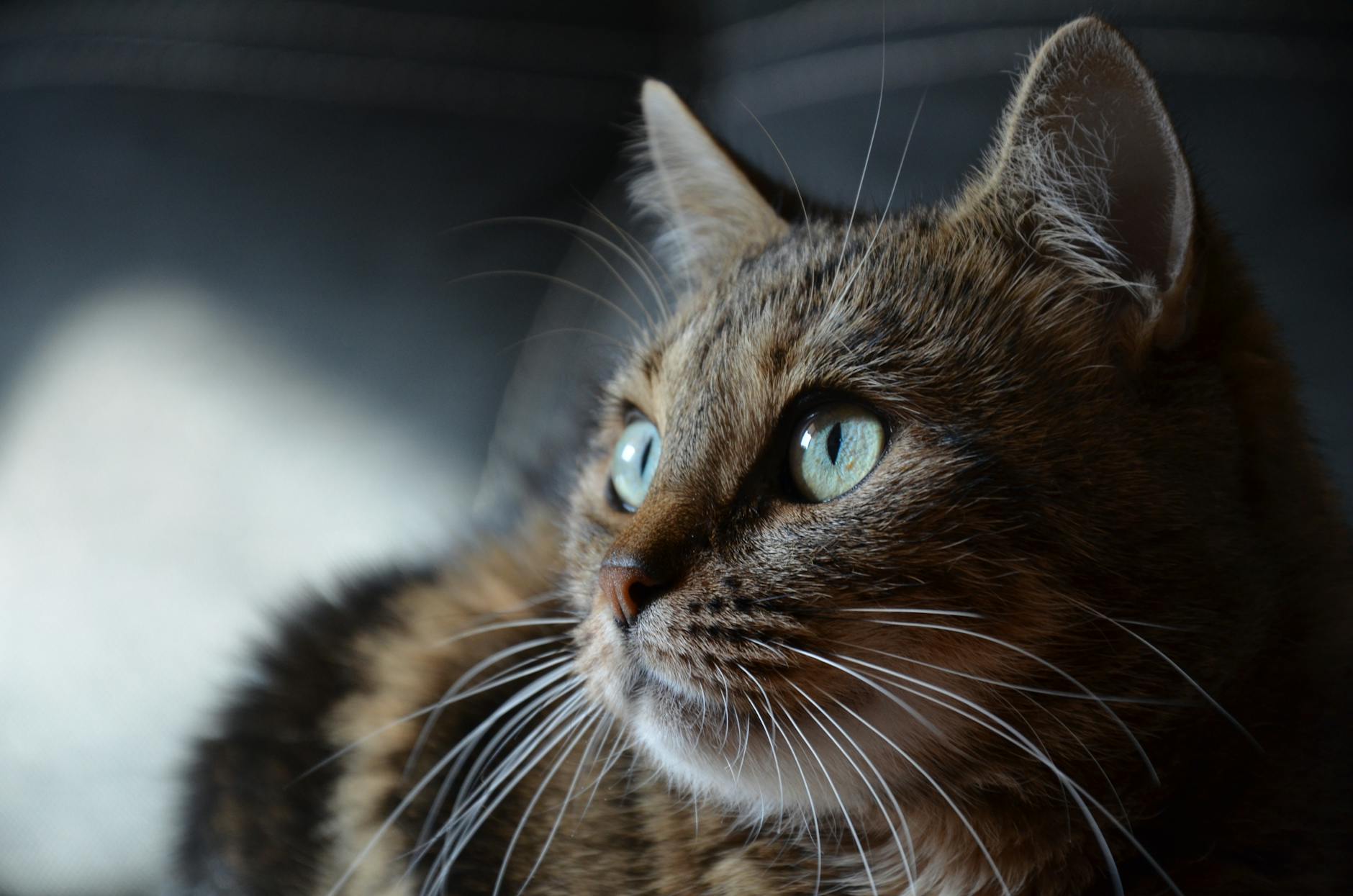
Choosing a Blue-Eyed Cat Breed
When selecting a blue-eyed cat breed, consider both the eye color and the overall temperament and care requirements of the breed. Siamese cats are highly vocal and demand significant social interaction, making them ideal for owners who enjoy constant companionship and communication. Birmans tend to be more laid-back while still being affectionate, offering a middle ground.
Ragdolls are known for their relaxed, dog-like personality and tendency to go limp when picked up—an example of how breed temperament matters as much as eye color when choosing your companion. The Himalayan, combining Siamese appearance with Persian coat characteristics, requires substantial grooming commitment due to their long, dense fur. This demonstrates that choosing based on eye color alone would be a mistake; the entire breed package must align with your lifestyle. Research the specific breed’s grooming needs, activity level, and social requirements before committing to a blue-eyed cat.
The Future of Blue-Eyed Cat Breeding
Modern cat breeders have learned from the Ojos Azules tragedy, prioritizing health and genetic stability alongside aesthetic traits. The blue-eyed breeds that exist today—Siamese, Birman, Himalayan, Balinese, and Ragdoll—have established breed standards that maintain the striking eye color while minimizing health complications.
Responsible breeders continue to screen for deafness and other potential issues, ensuring that future generations of blue-eyed cats remain healthy companions. As genetic testing becomes more sophisticated, breeders will likely have even better tools to understand the genetic basis of blue eyes and to breed selectively for eye color without inadvertently passing on harmful traits. The future of blue-eyed cat breeding points toward continued appreciation of this stunning trait combined with rigorous attention to health, a balance that honors both beauty and welfare.
Conclusion
The cat breed most famously defined by deep blue eyes was the Ojos Azules, which unfortunately became extinct due to lethal genetic side effects. Today, several established breeds—including the Siamese, Birman, Himalayan, Balinese, and Ragdoll—display the deep blue eyes that captivate cat lovers worldwide. These breeds offer the aesthetic appeal of striking blue eye color while maintaining the health and stability that responsible breeding practices provide.
If you’re drawn to blue-eyed cats, prioritize finding a reputable breeder who screens for health issues, particularly deafness and eye conditions. Request health certifications and ask about the breed’s specific temperament and care requirements to ensure the cat fits your lifestyle. By understanding the genetics, health considerations, and historical lessons of blue-eyed cat breeding, you can make an informed choice and welcome a beautiful companion into your home.