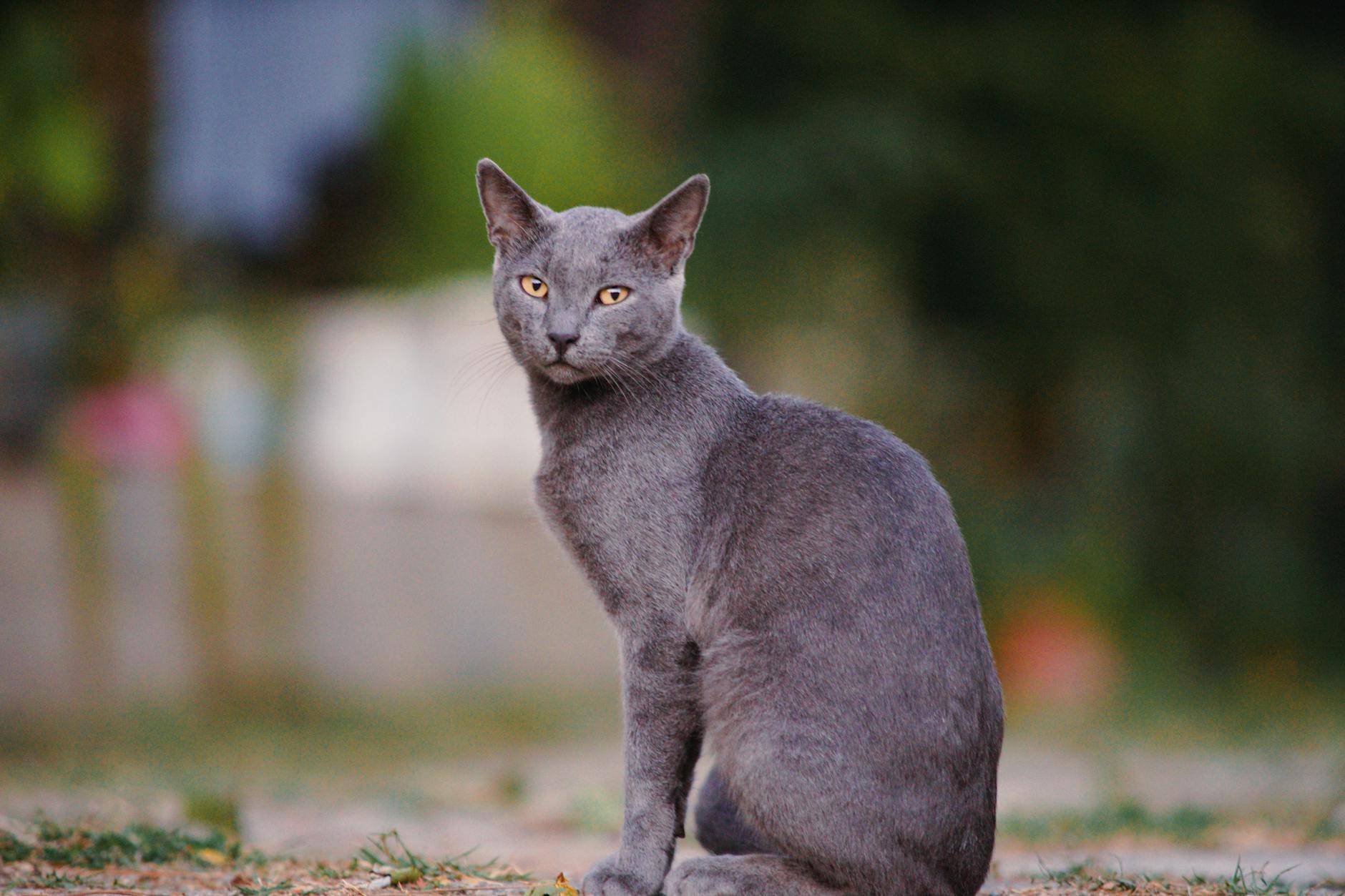
No single cat breed exclusively displays one blue eye and one green eye. This striking condition, known as heterochromia iridis or odd-eyed condition, can occur in many domestic cat breeds. However, several breeds are particularly known for producing odd-eyed cats, including the Turkish Van, Turkish Angora, Sphynx, Persian, Oriental Shorthair, Japanese Bobtail, and most notably, the Khao Manee.
The Khao Manee, a rare Thai breed with a history spanning centuries, is perhaps the breed most strongly associated with this distinctive eye combination, where odd-eyed specimens represent the rarest and most prized variety. What makes odd-eyed cats particularly fascinating is how their varied eye colors—whether blue and green, blue and gold, or green and gold—are genetically determined and relatively rare within their breeds. The condition catches the eye of cat enthusiasts worldwide and has become increasingly recognized as cat breed standards have evolved globally.
Table of Contents
- Which Cat Breeds Can Have One Blue Eye and One Green Eye?
- Understanding the Genetic Cause of Heterochromia
- The Khao Manee: The Breed Most Associated With Odd Eyes
- Health Considerations and the Deafness Myth
- The Visual Impact and Rarity of Odd-Eyed Cats
- Breeding Ethics and Responsible Ownership
- The Future of Odd-Eyed Cats in Breed Development
- Conclusion
Which Cat Breeds Can Have One Blue Eye and One Green Eye?
Heterochromia in cats is not limited to a single breed but rather appears across multiple domestic cat breeds, though some show the trait more frequently than others. Turkish Van cats are among the most commonly associated with odd-eyed coloring, and the breed standard actually accepts and celebrates this variation. Similarly, Turkish Angora cats often display heterochromia, and many Turkish Angoras have one blue eye paired with an amber or green eye. These breeds originating from the same geographical region show a higher predisposition to the trait.
Beyond the Turkish breeds, the Khao Manee stands out as particularly significant. This rare Thai breed, documented for centuries in Thai manuscripts and royal records, is specifically known for its stunning eye colors. Khao Manee cats can display blue eyes, golden eyes, or green eyes, and the odd-eyed combination is considered the rarest and most valuable variety. The breed also appears in Persian, Sphynx, Oriental Shorthair, and Japanese Bobtail lines, though less consistently. This widespread occurrence across unrelated breeds indicates that heterochromia is controlled by specific genetic factors rather than breed-specific traits.
Understanding the Genetic Cause of Heterochromia
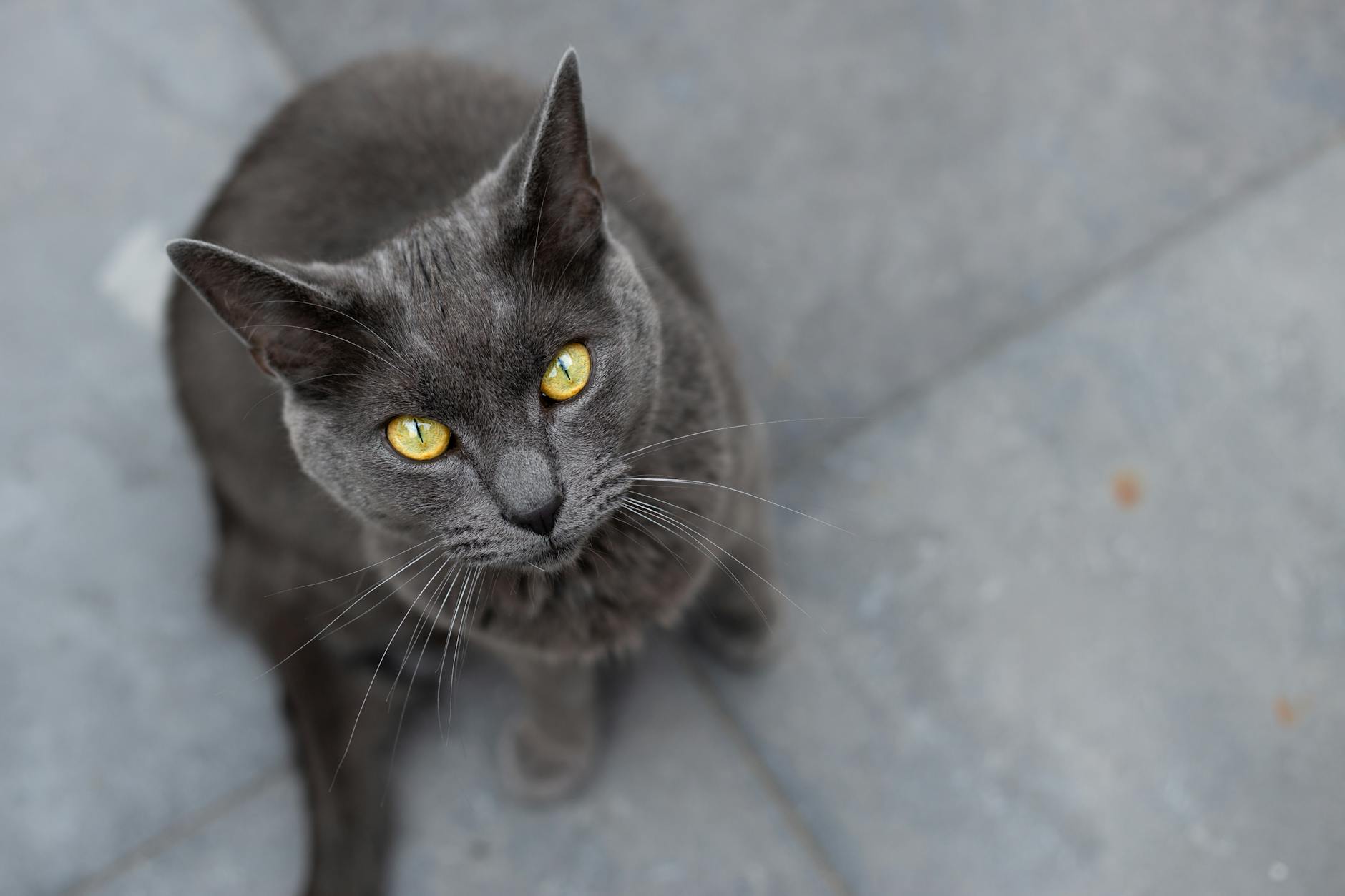
The fundamental cause of odd-eyed cats traces back to the white gene, particularly the epistatic white, dominant white, or white spotting gene. This genetic variation prevents normal melanin distribution in the iris, resulting in different eye colors between the two eyes. The white gene essentially suppresses melanin in specific areas, leading to lighter colored eyes. Depending on how the gene expresses itself and other genetic modifiers, cats can develop blue eyes (due to lack of melanin), green eyes, amber eyes, or combinations of these colors.
Understanding this genetic mechanism is important for breeders and cat owners alike. The white gene’s effects aren’t limited to eye color—it can also influence coat color patterns and, in some cases, hearing. The gene operates independently of breed, which explains why heterochromia appears across many different cat populations. However, breeders in breeds where odd-eyed cats are desired, such as the Khao Manee, actively select for this trait, making it more common in certain lineages. A limitation to remember is that genetic testing for predicting heterochromia before birth isn’t routinely available, so breeders must rely on selective breeding based on parental traits and genetic backgrounds.
The Khao Manee: The Breed Most Associated With Odd Eyes
The Khao Manee represents the pinnacle of odd-eyed cat recognition. This ancient Thai breed, whose name means “white jewel,” has been documented in Thai royal courts and manuscripts for centuries. The breed’s natural habitat and selective breeding in Thailand created a population with a high incidence of heterochromia. Unlike many Western cat breeds developed in recent decades, the Khao Manee emerged naturally from Thailand’s indigenous cat population, making its eye color variations part of its authentic heritage.
Modern recognition of the Khao Manee began relatively recently on the international stage. The breed achieved TICA (The International Cat Association) Championship status in 2015 and earned recognition from the CFA (Cat Fanciers’ Association) in 2018. These milestones brought increased attention to the breed and its distinctive traits. Khao Manee cats can have any combination of blue, golden, or green eyes, but the odd-eyed specimens—particularly those with one blue and one green eye—are considered the rarest and most prized variety. This exclusivity has made odd-eyed Khao Manee cats highly sought after by collectors and breed enthusiasts, commanding premium prices in the breeding market.

Health Considerations and the Deafness Myth
A widespread misconception about odd-eyed cats claims that all heterochromia cats are deaf in the ear on the side of the blue eye. This myth has persisted for generations and influences many people’s perceptions of odd-eyed cats. In reality, the relationship between heterochromia and deafness is far more complex than a simple one-to-one correlation. While there is a documented association between white coloring and congenital deafness in some cats, this connection is not automatic or universal among odd-eyed cats.
The link between deafness and heterochromia depends on multiple genetic factors working together. The white gene that causes heterochromia can be associated with hearing loss in some cats, but the presence of odd eyes doesn’t guarantee deafness. Many odd-eyed cats have completely normal hearing in both ears. Before adopting an odd-eyed cat, potential owners should have hearing tested by a veterinarian, particularly if adopting a white or predominantly white cat, as white coloring carries a higher statistical risk of deafness than heterochromia alone. This distinction is crucial for setting realistic expectations and ensuring proper care.
The Visual Impact and Rarity of Odd-Eyed Cats
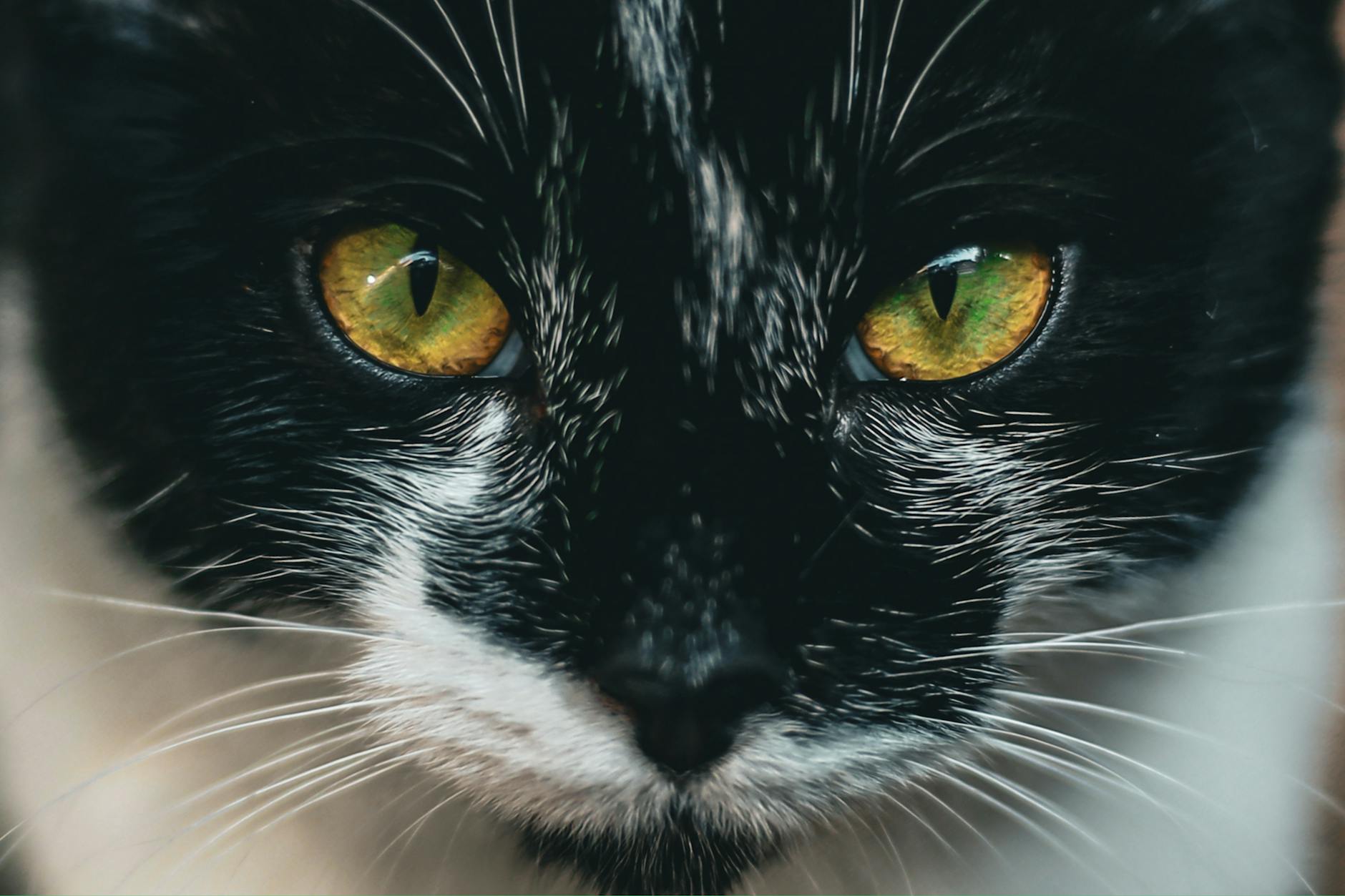
The visual striking nature of odd-eyed cats has made them culturally significant across many societies. In Japanese folklore, cats with different colored eyes were considered lucky, and this belief persists in modern times. The contrast between a blue eye and a green eye creates a distinctive appearance that cat enthusiasts find deeply appealing. The degree of color contrast varies among individual cats—some have a stark difference between bright blue and vivid green, while others display more subtle variations.
The rarity of true odd-eyed cats, especially in specific breeds, contributes to their desirability and value. While heterochromia appears across multiple breeds, genuinely odd-eyed specimens are statistically uncommon. In breeds where the trait is not actively selected for, odd-eyed cats might appear once in dozens or hundreds of litters. In contrast, breeds like the Khao Manee with a genetic predisposition to the trait show higher rates. This scarcity means that odd-eyed kittens often command higher prices in the breeding market, sometimes costing two to three times more than their same-eyed littermates, depending on the breed and breeder reputation.
Breeding Ethics and Responsible Ownership
Responsible breeders who produce odd-eyed cats must balance the appeal of heterochromia with health and genetic considerations. The white gene associated with odd-eyed coloring can carry risks beyond eye color variation, and ethical breeders test their cats for hearing and other health issues before breeding. Many reputable Khao Manee and Turkish breed breeders perform BAER (Brainstem Auditory Evoked Response) testing to ensure their breeding cats have normal hearing, preventing the propagation of genetic deafness in their lines.
Prospective owners of odd-eyed cats should purchase from breeders who prioritize health testing and genetic transparency. Responsible breeders maintain detailed records of their cats’ hearing status and genetic backgrounds. They’re willing to provide health certifications and discuss the genetic factors behind heterochromia candidly. Conversely, breeders who prioritize appearance over health, selling odd-eyed kittens without health testing or genetic information, perpetuate avoidable health problems in the breed.
The Future of Odd-Eyed Cats in Breed Development
As international cat fancy organizations continue to develop breed standards, odd-eyed cats are becoming increasingly recognized and valued. The successful establishment of the Khao Manee in major cat associations demonstrates growing acceptance and interest in this striking trait. Breed clubs dedicated to Khao Manee and other odd-eyed cat varieties continue to grow, with international breeding programs now extending beyond Thailand and Japan into Europe and North America.
The future of odd-eyed cats will likely involve continued refinement of breeding practices that prioritize health alongside appearance. As genetic testing becomes more sophisticated and accessible, breeders will have better tools to understand and predict heterochromia while avoiding associated health complications. This evolution suggests that odd-eyed cats, particularly breeds like the Khao Manee, will remain popular while becoming safer and healthier through improved breeding knowledge.
Conclusion
One blue eye and one green eye in cats isn’t the exclusive domain of any single breed—it’s a naturally occurring condition called heterochromia that appears across many domestic cat breeds. The Khao Manee, Turkish Van, Turkish Angora, Sphynx, Persian, Oriental Shorthair, and Japanese Bobtail all produce odd-eyed individuals, with the Khao Manee being particularly renowned for this trait.
The condition results from the white gene’s effects on melanin distribution in the iris, creating the striking color variation that captivates cat lovers worldwide. If you’re interested in odd-eyed cats, focus on finding reputable breeders who conduct health testing and prioritize genetic transparency. Whether you’re drawn to the ancient Khao Manee breed or seeking an odd-eyed cat from another breed line, understanding the genetics, dispelling myths about deafness, and recognizing the rarity and value of these cats will help you make an informed decision about cat ownership.