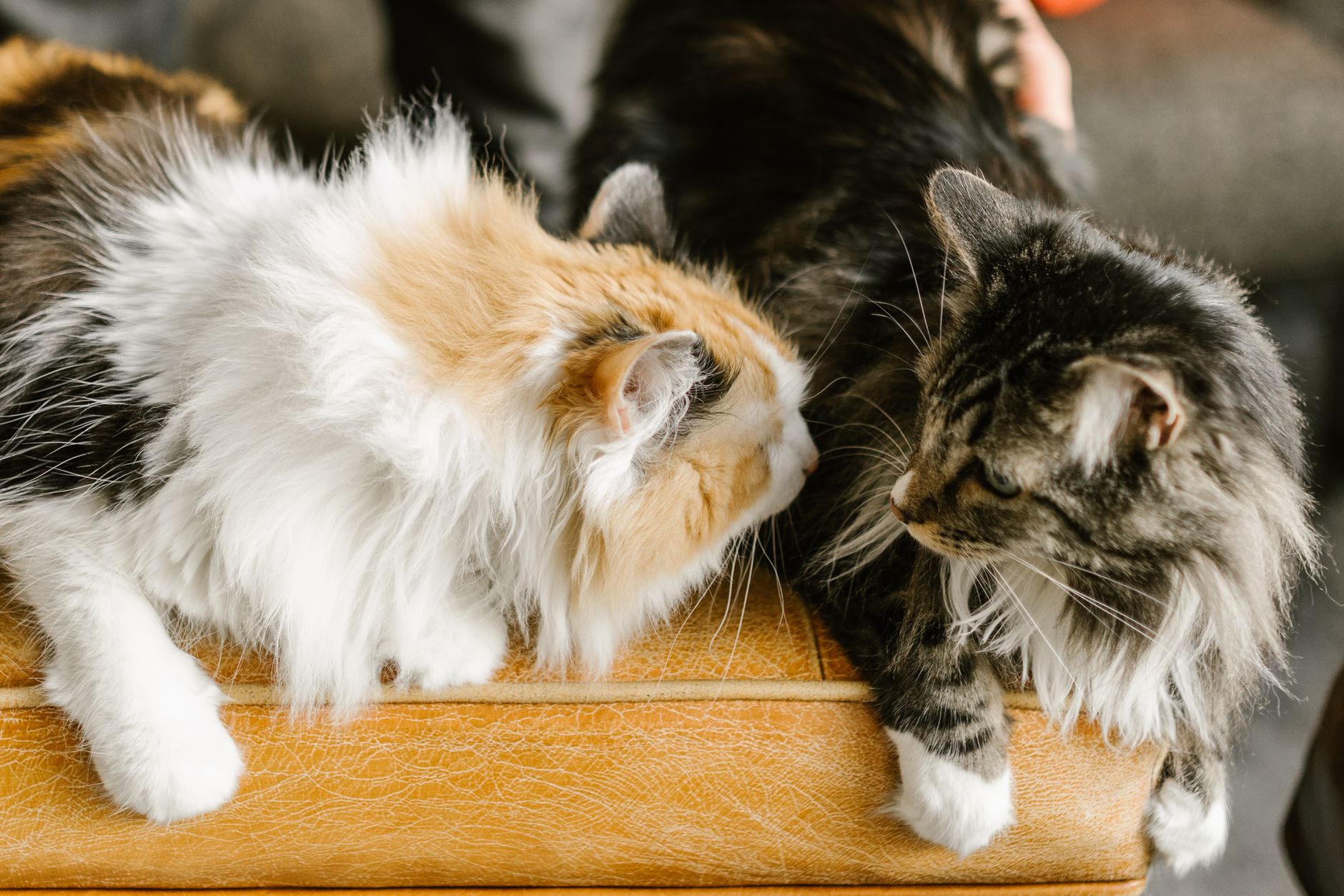
When your cat displays certain behaviors—slow blinking, head rubbing, kneading, and chirping—they’re communicating something profound: they trust you and feel genuine affection. These aren’t random habits or coincidental gestures. Cats are selective creatures with independent temperaments, so when they choose to show these twelve specific behaviors, they’re revealing an emotional bond that matters to them. A cat that slowly blinks at you while approaching, for example, is essentially saying “I feel safe with you” in the only language they have.
Unlike dogs, cats don’t seek approval or display affection through overt enthusiasm. Their love language is subtle, which makes understanding it both challenging and rewarding. A cat that grooms your hand or allows you to touch their belly has decided you’re part of their inner circle—a status they don’t grant lightly. Recognizing these behaviors transforms how you interact with your cat and deepens the relationship you share.
Table of Contents
- What Does Slow Blinking Actually Mean in Cat Communication?
- Head Bunting and Scent Marking as Signs of Bonding
- Kneading as a Holdover from Kitten Behavior
- Purring: Not Always What You Think
- The Gift of Dead Animals or Toys
- Following You Between Rooms as a Trust Signal
- Grooming You as Reciprocal Bonding
- Frequently Asked Questions
What Does Slow Blinking Actually Mean in Cat Communication?
When a cat makes direct eye contact and slowly closes their eyes before opening them again, they’re engaged in what behaviorists call a “cat kiss.” This slow blink is one of the most reliable indicators of feline affection and trust. The gesture mimics the kind of relaxed behavior a cat shows when they’re completely at ease, and it’s something they’ll do repeatedly if they feel secure around you. If you slow blink back at your cat, many will reciprocate, creating a genuine moment of connection.
This behavior differs fundamentally from a hard stare, which cats use as a dominance or threat signal. A slow blink is the opposite—it’s a deliberate downshift in intensity, a way of lowering their defenses. Cats that have recently been adopted or rescued typically take weeks or months before they’ll slow blink at their new owners. When your cat finally does it consistently, it means the fear and uncertainty have faded and trust has genuinely taken root.
Head Bunting and Scent Marking as Signs of Bonding
When your cat rubs their head, cheeks, or flanks against your leg, arm, or face, they’re not just showing affection—they’re marking you with their scent glands. This behavior is called bunting, and it’s significant because cats have scent glands concentrated on their head and body. By marking you, your cat is claiming you as part of their family unit and territory. It’s a genuine privilege, not something they do with every person they encounter.
Some cats are more aggressive bunters than others, repeatedly pressing their head into your hand or leaning their entire body weight against your legs. This variation reflects individual personality rather than a difference in affection levels. A shy cat might bunt once and walk away, while a social cat might do it dozens of times throughout the day. The key indicator of trust is consistency—does your cat seek you out to bunt, or do they only do it when they want food? Regular, unprompted bunting indicates genuine attachment. One limitation worth noting: some cats will bunt frequently but still maintain emotional distance in other ways, refusing to be picked up or sitting on your lap.
Kneading as a Holdover from Kitten Behavior
When your cat pushes their paws alternately against your lap, blanket, or even your arm, they’re kneading—a behavior learned during nursing. Kittens knead their mother’s belly to stimulate milk flow, and adult cats continue the behavior when they’re feeling content and safe. The muscle memory associated with kneading is tied to some of the cat’s first experiences of comfort and trust, which is why they do it around people and objects that make them feel secure. A kneading cat often purrs simultaneously, which multiplies the effect of this display.
Some cats extend their claws while kneading, which can be uncomfortable for their owners but is an involuntary part of the behavior. The cat isn’t trying to hurt you; they’re simply lost in a state of contentment reminiscent of early kittenhood. If your cat kneads you regularly, it’s a strong sign they feel safe and cared for in your presence. However, it’s important to recognize that not all cats knead frequently—some have personalities that simply don’t express affection this way, and their absence of kneading doesn’t indicate less trust or love.
Purring: Not Always What You Think
Most owners assume that purring always means happiness, but the reality is more complex. Cats purr when they’re content and relaxed, yes, but they also purr when they’re injured, frightened, or dying. The vibration seems to have a self-soothing effect for cats in distress. So while a cat purring on your lap during a calm evening is definitely showing affection, purring alone isn’t a complete picture of your cat’s emotional state.
True affection-related purring typically occurs in relaxed contexts: when you’re petting your cat gently, when they’re settled on your lap, or when they’re bunting against you. The purring in these situations, combined with other behaviors like slow blinking or a relaxed tail position, creates a reliable picture of contentment. Some cats are naturally quiet and rarely purr even when deeply bonded to their owners, while others purr at the slightest provocation. In this variation, silence or quiet purring doesn’t equate to indifference—individual cats simply have different vocal patterns.
The Gift of Dead Animals or Toys
One of the strangest manifestations of cat affection is the delivery of dead prey or toys to your feet or bed. Your cat isn’t trying to disgust you or demonstrate hunting prowess to an unappreciative audience. Rather, they’re treating you like a family member or kitten that needs feeding—they’re sharing a resource. Some behaviorists interpret this as a sign that your cat sees you as incompetent at hunting and is generously providing for your survival.
While this behavior certainly indicates trust and a sense of family responsibility, it’s also worth understanding that indoor cats with access to toys often exhibit the same behavior. They’ll “catch” a toy and bring it to you, expecting you to engage with it or eat it. The key limitation here is that this behavior can be maddening to manage, particularly when it involves actual prey. Providing your cat with adequate enrichment, interactive toys, and feeding them at regular times may redirect this instinct while still honoring the trust they’re displaying. A cat that brings you their treasures is genuinely including you in their social unit, even if the delivery method is upsetting.
Following You Between Rooms as a Trust Signal
A cat that trails behind you from room to room, sits near you while you work, or waits outside the bathroom door is displaying a form of attachment called “secure base behavior.” This cat trusts you enough to stay close but independent enough to move about freely. They’re checking in periodically, reassuring themselves that you’re still there and still safe. Some cats are velcro cats—they follow their owners constantly and become anxious when separated.
Others maintain proximity only during specific times of day. Both patterns indicate trust, though the intensity varies. A cat that avoided you for months after adoption but now follows you to the kitchen demonstrates measurable growth in trust and attachment.
Grooming You as Reciprocal Bonding
When a cat licks your hand, arm, or hair, they’re engaging in allogrooming—grooming directed at another individual rather than themselves. Among cats, grooming is a bonding behavior reserved for trusted family members. A mother cat grooms her kittens, and cats that live together in harmony groom each other. When your cat grooms you, they’re recognizing you as part of their core group.
Cats typically maintain specific grooming patterns with specific people. If your cat grooms your hands but ignores other household members, it means they’ve designated you as particularly important in their social hierarchy. Some cats are more enthusiastic groomers than others; a cat that licks your entire arm is expressing the same affection as one that occasionally licks your fingers, just with different intensity. The gentle bite or nibble that sometimes accompanies grooming is still part of normal bonding behavior and shouldn’t be misinterpreted as aggression, though it does signal that your cat is becoming very comfortable and playful.
Frequently Asked Questions
Can a cat be deeply bonded but not display many of these behaviors?
Yes. Personality, past experiences, and breed tendencies all influence how a cat expresses affection. Some cats are naturally reserved and may only show one or two behaviors consistently. Trust and bonding exist on a spectrum and don’t require all twelve behaviors to be present.
What if my cat only shows some of these behaviors with certain family members?
Cats often have preferences for individual people based on who feeds them, who respects their boundaries most, and who initiated early bonding. This selectivity is normal and doesn’t indicate less love for other family members—just different relationship dynamics.
Can rescued or formerly feral cats develop these behaviors?
Absolutely, though it may take weeks, months, or even years. A formerly feral cat that eventually slow blinks at you or bunts your leg has genuinely overcome significant fear to show you trust. These behaviors may appear gradually and inconsistently at first.
Is my cat’s tail position relevant to these affection behaviors?
Yes. A cat displaying affection typically has a tail that’s held upright with a slight hook at the tip, or a tail that’s relaxed and slow-moving. A puffed, thrashing, or tucked tail indicates fear or aggression regardless of other behaviors.
Do indoor and outdoor cats show these behaviors differently?
The core behaviors remain the same, but outdoor cats may display them less frequently simply because they spend less time with their owners. An outdoor cat that shows any of these behaviors is still expressing genuine trust, just within the context of their more independent lifestyle.