
Hard cheese is generally safe for cats to eat in small amounts, but it comes with significant caveats that every cat owner should understand. Most adult cats are lactose intolerant to varying degrees, meaning their digestive systems lack sufficient lactase enzyme to properly break down the lactose found in dairy products. Hard cheeses like cheddar, parmesan, and Swiss contain less lactose than soft cheeses or milk because the aging process reduces lactose content, making them a somewhat safer option if you choose to offer cheese as an occasional treat.
Consider a typical scenario: you’re slicing cheddar for a sandwich and your cat appears, intensely interested in what you’re eating. Giving her a small cube about the size of a dice is unlikely to cause harm for most cats, but regularly offering cheese or giving larger portions can lead to digestive upset, weight gain, and other health issues. A cat weighing ten pounds who eats a one-ounce slice of cheddar has consumed roughly the caloric equivalent of a human eating two and a half hamburgers in terms of proportional daily intake. This article examines the specific risks and benefits of feeding hard cheese to cats, which types are safer than others, how to recognize lactose intolerance symptoms, and what alternatives exist for cat owners who want to give their pets a special treat without the digestive complications.
Table of Contents
- Can Cats Digest Hard Cheese Without Getting Sick?
- The Lactose Intolerance Spectrum in Felines
- Which Hard Cheeses Are Safest for Cats?
- How Much Hard Cheese Can a Cat Safely Eat?
- Hidden Dangers Beyond Lactose in Cheese
- Cheese as a Pill-Hiding Strategy
- Healthier Alternatives to Cheese for Cat Treats
- Conclusion
Can Cats Digest Hard Cheese Without Getting Sick?
cats can digest hard cheese more easily than soft cheese or milk, but their ability to do so varies considerably from one individual to another. Kittens produce abundant lactase to digest their mother’s milk, but this enzyme production typically decreases sharply after weaning. By adulthood, most cats retain only about 10 to 30 percent of their original lactase production capacity, which explains why dairy products often cause gastrointestinal distress. Hard cheeses undergo an aging process that naturally reduces their lactose content. Fresh milk contains approximately 4.8 percent lactose, while aged cheddar contains less than 0.5 percent and parmesan contains virtually none.
This reduction occurs because bacteria consume lactose during fermentation and aging. For comparison, soft cheeses like brie or cottage cheese retain significantly more lactose and are more likely to cause digestive problems in cats. However, reduced lactose does not mean zero risk. Even hard cheeses contain enough lactose to trigger symptoms in highly sensitive cats. Additionally, cheese is high in fat and sodium, which present their own health concerns independent of lactose content. A cat with no apparent lactose intolerance may still experience issues from the high fat content, particularly if she has a sensitive stomach or underlying pancreatic issues.

The Lactose Intolerance Spectrum in Felines
Not all cats experience the same degree of lactose intolerance, and this variation explains why some owners report their cats eating cheese without problems while others see immediate digestive distress. Lactose intolerance exists on a spectrum, with some cats retaining more lactase production into adulthood than others. Genetics, individual variation, and possibly early dietary exposure all play roles in determining where a particular cat falls on this spectrum. Signs of lactose intolerance typically appear within 8 to 12 hours after consumption and include diarrhea, vomiting, gas, bloating, and abdominal discomfort.
Some cats may also exhibit decreased appetite or lethargy following dairy consumption. If your cat consistently shows these symptoms after eating any dairy product, she likely falls on the more intolerant end of the spectrum and should avoid cheese entirely, regardless of how aged it is. A critical warning applies here: if your cat has never eaten dairy products, introducing cheese for the first time should be done cautiously with only a tiny amount. Starting with a piece no larger than a pea allows you to observe any reaction before offering more. Cats with inflammatory bowel disease, pancreatitis, or other gastrointestinal conditions should not be given cheese at all, as even small amounts can exacerbate their symptoms.
Which Hard Cheeses Are Safest for Cats?
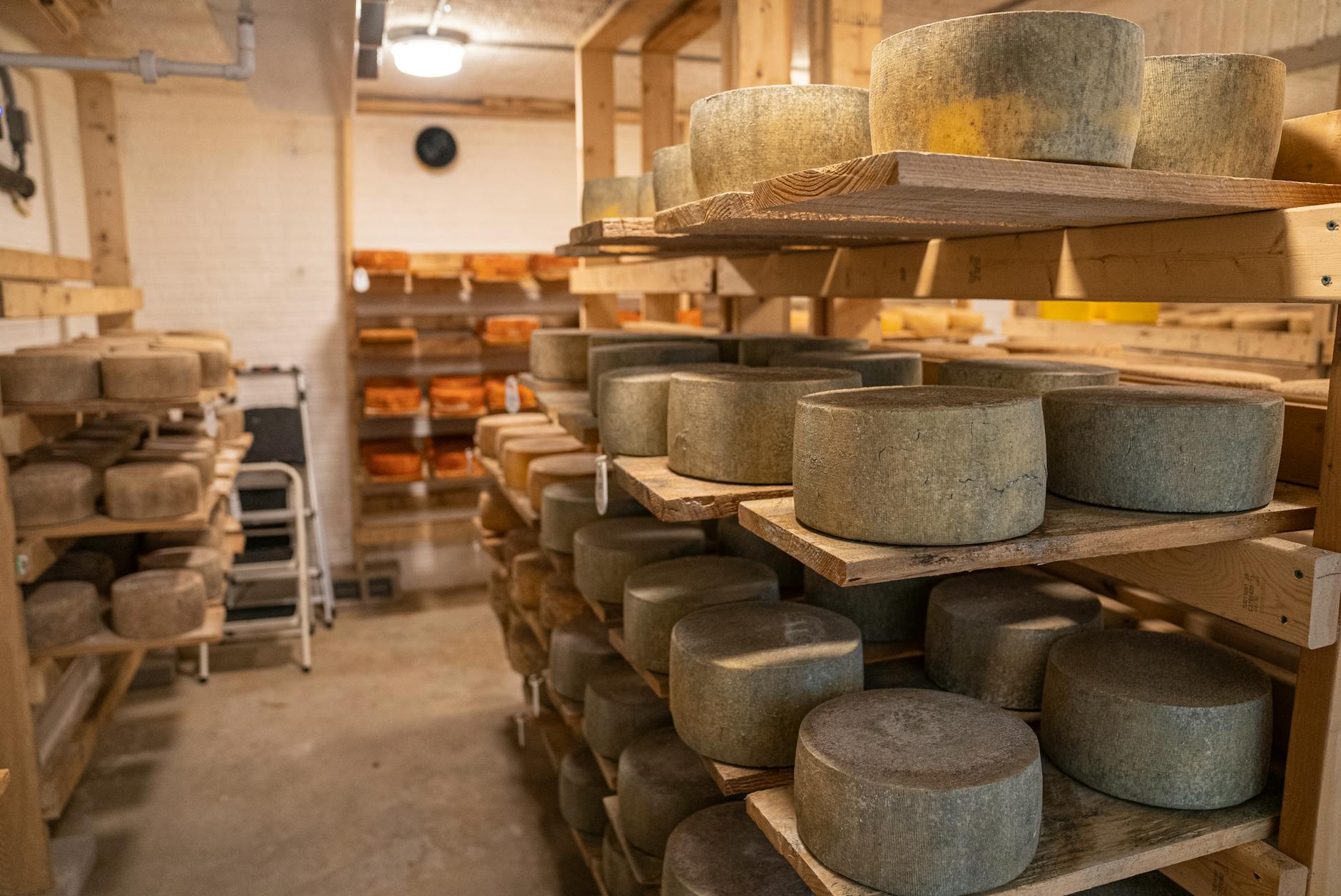
Among hard cheeses, those aged longest typically contain the least lactose and present the lowest risk for digestive upset. Parmesan, aged for 12 months or longer, contains negligible lactose and is among the safest choices if you decide to offer cheese. Aged cheddar, particularly varieties aged 9 months or more, also falls into the lower-lactose category. Swiss cheese, despite its milder aging process, naturally contains less lactose due to the specific bacteria used in its production.
A practical example illustrates the differences: if a cat eats a small piece of fresh mozzarella, she consumes roughly 20 times more lactose than if she ate the same amount of aged parmesan. This substantial difference explains why the same cat might tolerate one cheese perfectly well while another causes obvious discomfort. Cheeses to avoid entirely include processed cheese products, cheese spreads, and any cheese containing added ingredients like garlic, onion, or chives, all of which are toxic to cats. Blue cheeses warrant particular caution because the mold used to create them can produce substances harmful to cats in larger quantities. Stick to plain, unflavored hard cheeses with minimal additives if you choose to offer cheese at all.
How Much Hard Cheese Can a Cat Safely Eat?
Portion control matters enormously when feeding cats any human food, and cheese is no exception. Veterinary nutritionists generally recommend that treats of any kind comprise no more than 10 percent of a cat’s daily caloric intake. For an average indoor cat requiring approximately 200 calories per day, this means treat calories should stay under 20. A single one-inch cube of cheddar cheese contains roughly 70 calories, already exceeding this recommendation by more than three times. The tradeoff becomes clear when considering long-term health: offering cheese regularly, even in seemingly small amounts, can contribute to obesity and its associated health problems.
Feline obesity increases risk for diabetes, arthritis, liver disease, and reduced lifespan. What seems like a harmless indulgence can accumulate into genuine health consequences over months and years. A more appropriate serving size would be a piece about the size of your pinky fingernail, offered no more than once or twice per week. This amount provides the taste experience your cat craves without significantly impacting her caloric intake or challenging her digestive system. Comparing this to commercial cat treats, many veterinary-formulated options provide similar satisfaction with better nutritional profiles and lower calorie counts.
Hidden Dangers Beyond Lactose in Cheese
Lactose intolerance receives most of the attention in discussions about cats and dairy, but other components of cheese present equally concerning health risks. The high sodium content in most cheeses can be problematic for cats, particularly those with heart disease, kidney disease, or hypertension. A single ounce of cheddar contains approximately 180 milligrams of sodium, while a cat’s daily recommended sodium intake is only around 42 milligrams. Fat content poses another significant concern.
Cheese typically contains 25 to 35 percent fat by weight, and cats who consume high-fat foods may develop pancreatitis, a painful and potentially life-threatening inflammation of the pancreas. Cats with a history of pancreatitis, those who are overweight, or those with sensitive digestive systems should never be given cheese regardless of their lactose tolerance. A specific warning applies to cats on prescription diets: many therapeutic foods are carefully formulated to restrict protein, phosphorus, sodium, or fat for cats with kidney disease, heart disease, or other conditions. Adding cheese to these cats’ diets can undermine the therapeutic goals and worsen their medical conditions. Always consult with your veterinarian before offering any human food to a cat on a prescription diet.
Cheese as a Pill-Hiding Strategy
Many cat owners discover cheese when searching for ways to administer medication to reluctant patients. Wrapping a pill in a small piece of soft cheese or pressing it into a harder cheese cube can make medication time significantly easier for both cat and owner. This practical application represents one of the genuinely useful roles cheese can play in feline care.
For example, a cat requiring daily thyroid medication who previously needed to be restrained and manually pilled may readily accept the same tablet hidden in a small piece of cream cheese or pressed into aged cheddar. The stress reduction for both parties can be substantial. However, this strategy works only for medications that can be taken with food; some drugs require administration on an empty stomach, and the calcium in dairy products can interfere with absorption of certain antibiotics.
Healthier Alternatives to Cheese for Cat Treats
Cats seeking the rich, savory taste experience that cheese provides may find equal satisfaction in alternatives specifically designed for feline nutrition. Commercial cat treats formulated by veterinary nutritionists offer similar taste appeal with appropriate calorie content and no lactose concerns. Freeze-dried meat treats made from single ingredients like chicken, salmon, or liver provide high protein rewards without dairy complications.
For owners who prefer whole-food options, small pieces of cooked chicken, turkey, or fish offer protein-rich treats cats typically love. These alternatives avoid the lactose, sodium, and fat concerns associated with cheese while providing nutritional value appropriate for obligate carnivores. Looking ahead, the pet food industry continues developing novel treat options that satisfy cats’ taste preferences while supporting their unique nutritional needs, making cheese increasingly unnecessary as a treat option.
Conclusion
Hard cheese can be offered to cats as an occasional treat without causing harm in most cases, but the emphasis belongs firmly on “occasional” and “small amounts.” The lower lactose content in aged hard cheeses like parmesan and cheddar makes them safer than soft cheeses or milk, but concerns about calories, fat, and sodium mean cheese should never become a regular part of any cat’s diet. Before offering cheese to your cat, consider whether the potential enjoyment outweighs the risks, especially if your cat has any underlying health conditions.
Starting with a tiny amount allows you to assess tolerance, and keeping portions minimal protects against weight gain and nutritional imbalance. For cats who need regular treats or medication delivery assistance, exploring purpose-made alternatives often provides a safer long-term solution than relying on cheese.