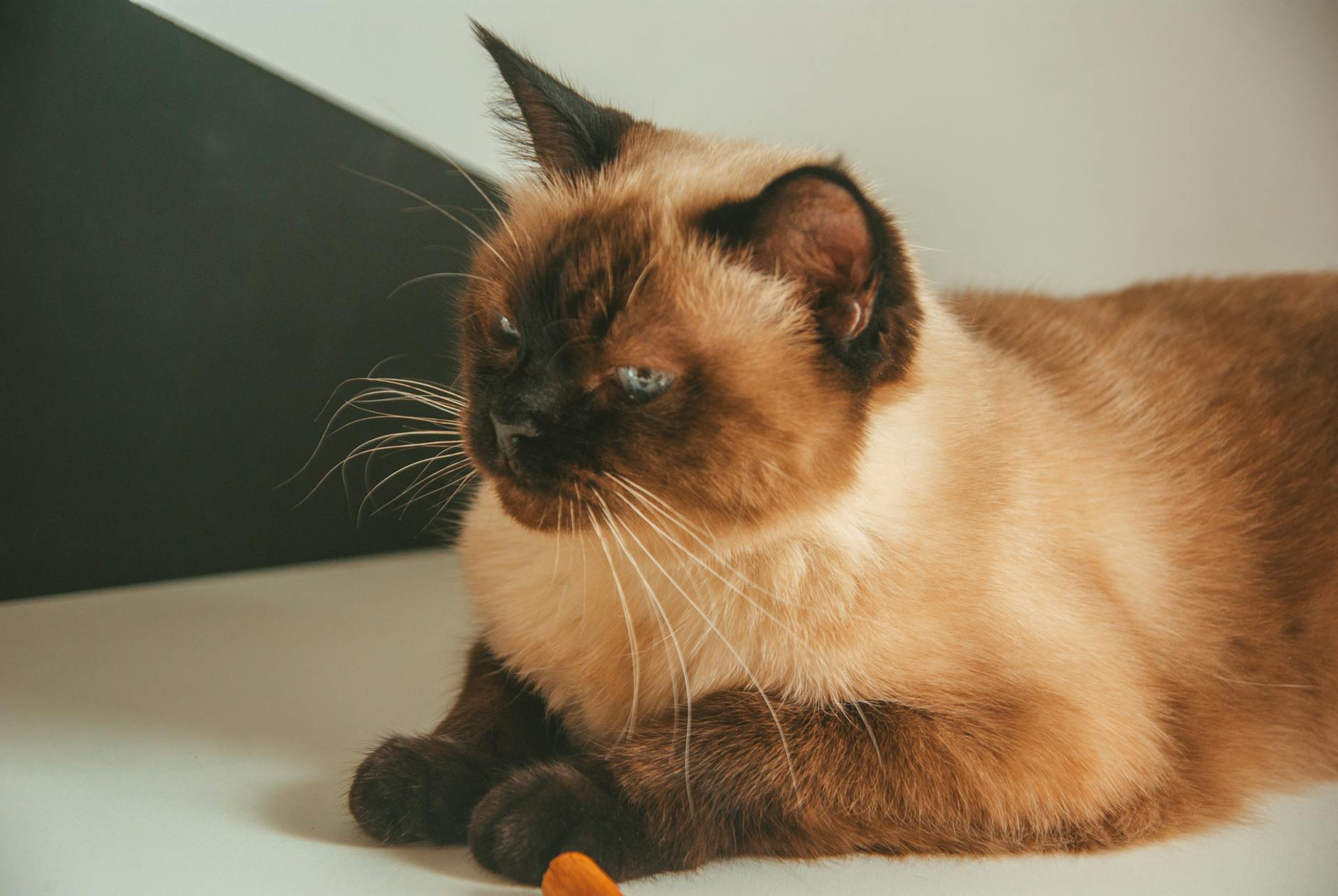
A chocolate point cat with blue eyes is called a Siamese cat, or a Balinese cat if it has long hair. These distinctive felines are defined by their striking coloring—an ivory body contrasted with rich, milk chocolate-colored points on the ears, face, paws, and tail—paired with vivid blue eyes that have become the breed’s trademark. The chocolate point pattern is one of several color variations within the Siamese breed family, though it wasn’t officially recognized by major cat registries like the Cat Fanciers’ Association until the 1950s, making it a relatively newer addition to the formal breed standards.
The blue eyes in chocolate point Siamese and Balinese cats aren’t merely an aesthetic feature; they’re a breed requirement. These cats must display clear, bright, and vivid blue eyes with an almond shape to meet breed standards. Without the blue eyes, a cat displaying the chocolate point coloring would not be classified as a true Siamese or Balinese, even if all other physical characteristics matched. This combination of coloring and eye color is what distinguishes these cats from other feline breeds and makes them instantly recognizable to cat enthusiasts.
Table of Contents
- Identifying the Chocolate Point Siamese Cat
- Understanding the Balinese Variation and Breed Standards
- The History and Development of Chocolate Point Recognition
- Comparing Chocolate Points to Other Siamese Color Variations
- Health and Genetic Considerations in Chocolate Point Cats
- Grooming and Coat Care for Chocolate Point Siamese and Balinese
- Choosing a Chocolate Point Siamese or Balinese for Your Home
- Conclusion
Identifying the Chocolate Point Siamese Cat
The chocolate point Siamese is identifiable by specific physical characteristics that distinguish it from other point variations. The body color should be a warm, creamy ivory tone, while the points—ears, face mask, paws, and tail—display a distinctive milk chocolate hue. The nose leather and paw pads are notably cinnamon-pink rather than the dark brown or black found in seal point Siamese cats.
For example, if you were comparing a seal point Siamese to a chocolate point, the seal point would have dark seal-brown points with a darker nose and paws, while the chocolate point appears softer and warmer in coloration. These cats typically weigh between 8 and 12 pounds and stand 8 to 10 inches tall, making them a relatively slender and elegant breed. The chocolate point coloring can sometimes be subtle when kittens are young; they’re often born almost entirely white, and the points develop over the first few months of life. This development process can take several weeks to fully emerge, which occasionally surprises new owners expecting the dramatic coloring to appear immediately.

Understanding the Balinese Variation and Breed Standards
The Balinese cat is essentially the long-haired version of the Siamese, including the chocolate point variety. Where Siamese cats have short, sleek coats, Balinese cats display semi-long, silky fur that gives them an even more striking appearance. Both breeds have the same requirements for blue eyes and point coloring, though Balinese standards specifically describe the eye color as sapphire blue. The Cat Fanciers’ Association recognizes both Siamese and Balinese in four traditional point colors: seal, blue, chocolate, and lilac, with chocolate being one of the most popular and distinctive options.
A significant limitation to be aware of is that breeding for the chocolate point coloring in Siamese and Balinese cats can occasionally result in eye color variations that don’t meet breed standards. Some chocolate point cats may inherit slightly paler or less vivid blue eyes than the ideal bright, sapphire blue specified by breed organizations. Additionally, the chocolate point pattern wasn’t widely available or recognized until the mid-twentieth century, so finding reputable breeders who specialize in this coloring requires more research than it might for more common seal point varieties. This can affect both availability and pricing when seeking a chocolate point kitten.
The History and Development of Chocolate Point Recognition
Chocolate point Siamese cats have a fascinating history within the breed’s development. While Siamese cats were first brought to Europe and North America in the late 1800s, the chocolate point coloring wasn’t formally recognized by major cat registries until the 1950s. This relatively recent recognition means that chocolate points are among the newer color variations within the breed, developed through careful selective breeding by enthusiasts and breeders.
Prior to official recognition, chocolate point cats existed but weren’t formally shown or registered under that designation. The delay in recognition wasn’t due to a lack of the gene for chocolate coloring—it was present in Siamese populations for decades—but rather due to breeding priorities and registry standards that favored the seal point and blue point variations. Once breeders began to intentionally develop the chocolate point line and advocate for its recognition, the Cat Fanciers’ Association and other major organizations formally acknowledged it as a distinct and desirable color pattern. Today, chocolate points are well-established, though they remain less common than seal points in many regions.
Comparing Chocolate Points to Other Siamese Color Variations
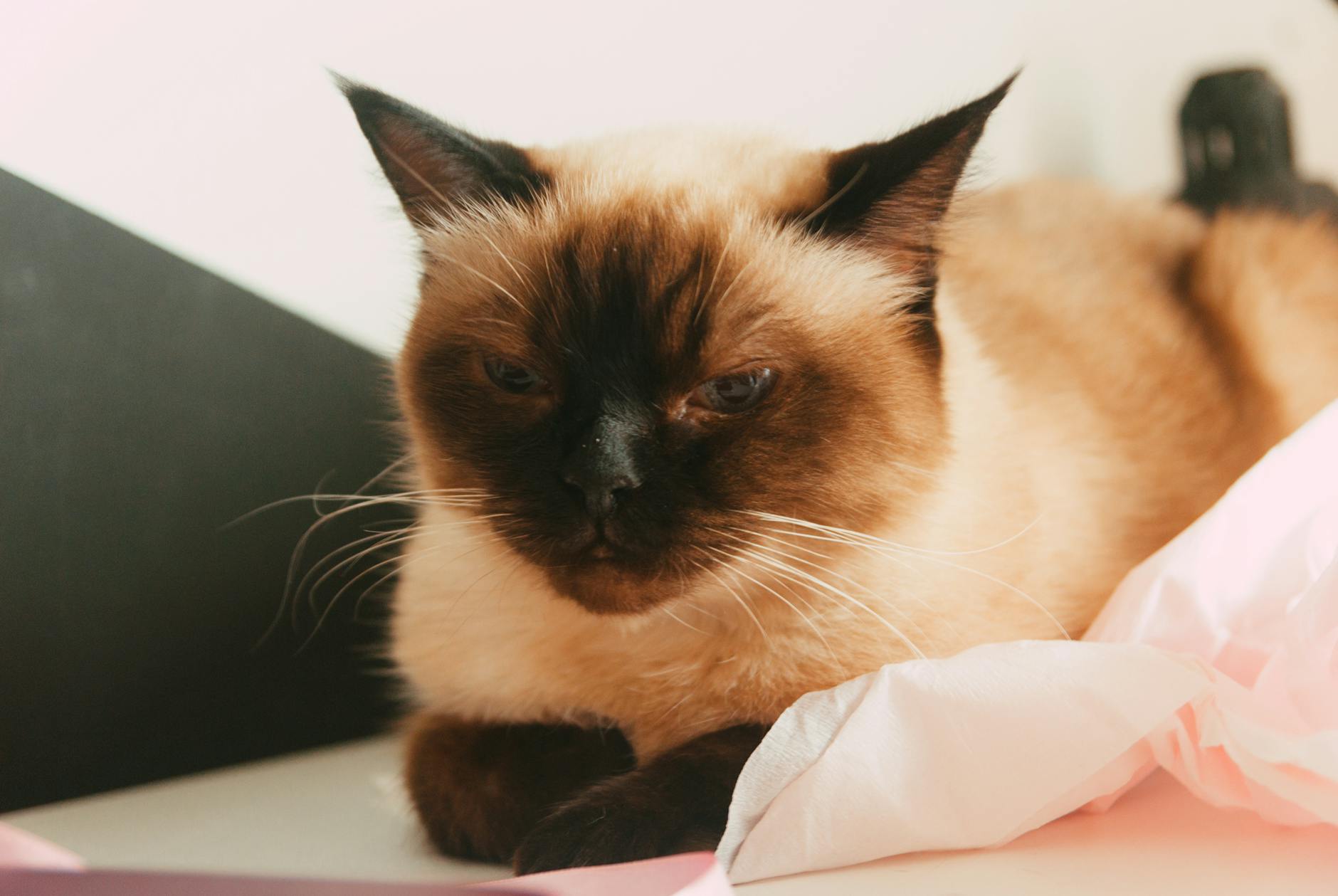
The chocolate point’s appeal lies partly in how it differs from more common Siamese colorations. Seal points, the most iconic Siamese color, display deep brown-black points that create a more dramatic contrast against the ivory body. Chocolate points offer a softer, warmer appearance with their milk chocolate coloring, which some owners find more aesthetically pleasing and less intense. Blue points, meanwhile, feature blue-gray coloring on the points, creating a cooler-toned appearance.
The trade-off with chocolate points is that they may require more careful grooming to maintain the warmth of their coat color, especially in certain lighting conditions where the chocolate tones can appear less vibrant. When choosing between chocolate point and other variations, consider your aesthetic preference and lifestyle. If you prefer the dramatic contrast of seal points but find them visually overwhelming, chocolate points offer a middle ground. However, if you’re specifically seeking a Siamese cat and have a preference for the chocolate coloring, be prepared that the initial purchase price may be higher than a seal point from the same breeder, and the availability of chocolate point breeders may require you to travel further or wait longer for a kitten.
Health and Genetic Considerations in Chocolate Point Cats
Chocolate point Siamese and Balinese cats inherit the same genetic predispositions as their breed relatives, including a tendency toward certain hereditary conditions. The blue eye coloring is linked to the same genes responsible for the point coloring, and there is a well-documented association between blue eyes and deafness in cats, particularly in white cats. However, Siamese and Balinese cats with blue eyes face a lower incidence of deafness than solid white cats, though it remains more common in these breeds than in others. If deafness is present, it’s often partial rather than total, and cats adapt remarkably well.
Another consideration is that the genes contributing to the chocolate point coloring are recessive, meaning both parents must carry the gene for the chocolate coloring to appear in offspring. This doesn’t create health risks by itself, but it does mean that breeding chocolate point cats requires careful planning to maintain genetic diversity and prevent other hereditary problems. Reputable breeders will have health tested their breeding cats for common Siamese health issues like polycystic kidney disease and hypertrophic cardiomyopathy. A warning worth noting: if you’re acquiring a chocolate point from a breeder, always ask about health screenings and genetic testing in the parent cats.
Grooming and Coat Care for Chocolate Point Siamese and Balinese
Siamese cats require minimal grooming due to their short coats, needing only occasional brushing to remove loose hair and maintain coat health. Balinese cats, with their longer coats, require more regular grooming—ideally several times per week to prevent matting and maintain the silky texture of their fur. The chocolate point coloring, regardless of coat length, benefits from regular grooming that keeps the coat healthy and allows the warm tones to shine.
For example, a well-groomed chocolate point Balinese in good light will display noticeably richer chocolate tones than one with a dull, neglected coat. For both short-haired Siamese and long-haired Balinese varieties, regular ear cleaning is important as these breeds have large ears that can accumulate wax and debris more easily than breeds with smaller, less exposed ears. Additionally, their facial structure means they may be prone to tear staining, which should be gently cleaned with a soft, damp cloth to prevent discoloration around the eyes.
Choosing a Chocolate Point Siamese or Balinese for Your Home
If you’re considering bringing a chocolate point cat into your home, understanding the breed’s temperament beyond their appearance is essential. Siamese and Balinese cats are famously vocal, intelligent, and social breeds that thrive on human interaction and mental stimulation. They’re not ideal for households where cats will spend long hours alone, as they often develop behavioral issues or health problems related to stress and boredom.
These cats bond deeply with their owners and may follow you from room to room, wanting to be involved in your daily activities. The future of chocolate point Siamese and Balinese breeding appears secure, with increasing interest in color variations and continued efforts by breed clubs to promote genetic diversity within the breed. As more people discover the appeal of the chocolate point coloring, breeders are working to maintain health standards while expanding color options available in these beloved breeds. This forward momentum means that finding ethical, health-conscious breeders should become easier as awareness and demand for the breed grows.
Conclusion
A chocolate point cat with blue eyes is definitively called either a Siamese cat or a Balinese cat, depending on whether it has a short or long coat. The chocolate point coloring—an ivory body with milk chocolate-colored points, cinnamon-pink nose and paw pads, and the required bright blue eyes—is a specific and formal designation within these breeds, not officially recognized until the 1950s.
These cats are striking in appearance, distinctive in personality, and represent one of the most elegant color variations available in the Siamese breed family. If you’re interested in owning a chocolate point cat, begin by researching reputable breeders who prioritize health testing and genetic diversity, ask detailed questions about their breeding practices, and be prepared for the vocal, social nature of Siamese and Balinese cats. These beautiful felines make rewarding companions for owners who can meet their need for interaction and environmental enrichment, and their unique coloring and striking blue eyes make them truly unforgettable members of the household.