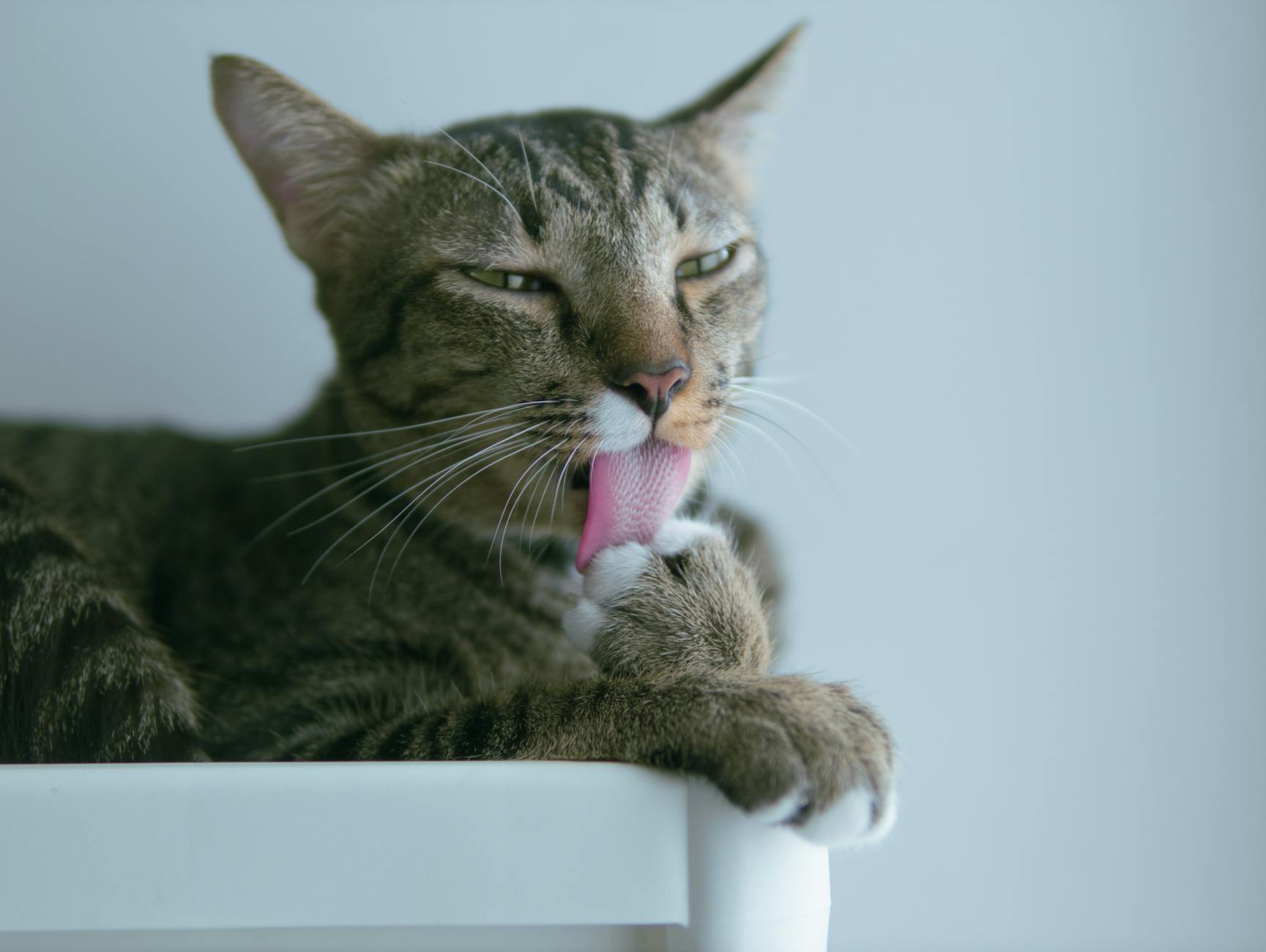
No, it is not safe for cats to lick plates with hot sauce. While cats are curious creatures, their digestive systems and taste receptors cannot tolerate capsaicin, the compound responsible for the heat in hot sauce. A single lick of a plate coated with hot sauce can cause your cat immediate discomfort, including drooling, vomiting, and gastrointestinal distress.
Even small amounts of spicy food that might seem harmless to humans can trigger serious reactions in cats because of their unique biology and sensitivity to certain compounds. Cats lack the taste receptors that make spicy food even remotely enjoyable to humans, meaning they cannot detect or appreciate the flavor the way we do. Instead, they experience only the burning sensation and irritation that comes from capsaicin. If your cat has managed to lick a plate with hot sauce residue, you’ll need to monitor them closely for symptoms and be prepared to contact your veterinarian if signs of distress appear.
Table of Contents
- Why Hot Sauce Is Dangerous for Your Cat’s Digestive System
- Physical Reactions and Symptoms Your Cat May Experience
- Long-Term Effects of Repeated Exposure to Spicy Foods
- Preventing Access to Hot Sauce and Spicy Foods
- What to Do If Your Cat Licks Hot Sauce
- Other Spicy Foods and Condiments to Keep Away From Cats
- Understanding Feline Taste Preferences and Safe Alternatives
- Conclusion
- Frequently Asked Questions
Why Hot Sauce Is Dangerous for Your Cat’s Digestive System
cats are obligate carnivores with digestive systems designed exclusively for meat-based diets. Their stomach acid and intestinal bacteria are calibrated to break down proteins and fats, not the complex compounds found in hot sauce. Capsaicin, the alkaloid responsible for heat in peppers, irritates the mucous membranes of the mouth, throat, and stomach. Unlike humans, who have developed some tolerance to spicy foods through repeated exposure, cats have zero evolutionary adaptation to capsaicin and will suffer immediately from even minimal contact.
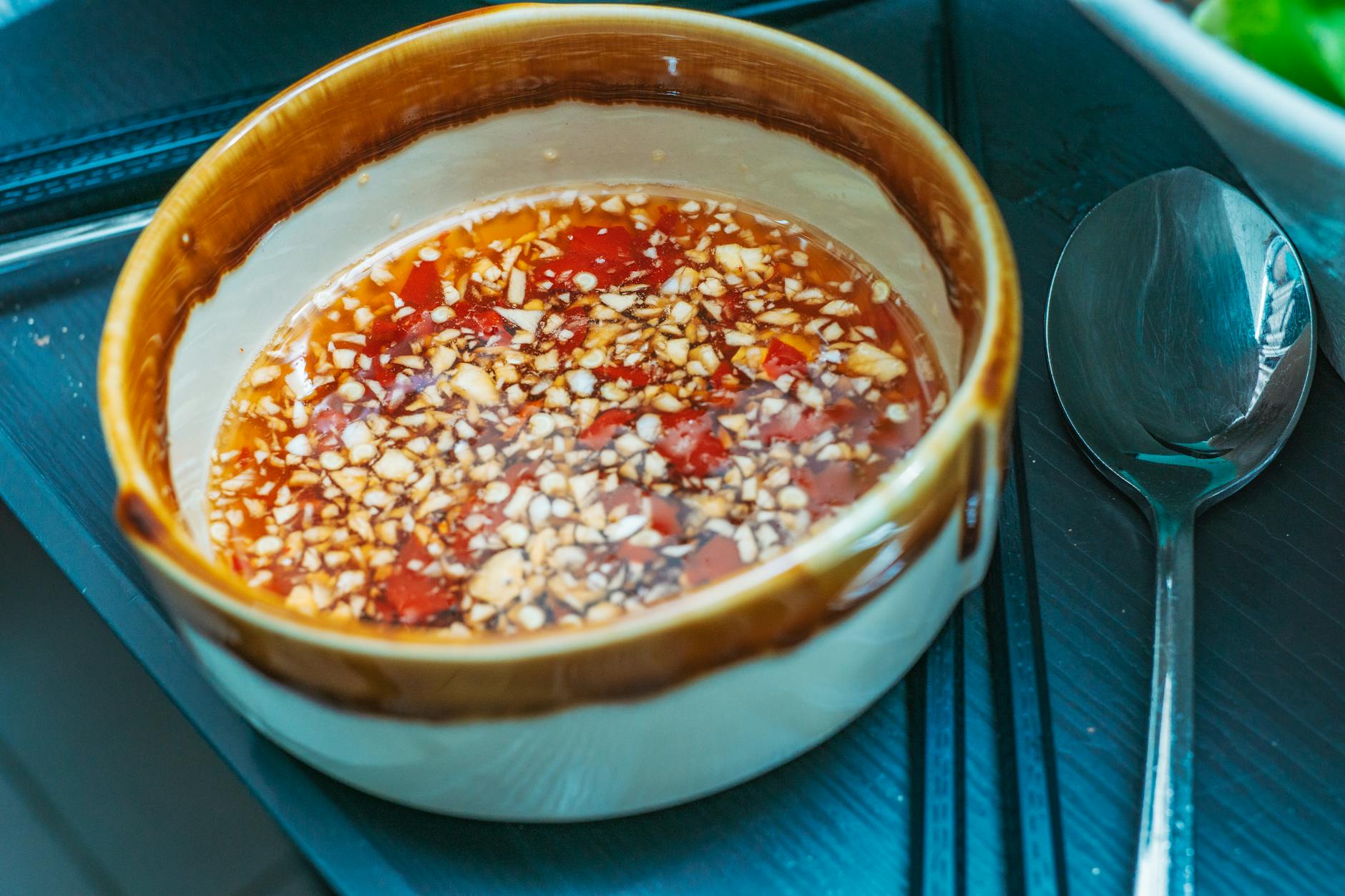
The danger is amplified by the fact that hot sauce often contains additional ingredients beyond just peppers. Many commercial hot sauces include garlic, onions, vinegar, and various spices that are also toxic or irritating to cats. A cat that licks a plate with Frank’s RedHot or sriracha isn’t just dealing with capsaicin—they’re potentially exposed to garlic and other alliums that can damage their red blood cells. The combination creates a perfect storm of compounds that have no business being in a feline stomach.
Physical Reactions and Symptoms Your Cat May Experience
The physical symptoms of hot sauce exposure in cats are unmistakable and often distressing to witness. Within minutes of licking spicy food, a cat’s mouth and throat will begin to burn. They may drool excessively, paw at their mouth repeatedly, or attempt to drink large amounts of water in an effort to cool the burning sensation. Some cats will refuse food for hours or even days afterward, a protective instinct triggered by the association of pain with eating.
Beyond the immediate oral discomfort, hot sauce can trigger vomiting and diarrhea as it moves through your cat’s digestive tract. A cat that consumed hot sauce from a plate might vomit within 30 minutes to an hour, and gastrointestinal upset can persist for 24 to 48 hours. The limitation here is that excessive vomiting and diarrhea can lead to dehydration, which is particularly dangerous in cats who are already resistant to drinking water. In severe cases, especially if the cat consumed a larger quantity or if the hot sauce contained toxic ingredients like garlic, you may need emergency veterinary care to manage the symptoms and prevent complications.
Long-Term Effects of Repeated Exposure to Spicy Foods
While a single lick of hot sauce is unlikely to cause permanent damage, repeated exposure to spicy foods can create chronic digestive problems. cats that live in households where hot sauce is frequently used and accessible may develop gastritis—chronic inflammation of the stomach lining—from repeated exposure to irritating compounds. This condition manifests as reduced appetite, weight loss, and chronic vomiting, symptoms that cat owners often mistake for other illnesses. Another concern is behavioral conditioning.
A cat that associates pain with a particular food or location may develop anxiety around mealtimes or the kitchen in general. Some cats become reluctant to eat anything placed in a bowl, fearing another unpleasant experience. This psychological impact can be just as damaging as the physical irritation, requiring behavioral modification and extra care to rebuild your cat’s trust around food. The important limitation to remember is that once a cat has had a negative experience, undoing that association takes patience and time, sometimes weeks or months of careful reintroduction to normal feeding routines.

Preventing Access to Hot Sauce and Spicy Foods
The most straightforward approach to protecting your cat is prevention—keeping all plates and food containers containing hot sauce out of reach. This sounds simple but requires consistent diligence, especially in households where multiple people are cooking or eating. Store hot sauce bottles on high shelves that a cat cannot access by jumping, and wipe down tables and counters thoroughly after meals. Cats are surprisingly determined when investigating food, and a lingering smell of hot sauce on a plate left in the sink is enough motivation for a curious cat to attempt to investigate.
Train everyone in your household to understand why hot sauce and similar spicy foods pose a danger to cats. Use comparisons that resonate: if a human bit into something that felt like eating burning coals, that’s approximately what your cat experiences. Establish a clear protocol for cleaning dishes and leaving food unattended. The tradeoff is that maintaining a cat-safe kitchen requires more effort than simply leaving things out, but the peace of mind and your cat’s health make it worthwhile. Additionally, consider using baby gates or closing doors to prevent your cat from accessing dining areas where spicy food is being prepared or consumed.
What to Do If Your Cat Licks Hot Sauce
If you catch your cat in the act of licking a hot sauce plate or suspect they’ve consumed spicy food, your immediate priority is to prevent further exposure and manage the acute symptoms. Remove the plate or food source immediately and rinse your cat’s mouth gently with cool water. Do not use ice water, as extreme cold can shock a cat’s system. Offer plain water or ice chips to help cool the burning sensation, though most cats will resist drinking, so don’t force it.
Monitor your cat closely for the next 24 hours, watching for vomiting, diarrhea, drooling, or signs of pain. Most cats recover from a single small exposure without veterinary intervention, but a warning sign to watch for is repeated or persistent vomiting, bloody vomit, or stools, which indicate severe irritation or bleeding in the gastrointestinal tract. Contact your veterinarian immediately if your cat shows any of these symptoms, if they consumed more than a tiny amount of hot sauce, or if the sauce contained garlic or onion. Your vet can perform an examination, potentially treat the cat with anti-nausea medication or gastroprotectants, and rule out more serious complications.
Other Spicy Foods and Condiments to Keep Away From Cats
Hot sauce is only one of many human condiments and foods that pose dangers to cats. Cayenne pepper, black pepper in large quantities, wasabi, curry, chili powder, and any food heavily seasoned with spices can cause similar irritation. Sriracha, which has become ubiquitous in modern kitchens, is particularly dangerous because of its combination of heat, garlic content, and tendency to stick to plates and utensils where it lingers long enough to attract a curious cat.
Condiments like salsa, particularly fresh salsa that contains raw onions and garlic, are doubly dangerous to cats. The spice is one problem, but the garlic and onion content can cause oxidative damage to a cat’s red blood cells, potentially leading to hemolytic anemia with repeated exposure. Keep all spicy condiments, bottles, and dishes containing them secured in areas your cat cannot reach, and always assume a curious cat will find a way to investigate unfamiliar smells in the kitchen.
Understanding Feline Taste Preferences and Safe Alternatives
Understanding why cats are attracted to human food in the first place can help you manage their behavior more effectively. Cats are drawn to food through smell rather than taste, and many human foods smell interesting to them even if they shouldn’t eat them. The odor of hot sauce cooking can intrigue a cat, making them want to investigate, but the moment they lick it, they’re confronted with an unpleasant sensation that their body cannot process safely.
If your cat is food-motivated and you want to offer them treats alongside your meals, stick to cat-safe options: plain cooked chicken, a small piece of unseasoned fish, or commercial cat treats. These satisfy your cat’s curiosity and desire to participate in mealtimes without exposing them to spices or seasonings that their digestive system cannot handle. Moving forward, as you establish kitchen habits and feeding routines, remember that the most cat-safe kitchen is one where human food and cat food are kept completely separate.
Conclusion
Cats should never have access to hot sauce or any spicy foods, as their digestive systems cannot tolerate capsaicin and the compounds that create heat in human cuisine. A single lick can cause drooling, vomiting, and gastrointestinal distress, while repeated exposure can lead to chronic digestive problems and behavioral issues around food. The key to protecting your cat is prevention—keeping hot sauce, spicy condiments, and plates containing them out of reach, and ensuring everyone in your household understands why this matters.
If your cat has already had an encounter with hot sauce, monitor them closely for symptoms and contact your veterinarian if they show signs of severe irritation, persistent vomiting, or any indication of pain. Focus on creating a cat-safe kitchen environment where spicy foods are stored securely and meals are cleaned up promptly. By taking these precautions, you can keep your cat healthy and prevent the discomfort that comes from accidental exposure to foods that nature never intended for them to eat.
Frequently Asked Questions
How much hot sauce is dangerous for a cat?
Even a small amount, as little as a few licks, can cause discomfort and gastrointestinal upset in cats. There is no safe quantity of hot sauce for feline consumption.
Will my cat be okay if they licked a plate with hot sauce residue?
Most cats recover from a small exposure to hot sauce within 24 to 48 hours without veterinary intervention. Monitor for vomiting, diarrhea, or signs of pain. Contact your vet if symptoms persist or worsen.
Can cats build tolerance to spicy foods like humans do?
No. Cats have zero evolutionary adaptation to capsaicin. They cannot develop tolerance to spicy foods, and repeated exposure will not make them safer to consume.
What should I do immediately if my cat eats hot sauce?
Remove the food source, rinse their mouth with cool water, offer water or ice chips, and monitor closely. Contact your veterinarian if your cat shows severe symptoms like persistent vomiting or bloody stools.
Are there cat foods that contain spices?
Most commercial cat foods are formulated without spices, but some may contain minimal amounts of certain herbs. Always check ingredient labels and consult your vet about any commercial food before introducing it to your cat’s diet.
What if my cat ate hot sauce containing garlic or onions?
Contact your veterinarian immediately. Garlic and onions are toxic to cats and can damage red blood cells. This requires professional medical evaluation and possible treatment.