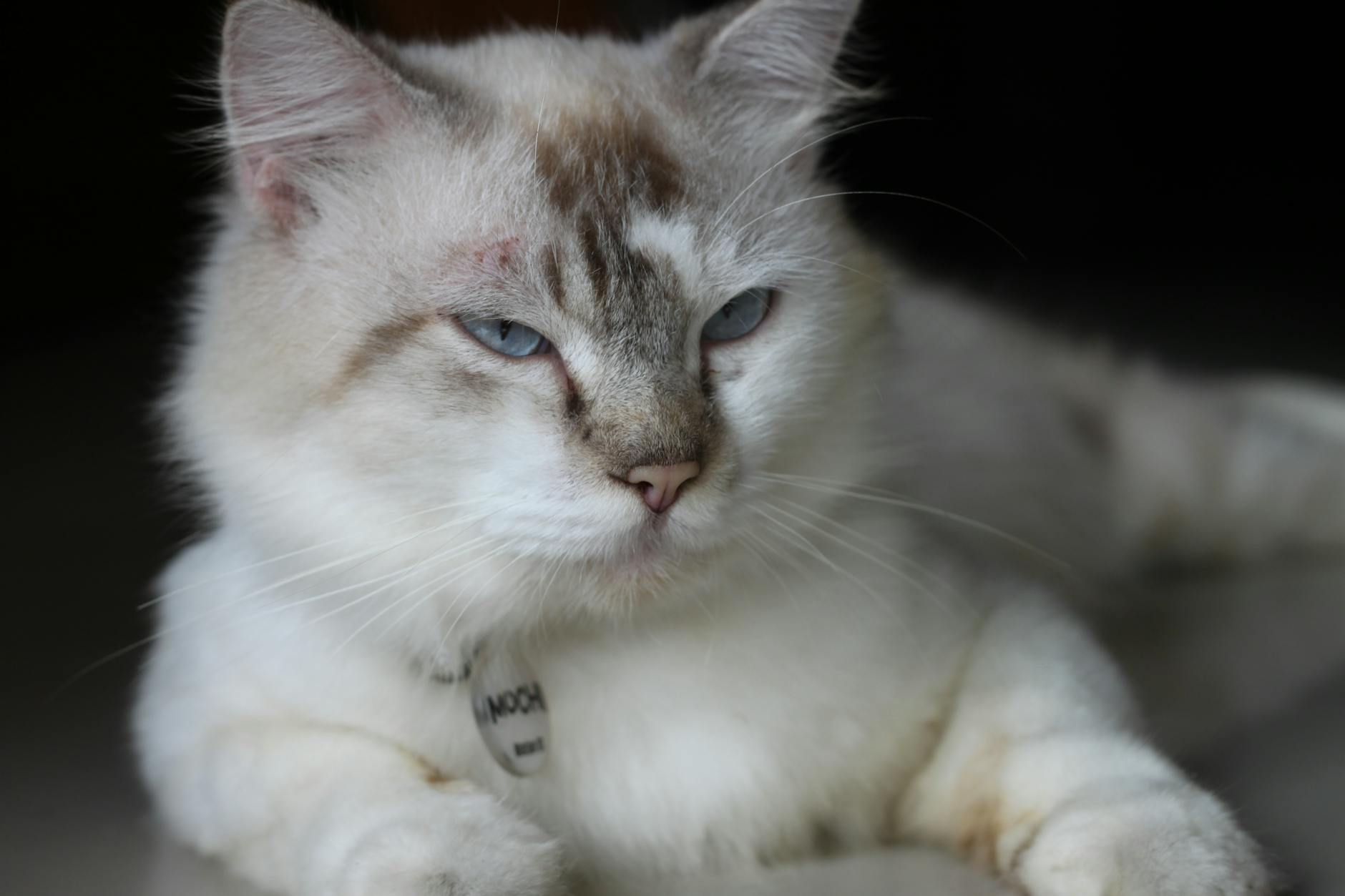
The Siamese cat stands out as the most playful blue-eyed breed, consistently ranked by veterinary sources and breed organizations for their exceptional energy levels, intelligence, and interactive temperament. These sleek, distinctive cats demand substantial daily playtime and mental stimulation to prevent boredom and destructive behavior, making them ideal for active households that can match their intense need for engagement. Unlike many cat breeds that entertain themselves independently, a Siamese will actively recruit you for interaction—leaping onto your lap mid-conversation, following you room to room, and maintaining vocal commentary throughout your day.
However, calling Siamese simply “the most playful” oversimplifies a fascinating category of blue-eyed breeds that each bring unique play styles and energy profiles to family life. The Tonkinese, Javanese, Ragdoll, and Balinese offer distinct variations on playfulness, from acrobatic athleticism to lap-cat devotion. Understanding the differences between these breeds matters significantly because choosing the wrong play-style match can result in a frustrated owner and an under-stimulated cat.
Table of Contents
- Why Do Blue-Eyed Cat Breeds Tend to Be More Playful?
- Siamese and Tonkinese—The High-Maintenance Players
- The Athletic Specialists—Javanese and Balinese
- Affection-Driven Play—Ragdoll and Turkish Angora
- The Lesser-Known Contender—Mekong Bobtail
- Play Styles and Owner Compatibility
- Health Considerations and Long-Term Playfulness
- Conclusion
- Frequently Asked Questions
Why Do Blue-Eyed Cat Breeds Tend to Be More Playful?
blue eyes in cats often correlate with breeds developed for interactive companionship rather than independent mousing or hunting. Many blue-eyed breeds were intentionally bred in domestic environments—the Siamese originating from Thai palaces, the Ragdoll developed in 1960s California—where close human interaction and playfulness became defining traits. This selective breeding history shaped not just appearance but temperament, favoring cats that sought attention, responded to training, and engaged enthusiastically with their owners.
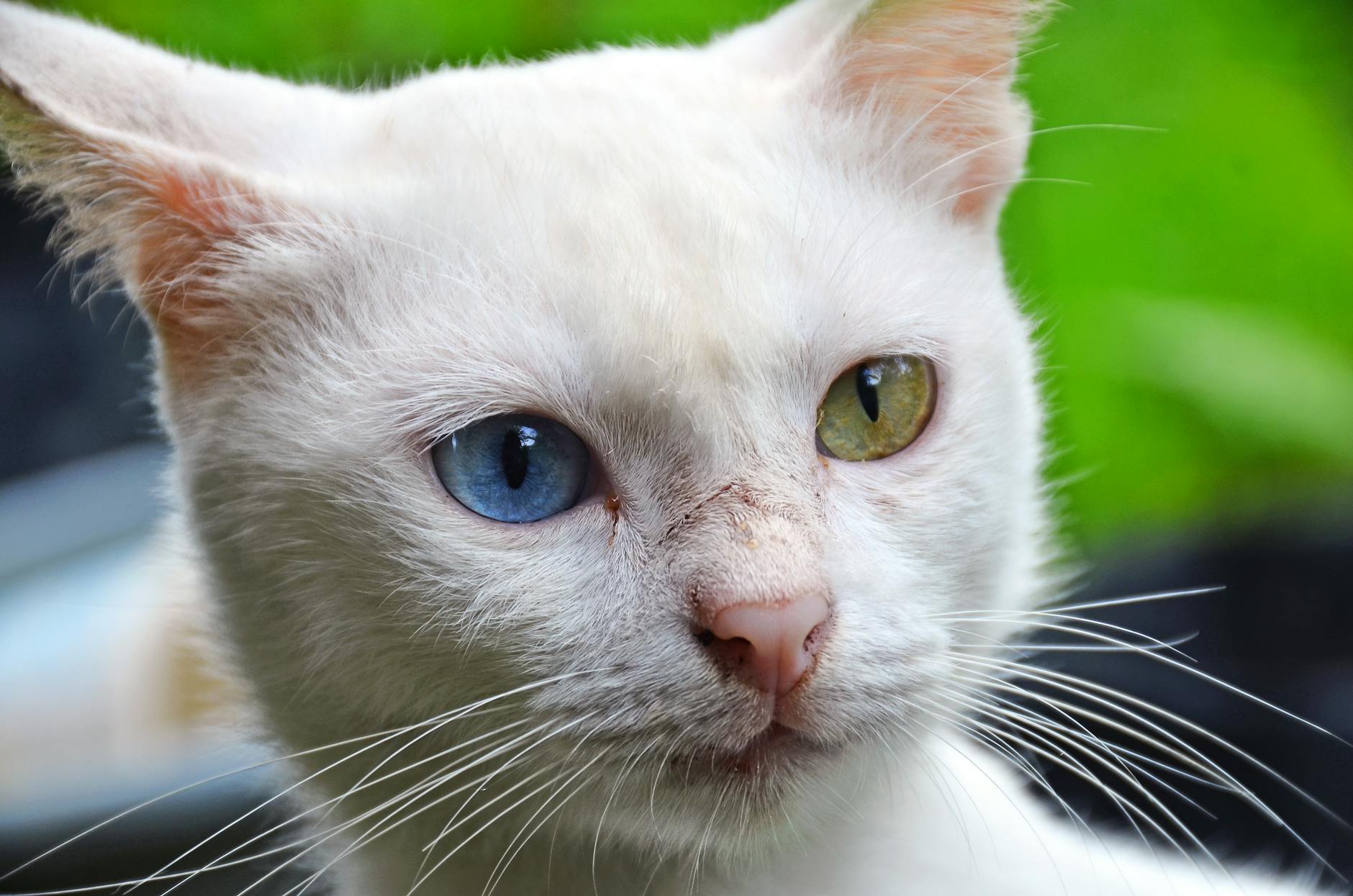
The color itself doesn’t cause playfulness; instead, the genes responsible for blue eyes often traveled alongside genes promoting vocal communication and human-bonding behaviors. A Siamese’s bright blue almond eyes evolved alongside its chatty, demanding personality. The correlation is so strong that breeders across multiple blue-eyed breeds—Tonkinese, Javanese, Turkish Angora—report consistently high activity levels in their lines. This makes blue-eyed breeds a more reliable choice if playfulness is your primary selection criterion.
Siamese and Tonkinese—The High-Maintenance Players
The Siamese demands more than casual play; they require structured interaction and meaningful engagement to thrive. Pet owners often underestimate this need and find themselves dealing with an increasingly destructive or aggressive cat when playtime dwindles. Unlike a British Shorthair or Persian that may be content with periodic interactive sessions, a Siamese will actively sabotage your productivity—knocking items off desks, attacking shoelaces, and demanding your attention through escalating vocal demands—until their play threshold is met. The Tonkinese refines the Siamese blueprint, offering the entertaining, affectionate, and incredibly intelligent personality that veterinary sources consistently cite, but with slightly better ability to self-entertain.
These cats are documented as having an unusual tendency to leap onto people’s shoulders due to their love of heights and their desire to maintain physical contact during interaction. This makes them challenging for households with young children or guests with fragile clothing, as a Tonkinese’s enthusiastic shoulder-climbing can feel like a small acrobat launching onto you without warning. A practical consideration: Siamese and Tonkinese cats are vocal breeds that maintain this trait throughout their lives. If you live in an apartment or have noise-sensitive family members, understand that these breeds communicate constantly—before meals, during play, when bored, and when greeting you after work. This isn’t behavioral problem but rather breed-standard communication.
The Athletic Specialists—Javanese and Balinese
Javanese cats are documented as affectionate, intelligent, playful, and very active, with impressive jumping and climbing skills that exceed most other breeds. They approach play with an almost dog-like persistence, initiating games repeatedly and responding enthusiastically to interactive toys. Many Javanese owners report their cats learning to fetch, walking on harnesses, and engaging with puzzle feeders that require problem-solving. Their extreme vocality means they’ll narrate their entire play session—meowing while pouncing, vocalizing excitement during jumps, and calling to you for approval after impressive athletic accomplishments. The Balinese, characterized as a playful and vocal breed with a distinctive plumed tail and cream, brown, or ivory coloring, combines athletic prowess with aesthetic appeal.
They maintain the Siamese temperament but with slightly more independent play capacity, though they still prefer human participation. The plumed tail—longer and fluffier than a Siamese’s slender tail—becomes a central prop in their play style, used for balance during leaps and as an attention-getting device during interactions. A limitation worth noting: Both Javanese and Balinese cats can develop anxiety if left alone for extended periods. Their playfulness depends partly on having an engaged owner who participates actively. For owners with demanding work schedules or frequent travel, these breeds may develop stress-related behaviors like excessive vocalization or inappropriate elimination despite being “playful” breeds.
Affection-Driven Play—Ragdoll and Turkish Angora
Ragdolls consistently appear in top pet-ownership surveys and breed popularity lists, primarily because they translate playfulness into lap-cat affection. Rather than the acrobatic, demanding play style of a Siamese, Ragdolls prefer interactive play that keeps them physically close to you—games played while sitting together, gentle batting at feather wands while lounging, and the distinctive behavior of going completely limp when held (hence the breed name). They’re highly affectionate lap cats that thrive on human companionship and family integration, making them ideal for households seeking playfulness without constant, demanding interaction. Turkish Angora cats are characterized as playful, friendly, and social with strong family bonding traits. They’re more independent than Ragdolls but still interactive, preferring to play in your presence rather than in isolated corners of the house.
Many Turkish Angora owners describe their cats as “Velcro cats” that follow household members between rooms and participate in family activities. Their play style leans toward lighter, more graceful interactions compared to the heavy-pouncing athletic style of a Javanese. The tradeoff between these two approaches matters for households with different dynamics. Ragdolls work exceptionally well for families with young children because their gentle, affectionate play style rarely escalates to scratching or aggressive behaviors. Turkish Angoras suit homes where owners want an interactive companion that also respects boundaries and can entertain itself during focused work periods. Neither breed matches the relentless play demands of a Siamese, making them the better choice for owners uncertain whether they can commit to multiple hours of daily interaction.
The Lesser-Known Contender—Mekong Bobtail
The Mekong Bobtail, a relatively rare breed described as affectionate, friendly, and very playful, represents an interesting alternative for owners seeking blue-eyed playfulness without the intensity of a Siamese. Native to Southeast Asia (like the Siamese), these cats combine the region’s interactive temperament tradition with a distinctive shortened tail that resembles a pom-pom. They’re less commonly available than Ragdolls or Siamese, which creates both advantages and disadvantages.
A significant limitation: Finding a responsible Mekong Bobtail breeder requires considerably more research than locating Siamese or Ragdoll breeders. The breed’s rarity means higher prices, longer wait times, and greater risk of encountering unethical breeding operations. Unless you’re specifically drawn to the bobtail appearance and have thoroughly vetted breeder backgrounds, more established blue-eyed breeds offer better availability and documented breed health information.
Play Styles and Owner Compatibility
Understanding the spectrum of blue-eyed breed play styles prevents serious owner-cat incompatibility. The spectrum ranges from Siamese and Javanese at the “high-demand, constant-interaction” end, through Tonkinese and Turkish Angora in the “active-but-flexible” middle, to Ragdoll and Mekong Bobtail at the “affection-focused-play” end. Your household’s capacity for interaction should determine your breed choice more than simply “which is most playful.” A practical example: A software engineer with a rigid 9-to-5 schedule, minimal flexibility for mid-day breaks, and limited after-work energy would face genuine hardship with a Siamese or Javanese.
These cats will develop behavioral problems when their play needs aren’t met, including aggression toward humans and destructive scratching. For this owner, a Ragdoll would provide satisfying playfulness within manageable boundaries. Conversely, a remote-working owner with flexible hours and multiple family members in the home would feel bored by a Ragdoll’s gentle play preferences and would thrive with a Siamese’s demanding, interactive personality.
Health Considerations and Long-Term Playfulness
Blue-eyed cat breeds maintain their playful temperament throughout their lifespan when kept healthy and stimulated, unlike some breeds that become sedentary with age. However, certain blue-eyed breeds carry breed-specific health concerns that can impact sustained playfulness. Siamese, Tonkinese, Javanese, and Balinese cats share predisposition to progressive retinal atrophy—an eye condition that gradually impairs vision.
This doesn’t eliminate playfulness but can affect the types of play they enjoy, as jumping and climbing become riskier as vision deteriorates. Working with a veterinarian to monitor eye health and adjust play environments accordingly ensures your blue-eyed cat maintains engagement as they age. Using interactive play that focuses on sound rather than visual tracking, providing ground-level enrichment, and protecting climbing areas with adequate guardrails accommodates potential vision changes while preserving the interactive bond these breeds thrive on.
Conclusion
The Siamese cat claims the title of most playful blue-eyed breed due to their relentless demand for interaction, exceptional intelligence, and intense human-bonding requirements. However, the “most playful” distinction only matters if your household can sustain a Siamese’s engagement needs. The Tonkinese, Javanese, Balinese, Ragdoll, and Turkish Angora each offer legitimate alternatives with distinct play personalities, making blue-eyed breeds a category worth exploring rather than a single-choice decision.
If selecting a blue-eyed cat breed, prioritize honest assessment of your available time and energy for interaction over breed popularity. A Ragdoll in a home that doesn’t match Siamese intensity represents a far more successful relationship than a frustrated Siamese owner and an under-stimulated cat. The best playful blue-eyed cat breed is ultimately the one whose play style aligns with your household’s actual capacity for engagement.
Frequently Asked Questions
Can blue-eyed cats be left alone during work hours?
Ragdolls and Turkish Angoras tolerate solitude better than Siamese and Javanese, but even these breeds prefer interactive households. No blue-eyed breed is ideal for owners who work long hours without midday breaks or pet care support. Plan for 30-60 minutes of daily interaction minimum, plus interactive toys for independent play.
Are blue-eyed cats more aggressive than other breeds?
Blue-eyed breeds aren’t inherently aggressive, but under-stimulated playful breeds (particularly Siamese and Javanese) can develop aggressive behaviors like biting and scratching due to frustration. This reflects unmet play needs rather than breed aggression. Adequate stimulation prevents these issues entirely.
Do all blue-eyed cat breeds have vision problems?
Siamese, Tonkinese, Javanese, and Balinese carry higher risk for progressive retinal atrophy. Regular veterinary eye exams catch early changes. Other blue-eyed breeds like Ragdoll show lower documented rates, though individual cats vary. Ask breeders about eye health history in parent cats.
Which blue-eyed breed is best for families with young children?
Ragdolls are the safest choice due to their gentle temperament and low likelihood of aggressive play responses. Turkish Angoras are also child-compatible. Siamese and Javanese can be intense for small children—their athletic play and tendency to bite during overstimulation create safety concerns.
How much playtime do blue-eyed cats actually need?
Siamese and Javanese require 1-2 hours minimum daily. Tonkinese and Balinese need 45-90 minutes. Ragdolls and Turkish Angoras are satisfied with 30-45 minutes if combined with ambient enrichment like window perches and puzzle feeders.
Can blue-eyed cats learn tricks like dogs?
Siamese, Tonkinese, Javanese, and Turkish Angoras respond well to clicker training and learn commands including sit, come, and fetch. Ragdolls are less motivated by training activities but can learn basic commands. All blue-eyed breeds are intelligent enough for trick training if owners commit to positive reinforcement methods.