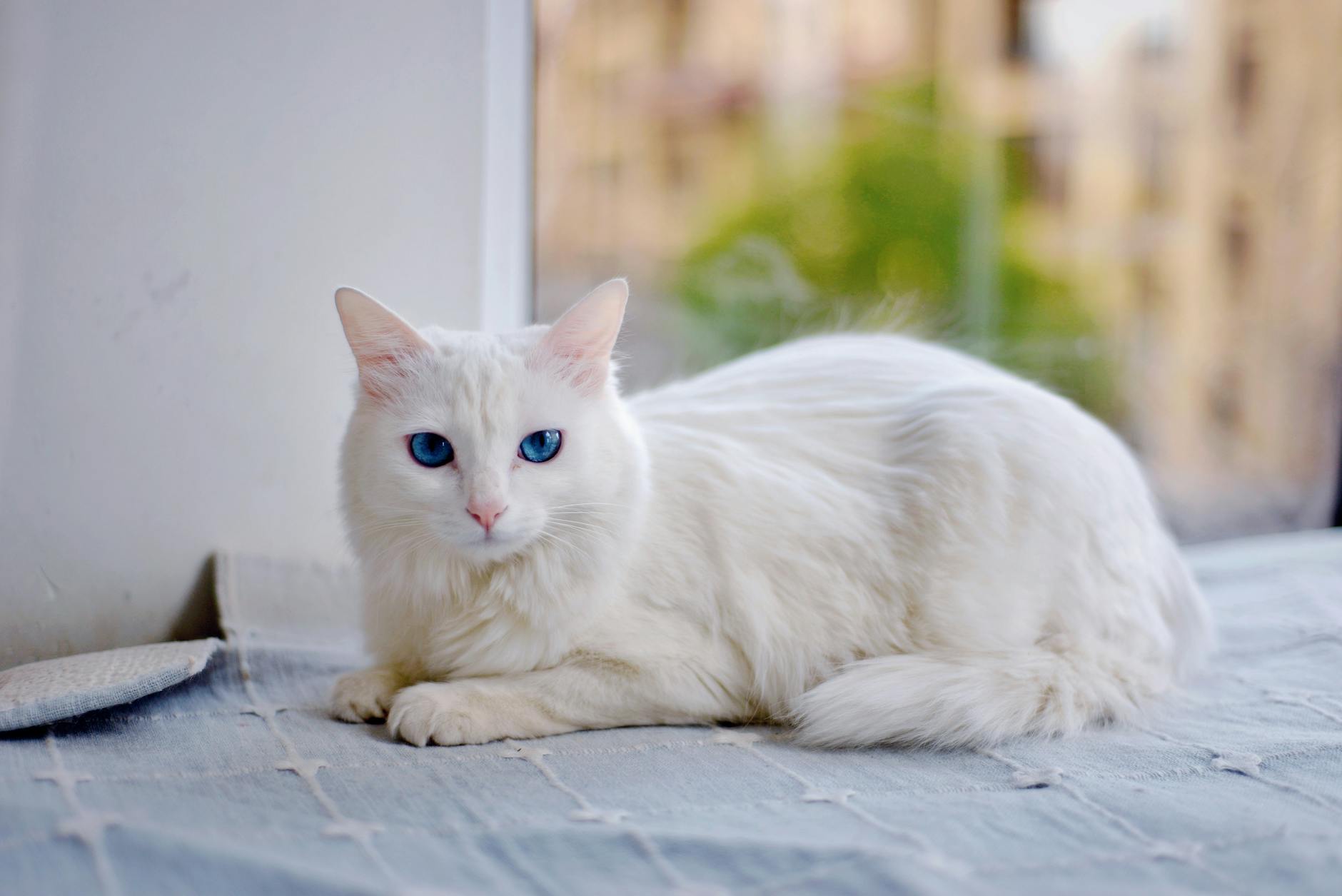
The blue-eyed cat breed that looks like a mix is the Snowshoe cat, and that appearance is no accident—it’s a deliberate cross between the American Shorthair and the Siamese. Created by a cat breeder named Dorothy Hinds-Smith in the 1960s, the Snowshoe was developed specifically to capture the striking features of both parent breeds while introducing an entirely new look to the cat fancy. If you’ve seen a cat with bright blue eyes, a darker face, white paws that resemble little mittens, and a sturdier build than a typical Siamese, you’ve likely encountered a Snowshoe.
The Snowshoe’s mixed heritage is immediately visible in every aspect of its appearance. These cats feature the unmistakable blue eyes of the Siamese parent breed—sometimes described as sapphire or aqua in color—combined with the robust body structure of the American Shorthair. What sets them apart most distinctively are their four white “mittens,” or paws, that look as though the cat has walked through snow, which is exactly how the breed earned its name. This striking combination of traits makes the Snowshoe instantly recognizable among mixed-appearance cat breeds.
Table of Contents
- How Did Breeders Create a Blue-Eyed Cat That Looks Like Two Different Breeds?
- The Distinctive Physical Characteristics of a Blue-Eyed Mixed-Appearance Cat Breed
- Understanding Blue Eyes in Mixed-Heritage Cat Breeds
- Choosing a Snowshoe: What to Know About the Mixed-Breed Personality
- Health Considerations in Mixed-Breed Cats With Siamese Heritage
- The Snowshoe Cat in Show Rings and Breeding Standards
- The Legacy of Intentional Mixed-Breed Creation in Modern Cat Breeding
- Conclusion
How Did Breeders Create a Blue-Eyed Cat That Looks Like Two Different Breeds?
The Snowshoe cat’s creation story explains why it looks like such a perfect blend of two distinct breeds. Dorothy Hinds-Smith, a cat breeder in Philadelphia, began crossing American Shorthair cats with Siamese cats in the early 1960s with the intention of adding white paws to the Siamese’s elegant frame. The goal was to create a cat with the Siamese’s distinctive coloring and blue eyes but with a more moderate, athletic build.
Over several generations of selective breeding, breeders fixed the desirable traits: the striking blue eyes, the color-point pattern (darker face, ears, tail), and crucially, the four white paw markings that distinguish the breed. This deliberate mixing process is what gives the Snowshoe its “mixed” appearance—it genuinely is part Siamese and part American Shorthair at its genetic core. Unlike random domestic cats that happen to have mixed coloring, Snowshoes represent a carefully planned cross that the Cat Fanciers’ Association and other breed organizations eventually recognized as an established breed. The American Cat Association registered the Snowshoe in 1974, and the International Cat Association followed, cementing this mixed-breed creation as an official breed standard.
The Distinctive Physical Characteristics of a Blue-Eyed Mixed-Appearance Cat Breed
The Snowshoe’s physical traits clearly reveal its dual heritage, with several features setting it apart from both parent breeds. Most strikingly, the cat displays an inverted “V” marking of white fur between the eyes on a darker face—a signature characteristic that emphasizes the breed’s unique look. This facial marking, combined with the bright blue eyes, creates an almost expressive appearance that draws immediate attention. The four white mittens on the paws are the breed’s most iconic feature; these white markings cover the paws and sometimes extend partway up the legs, creating the snow-walking appearance the name suggests. The Snowshoe’s body structure represents a deliberate compromise between the two parent breeds.
Compared to the sleek, elongated Siamese, Snowshoes are chunkier and more muscular, with a more moderate frame that reflects the American Shorthair’s sturdier build. This means they’re less extreme than a purebred Siamese but maintain more of the elegant proportions than a standard domestic shorthair. The color-point pattern—where the face, ears, legs, and tail are darker than the body—comes directly from the Siamese parentage, though the intensity of this coloring can vary among individual Snowshoes, a trait inherited from the American Shorthair side. One important limitation to note is that Snowshoe coloring can be unpredictable in kittens. Some may be born almost entirely white, with the color-point pattern developing only as the cat matures. This means a Snowshoe kitten might not look exactly like an adult Snowshoe, which can surprise first-time breed owners who expect their kittens to immediately match breed show photos.
Understanding Blue Eyes in Mixed-Heritage Cat Breeds
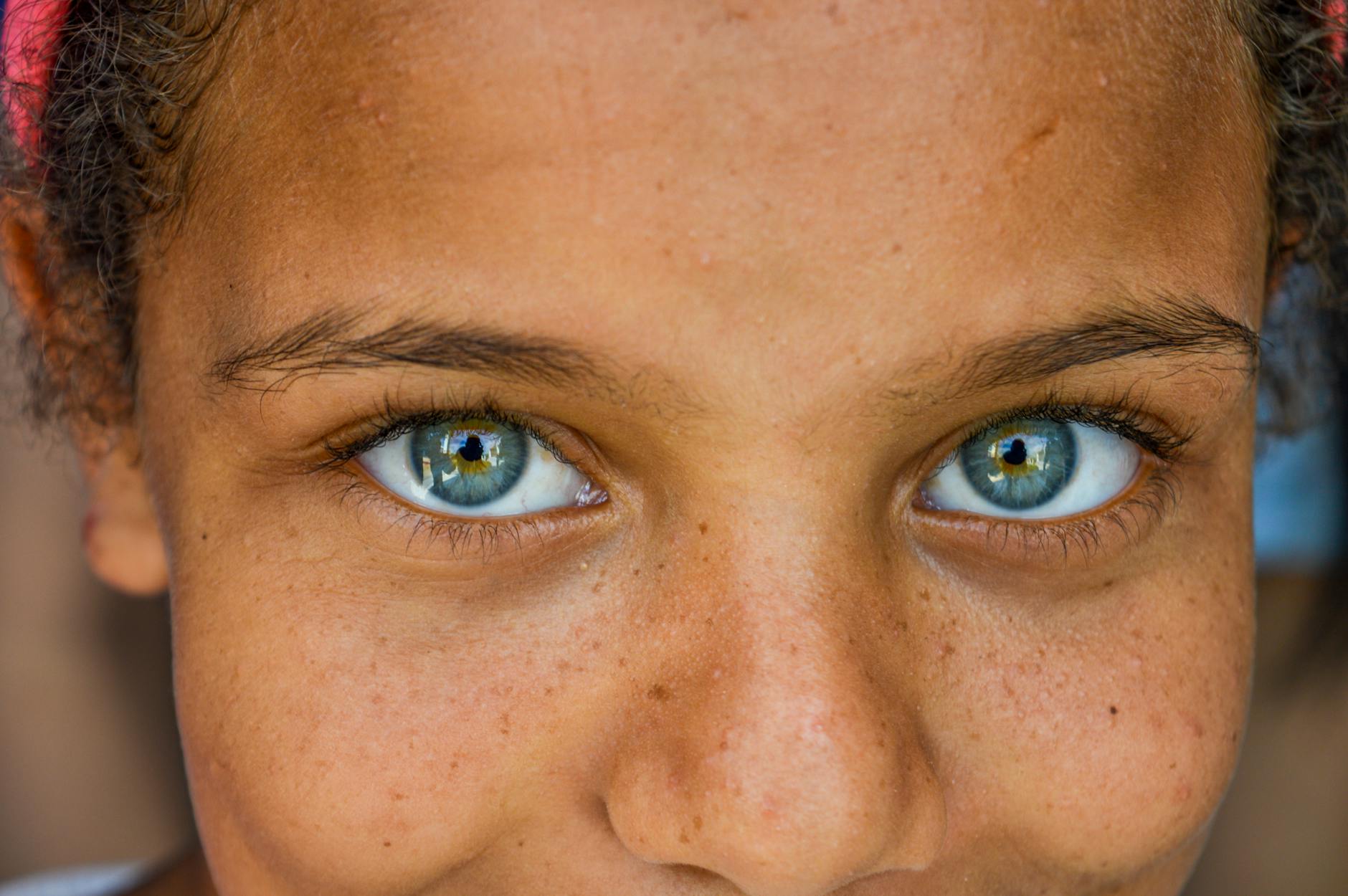
blue eyes in cats are a genetically complex trait, and the Snowshoe’s blue eyes are inherited primarily from its Siamese parent breed. The Siamese has been famous for its striking blue eyes for decades, and this dominant trait passes reliably to Snowshoes when properly bred. However, the presence of blue eyes in the Snowshoe is actually tied to its coloring genetics—the color-point pattern and blue eyes develop together in the breed. A Snowshoe without the color-point pattern would be unlikely to have the characteristic blue eyes.
Another blue-eyed breed that demonstrates mixed heritage is the Tonkinese, which was created by crossing Siamese cats with Burmese cats. The Tonkinese displays the aqua-blue eye color that was historically rare in cats, and this distinctive eye shade was one of the first major claims to fame for the breed. The Tonkinese proved that intentional crossing of eye-color traits could produce cats with unusual and appealing eye colors, a principle that influenced later breed development including the Snowshoe. The blue eye color in these mixed-heritage breeds remains stable throughout the cat’s life, unlike some domestic cats whose eye color changes as they mature. Once a Snowshoe kitten’s eyes develop their blue color (usually by several weeks of age), they maintain that striking sapphire shade into adulthood.
Choosing a Snowshoe: What to Know About the Mixed-Breed Personality
Beyond appearance, Snowshoe cats inherit personality traits from both parent breeds, which affects how they interact with their owners. From the Siamese side, they inherit a talkative, social, and affectionate nature—Snowshoes are known for being vocal and engaging with their families, often demanding attention and maintaining strong bonds with their humans. From the American Shorthair side, they inherit a more independent, playful streak and a higher prey drive, making them active hunters who appreciate interactive play. This combination creates a cat that is both social and independent, which some owners find ideal while others might prefer the extreme devotion of a purebred Siamese.
The practical tradeoff for Snowshoe ownership is that these cats require more mental and physical stimulation than many other breeds. A cat that wants social interaction combined with hunting and play instincts will become bored and destructive if confined to a sedentary lifestyle. Comparison to other breeds helps illustrate this: a Persian cat will contentedly lounge all day, while a Snowshoe is more likely to invent games, climb furniture, and insistently request playtime from their owners. For active households or people who enjoy interactive pet ownership, this trait is a major selling point. For those seeking a low-maintenance lap cat, the Snowshoe’s energy level may be a drawback.
Health Considerations in Mixed-Breed Cats With Siamese Heritage
Snowshoes inherited some health predispositions from their Siamese ancestry that owners should understand. Siamese cats, and by extension Snowshoes, can be prone to certain genetic conditions including asthma, bronchial disease, and progressive retinal atrophy, though these conditions are not inevitable in the breed. Because Snowshoes result from a deliberate cross, responsible breeders have worked to reduce these health issues through careful selection, but they remain a consideration. A cat that looks like a mix of breeds should still receive the same health screening and veterinary care as a purebred cat.
Strabismus (crossed eyes) occasionally appears in Snowshoes, inherited from the Siamese breed’s historical association with this trait. While this condition is primarily cosmetic in many cases and doesn’t affect the cat’s vision or quality of life, breeders typically work to eliminate it from their lines. Another warning for potential owners: the white coloring on Snowshoes, particularly if white extends onto the face or ears, can be associated with a higher risk of deafness, similar to the pattern seen in other white-colored cat breeds. Responsible breeders test for hearing issues in Snowshoe kittens before placing them in homes.
The Snowshoe Cat in Show Rings and Breeding Standards
For those interested in the breed beyond pet ownership, understanding show standards reveals why the Snowshoe is considered distinct from other blue-eyed breeds. The breed standard emphasizes the exact appearance: blue eyes are required, the inverted V facial marking is essential, and the four white mittens must be present and symmetrical. These specific requirements mean that while Snowshoes might appear to “look like a mix,” they are strictly defined animals with precise breed standards.
A cat that looks similar but lacks the perfect white paw markings or facial pattern would not qualify as a show-quality Snowshoe. The recognition of Snowshoes as an official breed by major cat organizations validates the intentional breeding program that created them. Unlike random cats that happen to have mixed coloring, a registered Snowshoe comes with documented ancestry and adherence to breed standards, which matters to owners who want predictability in their cat’s appearance and personality.
The Legacy of Intentional Mixed-Breed Creation in Modern Cat Breeding
The Snowshoe’s success as a breed demonstrates why breeders continue to create mixed-heritage cats with specific desired traits. The breed has influenced subsequent development of other new breeds and has proven that cat lovers value distinctive appearance combined with specific personality traits, not just purebred pedigree. The Snowshoe proved that you could create a new breed by deliberately crossing two existing breeds and selecting for the best traits of both.
Looking forward, the Snowshoe remains a testament to thoughtful breeding that combines the best aspects of parent breeds. As cat breeding continues to evolve, the Snowshoe’s model—a carefully planned cross that remains stable, recognizable, and beloved—continues to influence how new breeds are developed. For anyone seeking a blue-eyed cat that genuinely looks like a mix of two different breeds, the Snowshoe represents the intentional fulfillment of that aesthetic.
Conclusion
The Snowshoe cat is the blue-eyed breed that looks like a mix because it literally is a mix—a deliberate, stabilized cross between the American Shorthair and the Siamese created in the 1960s. Its striking appearance combines the Siamese’s famous blue eyes and color-point pattern with the American Shorthair’s sturdier build, all topped with the signature white paw markings that give the breed its evocative name. The inverted V facial marking and moderate body structure make the Snowshoe instantly recognizable as something that is genuinely neither a purebred Siamese nor a standard domestic cat.
If you’re considering a Snowshoe, understand that you’re adopting a cat with the social demands of a Siamese and the independent spirit of an American Shorthair. This mixed-heritage cat requires active engagement, interactive play, and attention to health considerations inherited from its Siamese ancestry. But for the right household, a Snowshoe offers the visual uniqueness and personality combination that makes it one of the most distinctive and beloved intentionally mixed breeds in the cat world. Start your search by contacting breed associations and responsible breeders who can help you find a kitten with the proper breed characteristics and health screening.