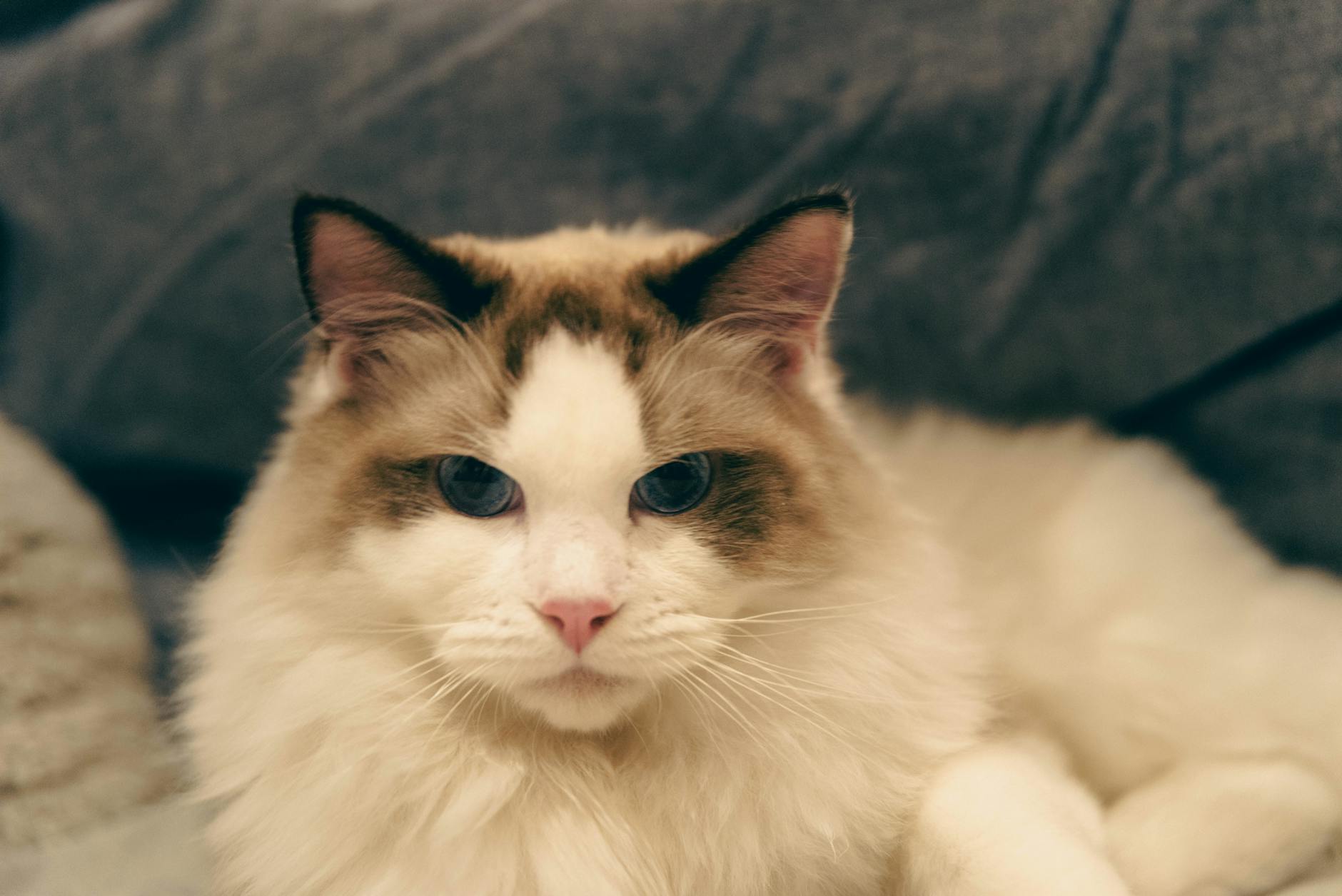
The blue-eyed cat breed most commonly mistaken for a Tonkinese is the Siamese cat. Both breeds share striking similarities in appearance—sleek bodies, color-pointed patterns, and notably, those captivating blue eyes. However, there’s an important distinction: while Siamese cats consistently display deep, vivid blue eyes, Tonkinese cats have aquamarine or aqua-blue eyes, a color that represents a genetic midpoint between the Siamese’s bright blue and the Burmese’s yellow-gold tones.
Understanding this difference is crucial for anyone considering either breed or trying to identify which cat they’re looking at. The confusion between these two breeds is entirely understandable, given that the Tonkinese was deliberately developed by crossing Siamese and Burmese cats. This intentional breeding created a cat that borrows the Siamese’s striking appearance while incorporating Burmese traits, resulting in a distinctive look that sits between both parent breeds. However, the eye color distinction is one of the clearest ways to tell them apart, along with body size and head shape differences.
Table of Contents
- How Do Siamese and Tonkinese Eyes Differ in Color and Clarity?
- Understanding Tonkinese Eye Color and Coat Pattern Genetics
- Other Blue-Eyed Cat Breeds That Share Tonkinese Similarities
- Choosing Between Siamese, Tonkinese, and Other Blue-Eyed Breeds
- Common Misconceptions About Tonkinese Eye Color and Breed Standards
- The Role of Genetics in Breeding Blue-Eyed Tonkinese
- The Future of Tonkinese Recognition and Blue-Eyed Cat Breeding
- Conclusion
How Do Siamese and Tonkinese Eyes Differ in Color and Clarity?
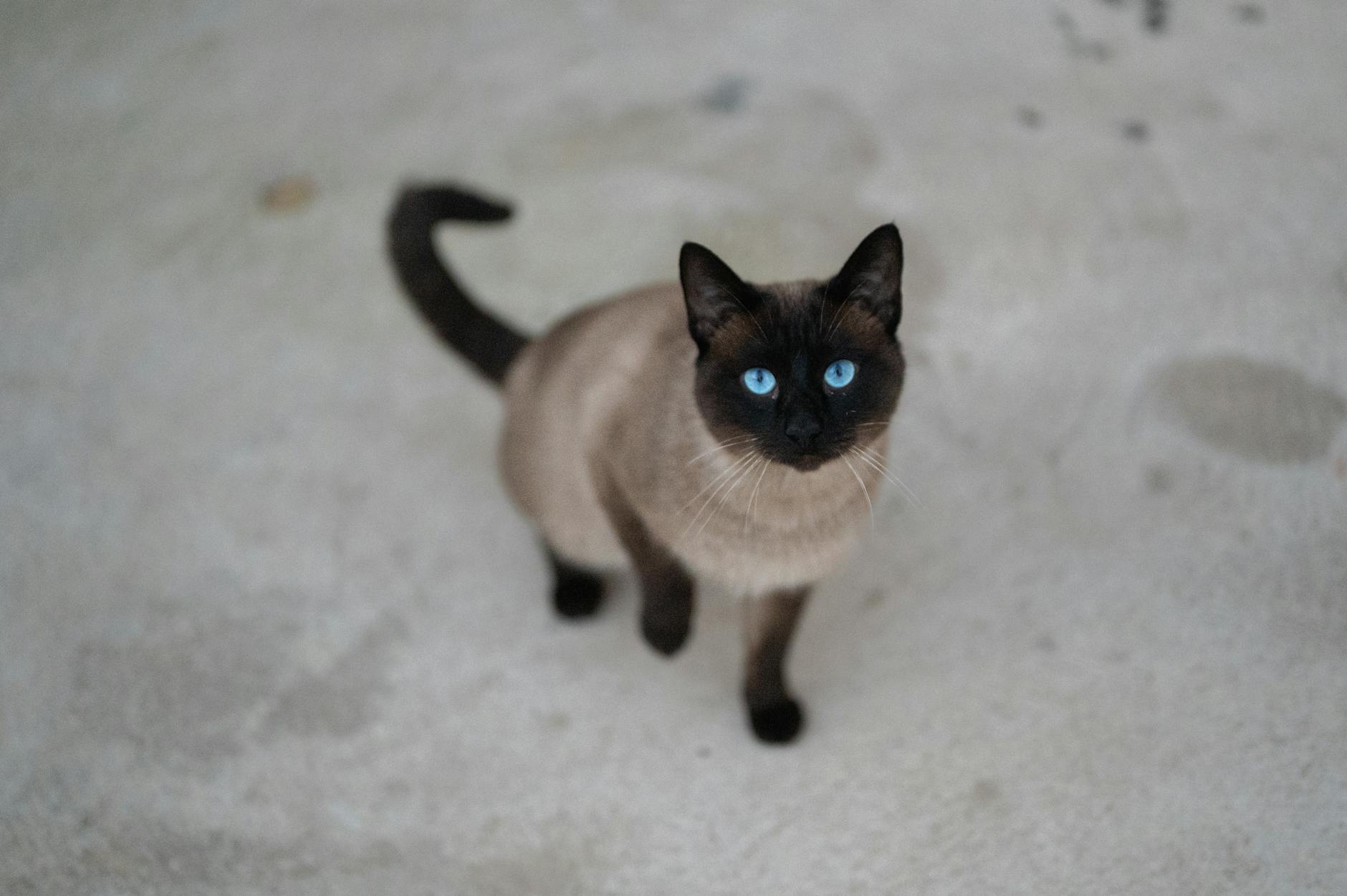
The most obvious difference between Siamese and Tonkinese eyes lies in their intensity and hue. Purebred Siamese cats exhibit high-contrast, brilliant blue eyes that are often described as piercing or sapphire-like. These eyes have a clarity and depth that makes them one of the breed’s most recognizable features. Tonkinese eyes, by contrast, carry a softer aquamarine quality—a blue-green tone that appears less saturated than the Siamese’s vivid blue. When you look into a Siamese cat’s eyes, you see a pure, jewel-like blue; in a Tonkinese, you’ll notice a more muted, greenish-blue cast.
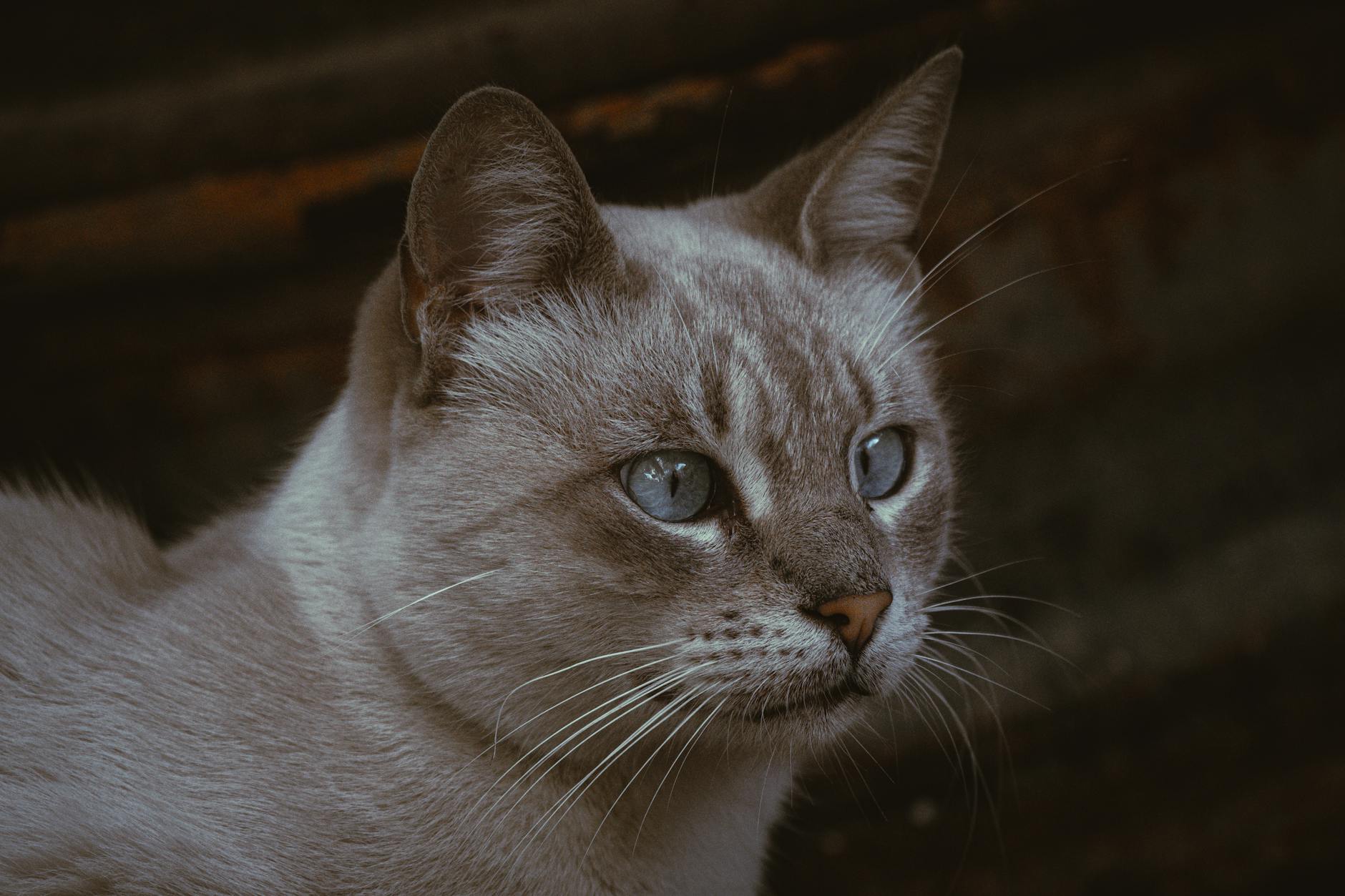
This eye color difference is not simply a matter of individual variation—it’s directly tied to genetics and coat pattern in Tonkinese cats. A Tonkinese in mink coat pattern (the most common and recognized pattern) will have aqua eyes. However, if a Tonkinese displays a point coat pattern, closer to the Siamese’s appearance, its eyes will actually be blue. Conversely, solid or sepia coat-patterned Tonkinese will have green to golden eyes, nowhere near blue at all. This means that a point-patterned Tonkinese kitten with blue eyes could easily be confused with a Siamese, despite being genetically distinct.
Understanding Tonkinese Eye Color and Coat Pattern Genetics
The relationship between coat pattern and eye color in Tonkinese cats is one of the breed’s defining genetic characteristics. Unlike many other breeds where eye color is more or less independent of coat pattern, Tonkinese have a tightly linked system where the two traits move together. Breeders recognized this correlation long ago and now use it as a reliable indicator of a cat’s genetic makeup and breeding potential. The genetic mechanism behind this pattern stems from the Tonkinese being a cross between two color-coded breeds. Siamese cats carry genes that produce point coloring and blue eyes, while Burmese cats carry genes for solid colors and yellow-gold eyes.
The Tonkinese inherited both sets of genetic instructions, and depending on which genes are expressed, you’ll see different combinations. A mink Tonkinese, which displays color in the face, ears, paws, and tail but with a lighter body, will have the distinctive aqua eyes that make the breed instantly recognizable. This aqua color is considered the ideal eye color for show-quality Tonkinese cats. A word of caution for prospective owners: if you’re drawn to Tonkinese specifically for their aqua eyes, make sure any kitten you’re considering actually displays that coloring. Some breeders may produce kittens with point patterns (resulting in blue eyes) or solid patterns (resulting in green or golden eyes), which, while still purebred Tonkinese, won’t have the characteristic aqua eyes the breed is known for. Always verify eye color and coat pattern when selecting a kitten.
Other Blue-Eyed Cat Breeds That Share Tonkinese Similarities
While Siamese is the most obvious comparison, several other cat breeds can have blue eyes and might be confused with Tonkinese, though they’re generally quite distinct in appearance. Birman cats, for example, have striking blue eyes and a pointed color pattern similar to Siamese and Tonkinese. However, Birmans are notably larger and have longer, silkier coats and a stockier build. Ragdoll cats also have blue eyes and pointed coloring, but they’re one of the largest domestic cat breeds and have soft, semi-long coats quite different from the sleek Siamese and Tonkinese. Turkish Angora cats can also have blue eyes, though they more commonly have amber, green, or even odd-colored eyes (one blue, one colored).
Turkish Angoras are much more delicate in build than Tonkinese, with longer coats and finer bones. These breeds demonstrate that while blue eyes appear across multiple cat breeds, the combination of a sleek body, moderate size, and pointed coloring is primarily found in Siamese and Tonkinese—making these two the most likely to cause confusion. The key distinguishing factor when comparing these breeds is body structure. Tonkinese have rounder heads and proportionally smaller ears than their Siamese parents, with a more muscular, compact body than Birmans or Ragdolls. If you’re trying to determine which breed you’re looking at, the overall silhouette is just as important as the eye color.
Choosing Between Siamese, Tonkinese, and Other Blue-Eyed Breeds
For prospective cat owners or breeders trying to decide between Siamese and Tonkinese, understanding the personality and health implications of each breed is important beyond just appearance. Siamese cats are known for being extremely vocal, affectionate, and demanding of attention. They’re highly social and can become distressed if left alone for long periods. Tonkinese share much of this personality but are often described as slightly less intense and demanding, striking a middle ground between the Siamese’s extremes and the Burmese’s more reserved nature. From a health perspective, both breeds share some genetic predispositions. Siamese are prone to certain hereditary conditions, including amyloidosis and progressive retinal atrophy.
Tonkinese inherit some of these risks but, due to their broader genetic pool from Burmese crosses, may have slightly fewer breed-specific health issues in some cases. However, they can still develop conditions common to both parent breeds. If you’re considering either breed, working with a responsible breeder who conducts health testing is essential. The practical tradeoff between these breeds often comes down to personality and energy level. If you want the quintessential “look at me, love me” Siamese experience and don’t mind a highly vocal, people-oriented cat, Siamese is the choice. If you want much of that same appearance and intelligence but with a slightly more balanced, less demanding temperament, Tonkinese may be the better fit for your lifestyle.
Common Misconceptions About Tonkinese Eye Color and Breed Standards
One of the most widespread misconceptions is that all Tonkinese have blue eyes. As discussed, this is only true for Tonkinese with point coat patterns. Many people are surprised to learn that a solid-colored Tonkinese with green or golden eyes is still a purebred Tonkinese cat. This confusion often arises because the most heavily promoted and recognized Tonkinese in popular culture and show circuits are the mink-patterned ones with aqua eyes. Breeders and cat associations focus on the mink pattern partly because it showcases the breed’s unique positioning as a genetic midpoint between its parent breeds. Another common mistake is assuming that a blue-eyed kitten with pointed coloring is automatically Siamese.
Without seeing the parents or knowing the breeding history, it’s genuinely difficult to distinguish a young point-pattern Tonkinese from a Siamese. The key differences emerge as the cat matures: Siamese typically remain larger and lankier, while Tonkinese maintain a more rounded head shape and stockier frame. Additionally, personality can offer clues—a young cat’s vocalization patterns and energy level may hint at which breed it is, though this isn’t foolproof. A final warning: be wary of breeders or sellers who claim all their Tonkinese have blue eyes, or who seem unclear about the connection between coat pattern and eye color. This suggests they may not fully understand the breed’s genetics, which raises questions about their breeding practices and the health testing they perform. Reputable breeders will be knowledgeable about why their kittens have the eye colors they do and will be transparent about what coat patterns and corresponding eye colors to expect.
The Role of Genetics in Breeding Blue-Eyed Tonkinese
For breeders and serious enthusiasts, understanding the genetic basis of Tonkinese eye color is essential for producing healthy, breed-standard cats. The aqua eye color in mink-patterned Tonkinese is the result of specific genetic combinations that blend the blue from Siamese lines with the warmer tones from Burmese lines. This isn’t a random occurrence—it’s a predictable outcome of the Tonkinese’s genetic structure, which is why responsible breeders can consistently produce mink Tonkinese with aqua eyes.
The genetics become more complex when breeders want to maintain genetic diversity while preserving the breed’s distinctive traits. Some breeding programs occasionally introduce new Siamese or Burmese bloodlines to widen the gene pool and reduce the risk of inbreeding depression. However, each outcross temporarily disrupts the careful genetic balance that produces the ideal Tonkinese type, and breeders must work across multiple generations to restore breed standards while maintaining health benefits from the genetic diversity.
The Future of Tonkinese Recognition and Blue-Eyed Cat Breeding
As cat breed standards continue to evolve and cat genetics becomes better understood, the recognition and appreciation for breeds like the Tonkinese may shift. Currently, Tonkinese are well-established with major cat associations like TICA and CFA, but they remain less universally known than Siamese or Ragdolls. This is partly because the Tonkinese represents a more recent deliberate crossbreeding project, whereas Siamese cats have centuries of history. As more people learn about the breed’s unique genetics and appreciate the intentional balance between its parent breeds, popularity may increase.
The broader trend in cat breeding is toward transparency about genetics and health. Buyers are increasingly interested in knowing exactly what they’re getting—not just appearance, but temperament, health risks, and genetic background. Tonkinese, with their clear genetic history and predictable trait inheritance, fit well into this trend. As responsible breeding practices become more standard, breeds like Tonkinese may become the preferred choice for people who want a Siamese-like cat but with better-documented genetics and potentially fewer health complications.
Conclusion
The primary blue-eyed cat breed that looks like a Tonkinese is the Siamese, though this comparison requires important nuance. While Siamese have vivid, sapphire-blue eyes, purebred Tonkinese in mink coat pattern have distinctive aquamarine eyes, a color that reflects their genetic heritage as a cross between Siamese and Burmese cats. Point-pattern Tonkinese may have blue eyes, but only mink-patterned Tonkinese have the signature aqua coloring the breed is known for.
Understanding these distinctions helps you accurately identify these breeds and make informed decisions if you’re considering one as a pet. If you’re drawn to blue-eyed cats with the striking appearance of Siamese but want a potentially less demanding temperament and more predictable genetics, Tonkinese offer an excellent alternative. Conversely, if you want the quintessential Siamese experience with all its vocal charm and high energy, that remains the breed to choose. Regardless of your preference, working with reputable breeders who understand the genetics behind eye color and coat patterns ensures you get a healthy, breed-standard cat that meets your expectations.