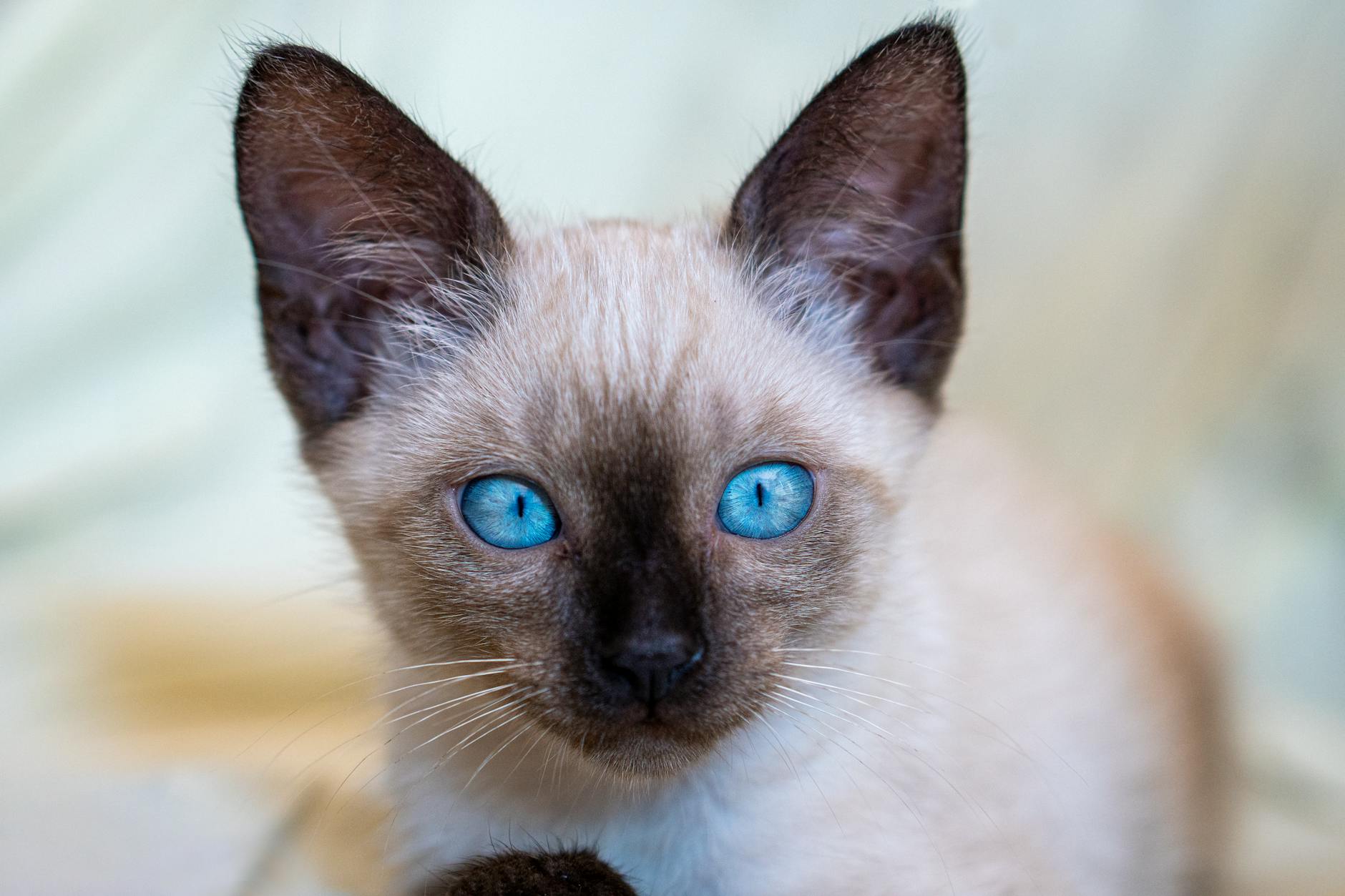
If you’re looking for a blue-eyed cat that looks like a Siamese, the **Balinese** is the most direct answer. This breed is essentially the long-haired cousin of the Siamese, featuring the same striking sapphire-blue eyes and distinctive point coloration pattern—darker colors on the face, ears, paws, and tail against a lighter body. The Balinese originated as a natural mutation of the Siamese breed and was officially recognized by The Cat Fanciers’ Association, which recognizes seal, blue, chocolate, lilac, red, and cream point varieties.
If you prefer a shorter-haired option that still captures the Siamese aesthetic with blue eyes, several other breeds offer similar appeal, though each brings its own unique qualities and considerations. Beyond the Balinese, several other blue-eyed felines closely resemble the Siamese in appearance and ancestry. The breeding history of these cats reveals a fascinating story of deliberate crosses and natural variations that have produced multiple options for those drawn to the Siamese look. Whether you’re attracted to their striking eye color, sleek build, or distinctive point coloration, understanding the differences between these breeds will help you choose the right match for your household.
Table of Contents
- Which Blue-Eyed Cat Breeds Most Closely Resemble the Siamese?
- Physical Characteristics and Visual Differences Among Blue-Eyed Siamese-Type Breeds
- The Genetic and Breeding Heritage Behind These Breeds
- Choosing Between Siamese-Type Breeds: Grooming, Temperament, and Practicality
- Health Considerations and Breed-Specific Concerns
- Vocalization, Social Needs, and Living Environment Requirements
- Finding the Right Blue-Eyed Siamese-Type Cat for Your Home
- Conclusion
Which Blue-Eyed Cat Breeds Most Closely Resemble the Siamese?
Beyond the Balinese, the **Tonkinese** stands out as another excellent option, created by crossing Siamese and Burmese cats. Tonkinese cats come in different patterns that affect their eye color: mink-patterned Tonkinese display aqua or blue-green eyes, while point-patterned Tonkinese have blue eyes nearly identical to traditional Siamese cats. The breed was officially recognized in Canada in 1965 and has since gained worldwide acceptance.
For those who want the “old-style” Siamese appearance, the **Thai Cat**—sometimes called the “applehead Siamese”—closely resembles Siamese cats from the late 19th and early 20th centuries, featuring a short, pointed coat and blue eyes with a less extreme body type than modern Siamese. The **Javanese** breed extends the Balinese line further, representing a long-haired variant with deep, vivid blue eyes that comes in multiple color variations beyond traditional Siamese points. Finally, the **Colorpoint Shorthair** was developed by crossing Siamese with red tabby American Shorthairs, resulting in a breed with striking blue eyes and an expanded palette of color patterns including red, cream, blue lynx, and chocolate tortie. Each of these breeds shares the blue-eyed, point-colored aesthetic of the Siamese but offers different hair lengths, body types, and temperament traits worth considering.
Physical Characteristics and Visual Differences Among Blue-Eyed Siamese-Type Breeds
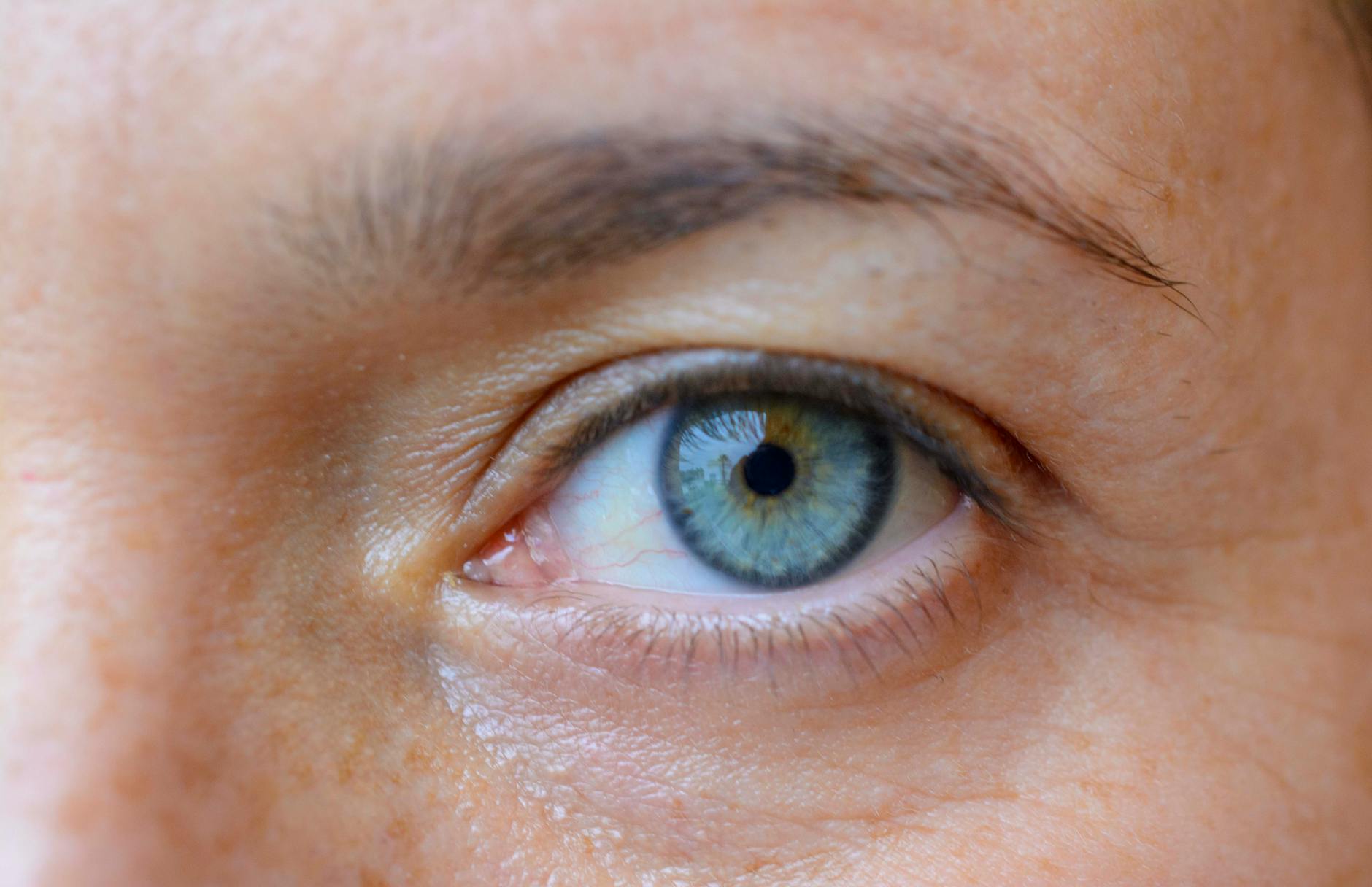
All of these blue-eyed breeds share the Siamese foundation of striking sapphire or blue eyes paired with pointed color patterns, but their physical differences are important to understand before bringing one home. The Balinese and Javanese are essentially long-haired versions of the Siamese and its extended family, featuring silky coats that require regular grooming—typically brushing several times weekly to prevent matting. The Tonkinese tends to have a more muscular, compact build compared to the slender Siamese, and their coat is short and satiny rather than long. The Thai Cat represents perhaps the most significant visual departure among Siamese-type breeds, deliberately bred to recreate the rounder, broader head and less angular frame of vintage Siamese cats.
Modern Siamese, by contrast, have become increasingly extreme in their body type with wedge-shaped heads and very slender frames. This is important to understand because Thai Cats may look “less Siamese” to those familiar with contemporary show cats, yet they actually match the historical appearance of the breed. The Colorpoint Shorthair, while sharing the pointed pattern and blue eyes, can have a broader body build and less extreme facial structure than both Siamese and some of the other specialized breeds. One limitation to consider: the long coat of Balinese and Javanese cats means they shed considerably, which can be problematic for people with allergies, despite a persistent myth that these cats are hypoallergenic.
The Genetic and Breeding Heritage Behind These Breeds
Understanding the origins of these blue-eyed breeds helps explain their shared characteristics and subtle differences. The Balinese originated as a natural mutation within Siamese breeding programs, meaning no deliberate crossing was required—some Siamese litters simply produced long-haired kittens. This genetic proximity is why Balinese cats are so visually similar to Siamese, differing primarily in coat length. The Tonkinese represents a more intentional breeding experiment, created by deliberate Siamese-Burmese crosses in the 1960s, which explains why they occupy a middle ground between their parent breeds in terms of body type and eye color variations.
The Thai Cat breed, by contrast, emerged from a preservation effort to maintain the “old-type” Siamese appearance as the modern show Siamese became increasingly extreme. Thai Cat breeders deliberately moved away from the wedge-headed, angular aesthetic that dominates contemporary Siamese show rings, returning to cats that more closely resembled the breed’s historical foundation. The Colorpoint Shorthair was developed to expand the Siamese color palette by introducing American Shorthair genetics, particularly to access red and cream colors not naturally common in traditional Siamese breeding. This deliberate cross-breeding expanded what “Siamese-type” could mean while maintaining the crucial blue-eyed, pointed pattern aesthetic.
Choosing Between Siamese-Type Breeds: Grooming, Temperament, and Practicality
When deciding between these breeds, grooming requirements should rank high on your decision-making checklist. If you love the Siamese aesthetic but lack the time or inclination for regular coat maintenance, the Tonkinese, Thai Cat, or Colorpoint Shorthair are superior choices—all have short coats requiring only weekly brushing. Balinese and Javanese cats, while breathtakingly beautiful with their flowing coats, demand several brushing sessions per week and are prone to matting if grooming is neglected. One owner of a Balinese discovered this limitation the hard way, finding that extended travel left her cat with matted patches that required professional grooming to correct.
Temperament differences are equally important, though all these breeds share the Siamese reputation for being vocal and demanding of attention. Tonkinese cats are often described as slightly less intense than Siamese, potentially appealing to those who want the look without the constant “conversation.” Thai Cats tend toward the traditional Siamese temperament—intelligent, curious, people-oriented, and vocal. Colorpoint Shorthairs may have slightly more varied personalities due to their American Shorthair heritage, potentially offering a broader range of individual temperaments. If you specifically want a truly low-maintenance companion, even the short-haired Siamese-type breeds may disappoint, as they all inherited the breed’s need for interactive play and mental stimulation. A comparison: a Tonkinese might be to a Siamese what a slightly calmer version might be, though the difference is subtle rather than dramatic.
Health Considerations and Breed-Specific Concerns
One critical health consideration that affects Balinese and, to a lesser extent, other Siamese-derived breeds is their susceptibility to Progressive Retinal Atrophy (PRA)—a retinal degeneration that can lead to impaired vision. This is not a minor concern for potential Balinese owners, as the condition is confirmed in the breed and may progress to blindness over time. If you’re considering a Balinese, ensuring that the breeder has tested parents for PRA and can provide health certification is essential. Reputable breeders should be transparent about this inherited condition and provide documentation of genetic screening.
Beyond PRA, Siamese-derived breeds are prone to other health issues associated with the pointed pattern and blue eyes, including a higher incidence of strabismus (crossed eyes) and nystagmus (involuntary eye movements), though these are primarily cosmetic concerns rather than true health problems. Tonkinese, Thai, and Colorpoint Shorthair breeds may have lower incidence of certain Siamese-specific health issues, though they can still inherit them depending on their genetic background. All these breeds benefit from regular veterinary check-ups, and if you’re purchasing from a breeder rather than adopting, insist on health guarantees and genetic testing results. The limitation here is unavoidable: purchasing from breeders requires higher expenditure and careful vetting to ensure responsible breeding practices.
Vocalization, Social Needs, and Living Environment Requirements
If you’re drawn to the Siamese aesthetic, be prepared for vocalization—all of these blue-eyed breeds inherited the Siamese tendency to communicate extensively with their humans. A Tonkinese owner described coming home to a greeting that sounded like a full conversation, with the cat insisting on detailing the day’s events in elaborate meows. This isn’t a flaw; it’s a feature of the breed temperament. Balinese cats are equally vocal, and their long coats don’t muffle their distinctive, high-pitched vocalizations.
These cats thrive in interactive households where they can participate in daily life rather than being left alone for extended periods. They often bond closely with their humans and may develop separation anxiety if isolated for long stretches. If you work long hours away from home, you might consider adopting two cats so they can entertain each other, or choosing a different breed altogether. All Siamese-type breeds do well in apartment living as long as they have adequate vertical space, toys, and human interaction—their exercise needs are moderate compared to some athletic breeds, but their mental stimulation requirements are considerable.
Finding the Right Blue-Eyed Siamese-Type Cat for Your Home
Whether you choose a Balinese, Tonkinese, Thai Cat, Colorpoint Shorthair, or Javanese depends largely on your lifestyle, grooming commitment, and specific aesthetic preferences. If long coats appeal to you and you’re willing to invest time in grooming, the Balinese offers the most direct Siamese experience with the added elegance of flowing fur. If you want the look with minimal grooming demands, the Tonkinese or Colorpoint Shorthair represent excellent compromises.
The Thai Cat appeals to those seeking the historical Siamese appearance and willing to embrace a rounder, less extreme facial structure. Look for breeders who prioritize health testing, maintain breed standards, and can discuss the specific characteristics and potential health concerns of their chosen breed. As interest in alternative and heritage cat breeds grows, adoption opportunities for these Siamese-type breeds continue to expand through rescue organizations and breed-specific sanctuaries. Adopting an adult cat allows you to assess their actual temperament and needs rather than relying on breed generalizations, which can vary significantly between individual cats.
Conclusion
The Balinese is the quintessential answer to the question of a blue-eyed cat breed resembling the Siamese—it’s essentially the long-haired variant of the same breed. However, your perfect match might be the Tonkinese, Thai Cat, Colorpoint Shorthair, or Javanese, depending on your preferences regarding coat length, grooming commitment, and specific aesthetic qualities. All these breeds share the striking blue eyes and pointed coloration that make the Siamese visually distinctive, but each brings unique characteristics worth understanding.
Before committing to any of these breeds, honestly assess your lifestyle regarding grooming time, vocalization tolerance, and daily interaction availability. These cats are not independent, low-maintenance companions—they demand engagement, attention, and mental stimulation. Once you’ve chosen your breed and found a reputable breeder or rescue organization, you’re embarking on a relationship with one of the cat world’s most engaging, affectionate, and personality-rich companions. The blue eyes aren’t just beautiful; they’re a window into the intelligent, communicative nature these cats bring to their homes.