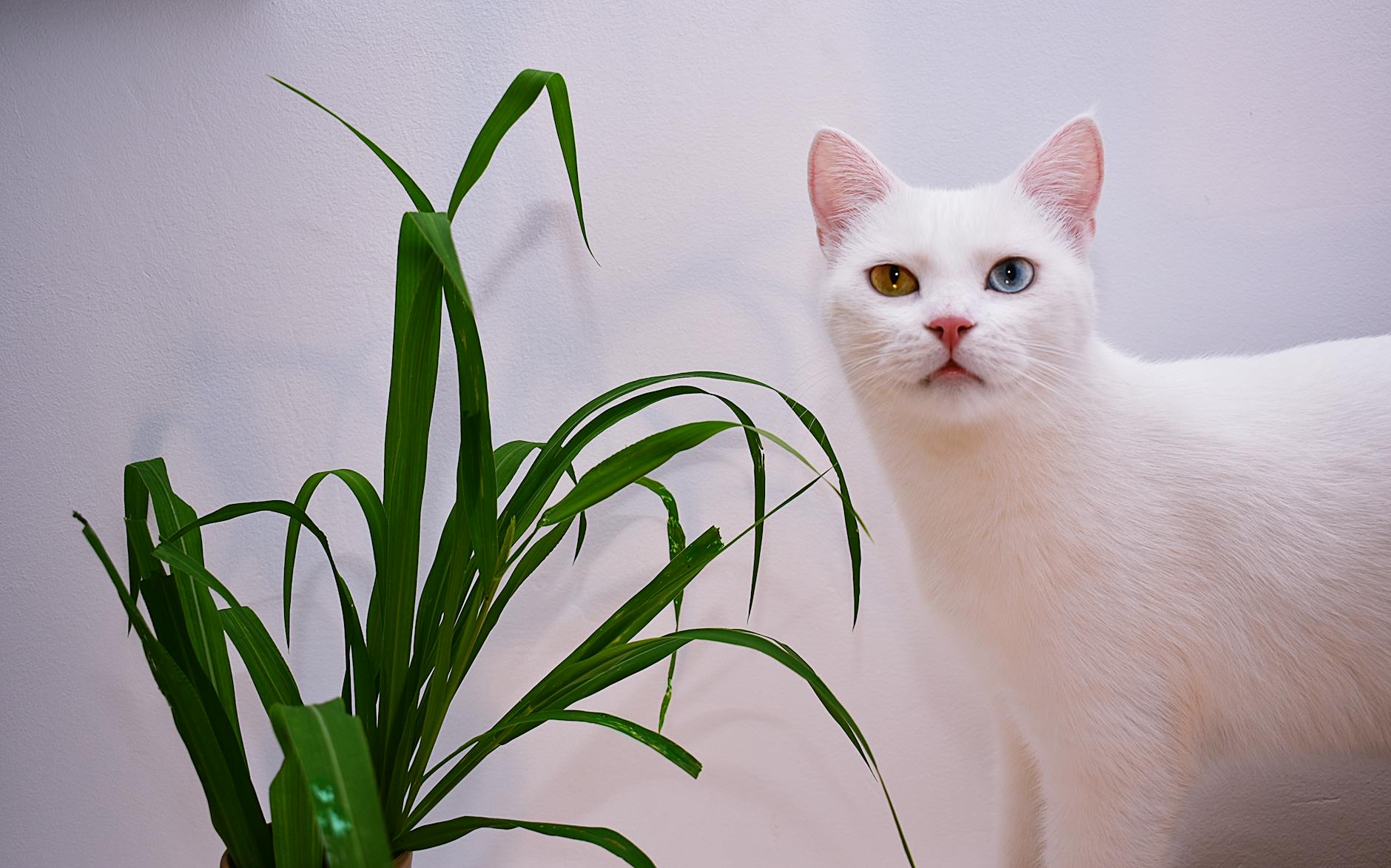
The cat breed most famous for having one blue eye and one yellow eye is the Khao Manee, a striking Thai breed prized for this distinctive eye combination. However, the condition that produces mismatched eye colors—called heterochromia or “odd-eyed” in cats—actually occurs across many domestic cat breeds, including Turkish Vans, Persians, and Oriental Shorthairs. What sets the Khao Manee apart is that breeders specifically select for this trait, and the breed standard celebrates the contrast between a vivid blue eye and a brilliant gold or amber eye.
This condition exists because of genetics. The white spotting gene or white dominant gene prevents melanin development in one eye, while the other eye develops normally with pigmentation. The result is a cat with genuinely different colored eyes—a phenomenon that appears less commonly in cats than single-colored eyes, making odd-eyed cats distinctive regardless of breed. The Khao Manee’s ancient origins in Thailand, where the breed has been documented for centuries, add to the mystique of this eye combination, earning the breed another name: the “Diamond Eye” cat.
Table of Contents
- Understanding Heterochromia in Cats
- The Khao Manee: The Breed That Celebrates Odd Eyes
- Other Breeds That Carry the Odd-Eye Gene
- Health Considerations and Deafness Risk
- Breeding Implications and Ethical Concerns
- The Visual Appeal and Rarity of Odd Eyes
- Caring for an Odd-Eyed Cat at Home
- Conclusion
Understanding Heterochromia in Cats
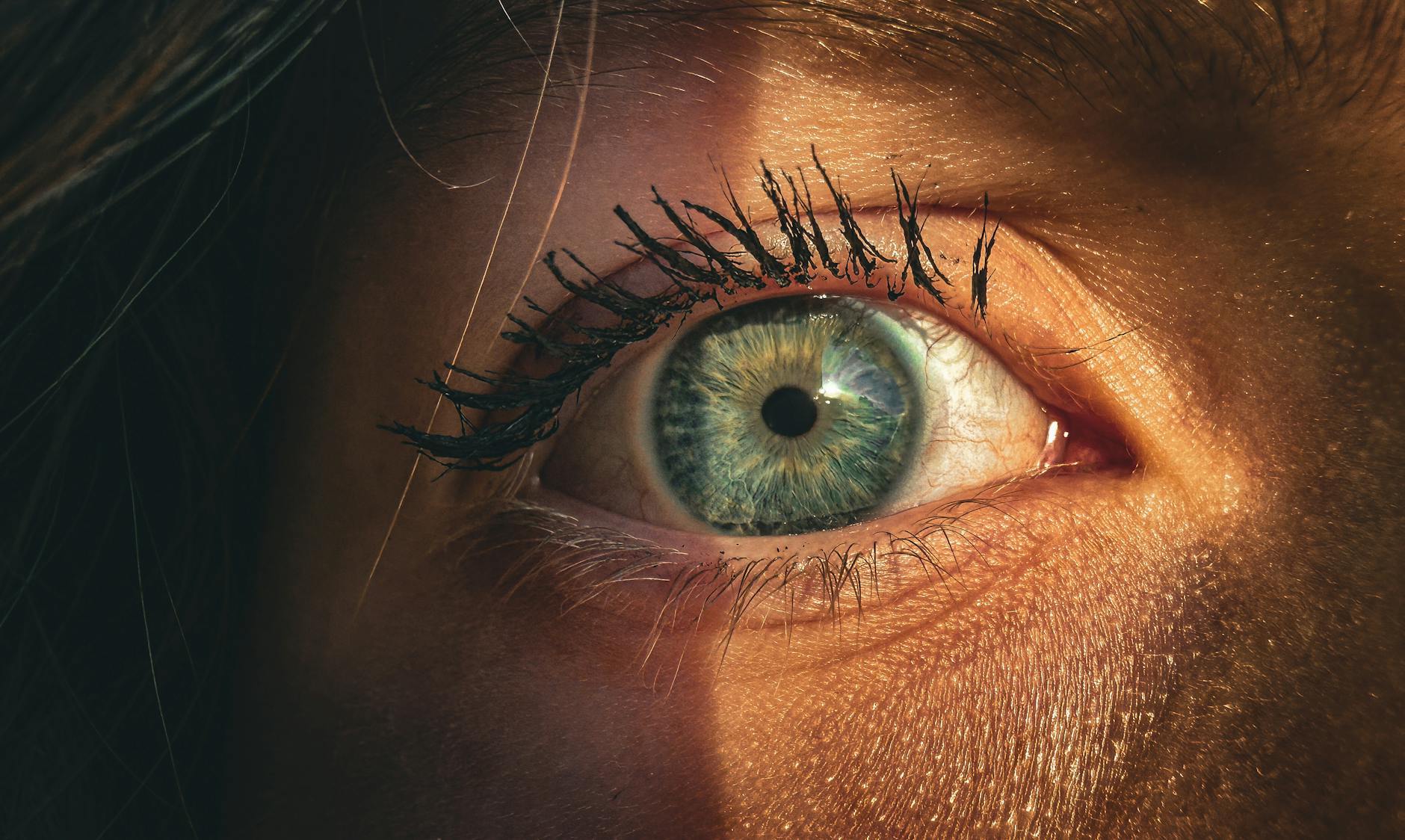
Heterochromia is a medical term for having two different colored eyes, and in cats, it’s primarily caused by the white spotting gene that interferes with melanin distribution during eye development. This gene doesn’t affect both eyes equally—one eye receives enough melanin to develop its normal color, while the other develops with little or no melanin, resulting in a blue eye. The blue coloration in cats’ eyes, much like in humans, isn’t actually blue pigment but rather the way light scatters through an unpigmented iris. A cat might be born with one blue eye and one green, amber, or yellow eye, depending on how much melanin each eye receives during development.
The condition can occur spontaneously in any domestic cat breed, but it’s far more common in white or predominantly white cats. A tabby cat, a black cat, or any cat with significant pigmentation can still develop heterochromia, though it’s rarer. The genetic basis means that odd-eyed cats can appear unexpectedly in litters, making them appear in shelters and homes alongside their single-eyed littermates. This is why heterochromia isn’t confined to a single breed—it’s a trait that emerges from genetics that exist across the entire domestic cat population.
The Khao Manee: The Breed That Celebrates Odd Eyes
The Khao Manee stands apart because breeders have deliberately selected for heterochromia as a defining breed characteristic. Originating in Thailand with ancestry dating back hundreds of years, the Khao Manee is described in the breed standard as a short-haired, solid white cat weighing between 8 and 10 pounds. The eye colors are particularly important to the breed standard—they should be “brilliant, clear and vivid, resembling precious gemstones,” with the most prized combination being one blue eye paired with one gold, amber, or yellow eye. The breed is recognized by major cat associations including the Cat Fanciers’ Association (CFA) and The International Cat Association (TICA).
This recognition means that breeders work within established standards to maintain the Khao Manee’s appearance and characteristics. However, there’s an important limitation: not every Khao Manee will have the perfect odd-eye combination. Some may be born with two blue eyes or two yellow eyes, and while these cats are still Khao Manees, they’re considered less desirable in breeding programs and competition. This selective breeding has made the true odd-eyed Khao Manee with the ideal color contrast relatively rare and highly sought after by breed enthusiasts.
Other Breeds That Carry the Odd-Eye Gene
While the Khao Manee is the poster breed for heterochromia, several other established cat breeds can exhibit one blue eye and one yellow eye. Turkish Vans and Turkish Angoras, both originating from Turkey with ancient histories, frequently display odd eyes. Persians, known for their flat faces and long coats, sometimes appear with mismatched eye colors. The Sphynx, the hairless breed, can be odd-eyed, as can Oriental Shorthairs and Japanese Bobtails. Even domestic shorthair cats—the mixed breeds found in shelters—can develop heterochromia.
Each breed has different characteristics beyond eye color. A Persian with odd eyes will have the breed’s distinctive flat face and flowing coat, while a Turkish Van might be semi-long-haired with a muscular build. An Oriental Shorthair with heterochromia will retain the breed’s sleek, angular appearance. The difference is that in these breeds, heterochromia is not selected for or required—it’s simply an occasional occurrence. In contrast, Khao Manee breeders actively breed for this trait, making it central to the breed’s identity. If you’re drawn to the odd-eye look but prefer a different coat type or body structure, one of these alternative breeds might be worth researching.
Health Considerations and Deafness Risk
One of the most important health considerations for odd-eyed cats is the connection between white coloring, blue eyes, and deafness. White cats with blue eyes are statistically prone to deafness or hearing loss, and odd-eyed cats can be deaf in the ear on the side of the blue eye. This is not a certainty—not all odd-eyed cats are deaf—but the risk is significantly elevated. The deafness results from a genetic issue affecting the inner ear development in some white cats, separate from the heterochromia itself. An odd-eyed cat might have perfect hearing, moderate hearing loss, or complete deafness. This health concern has practical implications.
Deaf cats cannot be shown in most cat competitions because deafness is considered a disqualifying factor in breed standards. However, deaf cats can still be used for breeding, meaning that an odd-eyed cat with hearing loss might produce litters with normal hearing. If you’re adopting or purchasing a Khao Manee or another odd-eyed cat, asking about hearing health is important. Vets can perform a BAER test (Brainstem Auditory Evoked Response) to definitively determine whether a cat is deaf in one or both ears. Deaf cats require adjusted living situations—they cannot navigate the outdoors safely and benefit from living as indoor cats. Many deaf cats live full, happy lives indoors, but the adjustment requires awareness and planning on the owner’s part.
Breeding Implications and Ethical Concerns
Breeding for heterochromia comes with ethical considerations that any potential buyer should understand. Because the white spotting gene that produces odd eyes is the same gene linked to deafness in white cats, breeding odd-eyed cats necessarily carries the risk of producing deaf kittens. Responsible breeders test their cats’ hearing before breeding and select against deafness where possible, but the genetic link means that some risk will always remain. Some breeders are transparent about this risk, while others may downplay it to sell kittens more easily.
If you’re considering purchasing an odd-eyed Khao Manee or similar breed, ask the breeder about their health testing protocols. A reputable breeder will have tested breeding cats for hearing and will offer health guarantees. Be cautious of breeders who claim that their lines are “all deaf-free” or who seem unaware of the genetic connection between white coloring and deafness—this suggests they may not be conducting proper health screening. Additionally, consider adoption as an alternative. Odd-eyed cats appear regularly in shelters and rescue organizations, sometimes at a fraction of the price of a purebred Khao Manee, and shelter cats’ health histories may be clearer.
The Visual Appeal and Rarity of Odd Eyes
There’s no denying the striking visual appeal of a cat with one blue eye and one yellow eye. The contrast creates an almost otherworldly appearance, especially in a solid white cat where the eyes stand out against pale fur with no competing visual elements. This rarity—odd-eyed cats are less common than cats with matching eye colors—adds to their appeal. In a world where cat photos circulate endlessly on social media, an odd-eyed cat stands out immediately and often garners significant attention.
The Khao Manee’s epithet “Diamond Eye” cat reflects the perception of these eye combinations as jewel-like and precious. Many owners of odd-eyed cats report that the distinctive appearance creates a bond or special connection with the cat. Whether this is truly connected to the eye colors or simply a projection of human aesthetic preference is debatable, but the experience is real for the people who love them. If you’re seeking a visually distinctive cat and are prepared for the health responsibilities, an odd-eyed cat may deliver a uniquely beautiful companion.
Caring for an Odd-Eyed Cat at Home
Owning an odd-eyed cat doesn’t require special care beyond standard feline husbandry, with the exception of hearing considerations. If your cat is deaf or partially deaf, environmental adjustments improve quality of life. Deaf cats should be kept indoors exclusively, since they cannot hear approaching dangers like cars or predators. Using vibrations to communicate—stomping, hand signals, or training with rewards—helps deaf cats understand expectations.
Bright lights, visual alerts (like a light that flashes when someone rings the doorbell), and attention to the cat’s position before approaching prevents startling them. Regular veterinary care, appropriate diet, enrichment, and social interaction remain the core of caring for any cat, including odd-eyed cats. The distinctive eyes require no special treatment—routine eye exams during vet visits will catch any problems early. Responsible ownership of an odd-eyed cat means being honest about the health considerations, providing an appropriate living environment, and, if purchasing from a breeder, choosing one who prioritizes health testing and transparency.
Conclusion
The cat with one blue eye and one yellow eye is most famously represented by the Khao Manee, a Thai breed specifically bred to celebrate heterochromia as a defining characteristic. However, this striking condition occurs across many domestic cat breeds and can even appear in mixed-breed cats. Understanding that heterochromia results from genetics affecting melanin development in the eye explains why the condition surfaces in white cats of various breeds, from Turkish Vans to Sphynxes to everyday shelter cats.
When considering an odd-eyed cat as a companion, beauty should not be the only consideration. The genetic link between white coloring, blue eyes, and deafness means that prospective owners should be prepared for the possibility of a deaf or partially deaf cat. Whether you’re drawn to a registered Khao Manee from a breeder or an odd-eyed cat waiting in a shelter, responsible ownership means understanding the health implications and providing appropriate care. An odd-eyed cat can be a wonderful, distinctive companion—when the commitment extends beyond the striking appearance to the genuine needs of the individual cat.