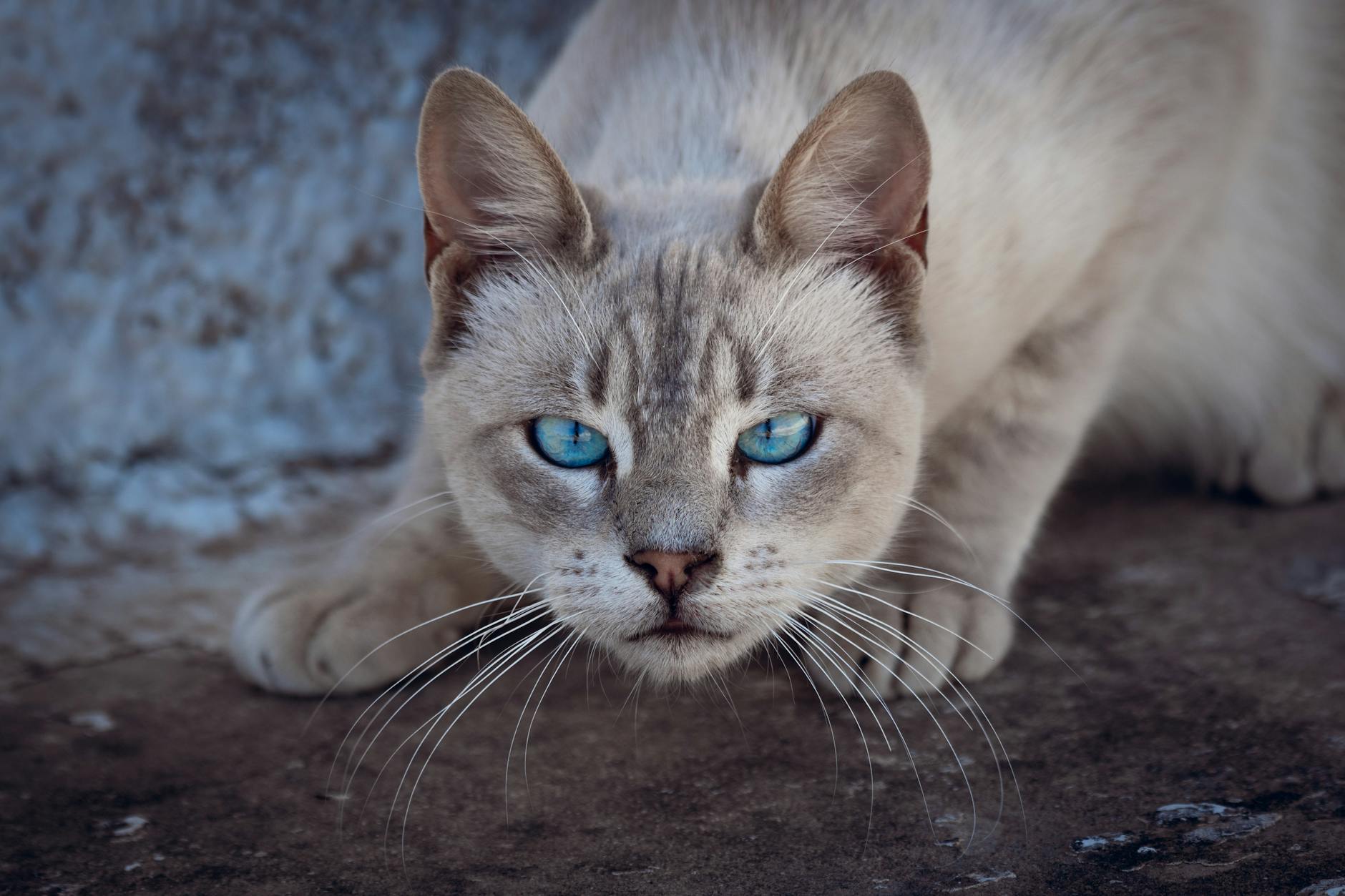
The Ragdoll stands as the most affectionate blue-eyed cat breed, consistently recognized for their striking sapphire-like eyes and their unwavering devotion to their human companions. Ragdolls are lap cats in the truest sense—they follow their owners from room to room, greet them at the door, and seek constant human interaction throughout the day. Unlike many cat breeds that maintain independence, a Ragdoll will often go limp when picked up, a behavior that inspired their name and demonstrates their remarkable trust and comfort with their people.
The appeal of the Ragdoll extends far beyond their stunning appearance. These cats bond deeply with their families and can become true shadows in your home, wanting to be wherever you are. A typical Ragdoll owner might find their cat sitting at the bathroom door while they shower, waiting by the kitchen while they prepare meals, and curling up on their lap during evening hours. This level of devotion makes them fundamentally different from more aloof feline companions, though it also means they require significant attention and shouldn’t be left alone for extended periods.
Table of Contents
- What Makes Ragdolls So Affectionate Compared to Other Blue-Eyed Cats?
- Other Highly Affectionate Blue-Eyed Cat Breeds Worth Considering
- Understanding the Genetics Behind Blue Eyes and Affection in Cats
- Practical Considerations for Living with an Affectionate Blue-Eyed Cat
- Common Challenges with Highly Affectionate Blue-Eyed Cats
- Himalayan Cats and the Question of Grooming Commitment
- Building Lasting Bonds with Your Blue-Eyed Companion
- Conclusion
What Makes Ragdolls So Affectionate Compared to Other Blue-Eyed Cats?
Ragdolls possess an innate temperament that sets them apart from other blue-eyed breeds. Their breeding specifically selected for calm, people-oriented traits, which compounds their natural affectionate tendencies. A Ragdoll will often greet visitors warmly, a trait that distinguishes them from more territorial cat breeds. They’re less likely to hide when guests arrive and more likely to investigate and interact with new people in their home. This social nature, combined with their gentle demeanor, makes them ideal for families seeking a highly interactive pet.
The difference between a Ragdoll and even other affectionate blue-eyed breeds becomes apparent in their level of neediness. While a Birman cat is affectionate and enjoys human company, a Ragdoll requires it. They can develop separation anxiety if left alone too frequently, and some owners report their Ragdolls following them around constantly. This isn’t a flaw—it’s simply the breed’s nature. Prospective owners should understand that this devotion demands reciprocal attention and commitment.
Other Highly Affectionate Blue-Eyed Cat Breeds Worth Considering
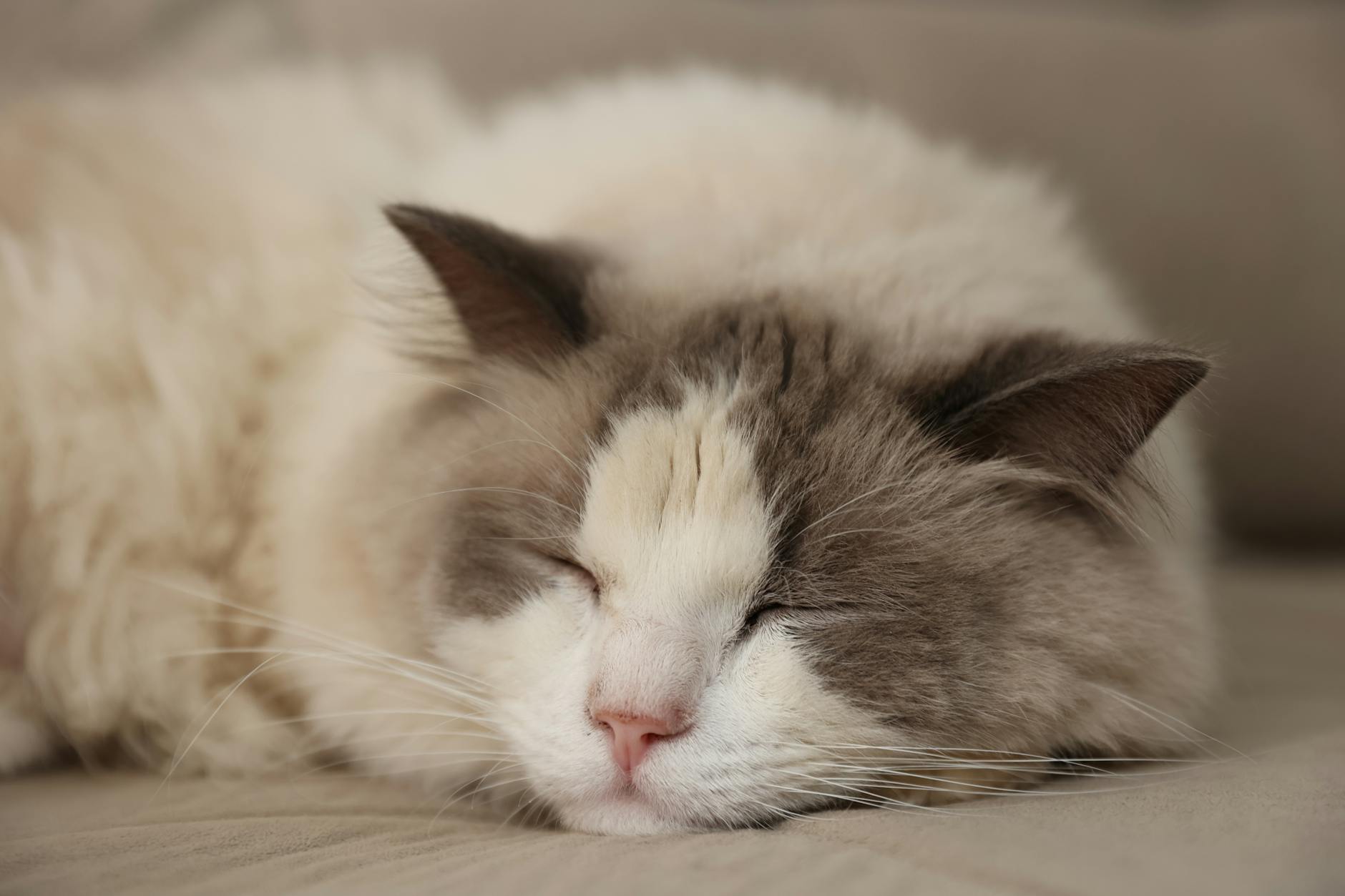
Beyond Ragdolls, the Birman cat represents another excellent choice for those seeking an affectionate blue-eyed companion. Birmans are known for their gentle nature and calm demeanor, making them adaptable to various household environments and lifestyles. These cats are snuggly and enjoy human contact but tend to be less demanding than Ragdolls. A Birman might sit near you while you work rather than constantly demanding lap time, offering a middle ground between complete independence and constant neediness.
The Balinese breed, often described as an extremely friendly alternative, showers anyone who gives them attention with affection. These cats combine the vocal, chatty nature of their Siamese ancestors with deep people-orientation. However, a significant limitation of Balinese cats is their need for mental stimulation. Without adequate play, interaction, and environmental enrichment, they can become destructive or develop behavioral issues. This warning applies particularly if you work long hours outside the home—a bored Balinese might redirect their considerable intelligence toward unwanted activities like knocking things off shelves or scratching furniture.
Understanding the Genetics Behind Blue Eyes and Affection in Cats
blue eyes in cats result from specific genetic factors affecting melanin production in the iris, and this trait appears across several breeds with different temperaments. However, blue eye color itself doesn’t determine affection—instead, it’s the breeding practices of specific breeds that correlate eye color with personality traits. Breeders of Ragdolls, Birmans, and Balinese cats have consistently selected for both blue eyes and affectionate temperaments over generations, creating a strong association between these traits.
The Tonkinese, a hybrid breed created by crossing Siamese and Burmese cats, exemplifies how selective breeding combines traits. These cats inherit the affectionate, entertaining nature of both parent breeds along with the blue or aqua-colored eyes characteristic of the mix. However, Tonkinese cats are also highly intelligent and sometimes mischievous—they require interactive play and mental challenges to stay content. Without proper stimulation, their intelligence can lead to problem behaviors, making them better suited for active households than for homes with limited interaction.

Practical Considerations for Living with an Affectionate Blue-Eyed Cat
Bringing an affectionate blue-eyed cat into your home requires honest assessment of your lifestyle and availability. Ragdolls and similarly devoted breeds need regular interaction, play, and companionship. If you work full-time away from home, travel frequently, or maintain a lifestyle centered on solitude, a Ragdoll may not be the right match, regardless of how much you love the breed. These cats can suffer emotionally when chronically alone, potentially developing behavioral problems or depression.
Consider also the practical logistics of daily life with an affectionate shadow. You’ll need to establish routines that provide structure and interaction, such as designated play sessions, feeding times that create bonding moments, and comfortable sleeping spots near where you spend most time. Unlike independent cats that thrive in quiet homes, these breeds do better in households with regular activity and human presence. The tradeoff is rewarding—constant companionship and deep bonds—but it requires intentional commitment rather than casual cat ownership.
Common Challenges with Highly Affectionate Blue-Eyed Cats
The devotion that makes these breeds special can paradoxically become problematic if not managed properly. Separation anxiety, while less common in cats than dogs, occurs in highly bonded Ragdolls and Balinese cats. Some cats in this situation will cry excessively, eliminate outside the litter box, or become destructive when separated from their owners. A warning here: if you notice your cat displaying these behaviors when you leave, don’t simply resign yourself to the problem.
Work with a veterinary behaviorist to develop strategies that help your cat become more independent and less stressed. Siamese cats, another blue-eyed breed known for affection and intelligence, can become vocal to the point of being disruptive, especially if they lack adequate interaction. These cats will literally talk to you, which many owners love, but which can be jarring if you’re not expecting it. Their chattiness combined with their need for attention means that quiet, hands-off homes often see Siamese cats developing louder, more attention-demanding behavior. Understanding this trait before adopting a Siamese is essential.
Himalayan Cats and the Question of Grooming Commitment
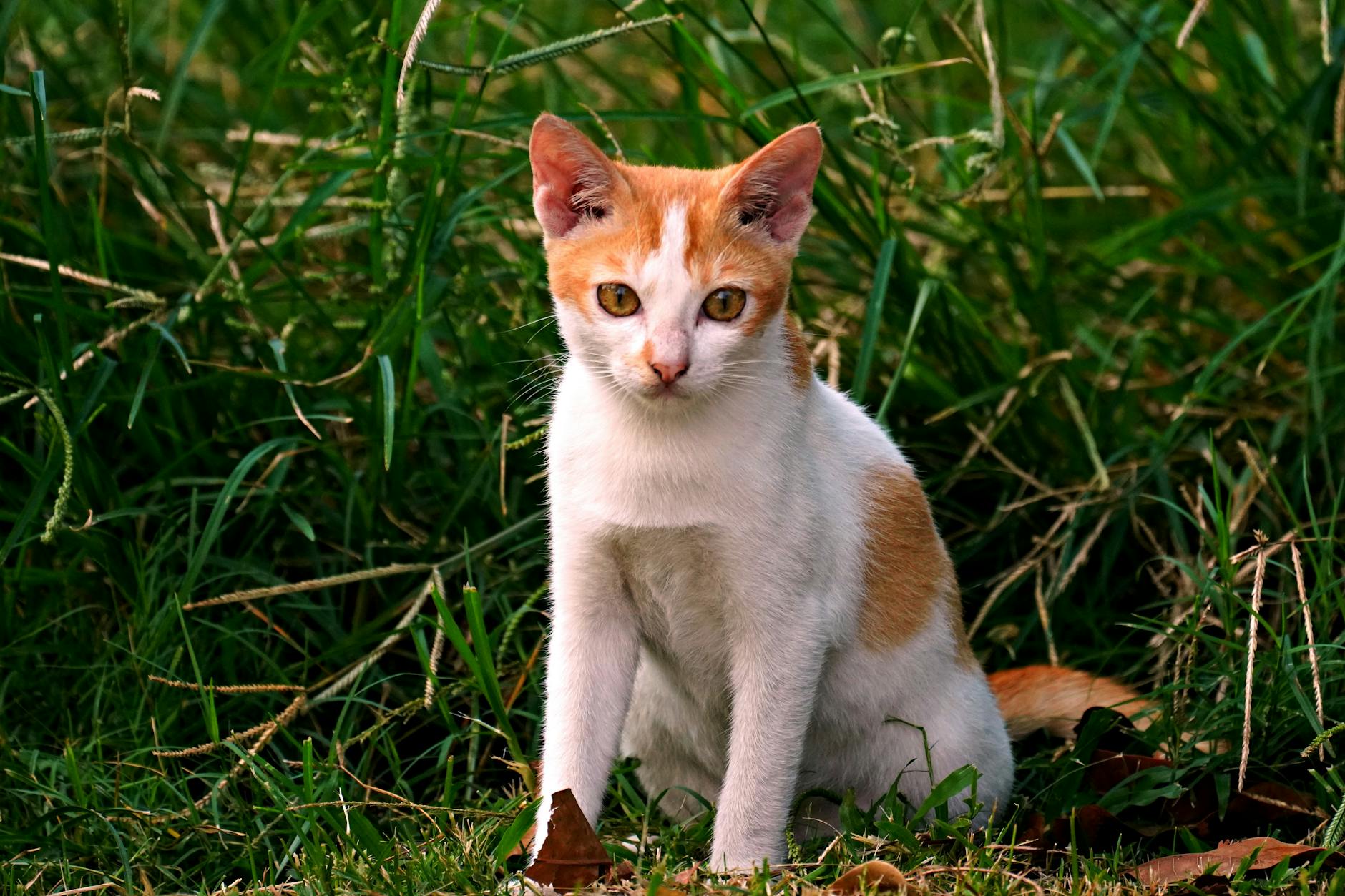
Himalayan cats round out the highly affectionate blue-eyed category with a calm, friendly demeanor and a genuine love for snuggling. They’re described as mellow and do exceptionally well with children, older adults, and even dogs, making them versatile family pets. However, Himalayans come with a significant caveat: their long, luxurious coats require daily grooming to prevent matting and maintain health. Many owners underestimate this commitment and find themselves with a matted, uncomfortable cat within weeks of adoption.
The grooming requirement isn’t simply aesthetic—it’s a matter of animal welfare. Matted coats can trap moisture against the skin, leading to infection and discomfort. Professional grooming appointments are expensive and frequent, or owners must develop strong grooming skills themselves. This ongoing commitment to grooming means that an affectionate, snuggly Himalayan requires as much time and attention as a Ragdoll, just in a different form.
Building Lasting Bonds with Your Blue-Eyed Companion
The journey with an affectionate blue-eyed cat is fundamentally different from typical cat ownership. These breeds ask more of their owners but offer incomparable emotional rewards. The bond you develop with a Ragdoll or Birman who has chosen you as their primary person becomes a defining relationship in your life.
Many owners report that their highly affectionate cats provide comfort during difficult times, greet them with genuine enthusiasm, and become integral to their daily happiness. Understanding that you’re not simply adopting a pet but taking on a responsibility for a creature’s emotional wellbeing shapes the experience. The most successful relationships between owners and affectionate blue-eyed cats happen when people enter the commitment with clear eyes about what these breeds need and what they offer in return.
Conclusion
The Ragdoll remains the gold standard for affectionate blue-eyed cat breeds, but Birmans, Balinese, Tonkinese, Siamese, and Himalayan cats offer their own versions of devoted companionship. Choosing one of these breeds means accepting a cat that will want to be part of your daily life in profound ways.
Before bringing an affectionate blue-eyed cat home, ensure your lifestyle can accommodate their needs for interaction, companionship, and consistent attention. If you’re ready to make that commitment, the reward is a feline friend who will follow you through life with genuine devotion, offer comfort without judgment, and remind you daily why cats deserve their reputation as beloved companions.