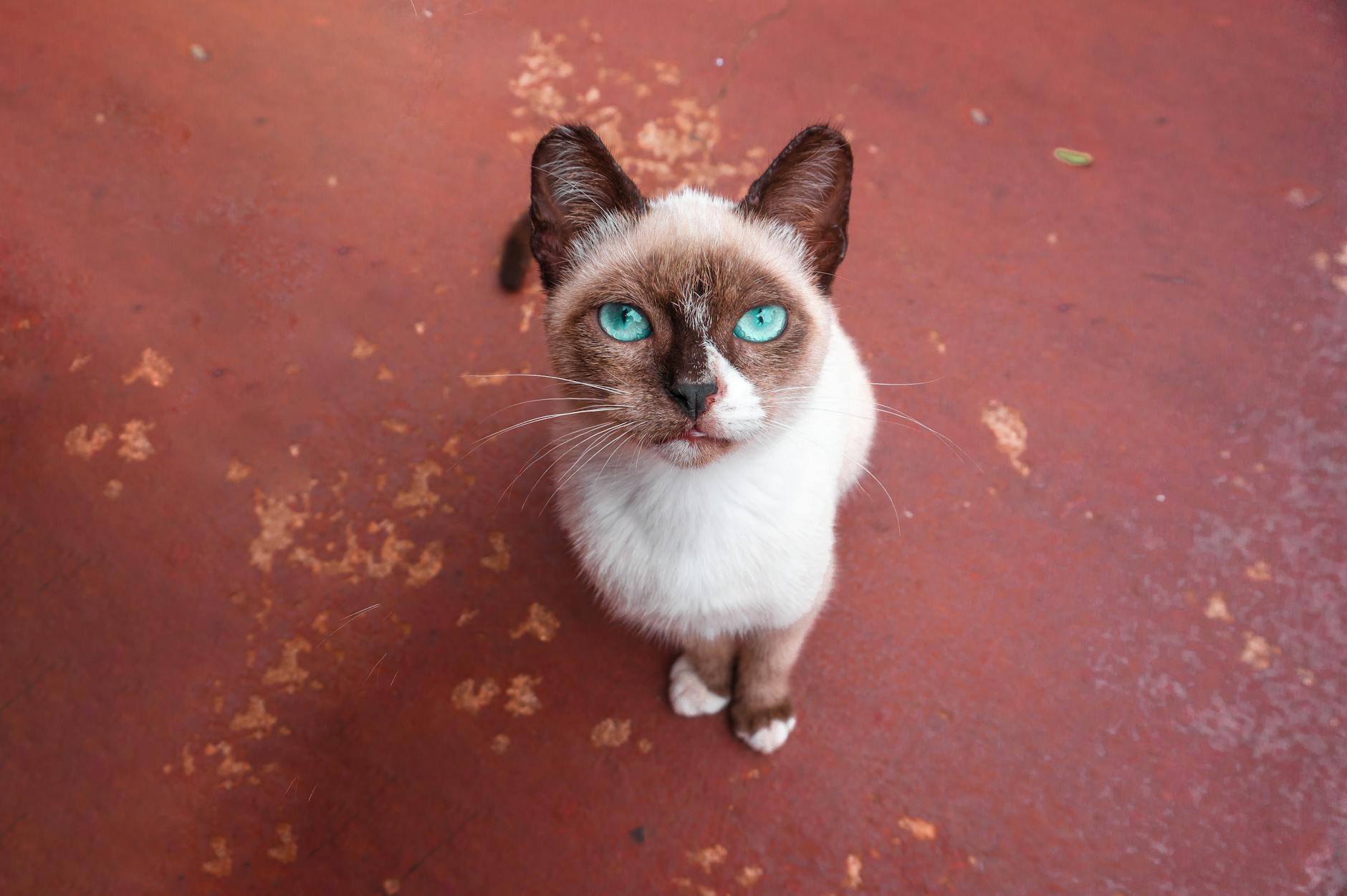
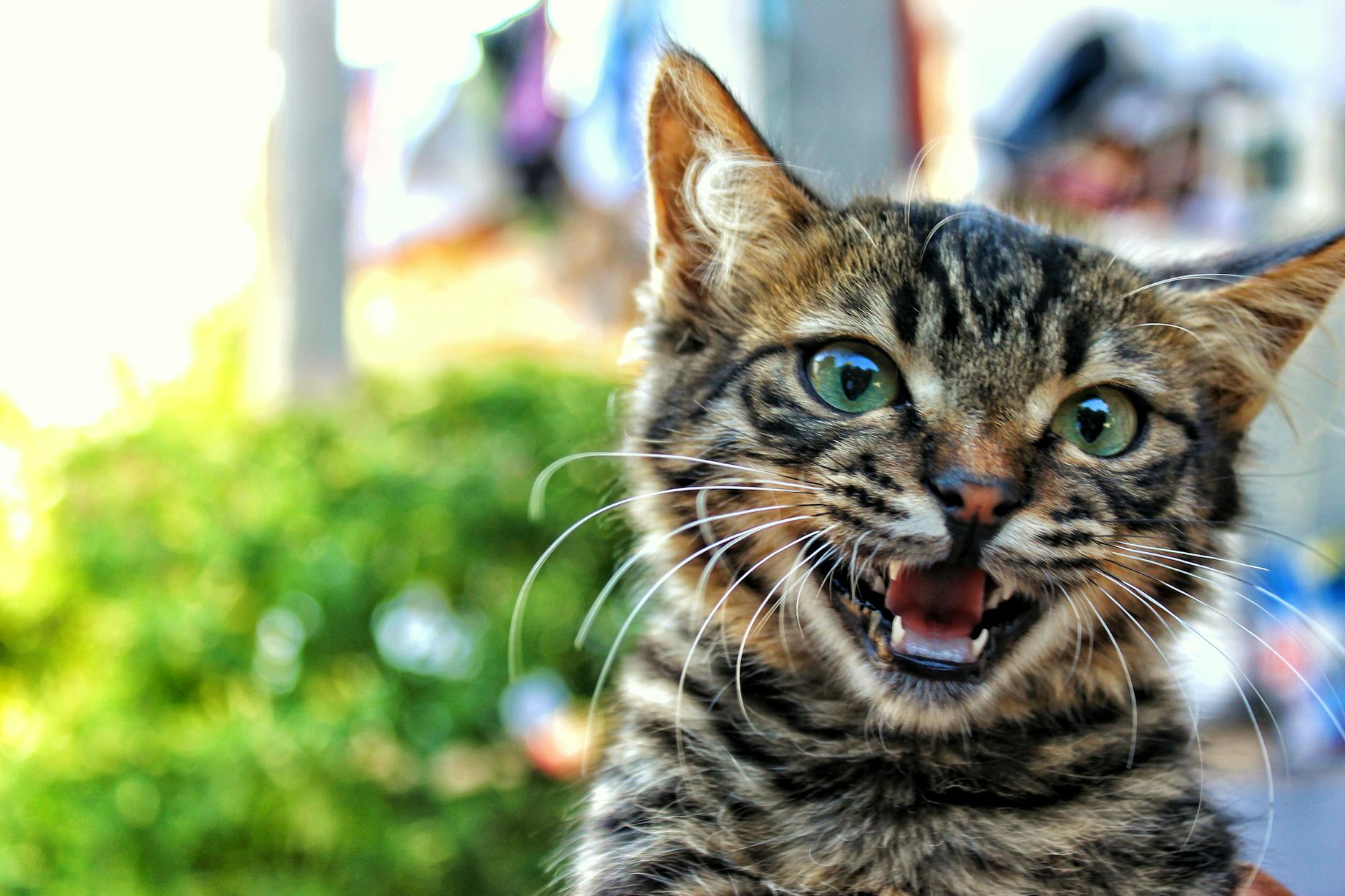
Siamese cats are the loudest blue-eyed cat breed, reaching vocalization levels of 80 to 90 decibels—comparable to the noise level in a crowded restaurant. This distinctive vocal intensity has made the Siamese one of the most recognizable cat breeds among pet owners and a common topic of discussion in veterinary and feline behavior circles. If you’re considering adopting a blue-eyed cat and noise level is a concern for your household, understanding which breeds are the most vocal is essential to finding the right match for your living situation. The Siamese cat’s characteristic loud meow is due to a combination of genetic factors and behavioral traits that have been reinforced over centuries of selective breeding.
Their voices are often described as low-pitched and remarkably similar to a human baby’s cry, which explains why so many people find them either endearing or challenging to live with. Beyond the Siamese, several other blue-eyed breeds vary in vocalization intensity, from moderately talkative to remarkably quiet, giving potential cat owners several options depending on their noise tolerance. Blue-eyed cats are not inherently louder than other cats as a general rule. Instead, specific blue-eyed breeds like the Siamese have been selectively bred for their vocal tendencies alongside their striking appearance, creating a strong association between blue eyes and excessive meowing in the popular imagination.
Table of Contents
- Which Blue-Eyed Cat Breeds Are the Loudest and Why?
- Understanding Siamese Vocalization and Its Intensity
- Tonkinese Cats and Other Moderately Vocal Blue-Eyed Breeds
- Managing and Preparing for a Loud Blue-Eyed Cat
- Health Considerations and Vocalization Changes in Blue-Eyed Cats
- Quieter Blue-Eyed Cat Breeds for Noise-Sensitive Owners
- The Future of Blue-Eyed Cat Breeding and Vocalization Traits
- Conclusion
- Frequently Asked Questions
Which Blue-Eyed Cat Breeds Are the Loudest and Why?
The Siamese breed dominates the conversation about vocalization in blue-eyed cats, but they are not alone. Tonkinese cats, which were developed by crossing Siamese and Burmese breeds, represent the second-loudest blue-eyed cat breed. While Tonkinese cats are highly vocal and inherit much of the Siamese communicative nature, their voices tend to be less piercing than their Siamese ancestors, offering a middle ground for owners who want an interactive cat without the intensity of a full Siamese. Colorpoint Shorthairs provide another option for those seeking a loud blue-eyed companion, as they share the Siamese’s striking blue eyes and equally vocal tendencies.
These cats are essentially Siamese cats that don’t meet traditional breed standards in other ways, but they carry the same genetic traits that drive their communicative behavior. For owners prepared for constant conversation with their feline companion, both Tonkinese and Colorpoint Shorthairs represent authentic loud blue-eyed alternatives. To put the noise levels in perspective, the average cat meow ranges from 60 to 80 decibels, while Siamese cats regularly exceed this range at 80 to 90 decibels. For reference, normal human conversation measures around 60 decibels, while a lawnmower produces approximately 90 decibels. This means a Siamese cat meowing at full volume is comparable to having someone shouting in your ear or operating a loud garden tool indoors.

Understanding Siamese Vocalization and Its Intensity
Siamese cats are not simply louder in volume—they are more frequent and more intentional communicators than most other breeds. These cats have evolved to use vocalization as a primary method of interaction with their owners, and many Siamese owners report that their cats “talk” throughout the day about everyday activities like meals, playtime, and attention-seeking. This constant communication can be surprising for first-time Siamese owners who are accustomed to the quieter nature of breeds like the American Shorthair. The distinctive appearance of Siamese cats—their striking, deep vivid blue almond-shaped eyes—has become inseparable from their vocal reputation.
Breeders have long selected Siamese cats for both their appearance and their talkative nature, creating a breed where these traits are genetically linked. A limitation of owning a Siamese is accepting that their demands for attention through vocalization are not behavioral problems to be corrected but rather breed-typical traits that cannot be eliminated through training alone. One important warning for potential Siamese owners: excessive vocalization that changes in character or frequency can indicate health problems ranging from hyperthyroidism to urinary tract infections. While Siamese cats are naturally vocal, any sudden increase in meowing or a change in the quality of their vocalizations should prompt a veterinary examination. First-time Siamese owners sometimes delay veterinary care because they assume excessive meowing is simply the breed’s normal behavior, potentially missing treatable medical conditions.
Tonkinese Cats and Other Moderately Vocal Blue-Eyed Breeds
Tonkinese cats represent a deliberate attempt to balance the Siamese’s vocal nature with the slightly more reserved temperament of Burmese cats. These cats retain the striking blue eyes characteristic of their Siamese ancestry and maintain a highly communicative nature, but many owners find their meows easier on the ears than those of purebred Siamese. Tonkinese are considered the second-loudest blue-eyed breed, making them suitable for owners who appreciate an interactive cat but need something less intense than a Siamese. Snowshoe cats occupy a different position on the vocalization spectrum. Created by breeding American Shorthairs with Siamese, Snowshoe cats are moderately vocal with striking blue eyes and distinctive white markings on their paws and face.
Compared to Siamese cats, Snowshoes are significantly quieter, but they remain more talkative than typical American Shorthairs. For someone seeking a blue-eyed cat with the genetic connection to Siamese expressiveness but without the overwhelming noise levels, Snowshoe cats offer a practical middle ground. A specific example of the difference between these breeds: a Siamese cat might meow persistently every time its owner enters the kitchen, demanding food or attention with loud, repeated calls. A Tonkinese in the same situation might communicate the same desire with fewer meows and a slightly softer pitch. A Snowshoe cat might simply approach the owner and meow once or twice before moving away to wait for what it desires.
Managing and Preparing for a Loud Blue-Eyed Cat
Before adopting a Siamese, Tonkinese, or Colorpoint Shorthair, prospective owners should honestly assess their noise tolerance and living situation. Apartment dwellers with thin walls and easily annoyed neighbors face particular challenges with loud blue-eyed breeds. The constant meowing associated with these cats can strain relationships with neighbors or create stress in the household, particularly during evening hours or early mornings when cats are naturally more vocal. One practical approach is to adopt a slightly older Siamese or Tonkinese cat from a rescue organization, which allows potential owners to meet the specific cat and assess their actual vocalization level before committing.
Individual variation exists within every breed—some Siamese cats are less vocal than others, while some are nearly constant communicators. Spending time with an adult cat before adoption provides more accurate expectations than breed generalizations alone. Owners of loud blue-eyed cats report that the constant meowing often becomes background noise over time, similar to how city dwellers stop noticing traffic sounds. However, this habituation is not universal—some people find the constant communication rewarding and engaging, while others experience it as stressful. Understanding your own stress response to noise is as important as understanding the breed’s actual vocalization levels when deciding whether a Siamese, Tonkinese, or similar breed is right for your household.
Health Considerations and Vocalization Changes in Blue-Eyed Cats
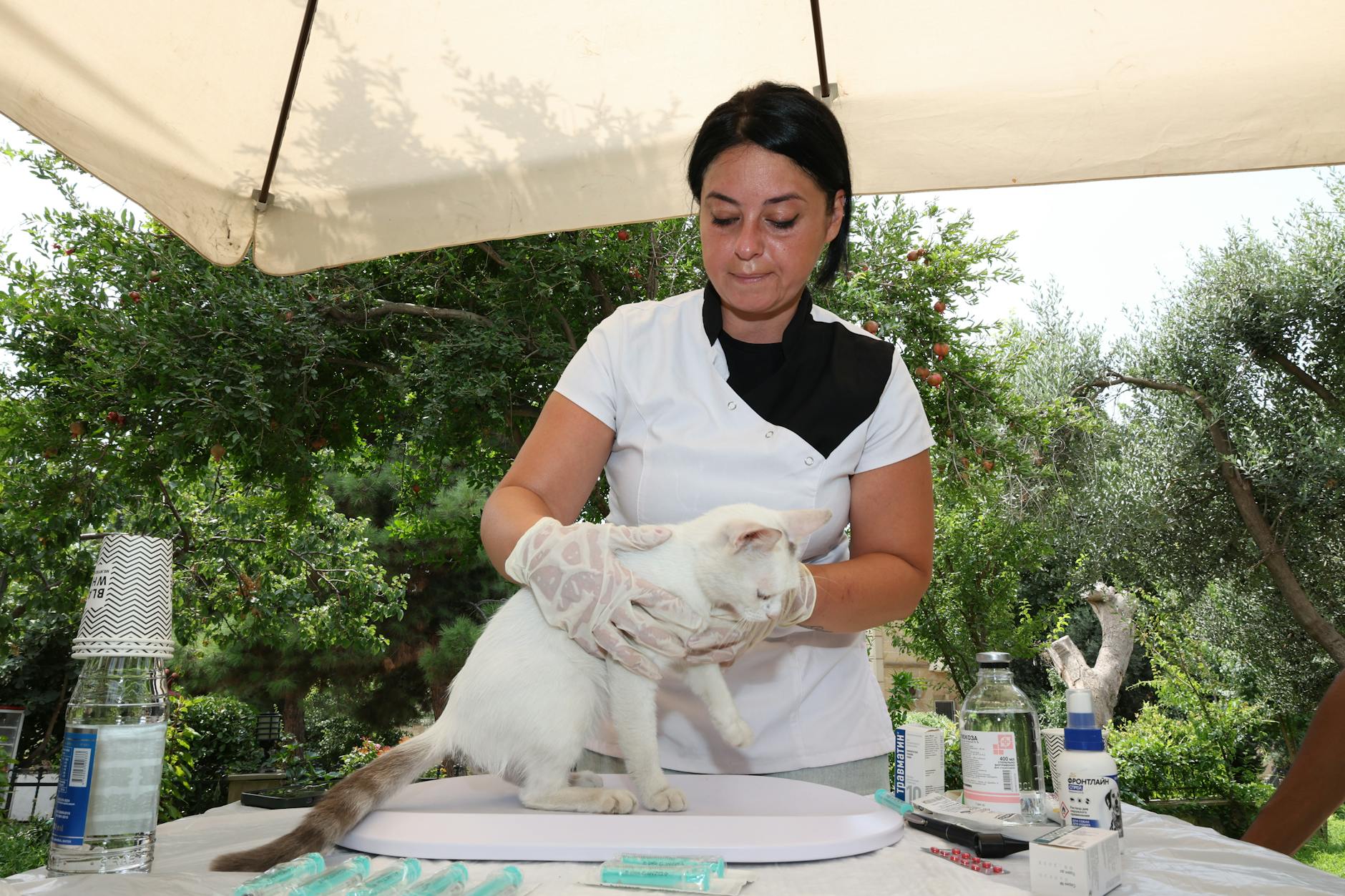
Excessive vocalization in blue-eyed cats can indicate underlying health problems that require veterinary attention. Hyperthyroidism, a common condition in aging cats, frequently causes increased meowing and restlessness. Urinary tract infections, kidney disease, and other serious conditions may manifest as vocalization changes before producing other obvious symptoms. A critical warning for all cat owners: increased or changed vocalization should never be automatically attributed to the cat’s breed or personality without first ruling out medical causes. The relationship between eye color and hearing has generated considerable discussion among cat owners, but current evidence does not support claims that blue-eyed cats are inherently louder due to hearing problems.
Instead, the association between blue eyes and vocalization exists because selective breeding for blue eyes in certain breeds has coincided with selection for vocal traits. The Siamese breed’s selective breeding emphasized both appearance and communicative behavior, creating strong associations between the two traits that may not be causally linked. Pain or discomfort also frequently triggers vocalization changes in cats. A blue-eyed cat that suddenly becomes quieter than usual may be experiencing illness or injury. Conversely, cats that become more vocal may be in pain or distress. This reality underscores the importance of understanding your individual cat’s normal vocalization patterns so that any changes signal the need for veterinary evaluation.
Quieter Blue-Eyed Cat Breeds for Noise-Sensitive Owners
For those drawn to the striking appearance of blue eyes but concerned about vocalization, Birman cats and Persian cats offer significantly quieter alternatives. Birmans are notable for their gentle nature and soft voices, often making small chirping sounds rather than the demanding meows characteristic of Siamese cats. Persians, while requiring significant grooming and care, are generally quiet breeds that communicate through subtle body language and occasional soft vocalizations rather than constant meowing.
Birmans combine blue eyes with a calm temperament, making them suitable for households where noise levels need to remain low. These cats were developed in Burma (now Myanmar) and have a history as temple cats, where their quiet, gentle nature was valued. An owner considering a Birman should expect a far different experience than owning a Siamese—companionship through presence and subtle interaction rather than constant vocal communication.
The Future of Blue-Eyed Cat Breeding and Vocalization Traits
As awareness grows about genetic factors influencing cat behavior, breeders have become more intentional about considering vocalization levels in their breeding programs. Some modern breeders are working to develop blue-eyed cats that maintain the striking appearance of Siamese while moderating their vocal intensity, though this goal remains challenging given the deep genetic links between appearance and behavior in these lines.
The relationship between coat color, eye color, and behavior in cats remains an active area of feline genetics research. Understanding these connections helps breeders, veterinarians, and cat owners make more informed decisions about which breeds are truly suitable for specific households and circumstances. As genetic testing becomes more accessible, future cat owners may have even more precise information about individual cats’ likely vocalization levels before adopting.
Conclusion
Siamese cats are definitively the loudest blue-eyed cat breed, reaching vocalization levels of 80 to 90 decibels with their characteristic low-pitched, baby-like cries. For those seeking a slightly quieter alternative, Tonkinese and Colorpoint Shorthair cats provide similar blue eyes with somewhat less intense meowing. Understanding that loud vocalization in blue-eyed cats is a breed trait reinforced through selective breeding helps prospective owners make informed decisions rather than being surprised after adoption.
The right blue-eyed cat for your household depends on your personal tolerance for noise, living situation, and what you value in a feline companion. Those prepared for constant communication may find Siamese or Tonkinese cats endearing and rewarding, while noise-sensitive individuals might prefer the quieter beauty of Birmans or Persians. Regardless of which breed appeals to you, remember that any sudden changes in vocalization patterns warrant veterinary evaluation to rule out health concerns.
Frequently Asked Questions
Can you train a Siamese cat to meow less?
Siamese vocalization is a breed trait controlled by genetics and selective breeding rather than learned behavior. While you cannot eliminate their talkative nature, providing appropriate outlets for communication—such as interactive play and regular attention—may reduce frustration-based excessive meowing.
Are all blue-eyed cats loud?
No. Blue eyes appear in several breeds with varying vocalization levels. Birmans and Persians have blue eyes but are relatively quiet. The association between blue eyes and loudness exists primarily in Siamese-descended breeds like Tonkinese and Colorpoint Shorthairs.
Do blue-eyed cats have hearing problems?
While deafness in cats can be associated with white coats and blue eyes in some cases, this association is not universal. Blue-eyed cats like Birmans and Persians are not inherently deaf, and Siamese cats’ loudness is not related to hearing problems.
What should I do if my Siamese cat’s meowing suddenly increases?
Schedule a veterinary examination immediately. While Siamese cats are naturally vocal, sudden increases in meowing often indicate medical problems such as hyperthyroidism, urinary tract infections, or pain that require professional evaluation.
Are Tonkinese cats as loud as Siamese cats?
Tonkinese cats are highly vocal but generally have less piercing voices than Siamese cats. They represent a middle point between the intense vocalization of Siamese and the quieter nature of many other breeds.
Is it cruel to adopt a Siamese cat if you work long hours?
Siamese cats are social and interactive, and extended periods of solitude can lead to stress-related vocalization. If you work long hours, consider hiring a pet sitter for midday visits, adopting a second cat for companionship, or choosing a quieter breed more suited to independent periods alone.