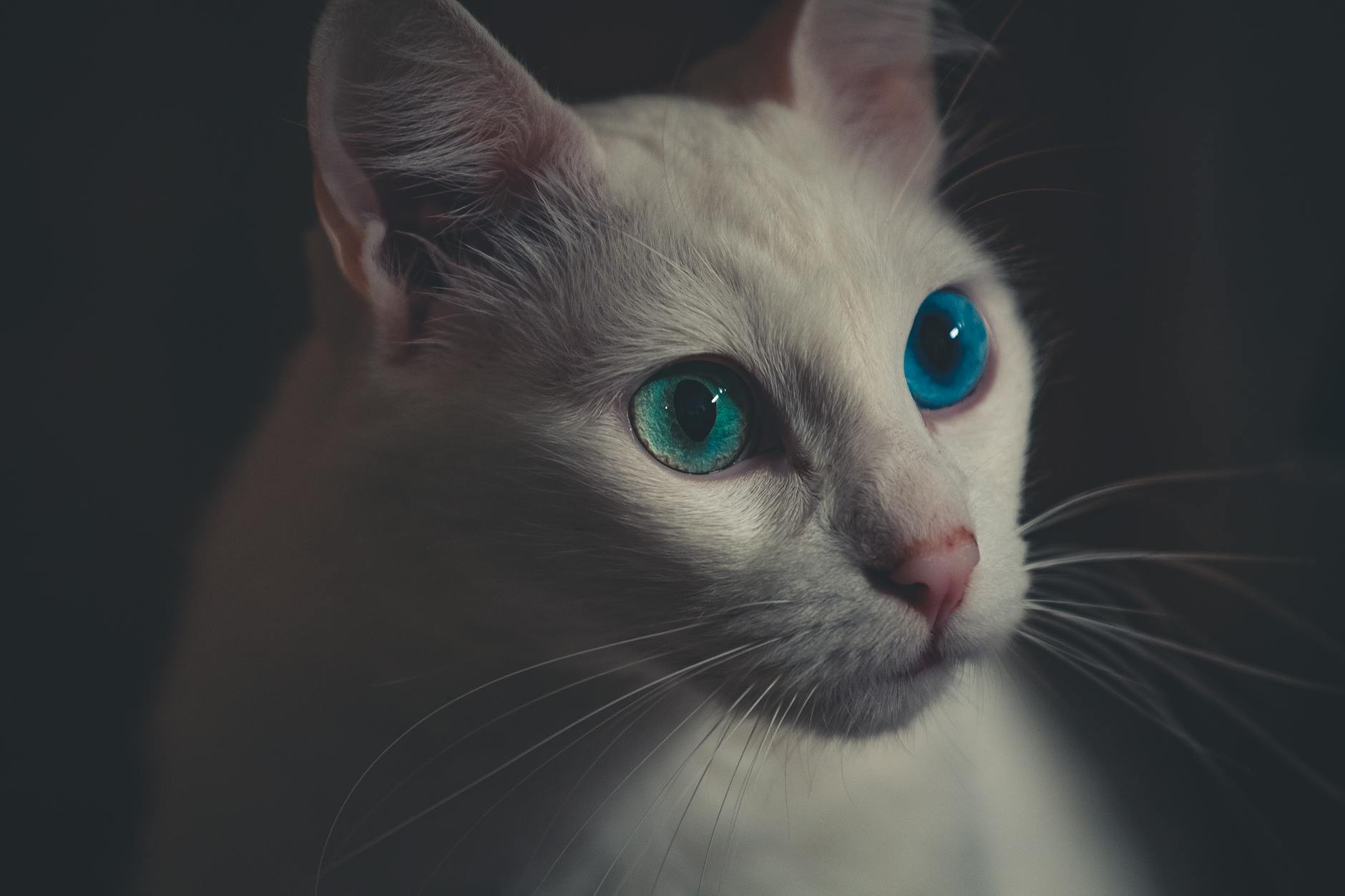
The Ragdoll is the most popular blue-eyed house cat breed in the world, having held the number one position in Cat Fanciers’ Association (CFA) registration statistics through at least 2024. This striking breed is instantly recognizable by its large frame, semi-long silky coat, characteristic colorpoint patterns, and most distinctively, its luminous blue eyes that seem to follow you around the room. The breed’s popularity isn’t accidental—Ragdolls combine the physical beauty of those signature sapphire eyes with a temperament so docile and affectionate that owners often describe them as more dog-like than feline, making them ideal companions for families, seniors, and anyone seeking a deeply bonded pet.
What sets Ragdolls apart from other blue-eyed breeds is that blue eyes are not optional or incidental to their breed standard—they are mandatory. Unlike some breeds where eye color can vary, all traditional Ragdolls must have blue eyes according to CFA, TICA (The International Cat Association), and World Cat Federation standards. This breeding requirement, combined with the breed’s consistently excellent disposition and striking appearance, has made Ragdolls the gold standard when people ask about blue-eyed cats.
Table of Contents
- Why Has the Ragdoll Dominated as the World’s Most Popular Blue-Eyed Cat Breed?
- Understanding Ragdoll Blue Eyes and Breed Standards
- The Ragdoll Personality: Why Blue Eyes Are Just the Beginning
- Caring for a Ragdoll: Practical Considerations for Owners
- Health Considerations and Eye-Related Concerns in Ragdolls
- Other Notable Blue-Eyed Cat Breeds Worth Considering
- Recent Trends and the Future of Blue-Eyed Breed Popularity
- Conclusion
Why Has the Ragdoll Dominated as the World’s Most Popular Blue-Eyed Cat Breed?
The Ragdoll’s reign at the top of blue-eyed cat breed rankings comes from a perfect storm of desirable traits: breathtaking aesthetics paired with an unusually gentle personality. Breeders have intentionally developed Ragdolls to be calm, receptive to handling, and deeply attached to their human families. This deliberate selection for temperament, combined with the breed’s striking appearance and those hypnotic blue eyes, has made Ragdolls consistently the top choice for people specifically seeking a blue-eyed cat. CFA records show that Ragdolls have maintained this position for years, outpacing even the historically iconic Siamese, which was featured in countless films and remains one of the most recognized blue-eyed breeds globally.
The comparison between Ragdolls and Siamese is particularly instructive. While Siamese cats have blue eyes and a legendary place in cat culture—appearing in classics like “Lady and the Tramp” and “That Darn Cat”—they are known for being more vocal, demanding, and intense than Ragdolls. A Siamese will demand your attention; a Ragdoll will gently follow you from room to room, waiting to be picked up and held. This fundamental difference in personality has tipped the scales in Ragdolls’ favor among modern cat owners who prioritize companionship and calm household dynamics over the Siamese’s spirited, sometimes demanding nature.
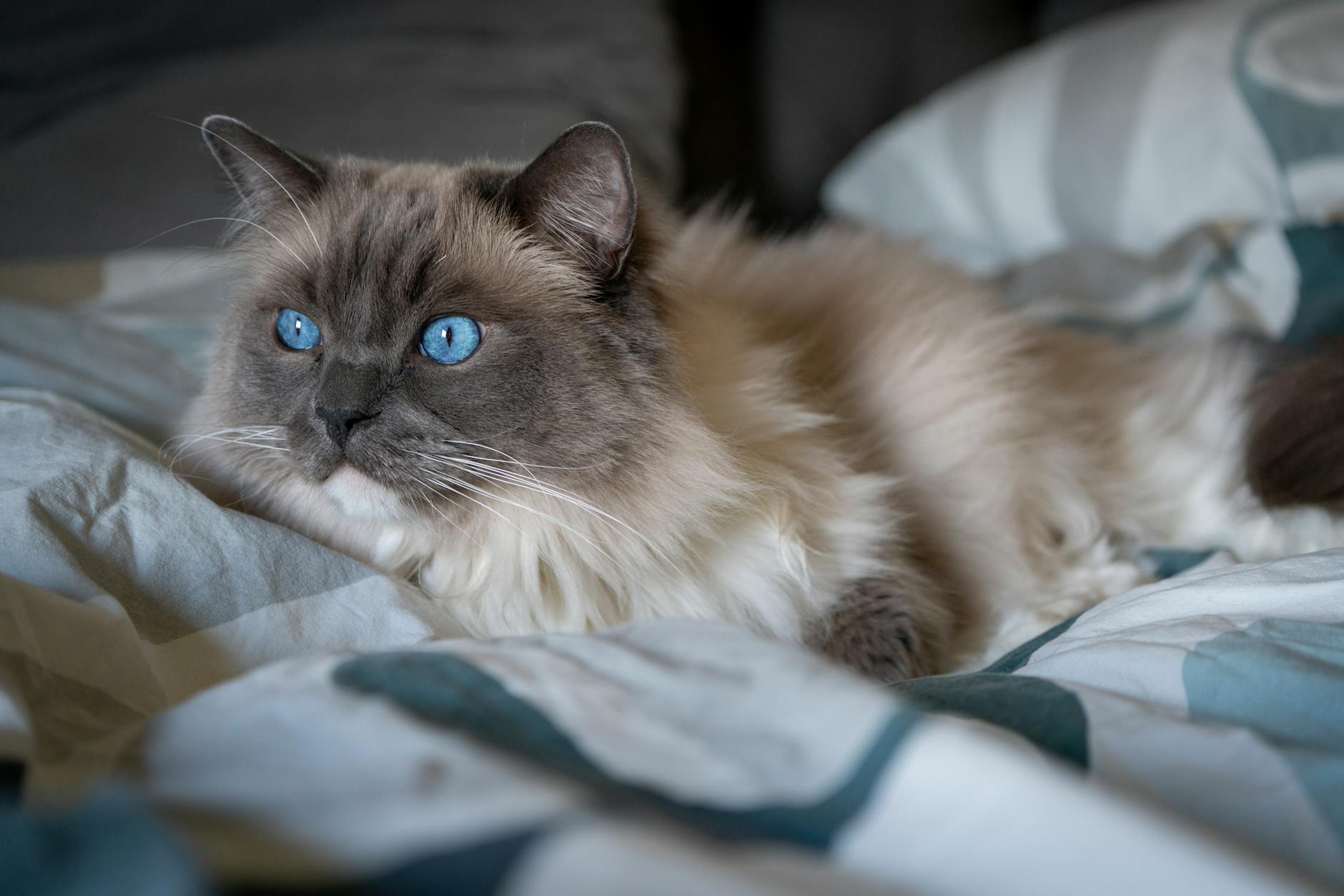
Understanding Ragdoll Blue Eyes and Breed Standards
All blue eyes in cats result from a lack of pigmentation in the iris, caused by the recessive tyrosinase gene that prevents melanin deposition. In Ragdolls, this blue-eyed trait is written directly into the breed standard as a non-negotiable requirement. A Ragdoll kitten born without blue eyes would technically not be considered a purebred Ragdoll by major cat registries, even if it possessed every other characteristic of the breed.
This strict standard means that any legitimate breeder producing Ragdolls is actively selecting for and maintaining this eye color across generations. However, there’s an important caveat that prospective Ragdoll owners should understand: certain Ragdoll variants—specifically those with mink and sepia colorpoint patterns—may have eye colors ranging from blue-green to aqua or even other hues rather than the traditional deep blue. These variations occur because the sepia and mink genes interact differently with the tyrosinase gene, creating subtle eye color shifts. If you have your heart set on the classic deep blue Ragdoll eyes you’ve seen in photographs, you need a traditional colorpoint Ragdoll from a reputable breeder who specializes in maintaining that specific eye color, not a mink or sepia variant.
The Ragdoll Personality: Why Blue Eyes Are Just the Beginning
While Ragdoll blue eyes capture attention, the breed’s true appeal lies in its exceptional personality and behavior. Ragdolls are known for their “docile” temperament—a term that might sound passive but actually describes cats with an unusual willingness to be handled, held, and positioned by their owners. Many Ragdoll owners report that their cats will go limp when picked up, which is both endearing and practical, as it makes veterinary visits and grooming far less stressful than with most other breeds. They are highly affectionate, often greeting owners at the door and wanting to be involved in whatever activity is happening in the home.
A specific example illustrates this better than any generalization: imagine a multi-cat household where a Ragdoll lives alongside a more independent breed. When guests arrive, the independent cat hides; the Ragdoll approaches guests with apparent genuine interest and contentment to be petted. When the family sits down to watch television, the Ragdoll doesn’t just occupy the same room—it settles directly onto a lap or against a leg, maintaining physical contact for hours. This behavior is so consistent across the breed that it’s one of the primary reasons they’ve surpassed other blue-eyed breeds in popularity, despite being larger and requiring more grooming than breeds like the Siamese.
Caring for a Ragdoll: Practical Considerations for Owners
Owning a Ragdoll involves specific care commitments that prospective owners must understand before bringing one home. Their semi-long, silky coat requires regular brushing—ideally 3-4 times per week—to prevent matting and reduce shedding. Unlike some long-haired breeds with coarse coats, the Ragdoll’s silky texture tangles easily, and neglecting grooming can lead to painful mats close to the skin that may require professional removal or even shaving. Additionally, Ragdolls tend to be less active and more inclined toward lounging than some other breeds, which means they’re at higher risk for obesity if their diet isn’t carefully managed and they aren’t encouraged to play and exercise.
The tradeoff many owners face is between the Ragdoll’s ideal personality and the practicalities of care. A Siamese or Birman requires similar coat maintenance, but a Siamese is likely to entertain itself with active play, while a Ragdoll may contentedly nap all day, requiring you to initiate activity and mental stimulation. For someone working long hours who wants a low-maintenance pet, a Ragdoll might lead to guilt about leaving them alone, since they bond so strongly with their owners and don’t thrive in isolation. For someone with the time and commitment to provide companionship, grooming, play, and monitoring of diet, the Ragdoll’s personality makes these efforts feel worthwhile rather than burdensome.
Health Considerations and Eye-Related Concerns in Ragdolls
While blue eyes in Ragdolls are not inherently a health problem, the breed does carry a higher incidence of certain genetic health issues that prospective owners should be aware of. Hypertrophic cardiomyopathy (HCM), a heart condition, occurs more frequently in Ragdolls than in many other breeds, and responsible breeders screen for this using echocardiograms. Additionally, polycystic kidney disease (PKD) has been identified in some Ragdoll lines, though ethical breeders have significantly reduced its prevalence through genetic testing and careful breeding practices. The point is not that Ragdolls are unhealthy—many live long, full lives—but that the breed’s popularity has sometimes attracted less-conscientious breeders focused on profit over health screening.
A specific warning: the Ragdoll’s docile nature and preference for indoor living make them particularly vulnerable if they do escape outdoors, as they lack the wariness and defensive instincts of more independent breeds. Their striking appearance also makes them targets for theft. Additionally, their passive nature means they’re less likely to flee from danger or a stressful situation, so owners must be extra vigilant about secure doors, windows, and yard fencing. The same traits that make Ragdolls wonderful companions—their trust in humans and lack of aggressive self-defense—also require owners to be more protective and vigilant than they might be with a more independent breed.
Other Notable Blue-Eyed Cat Breeds Worth Considering
While Ragdolls hold the top position for the most popular blue-eyed breed, several other breeds offer blue eyes as a breed standard or characteristic. The Birman shares the Ragdoll’s colorpoint patterns and blue eyes but tends to be more independent and less inclined toward being held for extended periods. The Himalayan combines Persian body type with colorpoint patterns and blue eyes, though grooming requirements are even more intensive than Ragdolls. The Siamese, as mentioned, offers blue eyes and a more active, vocal personality.
At least ten cat breeds have permanently blue eyes, including the Balinese (the long-haired version of the Siamese), Colorpoint Shorthair, Javanese, Ojos Azules, Snowshoe, and Thai breeds. For someone drawn to blue eyes but who doesn’t want the grooming commitment of a Ragdoll or the intensity of a Siamese, the Snowshoe offers a middle ground. Snowshoes are medium-sized, with striking blue eyes, color-pointed patterns, and characteristically white paws that give the breed its name. They combine the Siamese’s intelligence and playfulness with slightly more moderate energy levels and less of the demanding, vocal personality that Siamese owners either love or find exhausting. If you’re specific about wanting a blue-eyed cat but flexible about the exact breed, exploring these alternatives might reveal a breed that matches your lifestyle better than a Ragdoll.
Recent Trends and the Future of Blue-Eyed Breed Popularity
It’s worth noting that the landscape of cat breed popularity has recently shifted. In 2025, the Maine Coon surpassed the Ragdoll to become the number one most popular cat breed overall according to updated CFA rankings. However, this change doesn’t diminish the Ragdoll’s status as the most popular blue-eyed breed—Maine Coons do not have blue eyes as a breed characteristic, instead displaying a wide range of eye colors.
This distinction highlights an important point: blue eyes are specifically desirable to certain owners, while overall popularity rankings account for all aesthetic and personality preferences across the broader cat-owning population. The rise of the Maine Coon suggests that some cat owners are prioritizing independent personality and impressive size over the gentle, affectionate temperament that has defined the Ragdoll’s appeal. However, the Ragdoll’s position as the top blue-eyed breed appears stable, with no other blue-eyed breed showing signs of overtaking it. As awareness of ethical breeding practices increases, expect that Ragdoll breeders who invest in health screening and genetic testing will continue to attract serious, committed owners, ensuring that blue-eyed Ragdolls remain the premier choice for people specifically seeking this combination of striking appearance and gentle temperament.
Conclusion
The Ragdoll is unequivocally the most popular blue-eyed house cat breed, holding this position through consistent breeding standards that mandate blue eyes, combined with a temperament and appearance that appeal to a broad range of owners. Their semi-long silky coats, colorpoint patterns, large size, and exceptionally gentle, affectionate personalities create a package that no other blue-eyed breed has successfully rivaled. Understanding what makes Ragdolls special—and what they require from their owners in terms of grooming, attention, and commitment—is essential before bringing one into your home.
If you’re considering a Ragdoll, seek out breeders who screen for genetic health issues, ask about eye color guarantees for your specific coat pattern preference, and honestly assess whether you have the time and energy for regular grooming and active companionship that these cats thrive on. For those unable to commit to a Ragdoll’s needs but still drawn to blue eyes, several other breeds offer striking alternatives, each with their own unique personalities and care requirements. Whatever blue-eyed breed you choose, the depth and clarity of those sapphire eyes will be matched by the bond these cats form with their devoted owners.