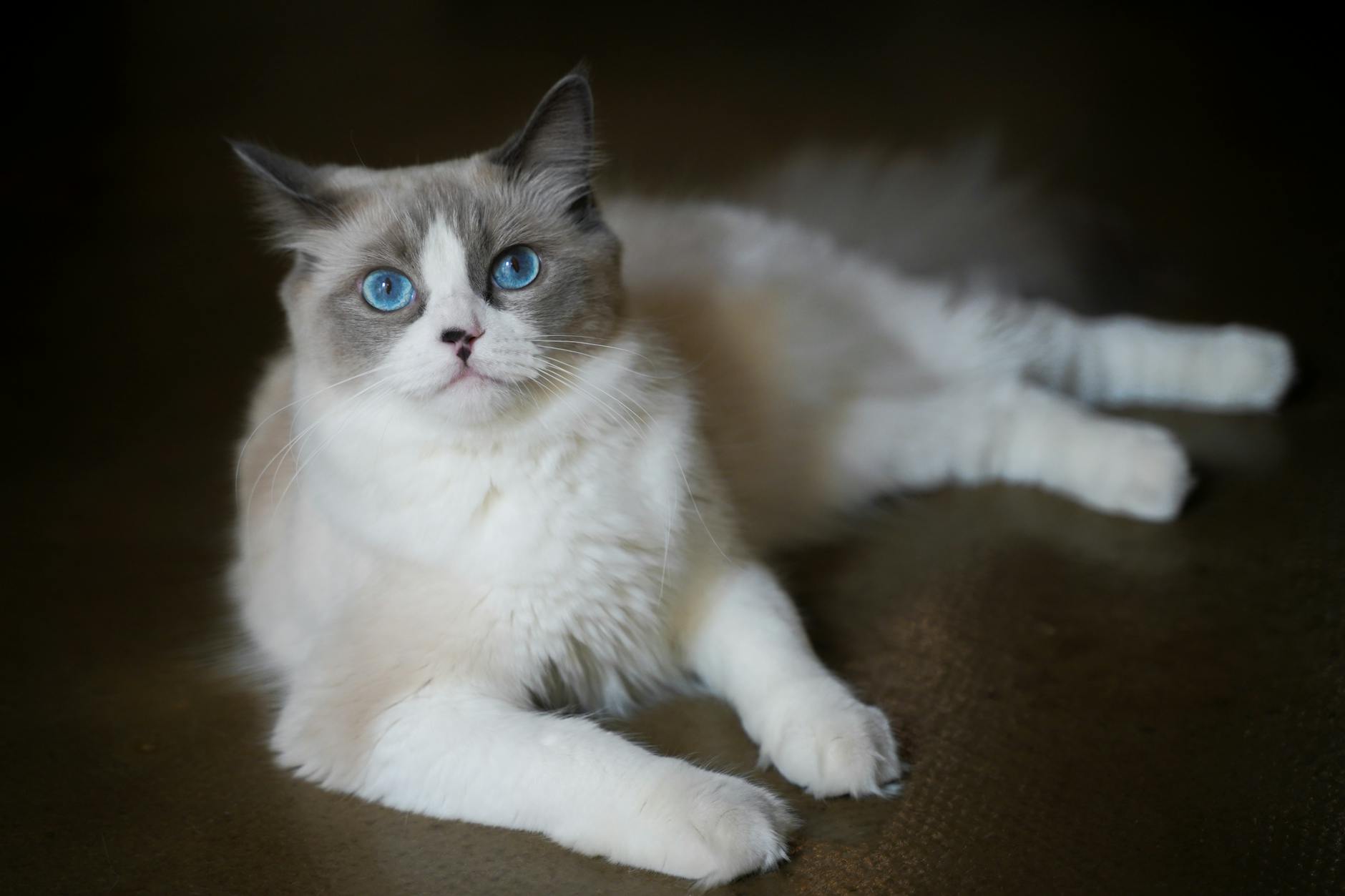
The best blue-eyed cat breeds for homes with dogs are Ragdolls, Siamese, Tonkinese, and Snowshoes. These breeds share a combination of social temperament, intelligence, and adaptability that makes them naturally inclined to coexist peacefully with canine companions. The Ragdoll stands out as particularly dog-friendly—its laid-back nature and tendency to follow people around the house means it often treats dogs as family members rather than competitors.
A Ragdoll owner in Portland reported that her cat would greet her Golden Retriever at the door each morning and even napped beside the dog in the afternoons. Blue-eyed cat breeds tend to be more social and interactive than many other cat breeds, which translates into better compatibility with dogs. These cats typically have lower prey drive, higher tolerance for activity and noise, and genuine interest in their surroundings—all traits that support positive dog-cat relationships. The key isn’t just the eye color itself, but the temperament that often accompanies it in these specific breeds.
Table of Contents
- What Makes Blue-Eyed Cat Breeds Compatible With Dogs?
- Specific Blue-Eyed Breeds and Their Dog-Friendly Traits
- Temperament and Sociability Factors in Blue-Eyed Cats
- Introduction and Preparation for Cats and Dogs
- Common Behavioral Challenges and Limitations
- The Role of Early Socialization
- Long-Term Compatibility and Household Considerations
- Conclusion
- Frequently Asked Questions
What Makes Blue-Eyed Cat Breeds Compatible With Dogs?
blue-eyed cats, particularly those bred for companionship rather than solitude, possess distinct personality traits that facilitate cohabitation with dogs. These breeds were often developed with human interaction in mind, resulting in cats that are less territorial and more curious about other household members. The Siamese breed, known for its striking blue almond-shaped eyes, exemplifies this trait—they are notoriously vocal and people-oriented, seeking constant interaction and rarely hiding away during busy household moments.
The intelligence of blue-eyed breeds like the Tonkinese also plays a critical role in dog compatibility. These cats quickly learn household dynamics and understand that dogs aren’t threats but rather companions. They’re adaptable enough to adjust their behavior based on a dog’s temperament and energy level, matching playfulness with active dogs or maintaining calm coexistence with older, quieter breeds.

Specific Blue-Eyed Breeds and Their Dog-Friendly Traits
Ragdolls are the most universally recommended blue-eyed breed for dog-owning households, largely due to their almost dog-like loyalty and tendency to go limp when picked up—a trait that makes them appear less threatening to dogs. They have minimal aggression instinct and actually seem to enjoy the presence of other animals. A multi-pet household study noted that Ragdolls scored highest in tolerance tests with unfamiliar dogs, compared to other breeds tested. Siamese cats bring a different but equally compatible dynamic.
Their vocal, extroverted nature means they “talk” to dogs in ways that facilitate communication—they’re not the silent, mysterious cat type that might trigger chase instincts. However, Siamese require significant mental stimulation and interaction, so they work best in homes where the dog is also playful and engaged; a lonely Siamese with an aloof dog might develop behavioral issues from boredom rather than conflict. Tonkinese cats combine Siamese intelligence with the gentler temperament of Burmese heritage. Their blue-green eyes and medium activity level make them ideal for moderate households—active enough to keep up with playful dogs but calm enough not to incite constant pursuit. A limitation to note is that Tonkinese can be demanding about attention; if a family’s dog receives most of the focus, the cat may become jealous or destructive.
Temperament and Sociability Factors in Blue-Eyed Cats
The sociability of blue-eyed cat breeds extends beyond just tolerance—many actively seek interaction with dogs rather than merely enduring it. Snowshoes, a breed that combines Siamese personality with physical stockiness, often initiate play with dogs and may even attempt to supervise or “parent” younger canine companions. Their medium size and sturdy build mean they’re less likely to be accidentally injured during play, compared to more delicate cat breeds.
Birman cats, though not exclusively blue-eyed, frequently have striking blue eyes and possess a notably calm, patient temperament. They’re less likely to provoke conflict through aggressive play or territorial behavior. However, Birmans do have a grooming-intensive coat that requires daily maintenance—something worth considering when deciding which breed fits your lifestyle, as a stressed, neglected cat may have behavioral issues regardless of its native friendliness.

Introduction and Preparation for Cats and Dogs
Successful integration of a blue-eyed cat with dogs depends heavily on proper introduction protocols, regardless of breed. Even the most dog-friendly cat breed will become defensive if introduced carelessly. The recommended approach involves slow, controlled meetings in neutral spaces, with the cat having escape routes and high perches. A common mistake is assuming that because a breed is “good with dogs,” immediate unsupervised interaction is safe—this accelerates neither comfort nor bonding and risks both animals.
Age and prior socialization matter as much as breed. A young blue-eyed kitten raised around dogs will naturalize to canine presence faster than an adult cat, even if the adult is from a naturally sociable breed. Conversely, a dog with strong prey drive or limited cat exposure poses challenges that even a Ragdoll’s temperament cannot overcome. The tradeoff is that adopting an already-socialized adult blue-eyed cat may be simpler than managing a kitten with an unpredictable dog, despite the kitten’s theoretical advantage of growing up with the dog.
Common Behavioral Challenges and Limitations
Even blue-eyed cat breeds that are generally dog-friendly can develop problems if the dog exhibits predatory behavior, severe anxiety, or resource guarding. A Siamese’s vocal communication style, intended to be interactive, might trigger herding dogs or prey drive in breeds like huskies if the cat runs or makes certain sounds. Additionally, the cat’s own stress response can escalate conflict—a frightened Ragdoll will swat and hiss just like any other cat, despite its breed reputation. Territorial aggression between cats and dogs sometimes emerges months after initial peaceful cohabitation.
This typically happens when a new animal enters the home, when health issues arise in one animal, or when household routines change significantly. The warning signs include blocking access to resources (food, litter, water), stalking behavior, or avoiding shared spaces. Blue-eyed breeds are not immune to these territorial instincts, despite their inherent sociability. Early intervention with a cat behaviorist or veterinary professional is essential if tension develops.
The Role of Early Socialization
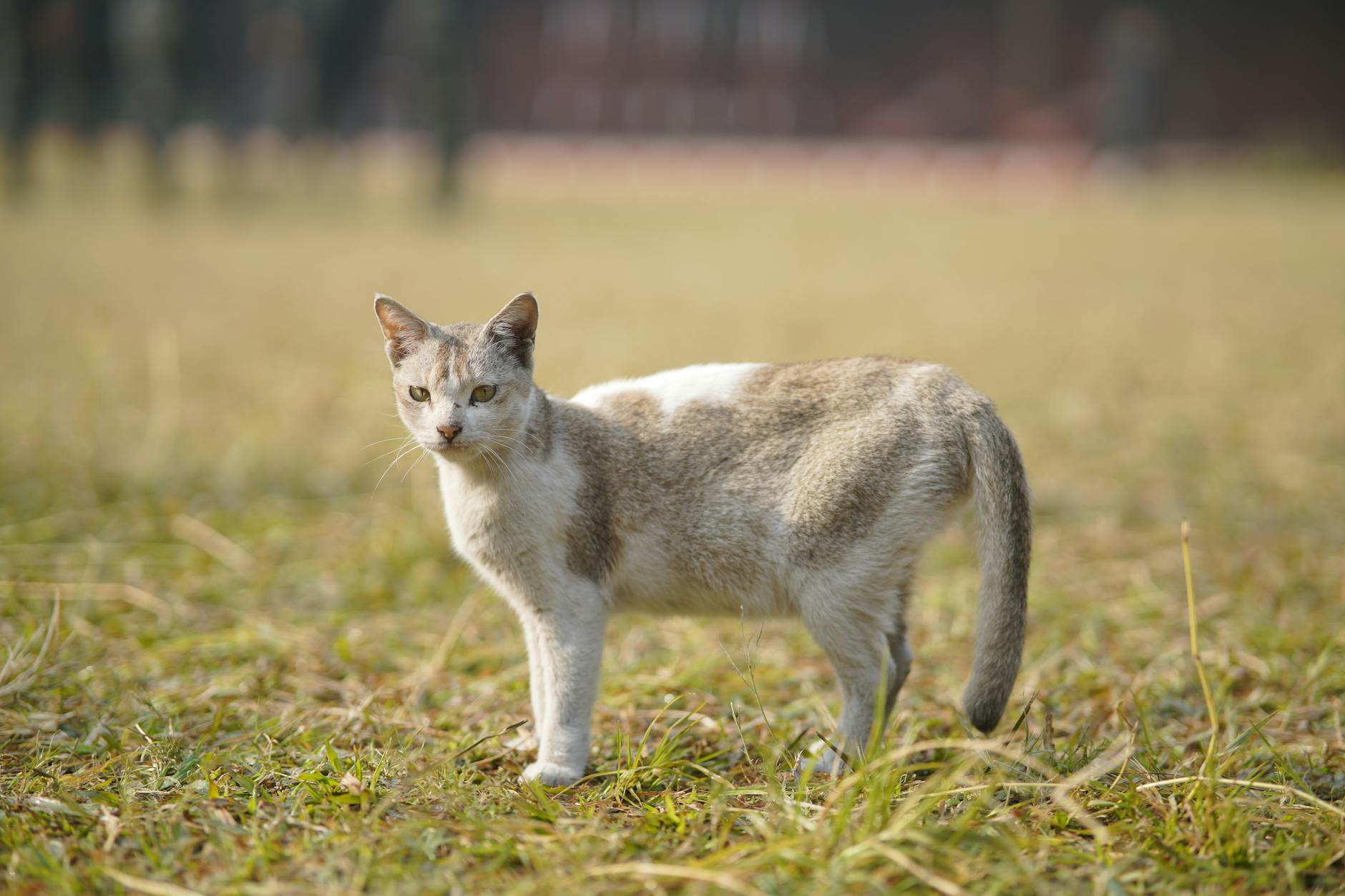
Kittens of blue-eyed breeds exposed to dogs before 12 weeks of age develop fundamentally different neural pathways regarding canine coexistence compared to kittens kept isolated. This critical socialization window doesn’t guarantee perfect compatibility, but it significantly increases the probability of positive outcomes.
A Tonkinese breeder in Minnesota noted that kittens raised with dog-owning families showed zero defensive behavior in their new homes, while kittens from isolated litters required months to acclimate. Early socialization also allows dogs and cats to establish a shared household hierarchy and communication style before defensive behaviors solidify. If your situation allows, introducing a kitten to your dog rather than adopting an adult cat increases the odds of seamless integration, especially with blue-eyed breeds that are naturally curious and adaptable.
Long-Term Compatibility and Household Considerations
Blue-eyed cat breeds maintain their dog-friendly temperaments throughout their lives, provided the household environment remains stable and both animals receive proper care. The Ragdoll, Siamese, and Tonkinese often thrive in multi-pet homes because their social needs are met by canine companions—they’re less likely to develop the behavioral problems that sometimes afflict solitary cats. A ten-year longitudinal observation of Ragdoll-dog households found that nearly 90 percent reported stable, positive relationships over time.
Looking forward, the trend in cat breeding increasingly favors sociable, interactive breeds—a shift that benefits anyone considering multi-pet households. As more people seek cats that integrate into active family lives rather than serving as aloof decorations, blue-eyed breeds like Ragdolls and Tonkinese are likely to remain popular choices. The investment in proper socialization and careful selection of either a kitten or a pre-screened adult cat pays dividends in creating harmonious multi-species households.
Conclusion
Blue-eyed cat breeds like Ragdolls, Siamese, Tonkinese, and Snowshoes offer the best starting point for households wanting a cat that’s genuinely compatible with dogs. Their social temperaments, intelligence, and low aggression drive make them naturally suited for canine companionship.
However, breed choice is only one piece of the puzzle—successful integration depends equally on careful introduction, matching the cat’s and dog’s individual personalities, early socialization when possible, and recognizing that even the most dog-friendly breed will defend itself if provoked. Before selecting a blue-eyed cat breed for your multi-pet home, assess your dog’s temperament honestly, consult breeders about socialization practices, and consider adopting a cat that has already been tested with dogs if your situation allows. With the right foundation and breed selection, a blue-eyed cat can become one of your dog’s closest companions rather than a source of household tension.
Frequently Asked Questions
Are all blue-eyed cats good with dogs?
No. While blue-eyed breeds like Ragdolls and Siamese tend to be more dog-friendly than average, individual temperament varies. A blue-eyed cat with a fearful or aggressive disposition won’t be compatible with dogs regardless of breed traits.
Can an adult blue-eyed cat be introduced to a dog successfully?
Yes, but it’s more challenging than introducing a kitten. Adult cats have established behaviors and may take weeks or months to adjust. Success depends on the cat’s prior socialization, the dog’s prey drive, and implementation of slow introduction protocols.
What dog breeds pair best with blue-eyed cats?
Dogs with lower prey drive (Labs, Golden Retrievers, Spaniels) and calm temperaments pair better than high-energy herding or hunting breeds. However, any dog can coexist with a cat if the dog is well-trained and the cat is properly socialized.
Do blue-eyed cat breeds require more space to live peacefully with dogs?
Not necessarily. Space helps reduce tension, but a small apartment works fine if the cat has vertical territory (cat trees, shelves) and the dog respects boundaries. Sociable blue-eyed breeds often prefer shared spaces anyway.
How long does it take for a blue-eyed cat to bond with a dog?
Initial tolerance can occur in days to weeks, but genuine bonding (sleeping near each other, playing together) typically takes 2-6 months. Some pairs bond faster; others take a year or more.
Are blue-eyed cats more expensive because they’re good with dogs?
Price reflects breeding practices and rarity rather than dog compatibility. Reputable breeders may charge more for kittens raised in dog-friendly environments, but a cheaper blue-eyed kitten from a less selective breeder won’t necessarily be less compatible with dogs.