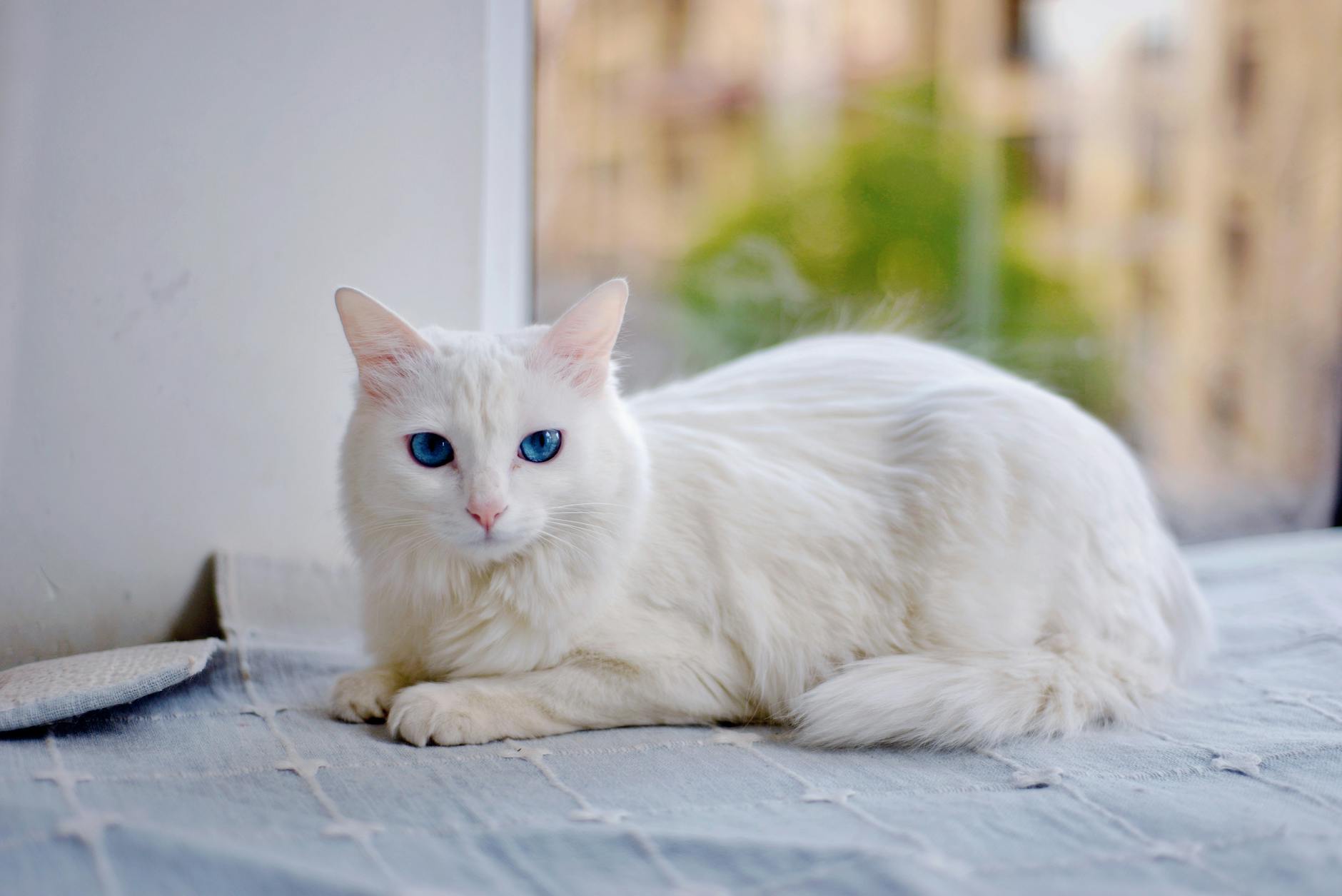
The Himalayan cat breed requires the most grooming among blue-eyed cats, demanding daily brushing sessions that can last 15-30 minutes to maintain their signature long, thick coat and prevent severe matting. This stunning breed, with piercing blue eyes set in a flat face reminiscent of Persians, produces a dense double coat that sheds heavily year-round and tangles with remarkable ease. If you bring a blue-eyed Himalayan into your home, grooming isn’t a weekly chore—it becomes a daily commitment that shapes your household routine.
Most cat owners significantly underestimate the grooming demands of Himalayans before adopting one. A single week without proper brushing can result in painful mats that require professional removal or, in severe cases, shaving down to the skin. This isn’t hyperbole or selective grooming requirement—it’s a fundamental need tied directly to their genetics and the breeding that created their appearance.
Table of Contents
- Why Do Blue-Eyed Himalayans Require More Grooming Than Other Breeds?
- The Realities of Daily Himalayan Grooming
- Understanding Coat-Related Health Issues in Blue-Eyed Himalayans
- Practical Grooming Setup and Time Management
- Common Grooming Complications and Behavioral Challenges
- Comparing Himalayan Grooming to Other Long-Haired Blue-Eyed Breeds
- The Future of Himalayan Grooming: Breeding Trends and Practical Evolution
- Conclusion
- Frequently Asked Questions
Why Do Blue-Eyed Himalayans Require More Grooming Than Other Breeds?
The Himalayan’s grooming intensity stems from their distinctive coat structure and breeding history. This breed combines Persian and Siamese genetics, inheriting the Persian’s luxuriously long double coat while maintaining the Siamese’s striking blue eyes and color-point pattern. That double coat—an undercoat and a longer guard hair layer—naturally creates friction between hairs, causing mats to form even during normal movement and sleep.
Their flat facial structure also contributes to grooming challenges, as their large eyes tend to tear more than other breeds, leaving wet patches on their face and chest that can mat and stain the surrounding fur. Compare this to other blue-eyed breeds like Balinese cats, which have semi-long coats and need brushing 3-4 times weekly, or Tonkinese cats, which require only 2-3 weekly sessions. The Himalayan’s coat volume and density place them in a different category entirely. Even the Turkish Van, another long-haired blue-eyed breed, can often manage with every-other-day brushing, whereas Himalayans truly need daily attention to avoid emergency matting situations.
The Realities of Daily Himalayan Grooming
Daily grooming of a Himalayan isn’t a brief task you can rush through while checking your phone. Proper technique requires using both a slicker brush and a metal comb to work through the entire coat systematically, starting with the undercoat and working outward to remove loose hair and prevent tangles from forming. You’ll need to pay particular attention to areas prone to matting: behind the ears, in the armpits, on the belly, and around the rear end. The grooming process must be gentle but thorough; pulling aggressively through mats damages the coat and can cause skin irritation or pain that makes your cat resistant to future grooming sessions.
A major limitation of Himalayan ownership is what happens during shedding seasons, typically spring and fall. During these periods, your daily grooming might only keep pace with the amount of new mats forming, and many owners find professional grooming every 6-8 weeks becomes necessary rather than optional. The financial commitment can easily exceed $100-200 per grooming session, and some Himalayans require professional bathing and drying before brushing becomes manageable. If you travel frequently or have an unpredictable schedule, a Himalayan’s grooming needs become significantly more challenging to manage.
Understanding Coat-Related Health Issues in Blue-Eyed Himalayans
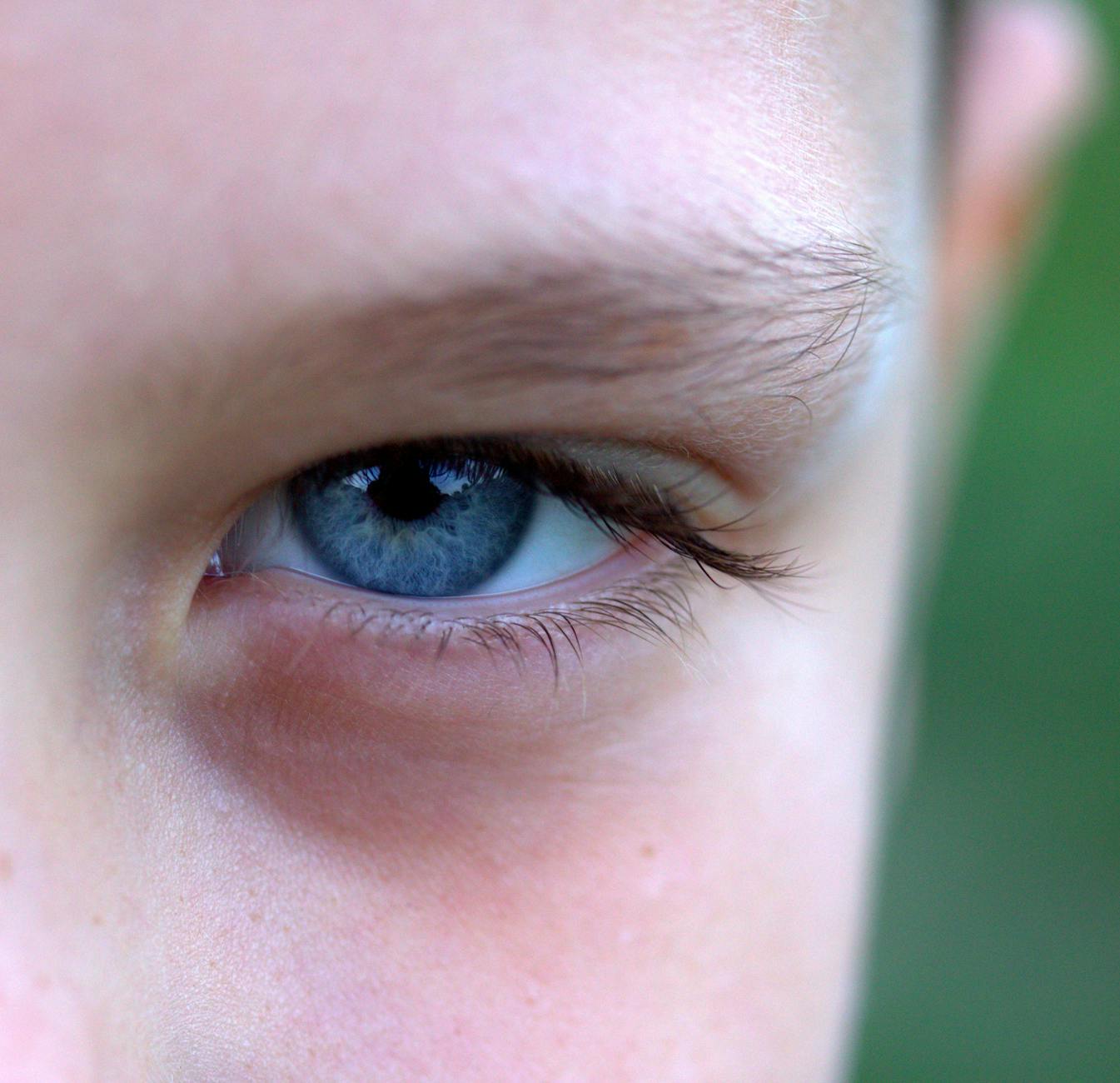
The intersection of their coat and eye characteristics creates specific health vulnerabilities in Himalayans that directly impact grooming requirements. Their large, prominent blue eyes produce tears at higher rates than other breeds, and this moisture accumulates in the facial fur, creating an environment where bacteria and yeast can flourish. This results in tear staining—rust-colored marks beneath the eyes—that requires daily cleaning separate from general coat brushing.
Without proper management, chronic tear staining can lead to skin infections around the eyes and mouth. Additionally, matted fur isn’t just an aesthetic problem; it creates zones of poor air circulation against the skin, which can trap moisture and warmth that encourage fungal and bacterial growth. Cats with severe matting sometimes develop dermatitis or skin infections in previously matted areas. Some Himalayans are also prone to polycystic kidney disease (PKD), a genetic condition that can cause chronic illness and increased grooming difficulty as the cat becomes less tolerant of handling during grooming sessions.
Practical Grooming Setup and Time Management
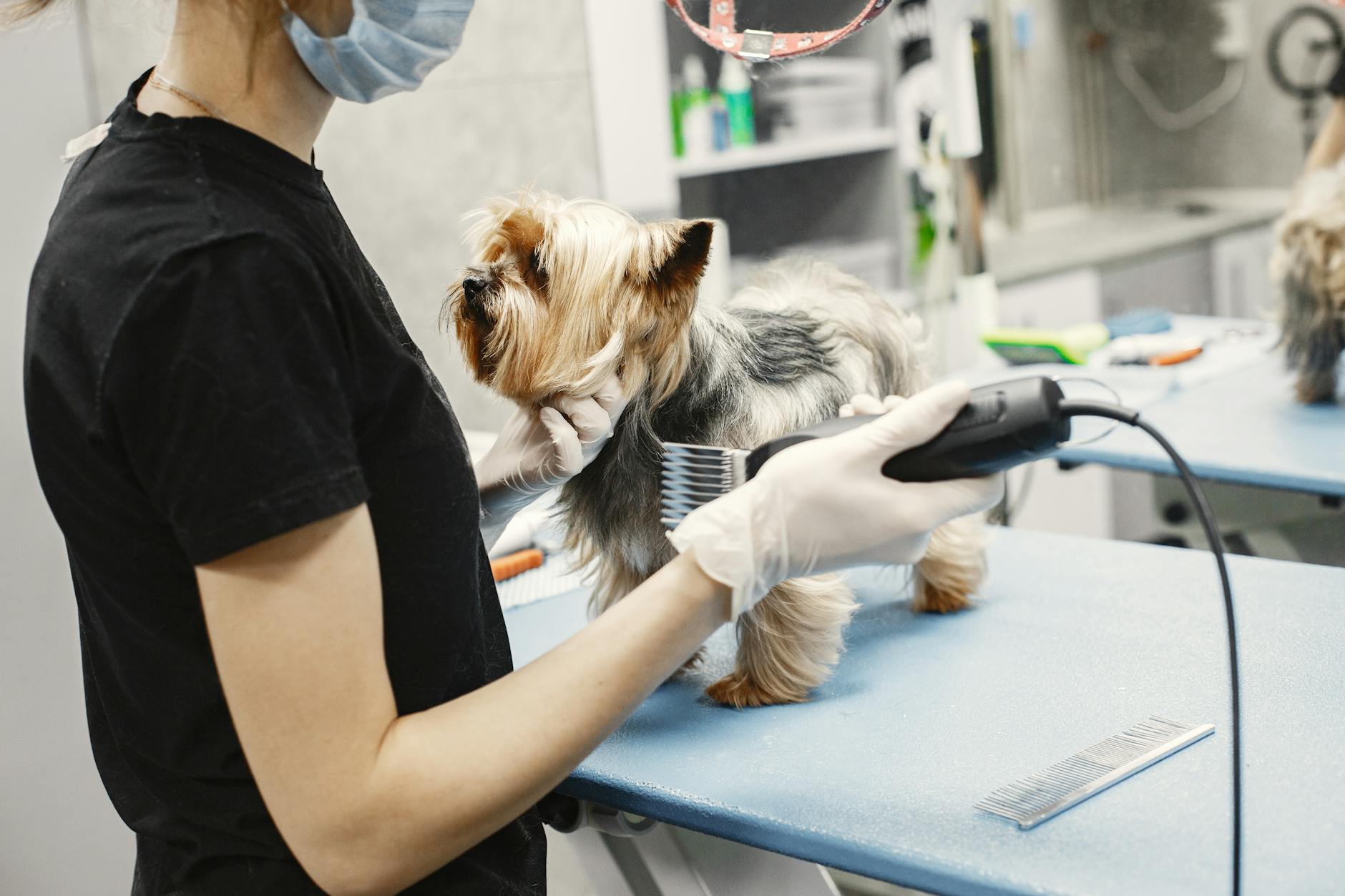
Creating an effective grooming routine requires more than just grabbing a brush when you notice tangles. Professional groomers and experienced Himalayan owners recommend establishing a dedicated grooming station with all necessary tools within easy reach: a slicker brush, metal comb, mat splitter for existing mats, nail clippers, ear cleaning supplies, and treats for positive reinforcement. Many owners find that grooming their Himalayan on a grooming table or elevated surface works better than attempting it on a lap, as it gives them better control and reduces strain on their back during longer sessions.
Time-wise, realistic owners budget 20-30 minutes daily for a thorough grooming session, though some days may require less if your cat is in good coat condition. The tradeoff is clear: invest the time daily, or face multiple hours of mat removal and potential professional grooming costs monthly. Some owners simplify this by opting for a “puppy cut” or shortened coat style from their groomer every 8-10 weeks, which dramatically reduces grooming needs but fundamentally changes the cat’s appearance and eliminates the signature long-haired look that attracts many people to the breed in the first place.
Common Grooming Complications and Behavioral Challenges
Some Himalayans develop anxiety or aggression related to grooming, particularly if they’ve experienced painful mat removal in the past or if grooming sessions haven’t been consistently positive. A cat that has matted severely and required veterinary sedation for mat removal may become resistant to any future brushing. This creates a difficult cycle where the cat most needs grooming but is least willing to cooperate. Introducing grooming early in a kitten’s life, keeping sessions positive with treats and praise, and never yanking at mats makes a substantial difference in whether a Himalayan will tolerate this daily requirement.
Another complication is that standard brushes don’t always reach the undercoat effectively, which means many owners who think they’re grooming regularly are actually only removing surface hair while mats form underneath. This false sense of security leads to surprise matting that can feel like grooming failure. Investing in proper grooming tools and learning correct technique—or scheduling monthly professional grooming sessions specifically for undercoat removal—prevents this common mistake. The warning here is stark: incorrect or incomplete grooming often does more harm than no grooming, as it can actually compress the undercoat and accelerate mat formation.
Comparing Himalayan Grooming to Other Long-Haired Blue-Eyed Breeds
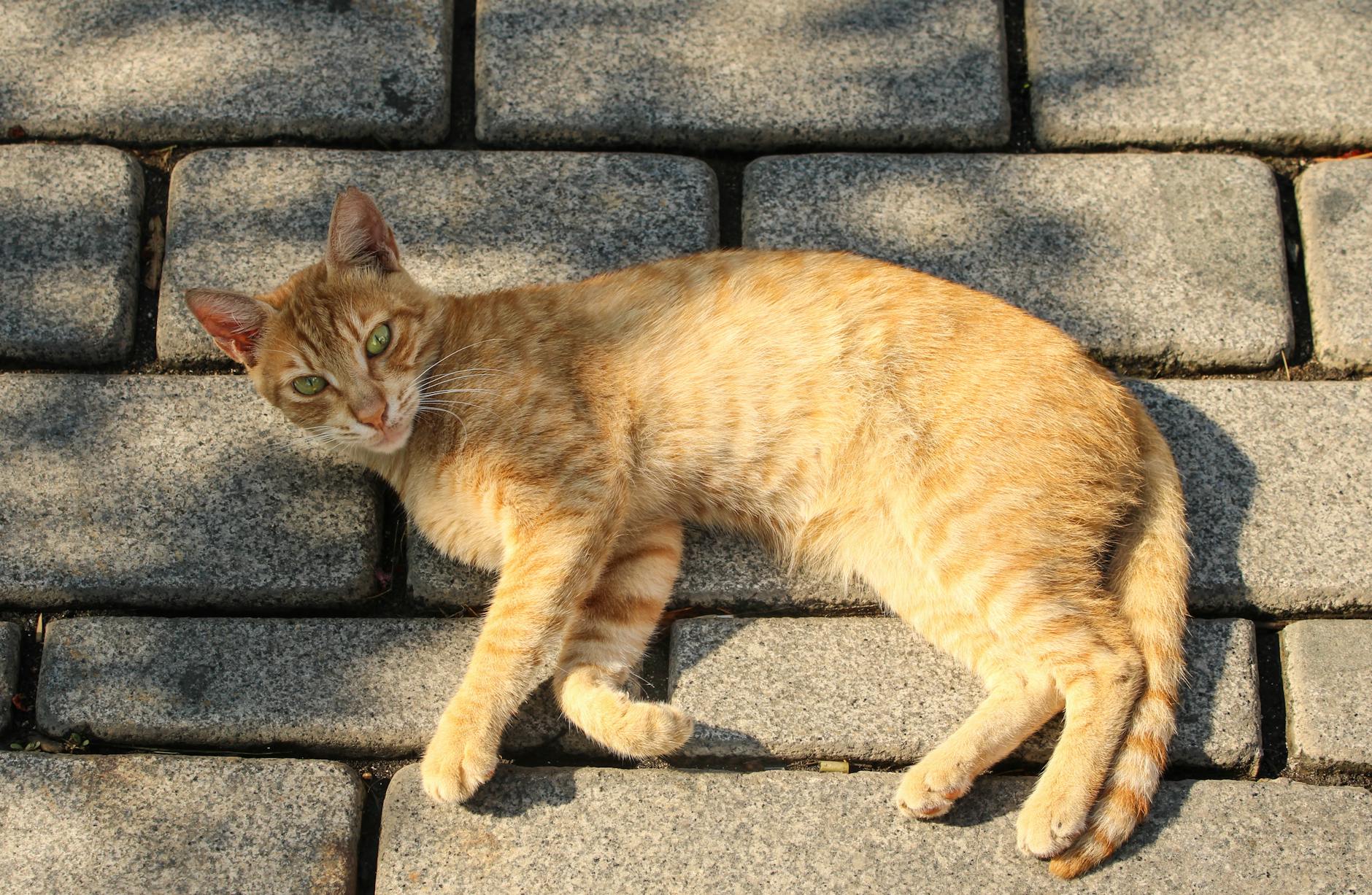
The Balinese cat, often called the “longhaired Siamese,” shares the striking blue eyes and color-point pattern of Himalayans but has a notably longer, silkier coat with less density. Balinese cats typically require brushing 3-4 times weekly rather than daily, making them a more manageable option if you want a blue-eyed, long-haired cat with less grooming demand.
The Turkish Van, another blue-eyed breed with a semi-long coat, also grooms more easily than a Himalayan, though they shed heavily and need consistent attention to prevent seasonal matting. If a Himalayan’s grooming requirements seem overwhelming but you’re drawn to their appearance and temperament, the Balinese often provides a similar aesthetic with significantly reduced grooming needs. The tradeoff is that Balinese cats tend to be more vocal and active than the calm, laid-back personality many Himalayans display.
The Future of Himalayan Grooming: Breeding Trends and Practical Evolution
The cat fancy has gradually shifted toward recognizing the grooming burden that long-haired breeds impose on typical cat owners. Some breeders now focus on maintaining the Himalayan look—the blue eyes, color-point pattern, and sweet temperament—while breeding for slightly less dense coats that require slightly less daily maintenance. Some breed clubs now distinguish between “traditional” Himalayans with full, dense coats and variants with more manageable coat lengths.
The reality is that the “ideal” Himalayan coat that shows perfectly in cat shows will always require maximal grooming, but pet-quality Himalayans with somewhat less voluminous coats can reduce daily grooming to 15 minutes or less. This evolution reflects a broader conversation in cat breeding about sustainability and realistic ownership. If you’re committed to a Himalayan, understanding that you’re potentially bringing home a cat that requires the equivalent of daily human grooming—in terms of time and commitment—helps set realistic expectations from day one.
Conclusion
The Himalayan cat breed stands alone among blue-eyed felines in demanding daily grooming as a non-negotiable part of ownership. Their combination of a dense double coat, prone-to-tearing eyes, and flat facial structure creates grooming needs that exceed other blue-eyed breeds by a significant margin. This isn’t a personality quirk or an occasional inconvenience—it’s a biological reality that shapes daily life for Himalayan owners.
Before bringing a Himalayan into your home, honestly assess whether you can commit 20-30 minutes daily to brushing, or whether you have the financial resources for regular professional grooming. If you want a blue-eyed cat with manageable grooming needs, the Balinese or Turkish Van offer striking beauty with significantly less daily commitment. But if you’re prepared for the responsibility, a well-groomed Himalayan offers stunning beauty, a sweet temperament, and the satisfaction of maintaining a breed that requires true dedication to thrive.
Frequently Asked Questions
Can I shave my Himalayan to reduce grooming needs?
Yes, many owners opt for regular grooming cuts that significantly reduce coat length, often called “puppy cuts” or “teddy bear cuts.” This dramatically decreases grooming time to just a few minutes weekly. The tradeoff is that you lose the breed’s signature long-haired appearance, and regrowth takes months. Some cats also experience discomfort or behavioral changes after shaving, particularly if they’ve never experienced it before.
How often should I take my Himalayan to a professional groomer?
Most Himalayan owners budget for professional grooming every 6-8 weeks, with some increasing frequency to every 4 weeks during heavy shedding seasons. Professional grooming typically costs $100-200 per session. Between professional appointments, daily home brushing is still necessary to prevent mat formation.
At what age should I start grooming my Himalayan kitten?
Begin grooming as early as possible, ideally around 8-12 weeks old. Kittens with positive early grooming experiences are far more cooperative as adults. Even brief, positive sessions establish the habit and help your kitten learn to tolerate brushing.
Are there any grooming-friendly alternatives to Himalayans if I love their appearance?
The Balinese breed offers the same blue eyes and color-point pattern with less grooming demand. Some breeders also produce Himalayans with slightly less dense coats that require reduced maintenance. Discussing coat type specifically with breeders can help you find a cat matching your grooming capacity.