
Fish sauce is not safe for cats to lick off plates or consume in any significant quantity. While a small accidental lick is unlikely to cause immediate harm, fish sauce contains high levels of sodium, fish proteins, and fermented ingredients that can pose real health risks to cats, especially when repeated exposure occurs.
If your cat has licked a plate with fish sauce residue, monitor them for signs of thirst, vomiting, or lethargy over the next 24 hours, but a single small exposure typically won’t cause a medical emergency. Fish sauce, used extensively in Southeast Asian cuisine, is made from fermented fish and salt—a combination that spells trouble for feline health. A cat who regularly sneaks licks from a Thai food bowl or consistently encounters fish sauce-contaminated plates faces cumulative health risks including sodium toxicity, digestive upset, and kidney strain.
Table of Contents
- What Makes Fish Sauce Dangerous for Cats
- Sodium Toxicity and Long-Term Kidney Health
- Behavioral Triggers and the Licking Habit
- Practical Prevention Strategies and Safe Alternatives
- Signs of Fish Sauce Ingestion and When to Contact a Veterinarian
- Fish Sauce in Cat Food: Commercial Products and Formulations
- Building a Safe Kitchen Environment for Fish-Loving Cats
- Conclusion
What Makes Fish Sauce Dangerous for Cats
Fish sauce’s primary danger comes from its extremely high sodium content. A single tablespoon of fish sauce contains roughly 3,000 mg of sodium—nearly five times the recommended daily sodium intake for an average cat. The fermentation process that gives fish sauce its pungent smell also creates compounds that can irritate a cat’s digestive system, which lacks the enzymatic capacity to handle heavily fermented foods the way humans do.
Additionally, some commercial fish sauces contain additives or preservatives that aren’t formulated with cats in mind. The palatability of fish sauce is another concern. Because of its intense smell and flavor profile, a cat who samples it once may be attracted back to it repeatedly. Unlike a cat who tastes something unpleasant and avoids it, the savory richness of fish sauce can seem appealing to felines, making it a persistent temptation in households where it’s stored openly or left on countertops.

Sodium Toxicity and Long-Term Kidney Health
Sodium toxicity in cats isn’t always obvious in the short term, but repeated exposure accumulates real physiological stress. cats have evolved to thrive on low-sodium diets—their kidneys are adapted to concentrate urine and conserve sodium, which means they’re particularly vulnerable when sodium loads are excessive. Over time, high-sodium consumption can exacerbate or accelerate existing kidney disease, which is already the leading cause of death in senior cats. A key limitation to understand is that kidney damage from sodium excess develops silently.
Your cat won’t show obvious symptoms until significant damage has occurred. Early signs include increased thirst, more frequent urination, or subtle changes in appetite. By the time symptoms appear, the kidneys may already be compromised. This is why preventing exposure is far preferable to waiting for warning signs—once kidney function declines, it cannot be reversed, only managed.
Behavioral Triggers and the Licking Habit
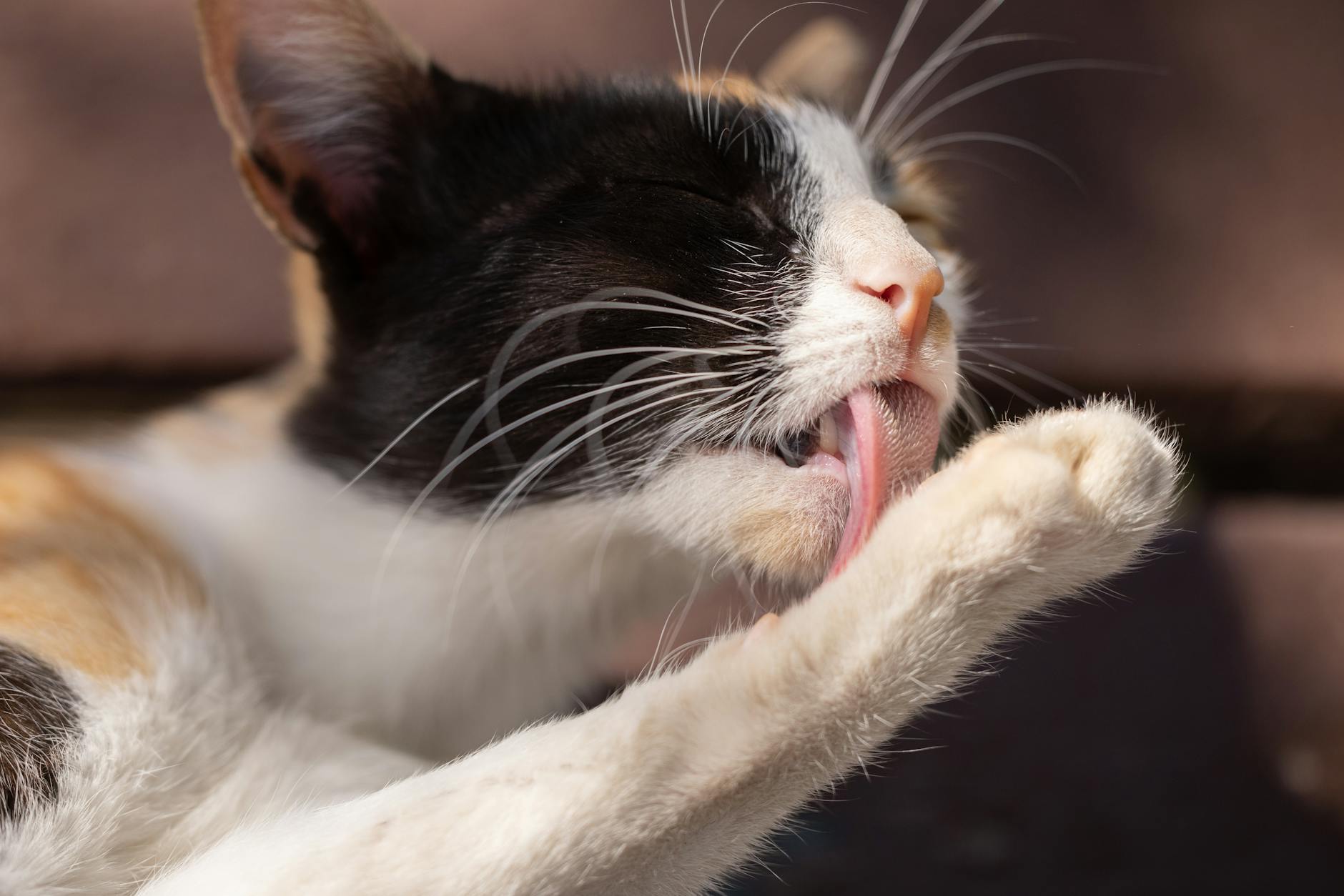
Cats are drawn to fish sauce through powerful olfactory cues, not just taste. The ammonia-like smell that many people find off-putting actually signals to cats that here is a concentrated source of amino acids and proteins—exactly what their predatory instincts tell them to seek. Once a cat has tasted fish sauce, they may actively seek it out, attempting to access containers, licking plates in the sink, or jumping on the counter during meal preparation.
This behavioral pattern creates a real household management challenge. A cat who has learned that the kitchen counter holds interesting fish-scented rewards becomes a persistent counter-surfer. Some owners find their cats hanging around more aggressively during or after cooking Southeast Asian meals, sniffing the air and waiting for an opportunity. Managing this requires consistent behavioral boundaries, not just one-time prevention.
Practical Prevention Strategies and Safe Alternatives
The most effective approach is to prevent access entirely. Rinse plates immediately after meals, store fish sauce in a sealed cabinet your cat cannot reach, and avoid leaving Asian cuisine in accessible bowls. Some cat owners keep fish sauce in a locked cabinet alongside other potentially harmful substances.
If you use fish sauce regularly, establishing a clear “kitchen counter is off-limits” boundary becomes essential for your cat’s safety. For cats who are attracted to the smell of fish, offering appropriate alternatives satisfies their instinct without the sodium risk. High-quality, low-sodium fish treats designed for cats provide the flavor profile they find appealing without the extreme sodium concentration. Some owners offer their cats a small amount of cooked, plain fish as an occasional reward—this allows the cat to enjoy the species-appropriate flavor of fish without the fermentation and sodium load that fish sauce brings.
Signs of Fish Sauce Ingestion and When to Contact a Veterinarian
If your cat has consumed a significant amount of fish sauce (more than a few licks), watch for vomiting, diarrhea, increased thirst, or unusual lethargy within the first few hours. Sodium poisoning in cats can cause neurological signs including tremors, seizures, or disorientation, though these are rare from a single exposure. A crucial warning: never induce vomiting at home, as this can cause additional damage to the esophagus.
Instead, contact your veterinarian or an emergency clinic if your cat shows any concerning symptoms. The limitation of waiting and watching is that mild sodium toxicity may not produce obvious symptoms, yet cumulative damage is still occurring. If your cat is known to have consumed fish sauce multiple times, a veterinary check-up including blood work to assess kidney function may be warranted, particularly if your cat is older or has any pre-existing kidney issues.
Fish Sauce in Cat Food: Commercial Products and Formulations
Some commercial cat foods include fish as a protein source, but these are formulated with cats’ nutritional needs in mind and contain carefully controlled sodium levels. Fish sauce, by contrast, is not a controlled ingredient in pet food and should never be confused with fish-based cat food. If you’re reading ingredient labels on wet or dry cat food, look for plain “fish” or “fish meal” rather than any fermented fish products.
The distinction matters: a can of cat food with fish might contain around 300-500 mg of sodium, which fits within a cat’s daily needs. The same amount of fish sauce contains 9,000+ mg of sodium. This massive difference illustrates why fish sauce is unsafe even in tiny quantities, whereas fish as a protein source in properly formulated cat food is nutritionally appropriate.
Building a Safe Kitchen Environment for Fish-Loving Cats
Creating a kitchen space where fish sauce is safely stored and routinely cleaned up is essential if you enjoy cooking with it. This might mean designating a specific cabinet, using opaque containers, or even training your cat to stay out of the cooking area entirely.
Some households benefit from using baby gates to keep cats out of the kitchen during meal preparation, when fish sauce exposure risks are highest. Looking forward, as more households adopt cats alongside adventurous cooking habits, understanding the safety intersection between human cuisine and feline health becomes increasingly important. Clear communication with family members or housemates about the danger of fish sauce ensures everyone in your home recognizes why this condiment must be kept consistently away from your cat’s reach.
Conclusion
Fish sauce poses a genuine safety risk to cats due to its extreme sodium content and fermented composition, making it unsuitable for feline consumption even in small amounts. While a single accidental lick is unlikely to cause immediate harm, regular exposure creates cumulative risks to your cat’s kidney function and overall health. Prevention through careful storage, immediate plate rinsing, and behavioral management is far more effective than managing the consequences of accidental exposure.
If you cook with fish sauce regularly, establish clear protocols: store it securely, rinse dishes promptly, and maintain boundaries around where your cat can roam during meal preparation. If your cat has consumed fish sauce and shows any signs of illness, contact your veterinarian. For most households, making fish sauce a consistently off-limits ingredient is the simplest way to keep your cat safe while still enjoying the cuisines you love.